



Clutter does more than crowd your shelves. When everyday objects sit untouched, they quietly collect dust and stress, nudging your blood pressure higher and making your home feel less like a refuge and more like a to‑do list. By spotting the things that trigger both physical and mental strain, you can clear space, lower hidden health risks, and reclaim a sense of calm room by room.
1) Overstuffed Bookshelves

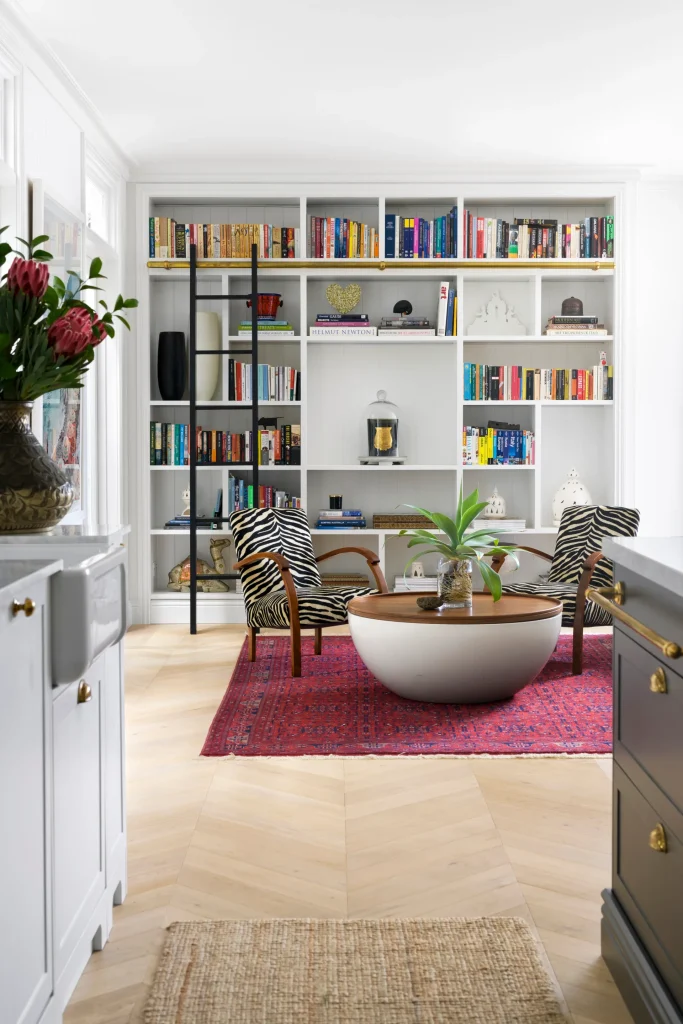
Overstuffed bookshelves collect dust on every exposed edge, from the tops of hardcovers to the cramped gaps between paperbacks. That dust is not just unsightly, it can irritate your airways and contribute to the kind of chronic irritation that research links to higher blood pressure. When shelves are jammed, you are also more likely to knock things over while cleaning, so you avoid the task altogether and let the buildup grow. The result is a visual wall of clutter that makes your living room feel smaller and more chaotic.
Psychologically, those crowded shelves can feel like a backlog of unfinished homework, especially if they are full of books you “should” read but never touch. That sense of obligation adds low‑grade stress every time your eyes land on the rows. To cut both dust and tension, rotate only the titles you truly use, donate the rest, and leave breathing room between books. A little negative space makes cleaning easier and turns the shelf into a calm focal point instead of a dusty guilt trip.
2) Decorative Throw Pillows
Decorative throw pillows look soft and harmless, yet they are prime dust and allergen traps. The textured fabrics, tassels, and seams catch particles every time you sit down, then release them in small bursts when you fluff or move the pillows. If you rarely wash the covers, those cushions become long‑term reservoirs for skin flakes and pet dander that can aggravate breathing and subtly raise physical stress. Because they are scattered across sofas and beds, they also multiply visual clutter, making it harder for your eyes to rest anywhere in the room.
There is an emotional layer too. When a couch is buried under pillows, you may find yourself constantly shifting them to sit or lie down, which turns relaxation into a minor chore. That repeated friction can leave you oddly tense in the very place you expect to unwind. Limiting yourself to a few washable pillows, choosing simpler designs, and putting them on a regular laundry schedule reduces dust and restores your seating as a genuine rest zone instead of a fussy display you have to manage.
3) Unworn Clothes in the Closet

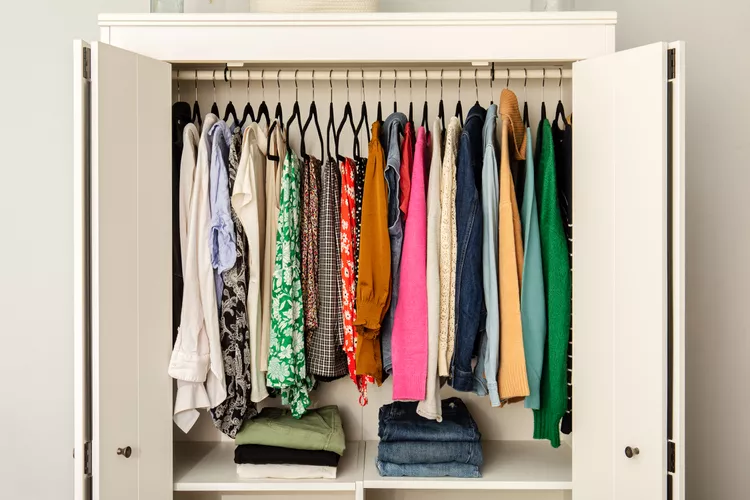
Unworn clothes in the closet quietly gather dust along shoulders, hangers, and folded stacks. When garments are crammed together, air cannot circulate, so dust settles and stays, especially on textured fabrics like wool and corduroy. Each time you slide hangers or tug out a shirt, you stir up particles that can irritate your nose and throat. Physically, that irritation can contribute to the kind of chronic, low‑level inflammation that puts extra strain on your cardiovascular system and leaves you feeling sluggish instead of refreshed after getting dressed.
Mentally, a closet packed with clothes you never wear sends a constant message of indecision and regret. You may feel guilty about money spent, weight changes, or styles that no longer fit your life, and that emotional noise spikes every morning when you choose an outfit. Decision fatigue at the start of the day can raise your stress baseline before you even leave the bedroom. By clearing out what no longer serves you and organizing what remains by category and color, you reduce dust surfaces and turn your closet into a calm, efficient space.
4) Stacks of Old Magazines and Mail
Stacks of old magazines and unopened mail are classic dust magnets. Paper fibers shed over time, and the uneven edges of envelopes and glossy covers catch airborne particles that settle into thick layers. Because these piles often live on coffee tables, kitchen counters, or nightstands, they sit right in your breathing zone. Each time you shuffle through them, you release a small cloud of dust that can irritate sensitive sinuses. Physically, that irritation can disrupt sleep and make your body work harder to maintain comfortable breathing, which adds to overall strain.
Emotionally, those stacks represent postponed decisions, from bills you have not filed to articles you keep meaning to read. Every glance reminds you of tasks undone, which keeps your brain in a low‑level alert state instead of letting it fully relax at home. That chronic sense of “I should deal with that” is a subtle but persistent stressor. Setting a weekly paper triage routine, recycling what you do not need, and moving essential documents into a simple file system clears both dust and mental backlog, making your surfaces and your schedule feel lighter.
5) Unused Kitchen Gadgets

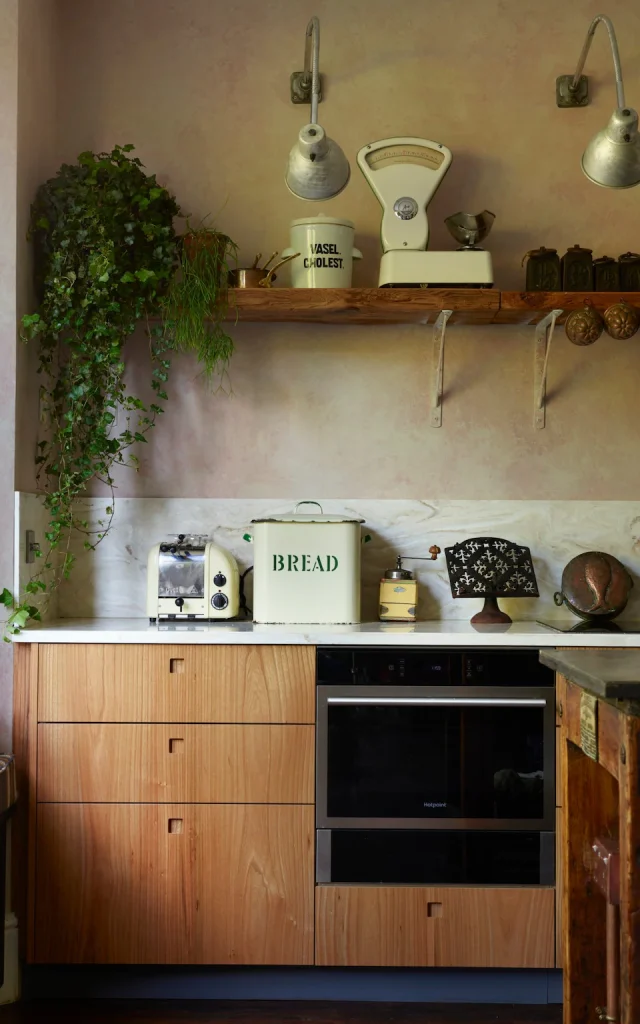
Unused kitchen gadgets, from single‑use appliances to novelty tools, often end up shoved on top of cabinets or at the back of deep shelves. Those hard‑to‑reach spots are rarely wiped, so a thick film of grease‑laden dust builds up on handles, cords, and vents. When you finally pull something down, you scatter that grime into the air and across your counters. Physically, cooking in a dusty, cluttered environment can irritate your lungs and make meal prep feel more tiring, which may nudge you toward takeout instead of healthier home‑cooked options.
There is also the stress of visual overload every time you open a cabinet and see a jumble of tools you do not use. You may feel guilty about wasted money or frustrated when you cannot quickly find the one item you actually need. That friction turns everyday cooking into a small but recurring stress event. By donating gadgets you have not touched in a year, consolidating tools with multiple functions, and keeping only essentials within easy reach, you reduce dust surfaces and restore a sense of control in the room where you nourish yourself.
6) Under‑the‑Bed Storage Bins
Under‑the‑bed storage bins seem like a smart use of space, yet they create a hidden dust corridor beneath one of the most important pieces of furniture in your home. The low clearance and infrequent cleaning mean dust bunnies, lint, and stray fibers accumulate along bin lids and bed slats. Each time you slide a container in or out, you stir up particles that float right into your sleeping area. Physically, breathing that dust for hours at night can aggravate allergies, disrupt deep sleep, and leave your body less resilient to daily stress.
On the mental side, cramming belongings under the bed can make your room feel subconsciously crowded, even if the clutter is out of sight. Many people report feeling more restless in spaces where every nook is stuffed, as if there is no margin for rest. That sense of being boxed in can raise nighttime anxiety and make it harder to wind down. Reserving under‑bed space for a few clearly labeled, sealed bins and scheduling regular vacuuming underneath helps keep dust in check and supports a calmer, more restorative sleep environment.
7) Forgotten Shelves in the Bathroom
Forgotten shelves in the bathroom, especially high ones above the toilet or door, quietly gather a mix of dust, lint, and moisture. The combination of humidity and particles from toilet flushes creates a sticky film on bottles, baskets, and decorative items. When you eventually move those objects, you release that buildup into a small, enclosed room where you are often breathing deeply during showers. Physically, this can irritate your respiratory system and make the bathroom feel stuffy, which is the opposite of the clean, refreshing experience you expect from the space.
Psychologically, cluttered bathroom shelves lined with half‑used products and expired toiletries send a message of neglect. You may feel a subtle sense of unease each time you reach for what you need and brush past items you never use. That friction can make your morning and evening routines feel rushed and disorganized, adding stress at the very start and end of your day. Clearing those shelves, keeping only current essentials, and wiping surfaces weekly reduces dust and turns the bathroom into a genuinely restorative corner of your home.
8) Displayed Collectibles and Knickknacks
Displayed collectibles and knickknacks, from figurines to travel souvenirs, create dozens of tiny ledges where dust can settle. Intricate shapes and textured surfaces are especially hard to clean, so particles accumulate in crevices and around bases. When you dust quickly or move items to wipe underneath, you often just redistribute that buildup into the air. Physically, this constant cycle of settling and stirring can aggravate sensitive airways and contribute to a background level of irritation that leaves you feeling more fatigued in your own living room.
There is also the emotional weight of managing a large collection. Each object may carry memories, but together they can overwhelm your shelves and your attention. You might feel obligated to keep everything on display, even if the overall effect is visually noisy. That sense of being responsible for so many fragile items can add low‑grade anxiety, especially when cleaning feels like a high‑stakes chore. Curating your collection to a smaller, meaningful selection and rotating pieces seasonally reduces dust surfaces and lets each item breathe, turning clutter into intentional decor.
9) Piles of Shoes by the Door
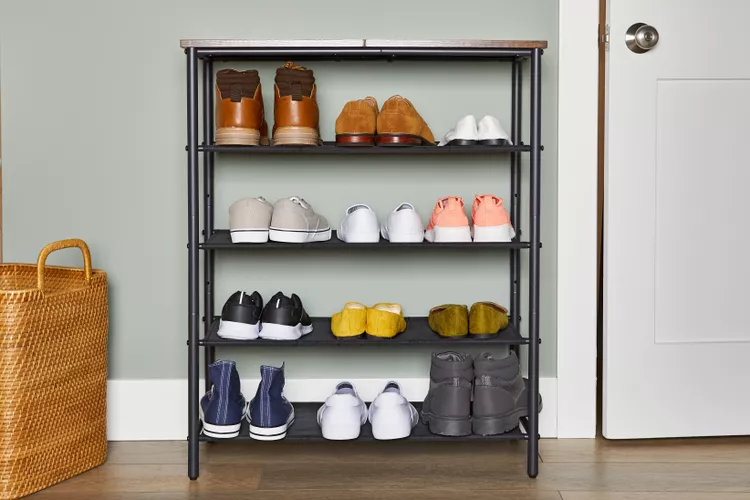
Piles of shoes by the door collect more than dust. Soles track in dirt, pollen, and tiny debris that settle around laces and treads, then spread across entryway floors. When shoes are heaped together, it is nearly impossible to clean underneath, so dust bunnies and grit accumulate in corners. Each time you kick off or grab a pair, you send particles into the air right where you inhale deeply after coming in from outside. Physically, that mix can irritate your lungs and make your home’s first impression feel stale instead of fresh.
Mentally, a chaotic shoe pile is a visual reminder of disorganization every time you leave or return. You may trip over stray sneakers, hunt for missing pairs, or feel embarrassed when guests step into the mess. Those small frustrations raise your stress level at key transition moments in the day, when you most need calm. Using a simple rack, limiting the number of shoes kept at the door, and wiping the area regularly cuts down on dust and turns your entryway into a welcoming buffer between the outside world and your private space.
10) Unused Exercise Equipment
Unused exercise equipment, such as treadmills turned into clothes racks or stationary bikes buried in a corner, quickly becomes a dust magnet. The large flat surfaces, control panels, and belts collect particles that are rarely wiped because you are not actively using the machine. When you do consider working out, you may find a layer of dust that makes the equipment feel uninviting and even unhygienic. Physically, that discourages movement, which is a key tool for managing blood pressure and overall stress, and leaves the machine as a bulky reminder of stalled intentions.
Emotionally, seeing unused gear can trigger guilt about abandoned fitness goals. That self‑criticism adds another layer of stress to the very idea of exercise, making it harder to restart. The equipment also occupies significant floor space, crowding the room and limiting how you use it. By honestly assessing what you will use, selling or donating what you will not, and keeping remaining gear clean and accessible, you reduce dust and transform exercise from a source of shame into a realistic, low‑pressure option in your daily routine.
11) Stuffed Junk Drawers
Stuffed junk drawers hide clutter behind a closed front, but inside they are dense pockets of dust and tiny debris. Loose batteries, paper clips, rubber bands, and old receipts shed particles that settle into corners and along drawer slides. Because these drawers are rarely emptied completely, dust accumulates for years, and every quick rummage stirs it up into your face. Physically, that burst of particles can irritate your nose and eyes, especially if you lean in close while hunting for a specific item, turning a simple search into a small stress on your body.
On the mental side, junk drawers symbolize postponed decisions. Every time you open one, you confront a jumble of objects you did not know where to put, which reinforces a sense of disorganization. That feeling can spill into how you perceive the rest of your home, even if other areas are tidy. The frustration of never finding what you need quickly also spikes your stress in the middle of tasks. Emptying the drawer, sorting items into clear categories, and using small containers to define zones turns it from a dust‑filled black hole into a functional tool.
12) Overloaded Nightstands
Overloaded nightstands, stacked with books, chargers, lotions, and random odds and ends, create a dense cluster of dust‑collecting surfaces right next to your head. The mix of electronics and small objects makes it hard to wipe thoroughly, so dust settles around lamp bases, cable tangles, and the edges of water glasses. At night, you are breathing inches away from that buildup for hours. Physically, this can aggravate allergies, contribute to stuffy noses, and disrupt the deep, restorative sleep your body needs to handle daytime stress without tipping into unhealthy blood pressure patterns.
Psychologically, a cluttered bedside table keeps your brain in task mode when it should be winding down. Seeing unfinished books, work notes, or multiple devices can trigger thoughts about everything you still need to do. That mental noise makes it harder to relax and fall asleep, and it can lead to restless waking during the night. Simplifying your nightstand to a lamp, a single book, and a few true essentials, while giving each item a defined spot, reduces dust and sends a clear signal to your mind that this is a place for rest, not work.
13) Decorative Curtains and Valances
Decorative curtains and valances frame your windows, but they also act like giant dust filters. Fabric panels, pleats, and folds catch airborne particles that drift in from outside or circulate through your home. Because these textiles are rarely washed as often as bedding or clothing, dust builds up along hems and gathers in the folds near curtain rods. Each time you open or close them, you release a fine cloud into the room. Physically, that can irritate your respiratory system and make the air feel heavier, especially in bedrooms and living areas where you spend long stretches of time.
There is a visual component too. Heavy, layered window treatments can make a room feel darker and more crowded, which some people experience as subtly oppressive. When light is blocked and views are cluttered by fabric, your brain may interpret the space as smaller and less open, adding to a sense of confinement. Choosing simpler, washable curtains, vacuuming along the tops and folds regularly, and skipping unnecessary valances reduces dust and lets more natural light in, which can lift your mood and lower the background stress of being indoors.
14) Electronics and Cable Clusters
Electronics and cable clusters, from entertainment centers to home office setups, are notorious dust traps. Warm devices like routers, game consoles, and power strips attract particles that cling to vents and cords. The tangle of cables behind desks and TVs is difficult to reach, so dust accumulates in thick layers that you only disturb when something needs to be unplugged. Physically, that buildup can interfere with airflow around electronics, making them run hotter and less efficiently, and it adds to the overall particle load in rooms where you may already spend long hours sitting.
Mentally, a chaotic web of wires and blinking devices creates visual noise that can make it harder to focus or relax. In a home office, that clutter can amplify work stress, while in a living room it can undercut the sense of calm you want from downtime. The frustration of tracing cords or dealing with dusty power strips also turns simple tech tasks into irritants. Using cable organizers, labeling cords, and scheduling quick vacuum sessions behind equipment reduces dust and transforms your tech zones into cleaner, more manageable parts of your home.
15) Seasonal Decor Stored Year‑Round
Seasonal decor stored year‑round, such as holiday ornaments, wreaths, and themed tableware, often lives in basements, attics, or garage shelves where dust thrives. Cardboard boxes and open bins allow particles to settle on surfaces and into fabric items like stockings or table runners. When you unpack them once or twice a year, you release months of accumulated dust into your living spaces all at once. Physically, that sudden exposure can trigger sneezing fits, itchy eyes, and irritated airways right at the start of what is supposed to be a joyful, low‑stress celebration period.
Emotionally, overflowing decor storage can make each holiday feel like a logistical project instead of a pleasure. You may dread digging through disorganized boxes, worry about fragile items breaking, or feel pressure to display everything you own. That turns traditions into obligations and adds stress to already busy seasons. Storing decor in sealed plastic containers, labeling them clearly, and editing your collection to what you truly love reduces dust and simplifies setup. As a result, you can focus more on meaningful moments and less on managing clutter that has been quietly accumulating all year.
More from Decluttering Mom: