


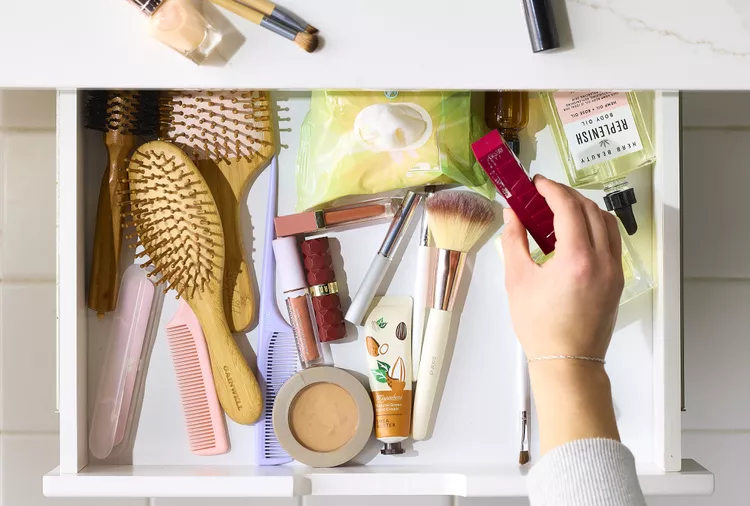
Clutter rarely arrives in one dramatic wave. It creeps in through tiny, everyday items that seem harmless until they quietly multiply overnight. By looking closely at the objects that pile up fastest, you can spot patterns and make small changes that keep your home from feeling crowded and chaotic.
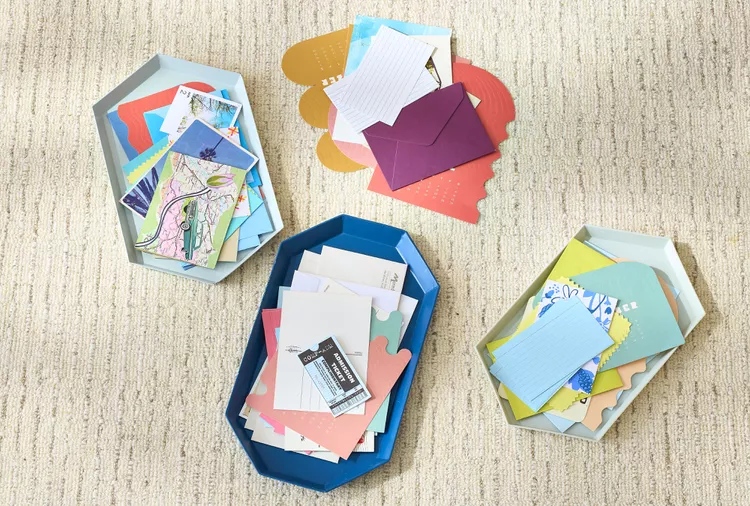
1) Paper Receipts That Fade and Pile Up
Paper receipts are a classic example of clutter that appears almost instantly. A 2022 survey by the National Association of Productivity & Organizing Professionals found that households accumulate “an average of 300 paper receipts per year, many of which pile up in drawers and become untraceable clutter within weeks due to fading ink.” That fading makes them useless for returns or budgeting, yet they still occupy space in wallets, catchall trays, and kitchen counters.
Because receipts arrive with nearly every purchase, they slip into your home under the radar and then vanish into piles you stop seeing. The stakes are practical as well as visual: when you cannot read a receipt, you lose proof of purchase, warranty support, or tax documentation. Setting a rule to scan, photograph, or immediately recycle nonessential receipts keeps them from turning into a dense layer of paper that seems to appear overnight.
2) Plastic Grocery Bags in Tangled Nests
Plastic grocery bags are another item that multiplies quickly in hidden corners. A 2021 analysis reported that plastic grocery bags “number over 500 billion annually in the U.S., with 80% ending up stuffed in kitchen cabinets where they multiply into tangled nests overnight after shopping trips.” Each store run adds a fresh batch, and even if you intend to reuse them, the volume outpaces realistic needs within weeks.
Those nests of bags crowd under-sink areas, pantry shelves, and utility closets, making it harder to reach cleaning supplies or recycling bins. The clutter is not just visual, it also reflects a broader waste problem tied to single-use plastics. By limiting how many bags you keep on hand and returning extras to store collection bins, you reduce both household chaos and your contribution to a massive waste stream that quietly grows with every checkout.
3) Daily Newspapers Stacking on Tables
Daily newspapers left on coffee tables and sideboards can turn into a slow-moving clutter drift. A 2019 study in the Journal of Environmental Psychology reported that these papers “can stack to 52 issues per year, quietly forming visual clutter that residents overlook until it overtakes living spaces.” Because each issue feels temporary, you may delay recycling, telling yourself you will read or clip something later.
Over time, that hesitation produces leaning stacks that dominate surfaces and make rooms feel busier and less restful. The research underscores how easy it is to normalize these piles and stop noticing them, even as they crowd out space for work, meals, or relaxation. Creating a simple rule, such as recycling each issue within 24 hours, keeps newspapers from transforming into a permanent fixture that arrived one day at a time.
4) Junk Mail in Entryway Stacks
Junk mail is designed to grab your attention, but it often ends up grabbing your space instead. According to the U.S. Postal Service’s 2023 junk mail report, American households receive “848 pieces of junk mail yearly, which, if not recycled immediately, accumulates in mail slots and entryways, turning into stacks that feel permanent within days.” That volume means even a week of inattention can produce a thick, intimidating pile.
Those stacks typically land in the first place you step into at home, so they shape your sense of order the moment you walk through the door. The psychological effect is significant: cluttered entryways can make you feel behind before you have even taken off your shoes. Sorting mail at the curb or recycling bin, and routing only essential items to a small, defined tray, keeps this paper flood from hardening into a semi-permanent wall of envelopes.
5) Unused Charging Cables in Desk Spaghetti
Charging cables are small, but they accumulate at a surprising rate. A 2020 review on device accessories noted that tech users “amass 10-15 unused charging cables per device over two years, often tangled in desk drawers where they silently expand into a ‘cable spaghetti’ mess after each gadget upgrade.” Every new phone, tablet, or wireless earbuds set tends to arrive with another cord, even if you already have several that work.
Those extras slide into drawers, baskets, and boxes, where they knot together with HDMI cords, Ethernet lines, and old power bricks. The result is a tangle that makes it harder to find the one cable you actually need, wasting time and encouraging duplicate purchases. By labeling, bundling, and donating or recycling truly obsolete cords, you prevent this hidden clutter from turning workspaces into a maze of wires that seems to appear overnight.
6) Mismatched Plastic Food Containers
Plastic food containers feel thrifty to save, yet they are notorious for becoming cabinet chaos. A 2022 test on kitchen storage found that households “save 200-300 plastic food containers annually from takeout and groceries, lids mismatching and stacking haphazardly in cabinets to create ‘avalanche clutter’ that builds subtly after every meal.” Each saved tub or deli container seems useful, but the lids warp, disappear, or never matched in the first place.
Over time, you end up with leaning towers of containers that collapse when you open the door, wasting time and creating frustration whenever you pack leftovers. The clutter also hides the few high-quality pieces you rely on, pushing you toward disposable options. Setting a strict capacity limit, such as one bin or shelf, and regularly matching lids to bases helps you keep only what you can actually use, so your cabinets stop erupting every time you reach for a container.
7) Orphaned Socks in Laundry Hampers
Orphaned socks are a small but persistent source of clutter that hides in plain sight. A 2018 sock industry analysis by the American Apparel & Footwear Association revealed that consumers “lose one sock from 20% of loads, leading to 50 orphaned socks per household yearly that quietly fill laundry hampers and become drawer clutter overnight.” Each missing partner turns into a question mark you hesitate to discard.
Those single socks accumulate in laundry rooms, baskets, and dresser drawers, taking up space while you wait for matches that rarely reappear. The clutter is not just physical, it also slows down laundry routines as you sort and resort piles looking for pairs. Creating a dedicated, time-limited “lost sock” bag and clearing it out monthly keeps this trickle of textiles from turning into a permanent, mismatched mountain.
8) Instruction Manuals on Shelves
Instruction manuals for furniture and appliances often outlive your memory of ever needing them. The 2021 sustainability report from IKEA indicated that manuals “total 50-100 pages per item, with multiples piling in shelves where they turn into forgotten stacks within a month of assembly.” Each new bookcase, blender, or smart TV adds another thick booklet to your home.
Because you rarely reference these manuals after the first setup, they migrate to random shelves, file boxes, or kitchen drawers, where they quietly form dense paper blocks. The stakes show up when you actually need troubleshooting help and cannot find the right booklet among dozens. Checking whether digital versions exist, then keeping only a slim, labeled folder for truly essential print manuals, prevents this slow-growing archive from swallowing valuable storage space.
9) Gift Wrapping Scraps in Closets
Gift wrapping supplies are highly seasonal, which makes their clutter feel invisible for much of the year. A 2023 guide on holiday organizing cited that leftover gift wrapping paper and ribbons from holidays “accumulate 20-30 scraps per event, stuffed into closets where they wrinkle and tangle into unusable clutter by the next season.” After birthdays or December celebrations, you may tuck partial rolls and short ribbon pieces into bags, planning to reuse them.
By the time the next event arrives, those scraps are crushed, torn, or too small to cover anything substantial, yet they still occupy shelf and floor space. The result is overstuffed closets where you cannot see what you actually have, leading to duplicate purchases of tape, tags, and full rolls. Sorting immediately after each event, keeping only intact, sizable pieces, and storing them in clear containers helps you avoid a yearly surprise of crumpled, unusable wrapping clutter.
10) Saved Bottle Caps in Jars
Bottle caps seem insignificant, but they can quietly spread across your home. The EPA’s 2020 plastic waste summary stated that U.S. consumers discard “60 million bottle caps daily, but saved ones in recycling bins or jars quietly multiply to hundreds per household, forming scattered clutter on counters overnight.” Whether you keep them for crafts, recycling programs, or habit, the numbers add up quickly.
Caps roll into drawer corners, under appliances, and across countertops, creating a constant sense of small, loose debris. They also highlight a larger issue: the sheer volume of single-use packaging that passes through your kitchen. If you choose to collect caps for a specific project or drop-off, setting a firm container limit and a clear end date keeps the collection purposeful instead of letting it sprawl into every available jar and dish.
11) Old Keys in Bowls
Old keys are a classic “just in case” item that rarely finds a real purpose. A 2019 locksmith association survey found that people “keep 5-10 old keys per decade from moved homes or lost sets, accumulating in key bowls where they become a jangling pile of obsolete clutter within weeks.” Each move, lock change, or car upgrade leaves behind metal you are reluctant to throw away.
Those keys settle into entryway dishes, junk drawers, and garage shelves, where they mix with current keys and make it harder to grab the right one quickly. The clutter also reflects unresolved decisions about past homes, storage units, or vehicles. Labeling active keys and separating them from unidentified ones, then responsibly recycling or disposing of the truly obsolete, turns your key bowl back into a functional tool instead of a metal graveyard.
12) Promotional Stickers on Surfaces
Promotional stickers arrive tucked into packages, mailers, and event swag, and they often migrate onto every nearby surface. According to a 2022 Sticker Mule marketing report, these freebies “total 100-200 per year, peeled and stuck randomly on surfaces or notebooks, quietly covering items in layered, peeling clutter.” Each sticker feels fun and harmless, especially when it features a favorite brand or design.
Over time, though, they coat laptops, water bottles, notebooks, and even furniture, creating a busy visual field that is hard to clean and harder to reverse. Peeling, half-removed stickers leave residue that attracts dust and makes items look worn before their time. Setting a personal limit, such as one dedicated sticker surface or a single notebook, helps you enjoy the designs without letting them spread into a patchwork of clutter across your belongings.
13) Dried Flowers Scattering Dust
Dried flowers and plant trimmings often start as intentional decor, then quietly cross the line into debris. A 2021 gardening study by the Royal Horticultural Society noted that “dried flower arrangements or potted plant trimmings left on windowsills desiccate into 20-30 brittle pieces monthly, scattering as dusty clutter that builds unnoticed overnight.” Petals, leaves, and stems break apart with every draft or touch.
Those fragments settle on sills, radiators, and floors, contributing to dust levels and making cleaning more frequent and tedious. The visual effect is subtle but real, turning what was once a fresh focal point into a reminder of neglect. Regularly refreshing arrangements, composting trimmings promptly, and limiting how many dried displays you keep at once prevents your greenery habit from morphing into a steady source of fine, flaky clutter.
14) Unread Magazines on Nightstands
Unread magazines and books are aspirational objects that can quickly become physical to-do lists. The Book Industry Study Group’s 2023 data showed that these items “pile to 24 issues or 12 volumes per subscriber annually, stacking on nightstands where they form teetering clutter towers within a single month.” Each new issue or title represents something you intend to read when life slows down.
As they accumulate, those stacks crowd out lamps, water glasses, and alarm clocks, and they can even pose a tipping hazard. The psychological weight is just as heavy, since every untouched spine can feel like a missed goal. Choosing a strict cap, such as a single magazine holder or a maximum of three unread books by the bed, helps you stay realistic about your time and keeps your nightstand from turning into a leaning tower of postponed plans.
15) Printed Photos in Boxes
Printed photos and notes from apps bridge your digital and physical life, but they can also overflow storage spaces. A 2020 digital declutter report by Common Sense Media stated that these items “accumulate 50-100 items yearly when not digitized, slipping into albums or boxes to quietly expand into attic clutter after each family event.” Every birthday collage, school printout, or photo strip adds to the pile.
Because these papers feel sentimental, you may postpone sorting, tucking them into shoeboxes, plastic bins, or rarely opened albums. Over years, that habit fills closets, basements, and attics with unsorted memories that are hard to access and vulnerable to damage. Setting aside regular time to curate, label, and selectively digitize key images lets you preserve what matters most while preventing your keepsakes from turning into yet another layer of overnight clutter.
More from Decluttering Mom: