


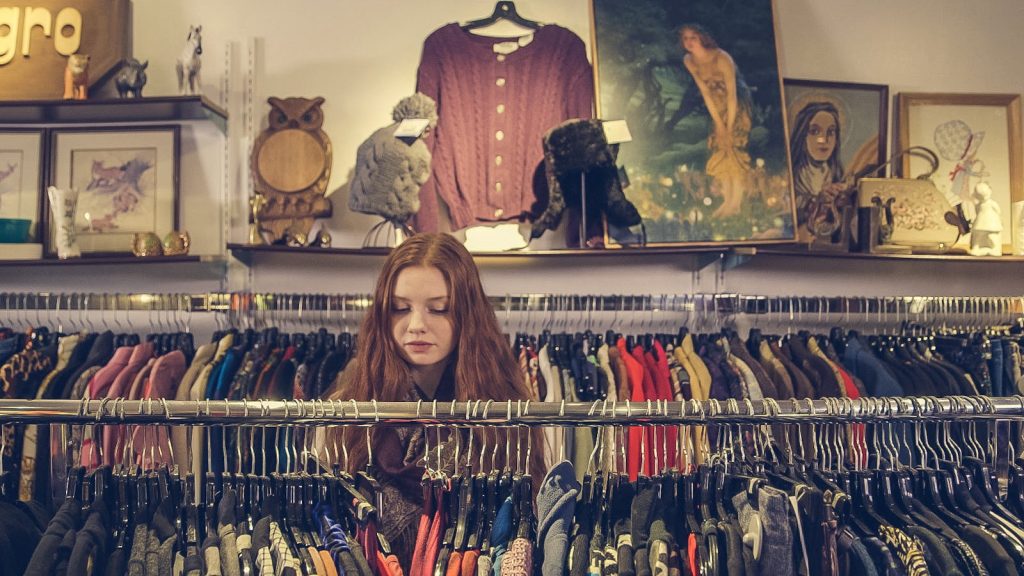
As a thrifty shopper, I’ve spent countless hours scouring the racks and shelves of thrift stores, hunting for those unique finds that make the treasure hunt worth it. But, not all thrift store purchases are bargains. Sometimes, the allure of a low price tag can blind us to red flags that scream, “Don’t buy it!” I’ve learned the hard way that it’s crucial to be discerning and observant while thrift shopping. This doesn’t mean we should stop visiting our favorite thrift stores. Instead, we need to be more mindful of what we add to our carts. Here, I’ve compiled 15 thrift store red flags based on my personal experiences and expert advice.
1. Overly Worn or Damaged Items

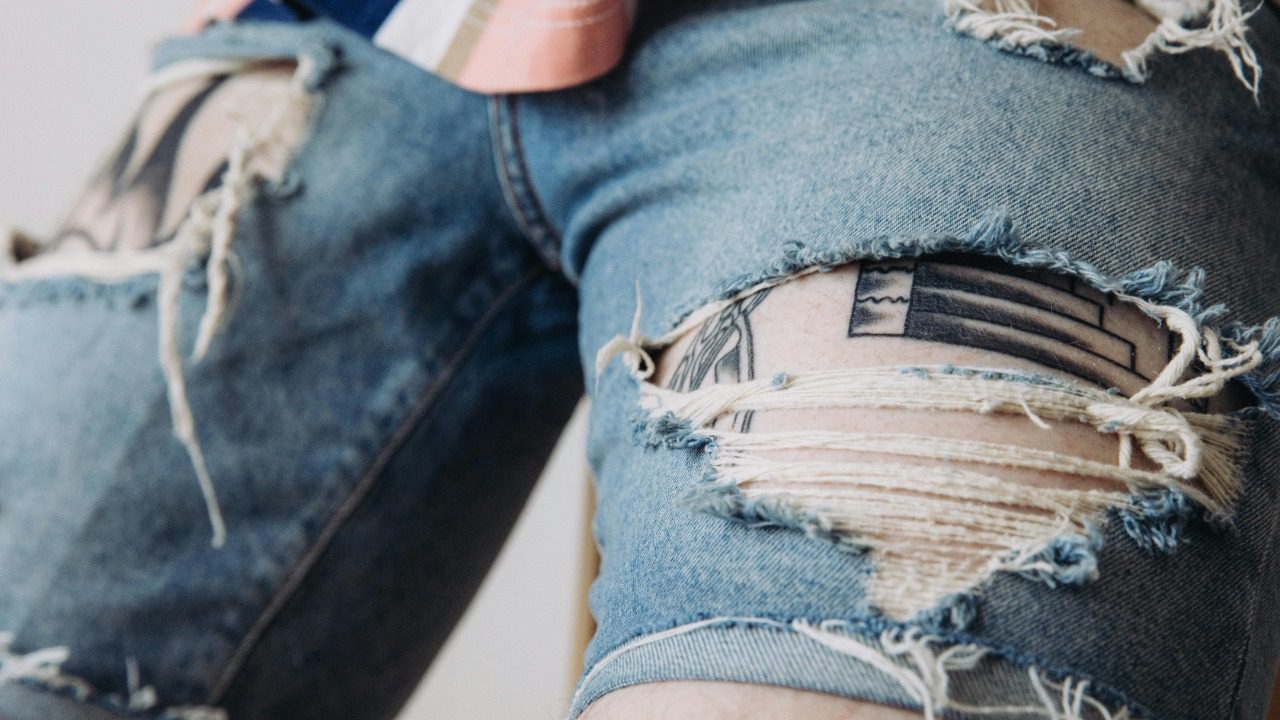
Some wear and tear are to be expected with thrift store items, but excessively worn or damaged goods are a no-go. Look for items with significant stains, rips, or missing parts. Even if it’s a designer item, the cost and effort to repair it may not make it worth the price.
2. High Prices for Common Items
Part of the thrill of thrift shopping is getting a great deal, but be wary of high prices for common items. If a thrift store is pricing a used paperback book or a simple glass vase like a rare collectible, it might not be the best place to find a bargain. You can often find these items cheaper elsewhere.
3. Lack of Cleanliness in the Store

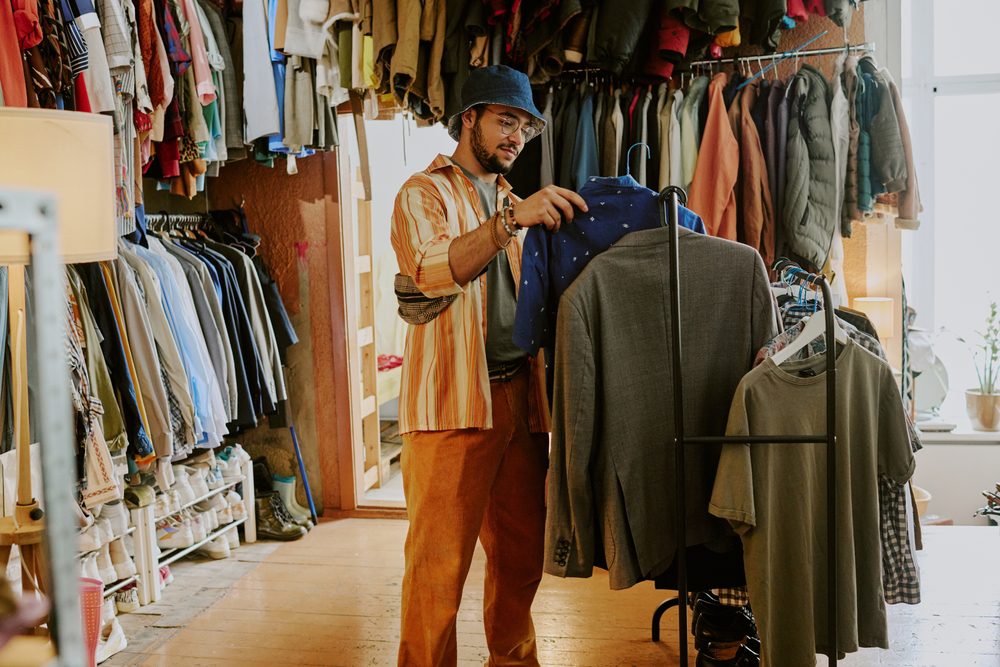
A clean, organized store is a good sign that the items have been cared for. Conversely, a dirty, cluttered store can indicate that the items may not be in the best condition. If the store doesn’t care about its environment, they may not care about the quality of their items either.
4. Items Without Price Tags

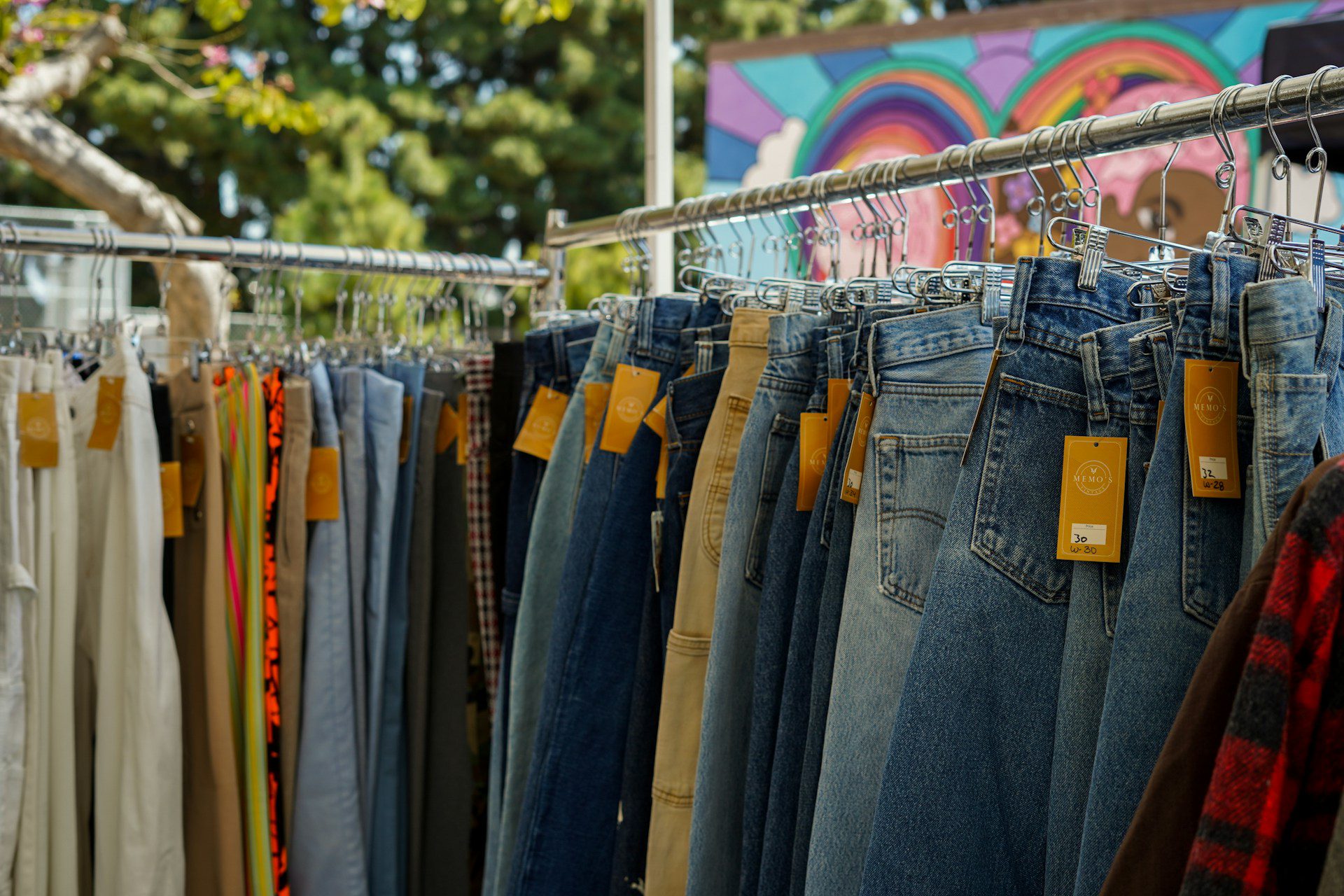
Items without price tags can be a tricky terrain. While some stores may simply have forgotten to tag an item, others may use this as an opportunity to overcharge. Always ask for the price before taking it to the counter.
5. Unwashed Clothing

Thrift shopping is eco-friendly and budget-friendly, but hygiene should not be compromised. Look for signs that the clothing has been cleaned before being put on the rack, such as a fresh smell or clean tags. If the clothes seem unwashed, it’s better to pass.
6. Faulty Electronics
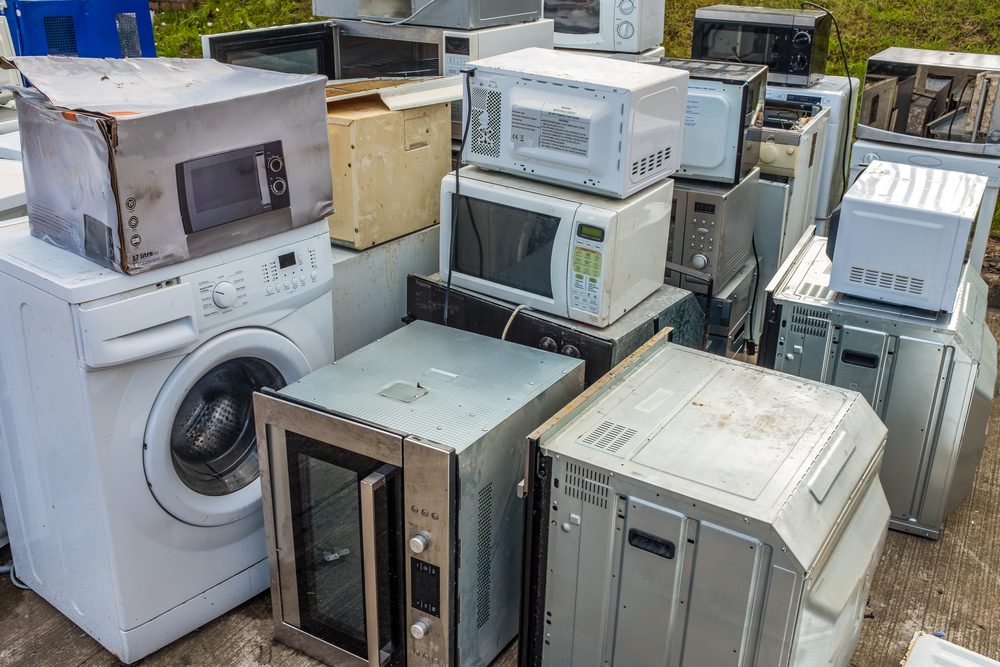
Electronics are a tricky category in thrift stores. It’s essential to test them in the store if possible. If the store doesn’t allow testing or if the item doesn’t work properly, it’s best to walk away.
7. Outdated or Recalled Items
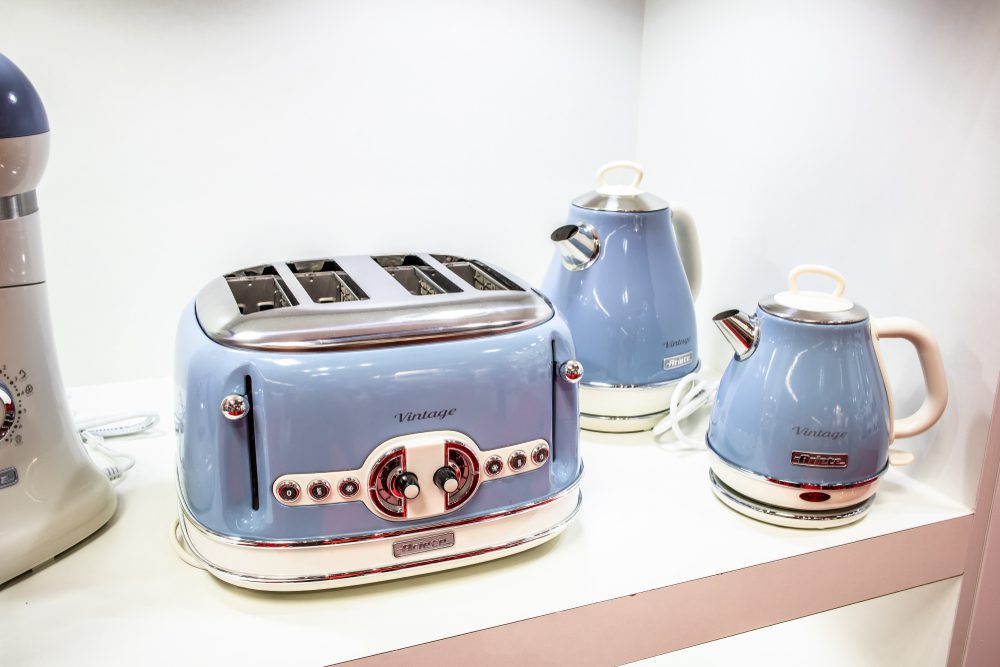
Thrift stores sometimes carry items that have been recalled or are outdated, like old car seats or vintage toasters. These items may not meet current safety standards, so it’s better to avoid them. You can check the Consumer Product Safety Commission’s website for a list of recalled items.
8. Furniture with Bed Bug Infestation Signs


Buying second-hand furniture can be a great way to save money, but it can also bring unwanted guests into your home, such as bed bugs. Look for signs of infestation, like small, dark spots on the furniture.
9. Products with Missing Pieces or Parts


Whether it’s a board game with missing pieces or an appliance missing a crucial part, incomplete items should generally be passed by. It can be hard to find replacements for these missing pieces, making the item useless.
10. Counterfeit Brand-Name Items
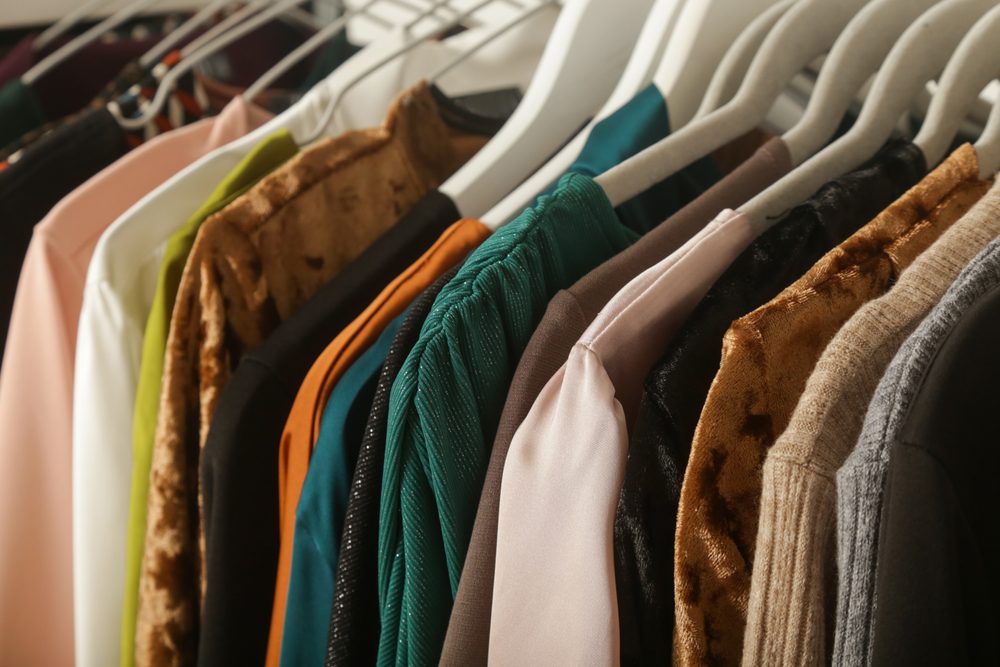
Thrift stores sometimes unknowingly carry fake brand-name items. If the price seems too good to be true for a high-end designer item, it might be a counterfeit. Look for signs of authenticity, such as quality materials and correct logos.
11. Items with Odors
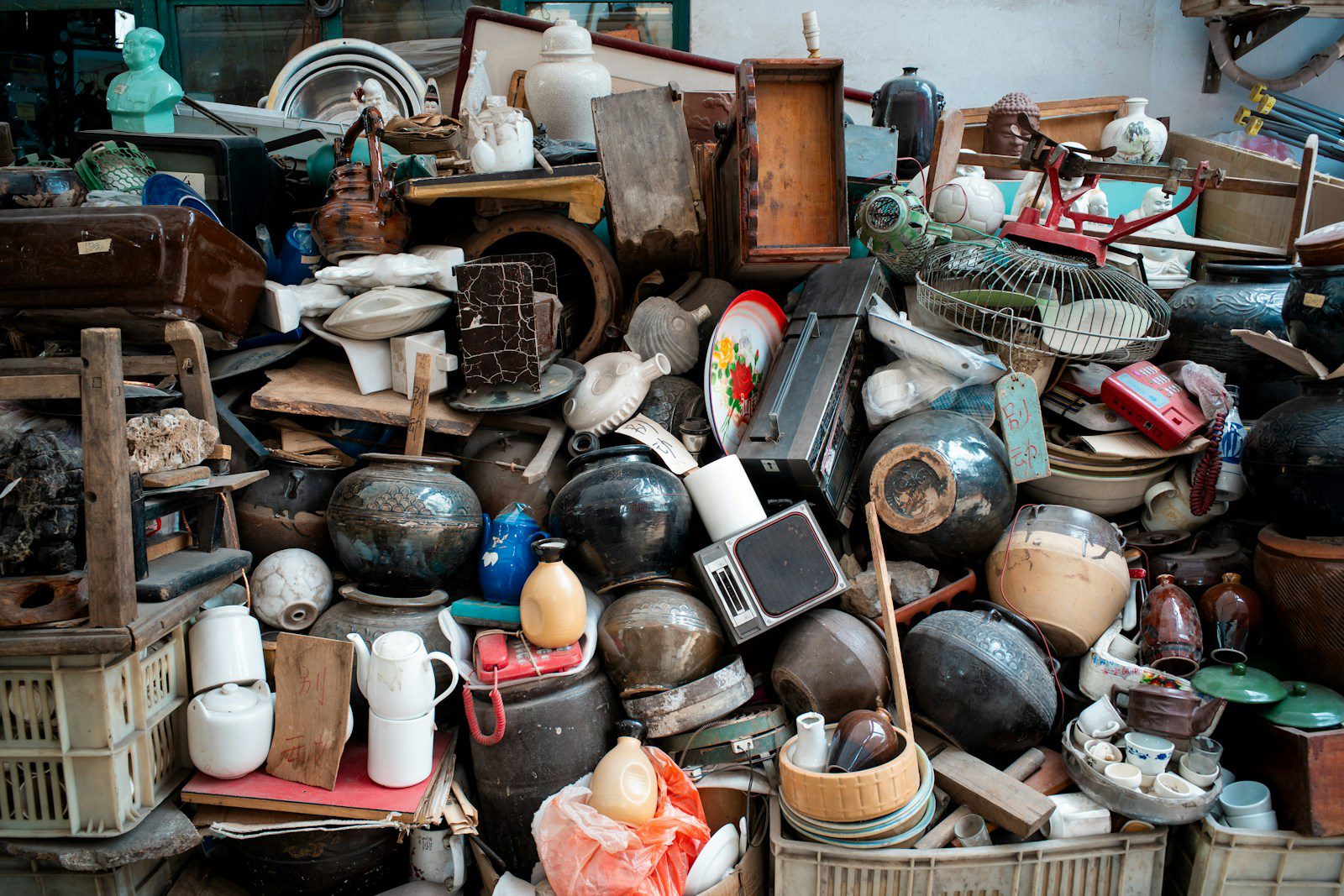
Thrift stores can sometimes have a distinctive smell due to the variety of items they carry. But if an individual item has a strong, unpleasant smell, it’s best to leave it behind. This could indicate mold, mildew, or other issues.
12. Thrift Store Without a Return Policy
A good thrift store should have a reasonable return policy. After all, sometimes items don’t work out the way we expect them to. If a thrift store has no return policy, it can indicate a lack of concern for customer satisfaction.
13. Stained or Discolored Items

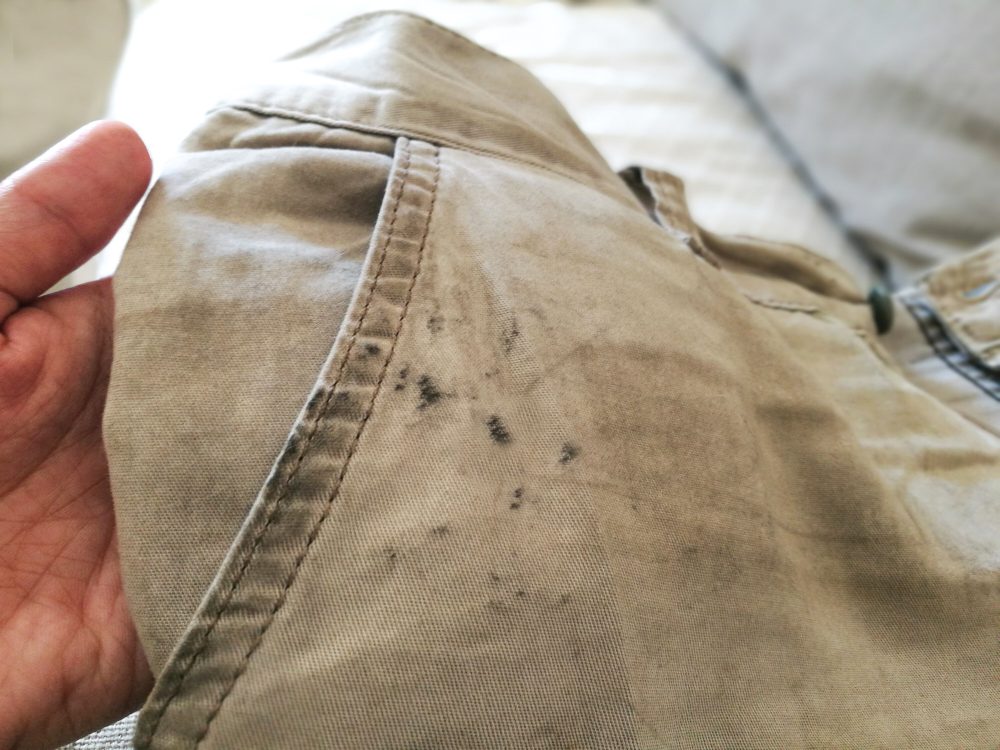
Items with stains or discoloration can be a major red flag. These issues are often hard to fix and can make the item look old and worn. Even if the item is cheap, it might not be worth the effort to try to clean or restore it.
14. Items That Seem Too Good to Be True
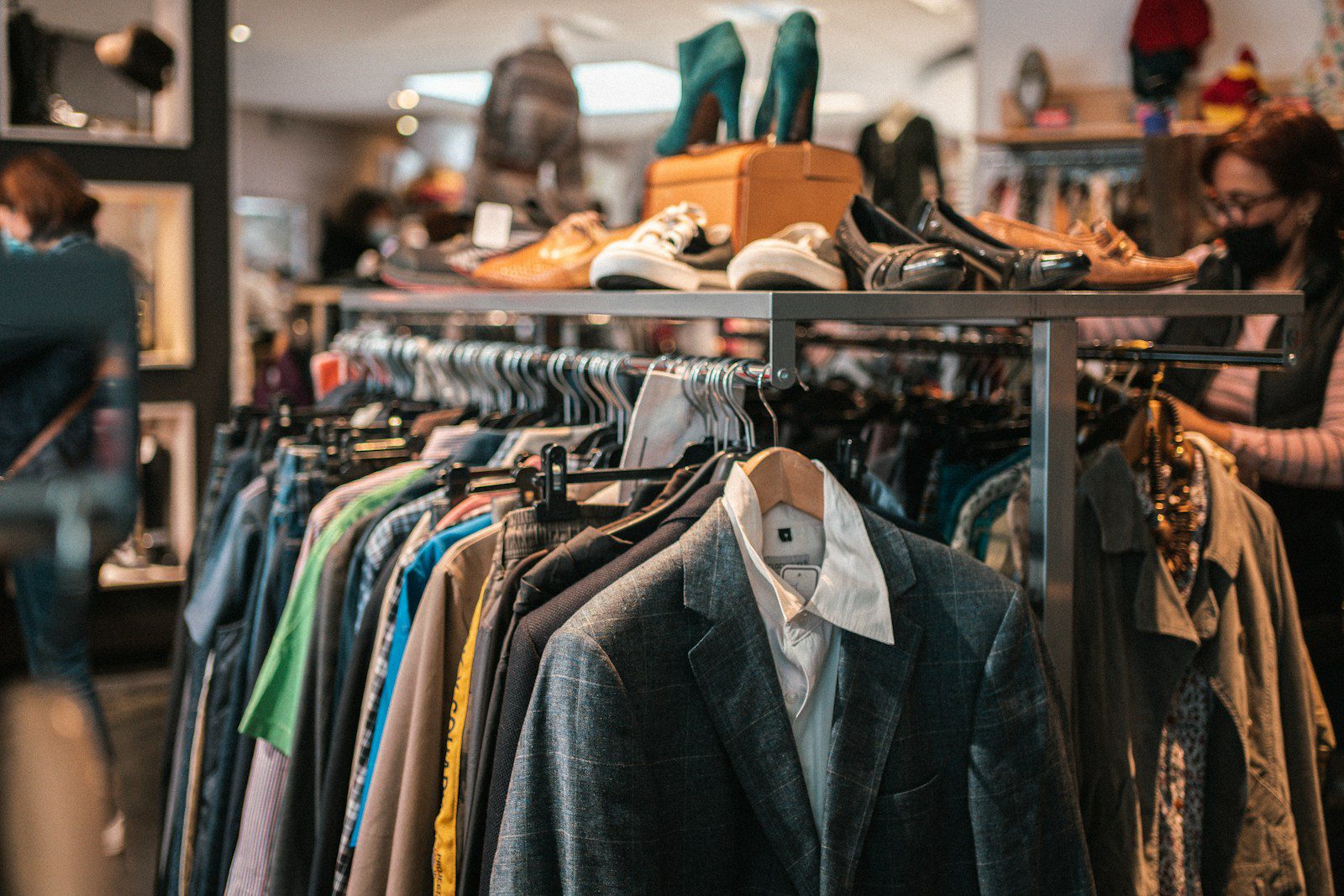
As the saying goes, if something seems too good to be true, it probably is. Be skeptical of items that are priced way below their value. They might be damaged, counterfeit, or stolen.
15. No Evidence of Proceeds Going to Charity

Many thrift stores are run by charities and use their proceeds to fund various causes. If a thrift store isn’t clear about where its profits go, it’s worth asking. Shopping at thrift stores that support charities is a great way to make your money go further.
Remember, these red flags don’t mean you should stop thrift shopping. Instead, use them as a guide to make better purchasing decisions. Happy thrifting!