


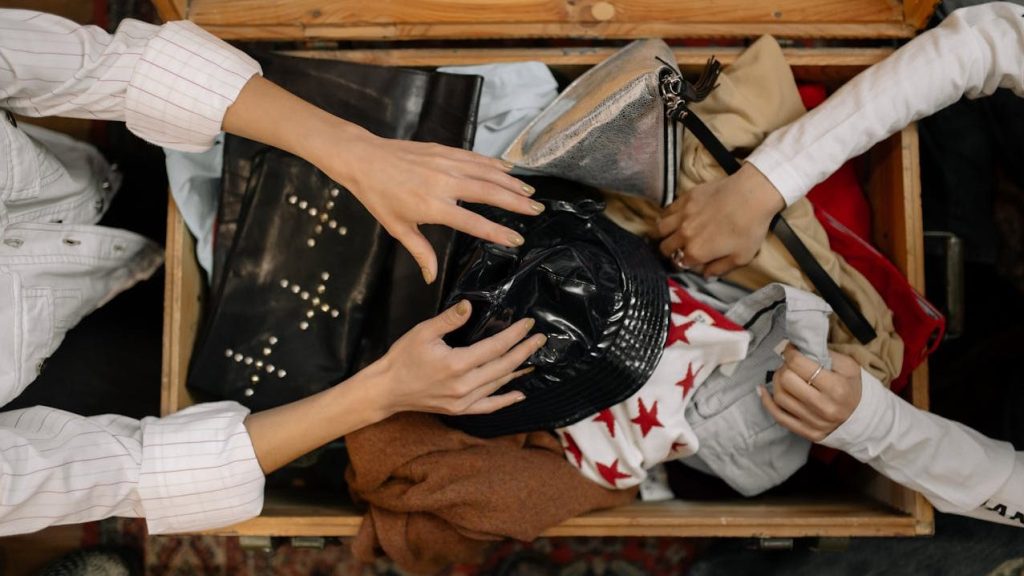
Clutter might seem like just a nuisance, but it can quietly impact your finances more than you realize. When your space is disorganized, it often leads to unnecessary spending, missed payments, and wasted resources without you noticing.
Understanding how clutter affects your wallet can help you make smarter decisions and save money in the long run. Taking control of clutter isn’t just about tidying up; it’s about protecting your financial well-being.
Spending extra on cleaning supplies to manage clutter


When clutter piles up, you often need more cleaning products to keep your space tidy. This means buying extra sprays, wipes, or tools just to handle the mess.
Sometimes, you might even spend money on specialized items like organizers or bins. These costs add up over time, making clutter more expensive than you realize.
Replacing lost or damaged items repeatedly


When you have clutter, it’s easy to misplace things. Losing items means you often buy replacements unnecessarily.
Damaged items can also get overlooked among the mess, so instead of fixing them, you might just buy new ones.
This cycle quietly drains your wallet over time. Creating simple systems for your belongings helps reduce these repeat purchases, saving you money and stress.
Paying for junk removal services


Removing clutter often means you’ll need to pay for junk removal services. These costs can add up, especially if you have a lot to get rid of or items require special disposal.
While hiring help saves time and effort, it’s important to budget for these fees. Planning ahead can prevent unexpected expenses and keep your cleanup process smooth.
Buying duplicates of misplaced items

When you can’t find something, like scissors or chargers, you might buy another one without realizing you already have it. This leads to spending extra money on items you don’t really need.
Keeping your space organized helps you spot what you own. It also saves you from making unnecessary purchases and keeps your budget in check.
Higher electricity bills from clutter blocking vents

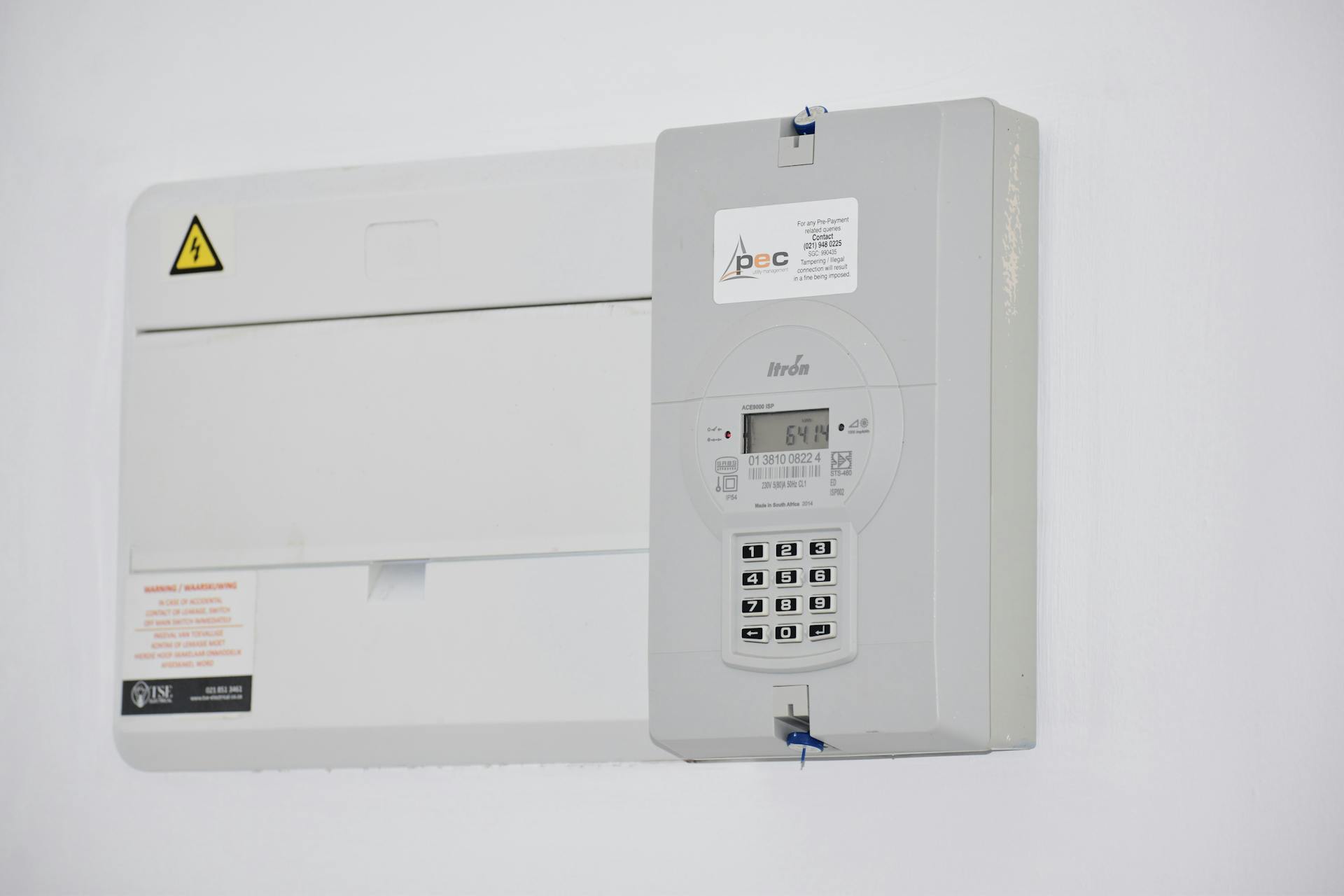
When clutter blocks your vents, your heating and cooling systems have to work harder. This extra effort uses more electricity, which increases your bills.
You might not notice blocked vents at first, but over time, this hidden issue adds up. Clearing clutter around vents helps your HVAC system run efficiently.
By keeping vents clear, you prevent your energy costs from sneaking higher without obvious reasons. It’s a simple step to save money and improve your home’s comfort.
Expensive plug-in air fresheners and sprays


You might not realize how much money you spend on plug-in air fresheners and sprays. Some popular options can cost quite a bit, especially if you prefer long-lasting or specialty scents.
These products often require frequent replacements, which adds up over time. Choosing cheaper or natural alternatives can help you save without sacrificing freshness.
Keep in mind, using plug-in air fresheners constantly also uses electricity. Cutting back can lower your bills and reduce clutter from unnecessary purchases.
Frequent purchases to replace forgotten pantry items

You may find yourself buying ingredients you already have but forgot about deep in your pantry. Expired or spoiled food often goes unnoticed, leading you to replace items unnecessarily.
When you don’t keep your pantry organized, it’s easy to lose track of what’s available. Regularly checking and clearing out old products helps you avoid spending extra money on things you don’t actually need.
Accumulating late fees from misplaced bills


When clutter hides your bills, it’s easy to miss payment deadlines. This can lead to late fees that add up quickly and drain your budget.
Late payments might also hurt your credit score, making future borrowing more expensive. Staying organized helps you avoid these unnecessary costs.
Using systems like online bill pay can keep you on track. It reduces the chance of losing paper bills and saves time hunting for envelopes and stamps.
Paying for health treatments due to clutter-related accidents

Clutter can increase the risk of trips, falls, and other accidents in your home. These mishaps often lead to medical treatments that cost you money and time.
When your living space is crowded or disorganized, it becomes easier to bump into things or fall. The medical bills from these injuries add up quickly.
Keeping your environment tidy helps reduce these risks and protects both your health and your wallet.
Wasting money on impulse buys triggered by cluttered spaces


When your space is cluttered, it’s easy to lose track of what you already own. This often leads to buying duplicates or unnecessary items.
Clutter can also create stress, making you more vulnerable to impulse shopping as a quick way to feel better. You might find yourself reaching for things you don’t need, just to create a sense of control.
Clearing clutter helps you see what you have clearly, reducing the urge to buy things on a whim.
More frequent dry cleaning from clutter-related spills

When clutter accumulates, it’s easier for spills to happen. Drinks or food knocked over on piles of clothes or fabric can cause stains.
These stains often require professional cleaning, which adds up over time. Avoiding clutter reduces the risk of accidents like this.
Keeping your space tidy helps protect your clothes and upholstery. Fewer spills mean fewer trips to the dry cleaner, saving you money.
Subscription services overlooked due to disorganization


You might be paying for subscription services you no longer use or need. When your digital and physical clutter grows, it’s easy to lose track of what you’re subscribed to.
This disorganization means you could be spending money on multiple streaming platforms, subscription boxes, or apps without realizing it. Taking time to review and cancel unused subscriptions helps you save money and regain control of your finances.
Spending on quick meals instead of cooking at home


When you rely on quick meals or takeout, the costs add up faster than cooking at home. It’s easy to underestimate how much small purchases can drain your budget over time.
By cooking at home, you control the ingredients and portion sizes, which can save money and reduce food waste. Planning simple meals ahead helps you avoid impulsive spending on convenience foods.
Extra pet care costs caused by clutter hazards

When your home is cluttered, it’s easier for pets to get injured. Sharp objects or small items left around can cause cuts or choking hazards.
Messy spaces also increase the chance of your pet ingesting something harmful. This can lead to vet visits and expensive treatments.
Keeping clutter under control helps protect your furry friends and avoids unexpected pet care expenses. It’s a simple way to keep both your home and wallet safer.
Paying for extra storage units


You might be paying monthly fees to rent storage units for items you rarely use. This cost adds up quickly without providing much real benefit.
Often, clutter at home pushes you to look for outside space. Decluttering can help you avoid these extra expenses and keep your money where it belongs— with you.