


We’ve all been there – that moment when you feel overwhelmed by the amount of stuff you have in your house. You start to wonder, “How did I accumulate all of this?” and more importantly, “How much money did I spend on all of this?”
Well, it turns out, clutter not only costs you your peace of mind, but it also directly impacts your wallet. Here are 15 ways in which clutter wastes your money.
1. Buying Duplicate Items


When your home is filled with clutter, it’s easy to lose track of what you own. This can lead to buying duplicate items because you can’t find the original or didn’t even remember you had it in the first place.
For example, how many times have you bought a new pack of batteries, only to stumble upon a stash hiding in the back of a junk drawer a week later? Or maybe you’ve purchased a new book, only to realize it’s already on your overflowing bookshelf. Each of these unnecessary purchases is money wasted.
2. Paying for Storage Space


If your home is so cluttered that you have to pay for extra storage space, you’re literally throwing money away. Most storage facilities charge by the month, and the costs can add up significantly over time.
If you’re paying $100 a month to store items you don’t use or need, that’s $1,200 a year. Over five years, you’ve spent $6,000 to store clutter. Instead, consider selling, donating, or tossing items you no longer need and put that money to better use.
3. Increased Stress and Mental Health Costs


Research shows that clutter can increase stress and anxiety, which can lead to higher costs for mental health care and medication. Not to mention, it can also lead to lost productivity, which can impact your income.
If you’re constantly feeling overwhelmed by your clutter, it might be time to seek help from a professional organizer or therapist. But these services come at a cost. By simply reducing the amount of clutter in your home, you can save money and improve your mental health.
4. Higher Cleaning Costs

The more stuff you have, the more time and money it takes to clean. You may need to buy more cleaning supplies or even hire a cleaning service to manage the clutter.
For example, if you have cluttered spaces that collect dust, you might have to buy extra dusting supplies or air purifiers. Or if you have so much clutter that it’s too overwhelming to clean yourself, you might resort to hiring a cleaning service. All of this adds to your expenses.
5. Late Payment Fees


When you’re surrounded by clutter, it’s easy to lose track of bills and miss payment deadlines. Late payment fees can add up quickly and can even affect your credit score.
If you’ve ever misplaced a bill in a pile of paperwork or forgotten about it completely because it was out of sight, you know how easy it is to rack up late fees. By organizing your paperwork and setting up automatic payments, you can avoid late payment fees and save money.
6. Lost Gift Cards and Checks

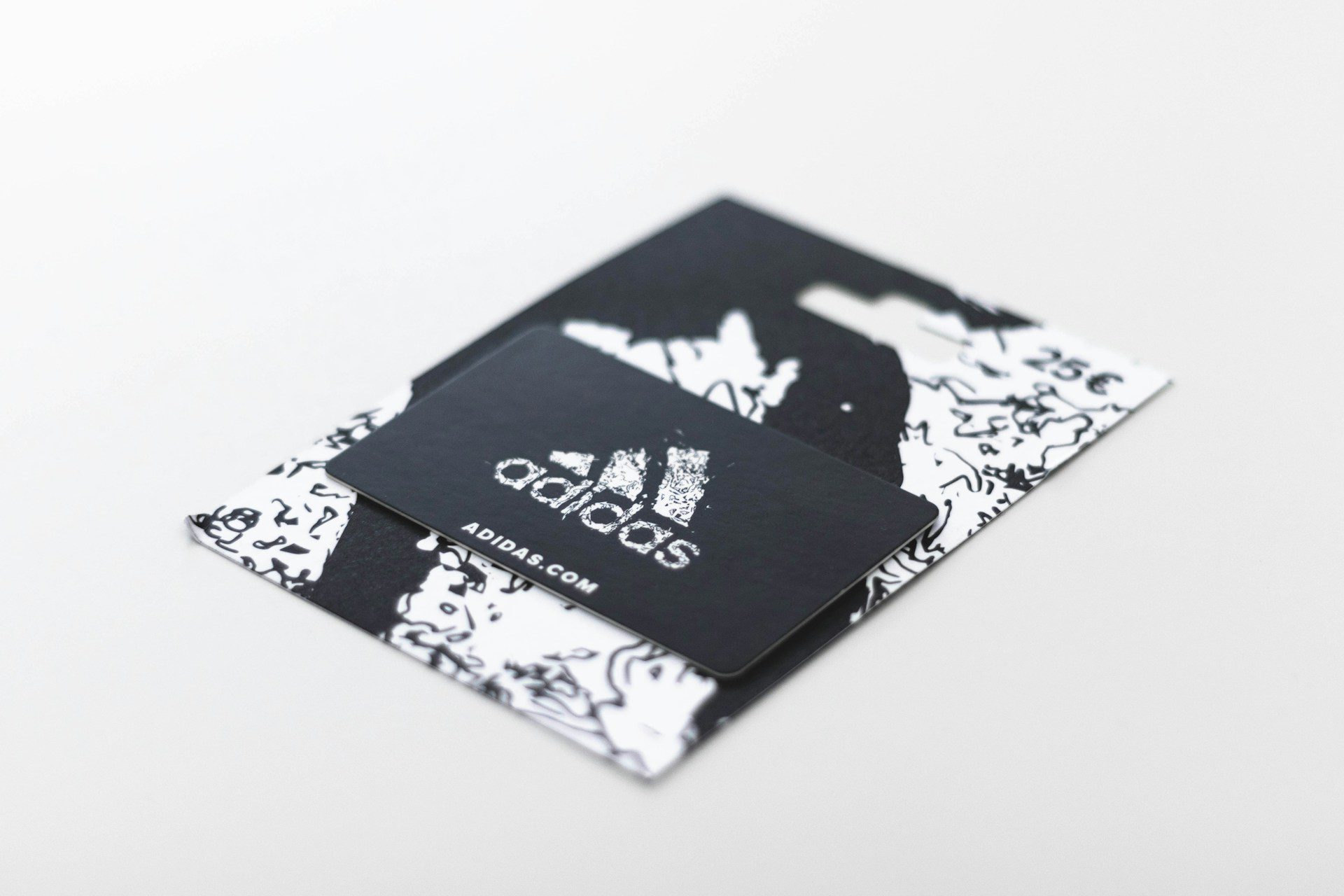
How many times have you stumbled upon an old gift card or check buried in a drawer or pile of papers? These lost items are like finding free money, but think about how much you lost by not using them when you first received them.
If you regularly misplace gift cards or checks because of clutter, you’re losing out on money. Consider creating a dedicated space for these items so you can easily find them and use them before they expire.
7. Reduced Home Value


Clutter can actually reduce the value of your home. Potential buyers can have a hard time seeing past the clutter and may be less likely to make an offer, or they might offer less than your asking price.
If you’re planning to sell your home, consider decluttering before you put it on the market. A clean, clutter-free home is more appealing to buyers and can potentially lead to a higher selling price.
8. Damage to Items

When you have too much stuff, it’s hard to store everything properly. Items can get damaged due to improper storage, leading to unnecessary replacement costs.
For example, if you just toss tools into a cluttered garage without proper storage, they can get rusty or damaged. Or if you pile books too high on a shelf, they can fall and get damaged. Taking the time to organize and properly store your belongings can save you money in the long run.
9. Wasted Groceries
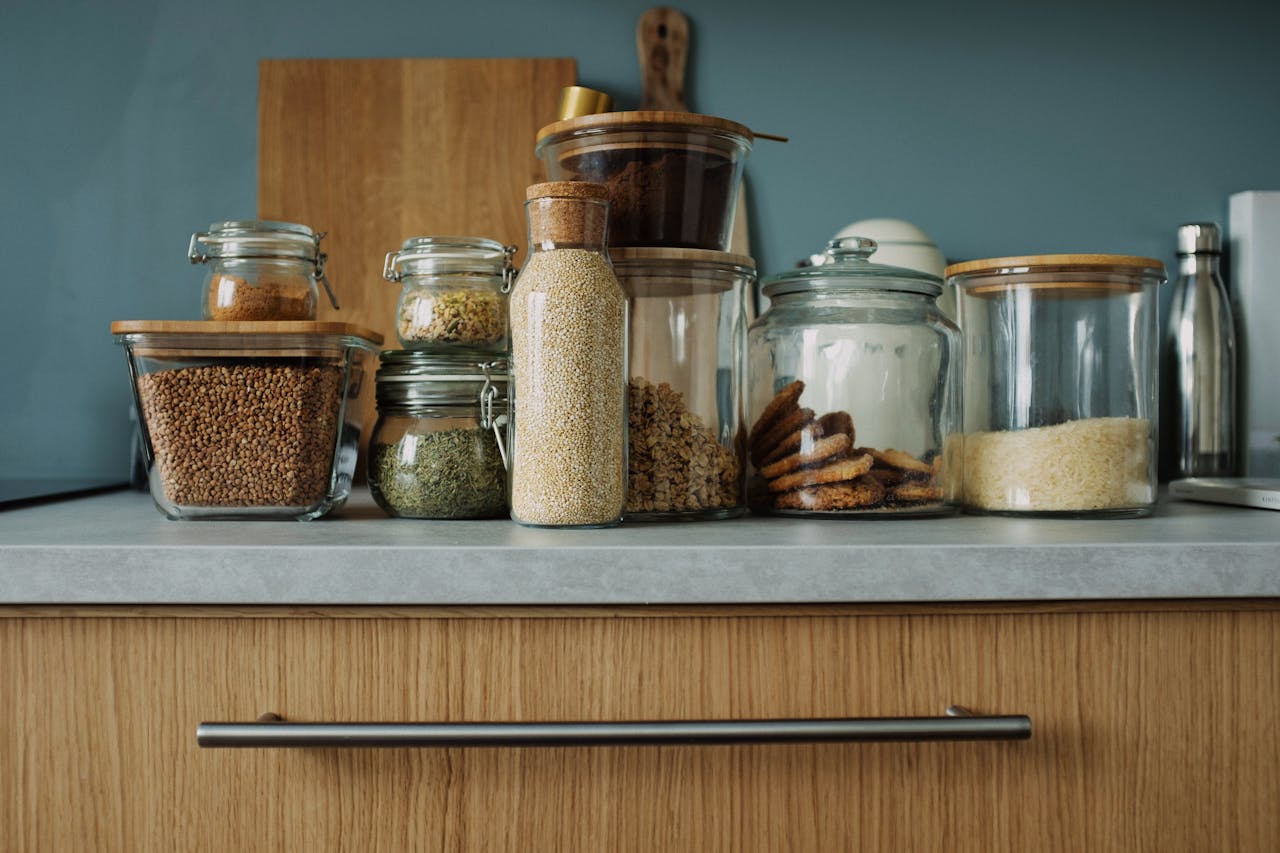
A cluttered pantry or fridge can lead to wasted food and money. If you can’t see what you have, you might buy duplicates or let food go bad.
Making a meal plan and organizing your pantry and fridge can help you save money on groceries. You’ll be less likely to buy items you already have and more likely to use items before they expire.
10. Buying Items to Organize Clutter

Ironically, clutter can lead to spending more money on storage solutions. But buying more stuff to organize your stuff is just treating the symptom, not the cause.
Instead of buying more storage containers, shelves, or cabinets, consider decluttering first. You might find that you don’t need more storage solutions, just less stuff.
11. Higher Energy Bills


A cluttered home can also lead to higher energy bills. Clutter can block vents and make your heating and cooling system work harder, leading to higher utility bills.
Ensuring that your vents are clear and your heating and cooling system can work efficiently can help you save money on your energy bills. Plus, decluttering can make your home more comfortable and inviting.
12. Impulse Purchases

Clutter can make it hard to find what you need, which can lead to impulse purchases. These unplanned purchases can add up and strain your budget.
If you’ve ever bought something you needed because you couldn’t find the one you already owned, you know how frustrating and costly this can be. By keeping your home organized, you can avoid impulse purchases and save money.
13. Cost of Moving

When it’s time to move, having less stuff can save you money. Whether you’re hiring movers or renting a truck, the cost is usually based on the amount of stuff you have.
By decluttering before you move, you can save money on moving costs. Plus, you’ll have less to unpack in your new home, which can save you time and stress.
14. Missed Returns

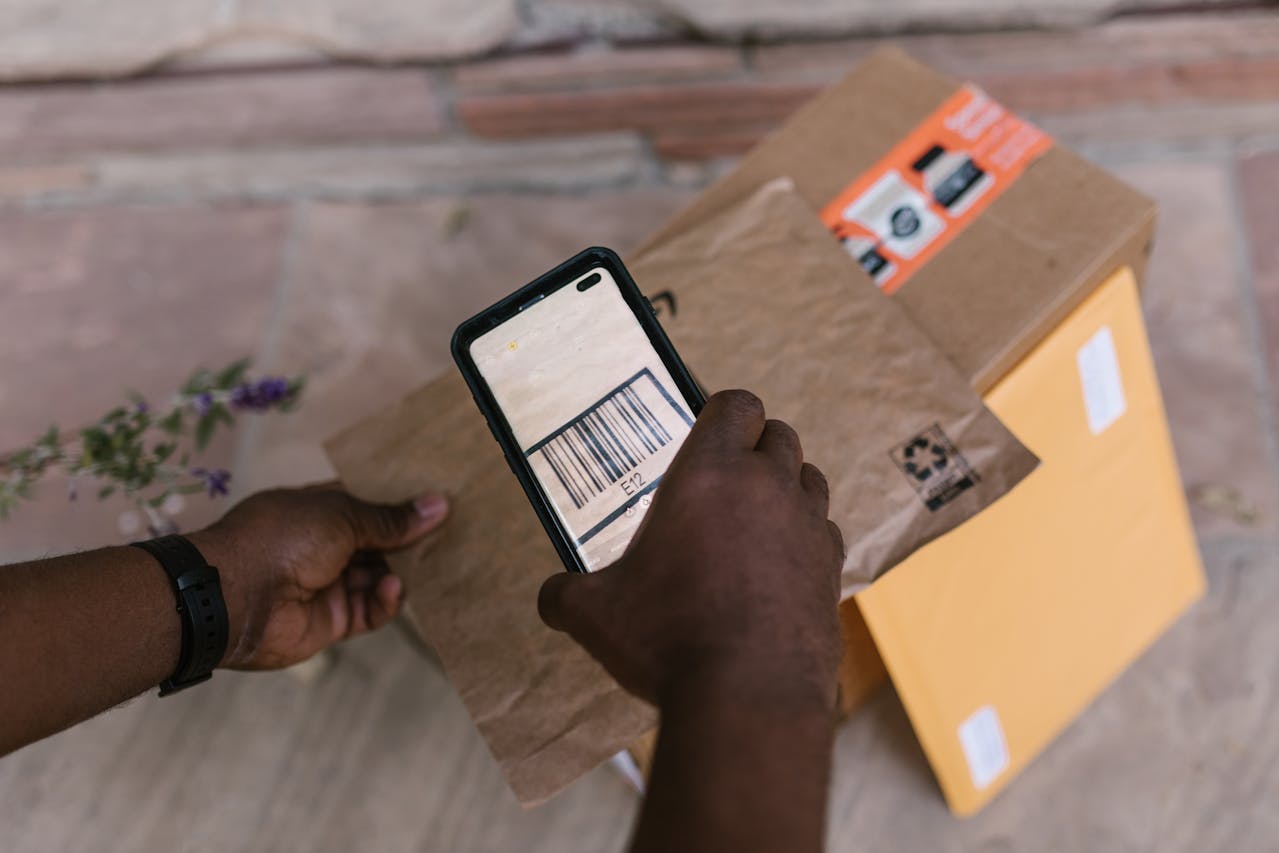
With a cluttered home, it’s easy to miss return deadlines for items you don’t want or need. This can lead to wasted money on items you won’t use.
Having a dedicated space for returns can help ensure you get your money back. Also, consider implementing a system for tracking return deadlines so you don’t miss out on refunds.
15. Less Time for Income-Generating Activities

Clutter can be a huge time suck. All the time spent cleaning, organizing, and searching for items is time that could be spent on income-generating activities.
By decluttering and organizing your space, you can free up time to focus on activities that can make you money, like working on a side hustle or investing in your career. Remember, time is money, and the less time you waste on clutter, the more money you can potentially make.