

Every homeowner dreams of a magic wand that would instantly clean and organize their house. Unfortunately, there are no magic wands, but there are plenty of cleaning shortcuts available on the internet. Some of these hacks are effective, while others are not only ineffective but can also cause more harm than good.
Let’s explore 16 cleaning shortcuts that fail so you can avoid these mistakes and keep your home clean and tidy in a safe and efficient way.
1. Using Vinegar on Everything


Vinegar is a popular cleaning hack due to its natural disinfecting properties. However, it’s not suitable for all surfaces. For example, using vinegar on hardwood floors or stone countertops can actually damage the surface. Vinegar is acidic and can break down the finish on wood and etch away at stone. So, always test it on a small, hidden area before applying it to the entire surface.
Also, vinegar isn’t effective against certain types of bacteria and viruses, including staph. It’s always better to use a product designed specifically for the surface and type of dirt or stain you’re dealing with. Always remember that not all DIY cleaners are as effective as commercially produced ones.
2. Cleaning Windows on a Sunny Day

It might seem like a sunny day is the perfect time to clean your windows, but it can actually make the task more difficult. The sun can dry the cleaning solution before you’ve had a chance to properly wipe it off, leaving streaks that are hard to remove.
Instead, aim to clean your windows on a cloudy day. The overcast conditions will ensure your cleaning solution doesn’t dry too quickly, giving you ample time to wipe and polish for a streak-free finish. Also, remember to use a microfiber cloth or a squeegee for the best results.
3. Using Bleach as a Go-To Cleaner


Bleach is a powerful disinfectant and stain remover, which makes people think it’s a good cleaner. However, while bleach can kill germs and whiten surfaces, it doesn’t actually clean dirt and grime.
Instead of using bleach as a general cleaner, use it for what it’s designed for: disinfecting and removing stains. For everyday cleaning, opt for a good all-purpose cleaner, or a cleaner specifically designed for the surface you’re cleaning.
4. Scrubbing Carpet Stains

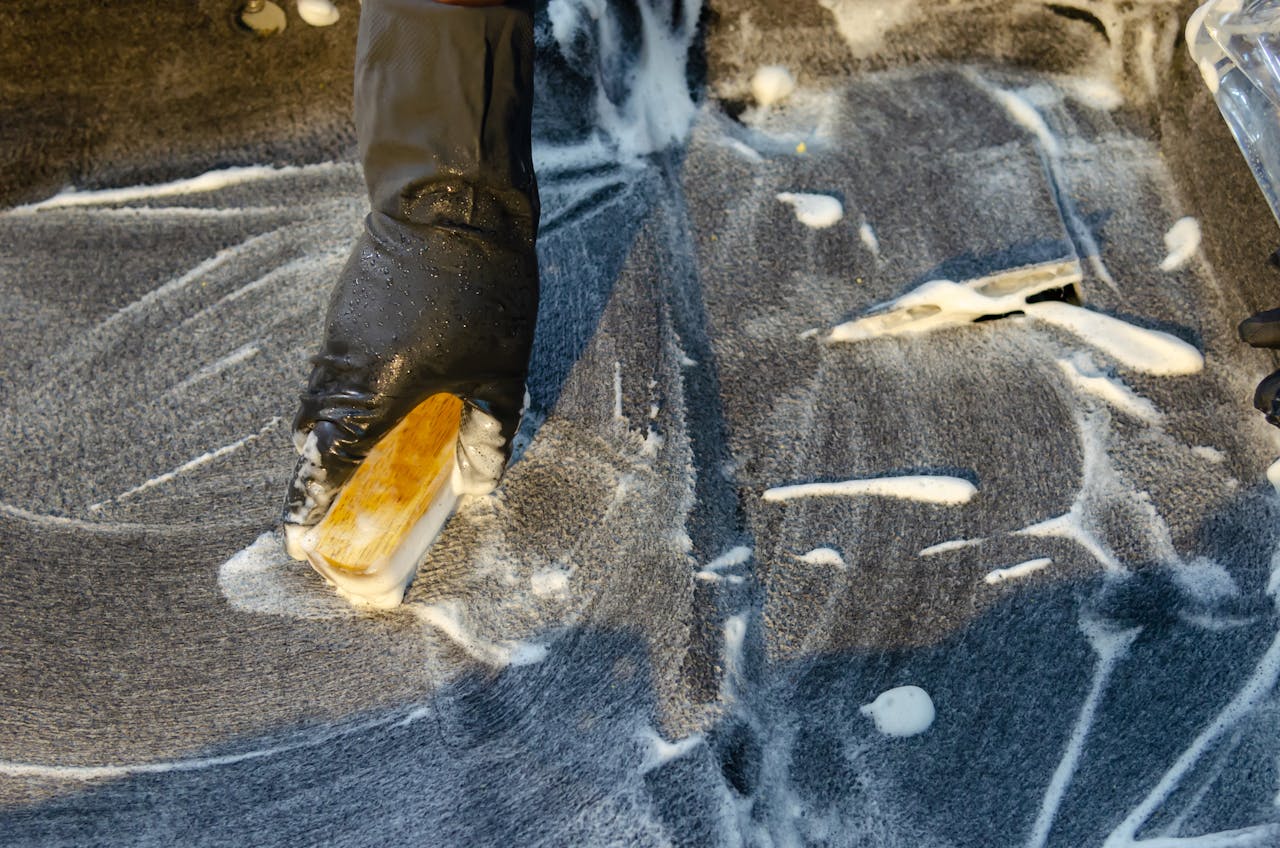
Our natural instinct when we see a stain on the carpet is to scrub it away. But this can actually push the stain deeper into the carpet fibers and cause the spot to spread.
Instead, blot the stain gently with a cleaning solution and a clean cloth. This will lift the stain out of the carpet fibers. After blotting, rinse with water and blot up any excess moisture.
5. Mixing Cleaning Products

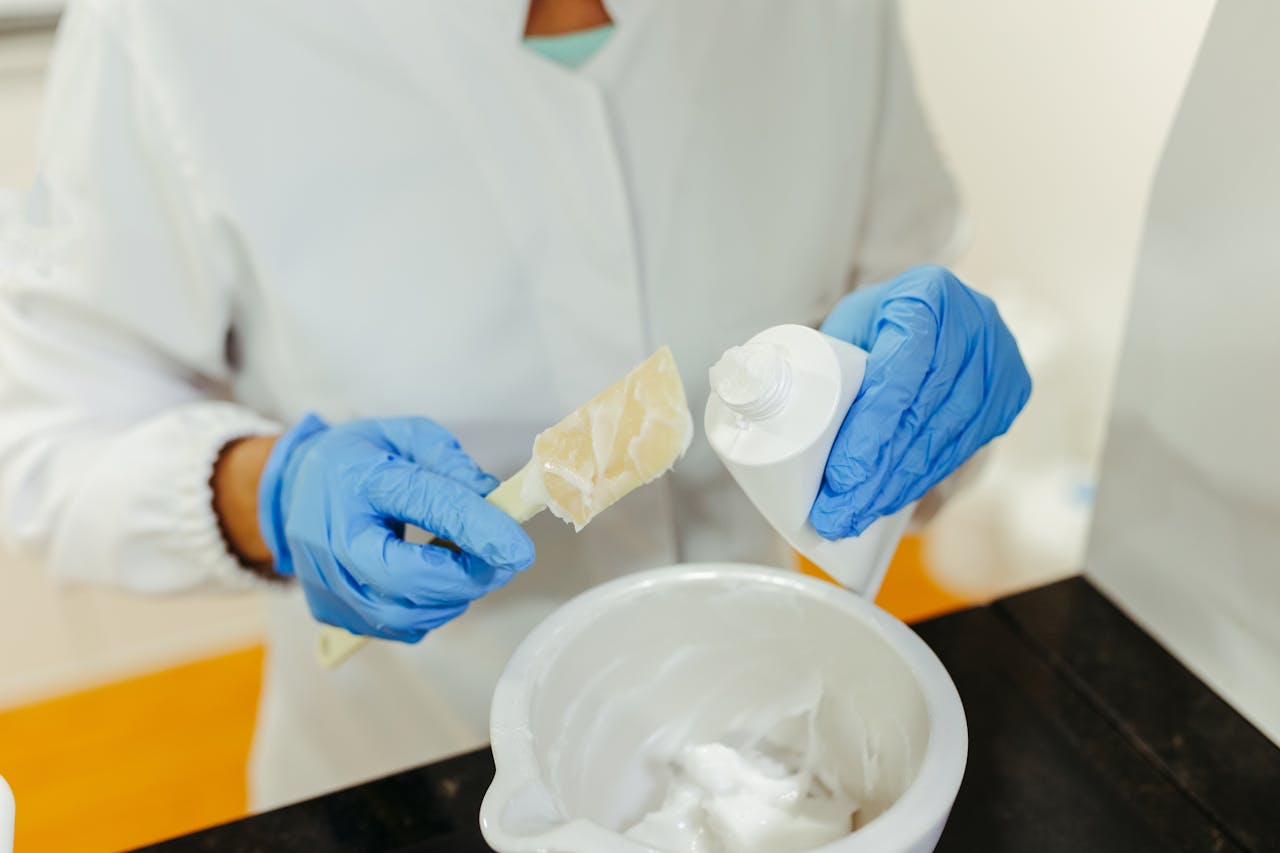
It might seem like mixing different cleaning products will create a super cleaner. But combining certain chemicals can be dangerous. For example, mixing bleach with ammonia or vinegar can produce toxic gases.
Always read the labels on cleaning products and follow the instructions carefully. Never mix different cleaners unless the label specifically says it’s safe to do so.
6. Using a Feather Duster

Feather dusters might look fancy, but they’re not very effective at removing dust. They tend to simply spread the dust around rather than picking it up.
Instead, use a microfiber cloth or a damp cloth for dusting. These materials will actually pick up and hold onto the dust, rather than just moving it around.
7. Cleaning From the Ground Up


Many of us start cleaning a room by vacuuming or sweeping the floor, then move onto surfaces. However, this means you’ll likely have to re-clean the floor as dust and debris falls from the surfaces you clean afterwards.
To save time and avoid duplicating your efforts, always clean from the top down. Start with dusting ceiling fans and light fixtures, then clean furniture and countertops, and finish with the floors.
8. Using Too Much Product

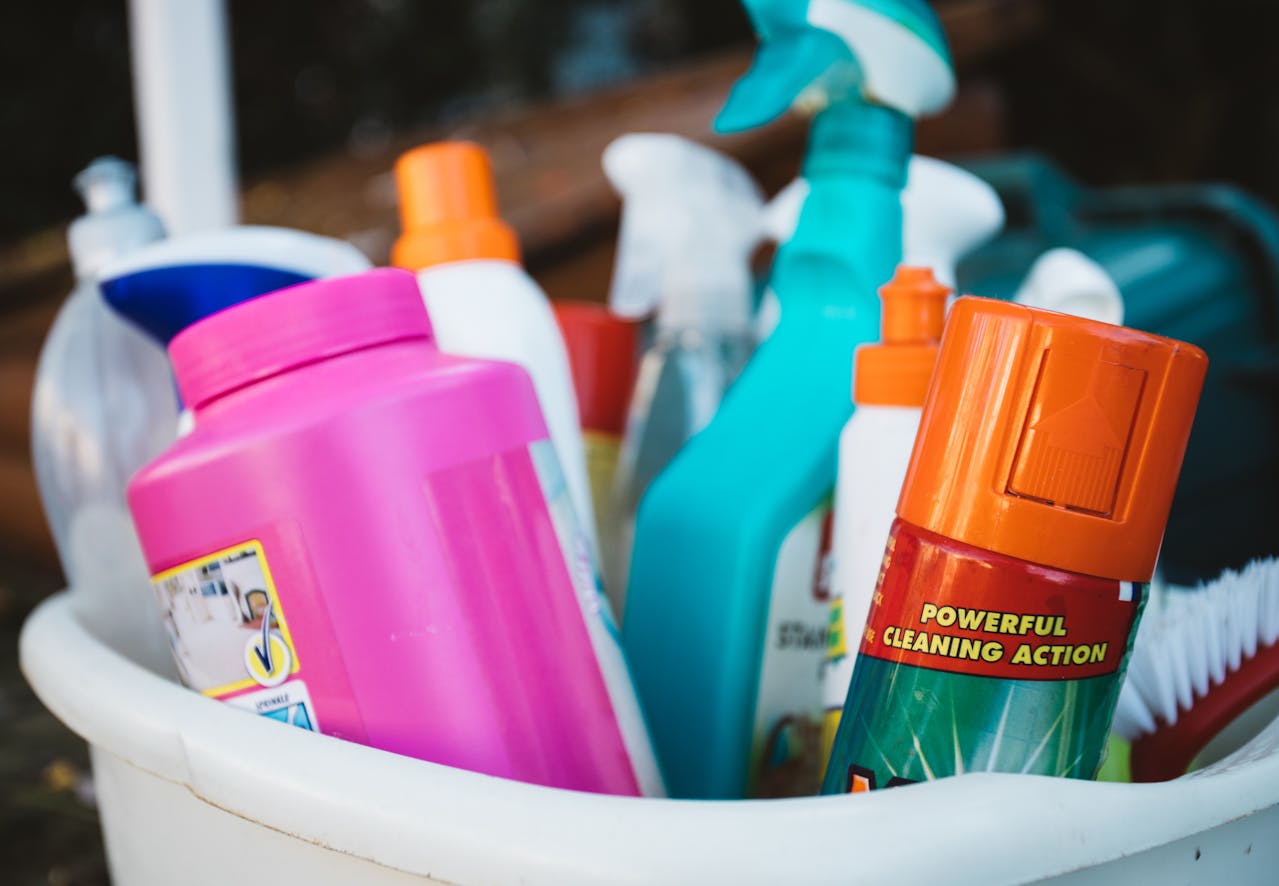
When it comes to cleaning products, more is not necessarily better. Using too much product can leave a residue and actually attract more dirt.
Always follow the manufacturer’s instructions on how much product to use. If you’re dealing with a particularly tough stain or a lot of dirt, it’s usually more effective to repeat the cleaning process with the correct amount of product, rather than using more product in the first place.
9. Using Paper Towels for Everything

Paper towels are handy, but they can leave behind lint and they’re not the most eco-friendly option.
Try using reusable cloths or sponges for most cleaning tasks. They’re more effective at picking up dirt and debris, and they’re better for the environment.
10. Not Cleaning Your Cleaning Tools

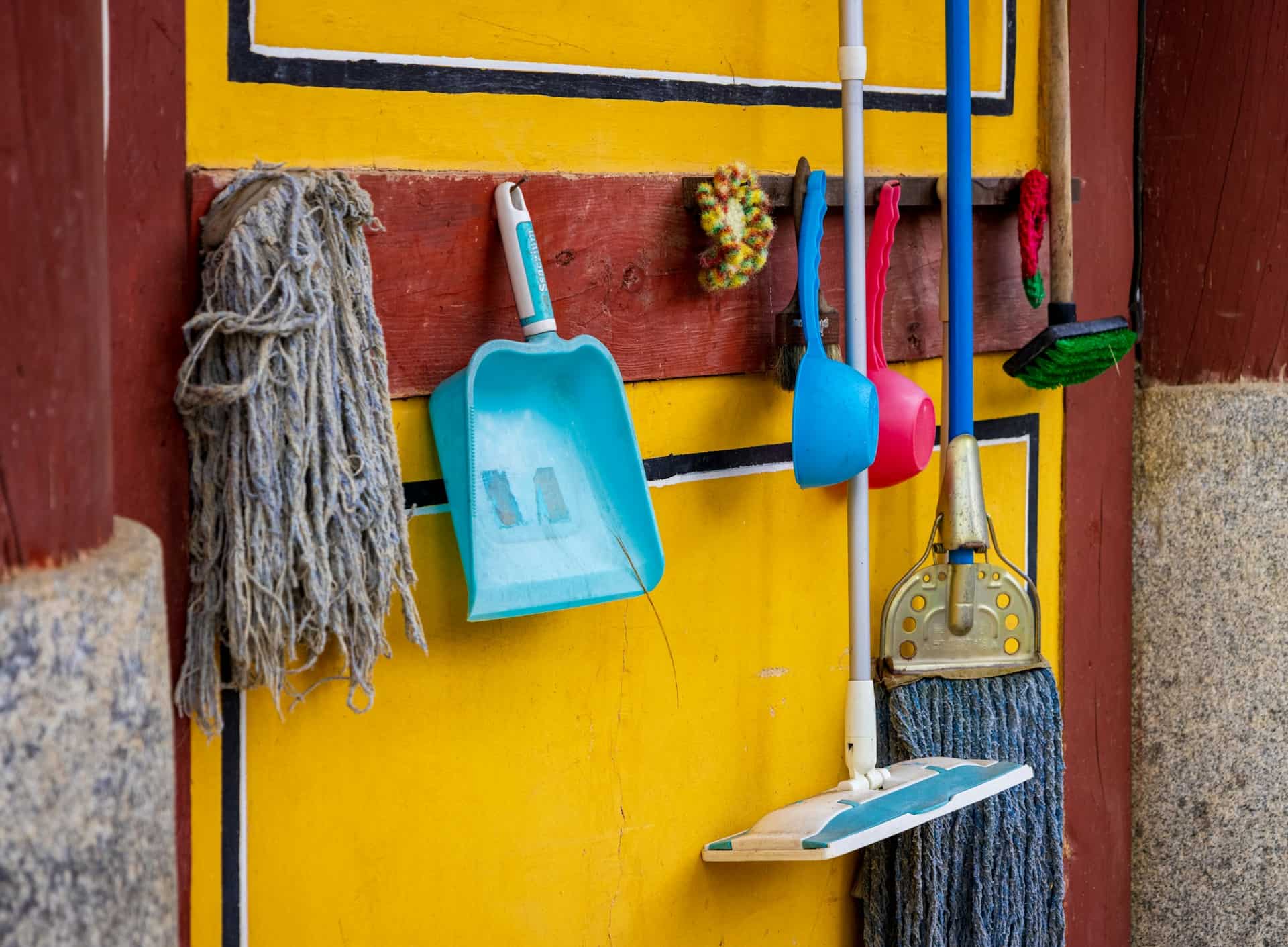
Your cleaning tools can harbor dirt and germs, especially if they’re not cleaned regularly. This means you could be spreading dirt and bacteria around your home every time you clean.
Make sure to clean and dry your cleaning tools after every use. This includes washing mop heads and scrub brushes, and emptying and cleaning your vacuum cleaner.
11. Using Furniture Polish Every Time

Furniture polish can make your wood furniture shine, but using it too often can build up a waxy residue that attracts dust.
Instead, dust your furniture regularly with a microfiber cloth. Use furniture polish only occasionally, or when your furniture needs a little extra care.
12. Washing Windows with Newspaper


Old newspaper might seem like a convenient, recyclable tool for cleaning windows, but it can leave ink residue on your glass and sills.
Instead, use a squeegee or a microfiber cloth for the best results. And always use a quality window cleaner or a homemade vinegar solution.
13. Using the Same Rag in Multiple Rooms

If you use the same rag in multiple rooms, you risk spreading germs and dirt from one room to another.
Always use a clean cloth in each room. And if you’re dealing with a particularly dirty or germy area (like the bathroom), consider using disposable cleaning cloths or paper towels.
14. Not Letting Cleaning Products Sit

Most cleaning products need to sit on the surface for a certain amount of time to work effectively. If you spray and then immediately wipe, you’re not giving the product time to do its job.
Always read the label on your cleaning products and follow the instructions for how long to let the product sit before wiping.
15. Using Dish Soap on Your Wood Cutting Boards
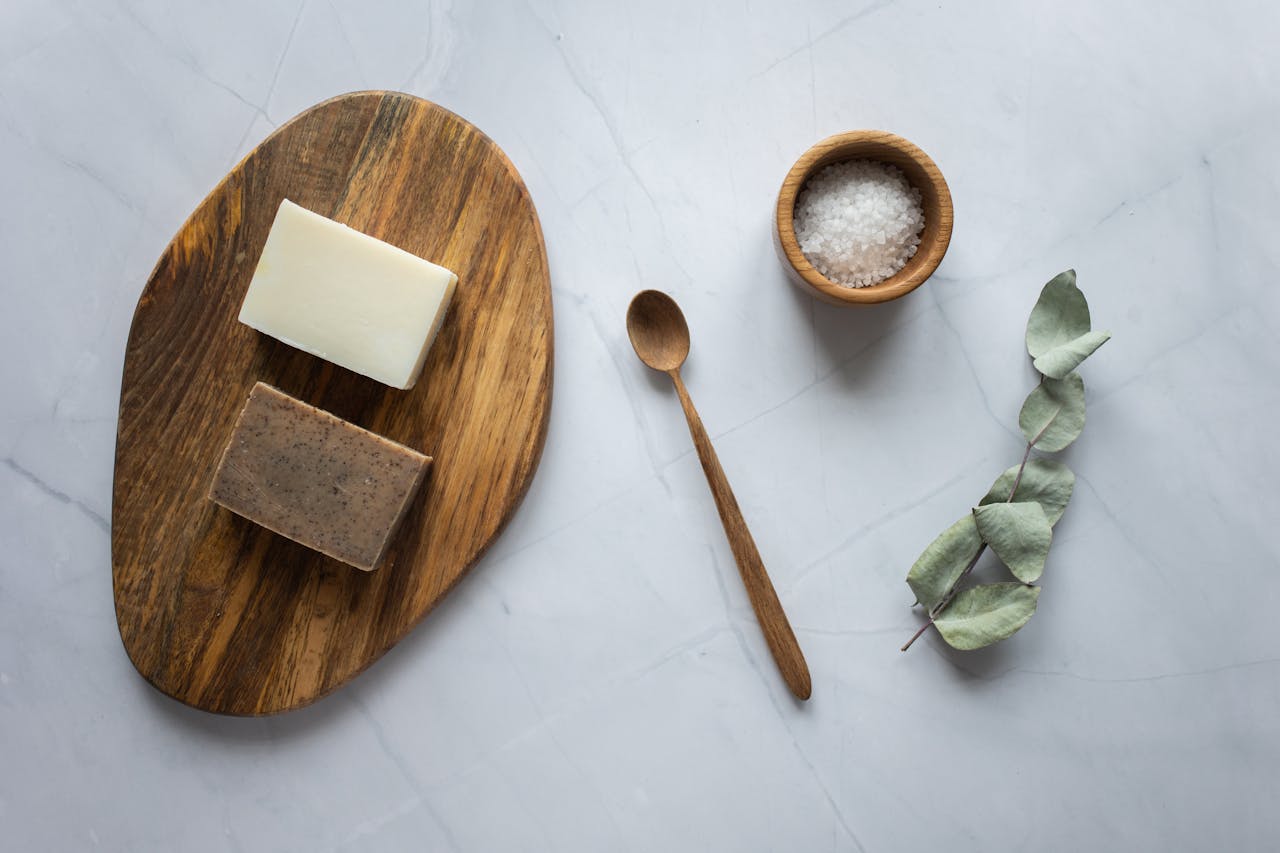
Dish soap can dry out wooden cutting boards, causing them to crack and warp.
Instead, clean your wooden cutting boards with a little bit of warm water and vinegar. Then, oil them regularly with a food-safe oil to keep them conditioned and prevent cracking.
16. Cleaning Small Items in the Dishwasher

While it might be tempting to throw small items like oven knobs and vent covers in the dishwasher, they can get damaged or even melt.
Instead, clean small items by hand. And always check the manufacturer’s instructions before cleaning any item in the dishwasher.