


We all have those items around the house that we don’t really need, but can’t seem to part with. They’re taking up space, causing clutter, and generally making our lives more chaotic. We know we should get rid of them, but there’s always an excuse. In this post, we’ll explore 16 common declutter excuses that we all use.
By understanding these excuses, we can overcome them and start to live a more organized, clutter-free life.
1. I Might Need It Someday


This is one of the most common excuses we all use. We hold onto things because we think there might be a time in the future when we will need them. The truth is, if you haven’t used an item in the past year, you probably won’t use it in the future. Instead of holding onto things “just in case”, try to only keep items that you regularly use or that have a specific purpose in your life.
For example, you might have a collection of old magazines that you’re keeping because you think you might want to read them someday. But the reality is, you probably won’t. Instead of letting these magazines clutter up your space, consider recycling them or donating them to a local library or school.
2. It Was a Gift


It can be hard to get rid of items that were given to us as gifts. We feel guilty about the idea of parting with them, even if we don’t really like or use them. But remember, the person who gave you the gift wouldn’t want you to keep it out of obligation. They gave it to you because they thought it would bring you joy.
If a gift is not bringing you joy or adding value to your life, it’s okay to let it go. You can donate it, sell it, or even re-gift it to someone who might appreciate it more. This can free up space in your home and also remove the emotional burden of holding onto something out of guilt.
3. I Paid a Lot for It


Many of us hold onto items because we remember how much we paid for them, and we feel guilty about the idea of getting rid of them. But the money has already been spent, and holding onto the item won’t get that money back. In fact, it might be costing you more in the long run by taking up space and causing clutter.
Instead of focusing on the past cost of an item, try to think about its current value. If it’s not adding value to your life now, it’s not worth keeping. And remember, you might be able to sell the item and recoup some of the cost, or donate it and get a tax deduction.
4. It Has Sentimental Value

We all have items that hold sentimental value. These are often the hardest to part with because they remind us of people, places, or times in our lives that are important to us. But remember, it’s the memory that’s important, not the physical item.
If an item is causing clutter but holds sentimental value, consider taking a photo of it and then letting it go. This way, you can keep the memory without the clutter. Or, you might be able to repurpose the item in a way that allows you to keep the memory while also adding value to your life.
5. I’ll Lose Weight And Fit Into It Again

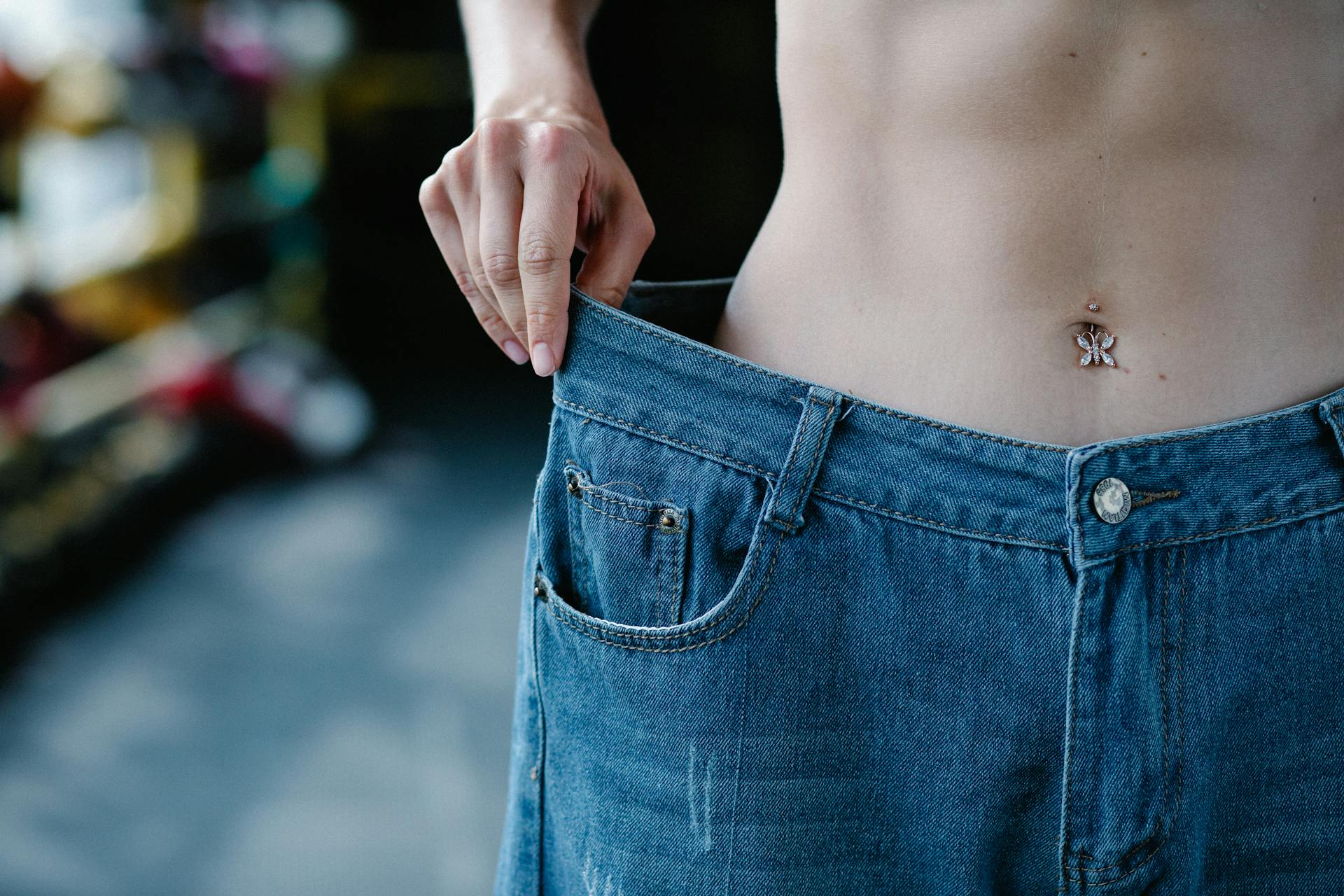
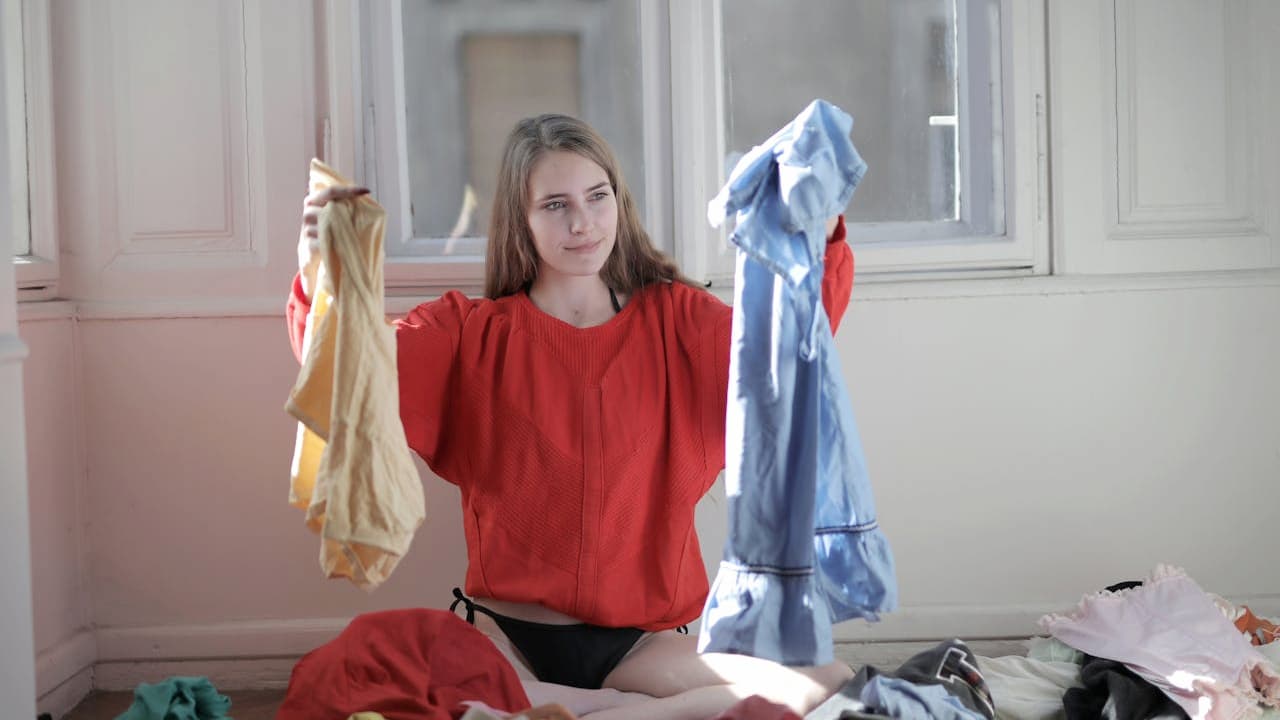
Clothing is one of the biggest sources of clutter in many people’s homes. And a common excuse for holding onto clothes that don’t fit is the hope that we’ll lose weight and be able to wear them again. But holding onto these clothes can often be more harmful than helpful.
Instead of keeping clothes that don’t fit, try to focus on the clothes that do. Keeping clothes that are too small can be a constant reminder of the weight you want to lose, which can be discouraging. Instead, keep clothes that you feel good in now. And remember, if you do lose weight in the future, it can be a great excuse to go shopping for new clothes that you love.
6. I’ll Fix It Someday
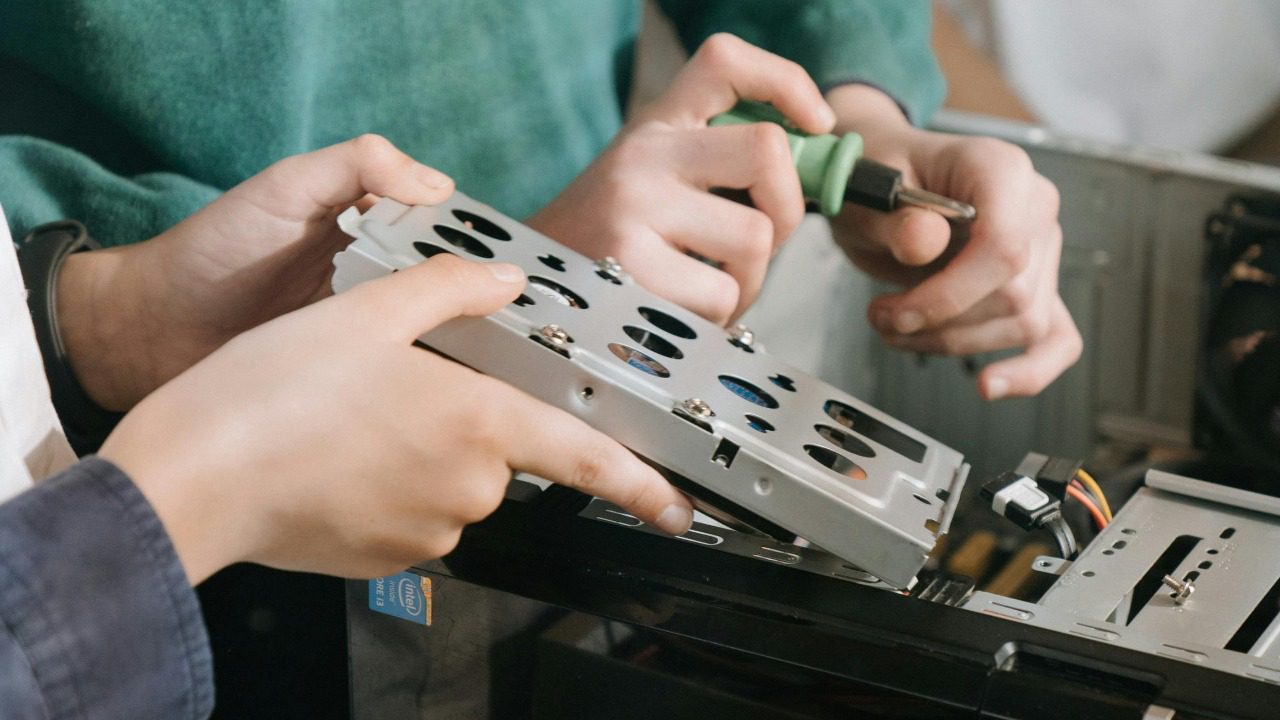
We all have those items that are broken or in need of repair. We hold onto them with the intention of fixing them someday, but that day never seems to come. These items can take up space and create clutter, and they’re often a constant reminder of tasks that we haven’t completed.
If you have items that need repair, set a deadline for yourself to either fix them or get rid of them. If you don’t have the skills or time to fix them yourself, consider whether it’s worth paying someone else to do it. If it’s not, it’s probably best to let the item go.
7. It’s A Collectible

Collectibles can certainly add character to your home, but they can also create clutter. It’s easy to justify holding onto these items because they might be worth something someday. But unless you’re an expert in the field, it’s hard to know for sure.
If you enjoy your collection and it adds value to your life, by all means, keep it.
But if it’s just taking up space and causing clutter, it might be time to let it go. Consider selling or donating the items, or even passing them on to someone who will appreciate them more.
8. It’s A Family Heirloom
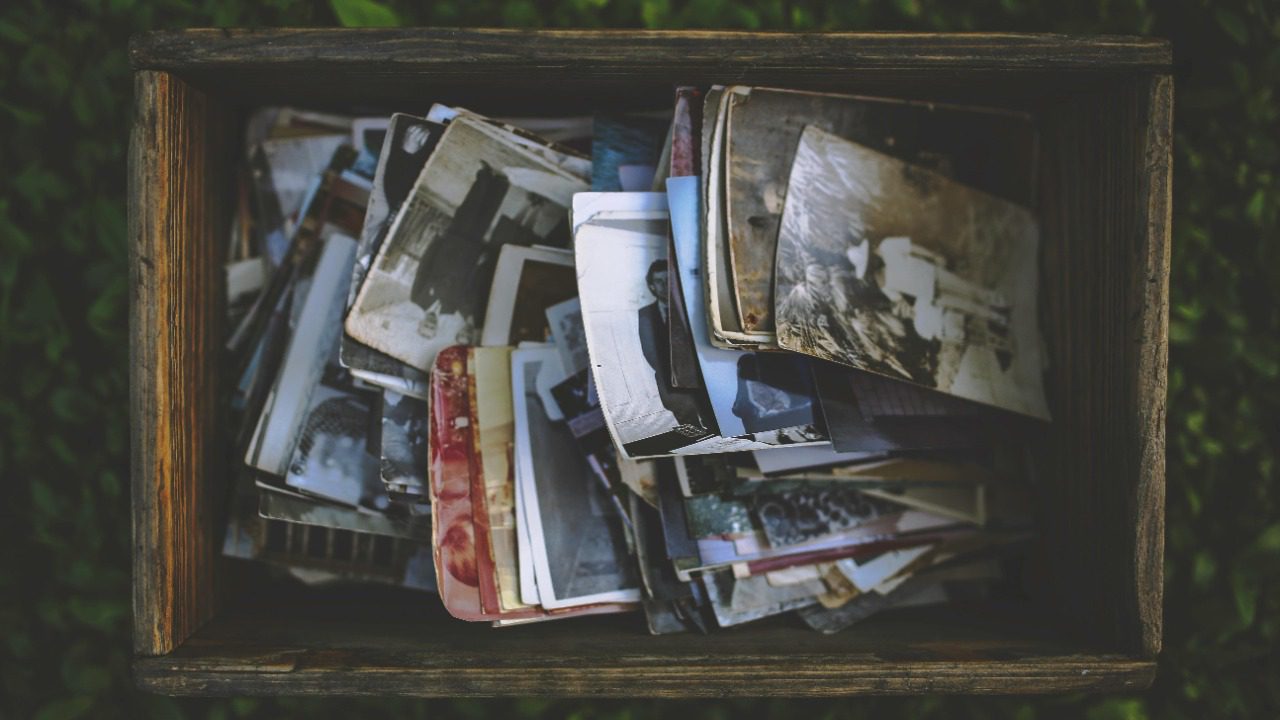
Family heirlooms can hold a lot of sentimental value, and it can be hard to part with them. But remember, just because an item has been in your family for generations doesn’t mean you’re obligated to keep it.
If a family heirloom is causing clutter and not adding value to your life, consider talking to other family members to see if they would like to have it. Or, you might be able to repurpose the item in a way that allows you to keep the family connection while also adding value to your life.
9. I Don’t Have Time To Declutter

This is a common excuse that many of us use. But the truth is, decluttering doesn’t have to be a time-consuming task. You can start small, with just 15 minutes a day. Or, you can tackle one room or area at a time.
If you feel overwhelmed by the idea of decluttering, consider getting help. You might be able to enlist a friend or family member, or even hire a professional organizer. And remember, the time you invest in decluttering now can save you time in the future by making your space more organized and easier to maintain.
10. It’s Too Good To Throw Away

Many of us hold onto items because they’re too good to throw away. But remember, just because an item is still good doesn’t mean you need to keep it. If it’s not adding value to your life, it’s just creating clutter.
If you have items that are too good to throw away, consider donating them. There are many charities that would be happy to take them, and you might be able to get a tax deduction. Or, you might be able to sell the items and make some extra money.
11. I’ll Sell It On eBay
Selling items online can be a great way to get rid of clutter and make some extra money. But it can also be time-consuming and not always as profitable as you might hope.
If you have items that you want to sell, set a deadline for yourself to list them. If they don’t sell within a certain period of time, consider donating them instead. And remember, your time is valuable, so consider whether the potential profit is worth the time and effort you’ll need to put into selling the items.
12. I Don’t Know Where To Start


Decluttering can be an overwhelming task, especially if you have a lot of clutter. But remember, you don’t have to do it all at once. Start small, with one room or even one drawer, and work your way up from there.
If you’re not sure where to start, consider using a decluttering method like the KonMari Method. This method encourages you to sort your items by category, rather than by room, which can make the task more manageable.
13. I Don’t Want To Waste Anything

Many of us hold onto items because we don’t want to be wasteful. But remember, keeping an item that you don’t use or love is actually more wasteful than letting it go. It’s taking up space in your home and not serving a purpose.
If you’re worried about waste, consider ways to repurpose or recycle your items. Or, donate them to a charity where they can be used by someone who needs them. This way, you’re not only decluttering your space, but also helping others and reducing waste.
14. I’m Attached To It


It’s natural to form attachments to our possessions. But sometimes these attachments can cause us to hold onto items that are no longer serving us. If you’re holding onto an item out of attachment, ask yourself why. Is it the item itself that you’re attached to, or the memory or feeling associated with it?
If it’s the memory or feeling, consider ways to preserve that without keeping the physical item. For example, you might take a photo of the item, or write about it in a journal. This way, you can keep the memory without the clutter.
15. It’s Part Of My Identity

Sometimes we hold onto items because they’re part of our identity. For example, you might hold onto books because you see yourself as a book lover, even if you don’t actually read them. But remember, your identity is not defined by your possessions.
If you’re holding onto items because they’re part of your identity, consider whether they’re still relevant to who you are today. Your interests and hobbies can change over time, and it’s okay to let go of items that no longer reflect who you are.
16. I’m Not Sure What To Do With It
Sometimes we hold onto items simply because we’re not sure what to do with them. But there are many resources available to help you figure out how to dispose of items responsibly.
For example, many cities have recycling programs for electronics and other items. Or, you might be able to donate items to a local charity or school. If you’re not sure what to do with an item, do a quick online search to see what options are available in your area.