

We all desire to live in a clutter-free, organized environment. However, maintaining a clutter-free home is often easier said than done. It can be even more challenging if you’ve adopted habits that are not sustainable in the long run. If you find yourself decluttering over and over again without seeing lasting results, then this piece is for you.
We’ve compiled a list of 16 decluttering habits that don’t last, explaining why they fail and how you can replace them with sustainable alternatives.
1. Buying Storage Before Decluttering


Many people make the mistake of buying storage solutions before they start decluttering. They think that having more places to put stuff will help them get organized. However, this approach often leads to more clutter, not less.
Instead of buying storage before you start decluttering, start by sorting through your items and getting rid of things you don’t need. Once you’ve pared down your possessions, you’ll have a better idea of what kind of storage you actually need. Additionally, buying storage after decluttering can help you avoid the common pitfall of filling up new storage spaces with unnecessary items.
2. Decluttering All At Once


Some people try to declutter their entire home in one go. While this may seem like an efficient approach, it’s often overwhelming and unproductive. Decluttering is a process, not a one-time event.
Instead of trying to declutter all at once, break the task down into manageable chunks. Start with one room or even one drawer at a time. This way, you can focus your energy and attention on each area, making it easier to make thoughtful decisions about what to keep and what to discard.
3. Not Having a Plan


Decluttering without a plan is like going on a road trip without a map. You might make some progress, but you’ll likely get lost along the way. Without a clear plan, it’s easy to get overwhelmed and give up before you’ve made significant progress.
Instead of diving into decluttering without a plan, take some time to map out your approach. Decide which areas you’ll tackle first, how you’ll sort items, and what you’ll do with items you decide to get rid of. Having a plan not only helps you stay focused, but it also makes the decluttering process feel more manageable.
4. Keeping Items Just in Case


One common decluttering pitfall is keeping items just in case you might need them in the future. While it’s wise to keep certain items for potential future use, holding onto too many just-in-case items can quickly lead to clutter.
Before you decide to keep an item just in case, ask yourself how likely it is that you’ll actually need it. If it’s something you haven’t used in years, or if it would be easy and inexpensive to replace, it’s probably a good candidate for decluttering. Remember, the goal of decluttering is to make space for the things you actually use and value.
5. Not Dealing With Decluttered Items Right Away


After you’ve made the decision to get rid of certain items, it’s important to follow through and actually remove them from your home. Leaving decluttered items sitting around can lead to second-guessing your decisions, and it can also create additional clutter.
As soon as you decide to get rid of an item, take action. Donate it, sell it, or throw it away. By dealing with decluttered items right away, you’ll make more progress and feel more accomplished. Plus, it’s much harder to change your mind and keep something once it’s out of your sight.
6. Focusing Only on Visible Clutter

Many people focus only on decluttering visible clutter, like piles of stuff on counters or floors. However, hidden clutter – like items stuffed in closets or drawers – can be just as detrimental to your sense of calm and order.
Don’t forget to declutter hidden areas of your home. Even though you might not see this clutter every day, knowing it’s there can create stress and make it harder to find things when you need them. Plus, decluttering hidden areas can often free up valuable storage space.
7. Keeping Items Out of Guilt


It’s common to feel guilty about getting rid of items, especially if they were gifts or if they have sentimental value. However, keeping items out of guilt can quickly lead to clutter.
Remember, the purpose of a gift is to bring joy. If an item is no longer serving that purpose, it’s okay to let it go. Similarly, you can honor the memories associated with sentimental items without keeping the physical items themselves. Consider taking a photo of the item or writing about it in a journal before you let it go.
8. Being Too Sentimental


While it’s important to respect sentimental items, being too sentimental can make it difficult to declutter. If every item in your home sparks a memory, you might find it hard to get rid of anything.
Try to be objective when decluttering. Ask yourself if you’re keeping an item because it truly brings you joy, or if you’re keeping it out of obligation or guilt. Remember, it’s okay to let go of items that are no longer serving you, even if they have sentimental value.
9. Not Setting Boundaries
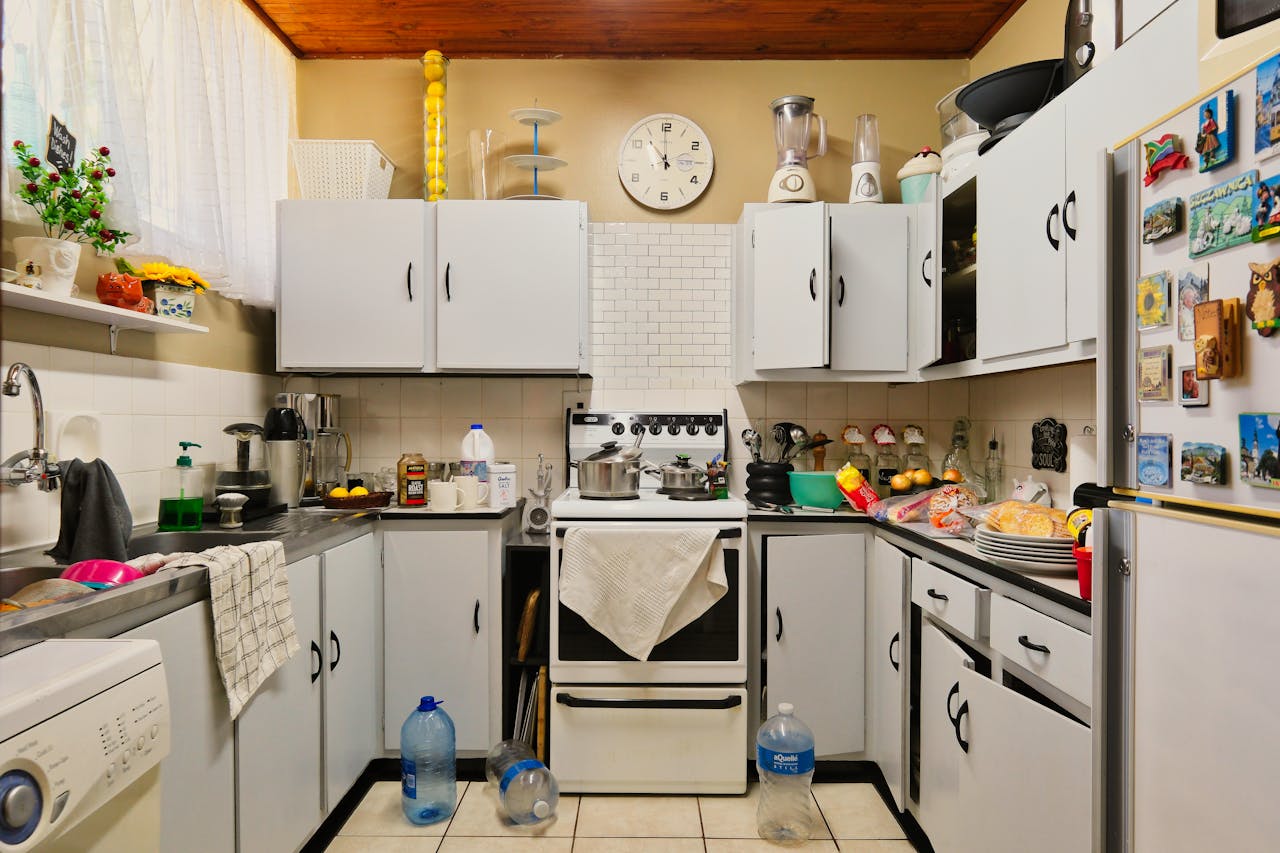
Without clear boundaries, it’s easy for clutter to creep back in. For example, if you don’t have a designated spot for mail, it can quickly pile up on your kitchen counter.
Setting boundaries can help prevent future clutter. For each item in your home, decide where it belongs. If it doesn’t have a home, find one for it. If there’s no room for it, consider whether it’s something you truly need.
10. Not Maintaining Your Spaces

Decluttering is not a one-time event. It’s an ongoing process that requires regular maintenance. If you don’t maintain your spaces, clutter can quickly accumulate again.
Make it a habit to declutter regularly. This doesn’t have to be a big, time-consuming task. Even spending a few minutes each day picking up and putting things away can make a big difference.
11. Not Involving the Entire Household


Decluttering is a team effort. If only one person in the household is committed to decluttering, it’s unlikely to be successful.
Make sure everyone in your household is on board with decluttering. This might involve having some conversations about why decluttering is important and how everyone can contribute. Remember, everyone has a role to play in maintaining a clutter-free home.
12. Being Too Perfectionistic

While it’s good to have high standards, being too perfectionistic can be a hindrance when decluttering. If you’re aiming for perfection, you might get discouraged and give up when you can’t achieve it.
Remember, decluttering is not about achieving a perfect home. It’s about creating a space that feels comfortable and functional for you. Don’t let perfectionism get in the way of progress.
13. Not Acknowledging Your Progress

It’s easy to get so focused on the work that’s left to be done that you forget to acknowledge your progress. This can make decluttering feel like a never-ending task.
Make sure to celebrate your victories, no matter how small they may seem. Every item you get rid of, every drawer you organize, and every surface you clear is a step in the right direction.
14. Not Understanding Your Clutter Triggers

Everyone has certain triggers that lead to clutter. For some, it might be mail or paperwork. For others, it might be clothes or toys.
Understanding your clutter triggers can help you develop strategies to manage them. For example, if mail is a trigger for you, consider setting up a system to deal with it as soon as it comes in. If clothes are a trigger, consider implementing a one-in, one-out rule to keep your wardrobe in check.
15. Not Asking for Help

Decluttering can be a big job, and it’s okay to ask for help. Whether that’s enlisting a friend or family member, or hiring a professional organizer, getting help can make the process less overwhelming.
Asking for help can also provide a fresh perspective. Someone else might see solutions that you hadn’t considered, or they might be able to help you make tough decisions about what to keep and what to let go.
16. Not Making Decluttering a Habit

Decluttering is not a one-time event. It’s a habit that needs to be cultivated and maintained. If you declutter once and then forget about it, clutter will inevitably creep back in.
Make decluttering a regular part of your routine. This might mean setting aside a few minutes each day, or it might mean tackling a larger project once a week or once a month. Find a schedule that works for you and stick to it. Remember, decluttering is a marathon, not a sprint.