

1. Trying to declutter everything at once


It can be tempting to tackle all your clutter in one go, but this approach often leads to burnout. Instead, break the task down into smaller, more manageable parts. Start with one room or even one drawer, and gradually work your way through the rest of the house.
For instance, you might start with your bedroom closet. Take everything out, sort it into piles (keep, donate, trash), then put back only the items you need and love. This approach can make the task feel less overwhelming and increase your chances of success.
2. Not having a plan


Decluttering without a plan can result in chaos. It’s essential to have a clear idea of what you want to achieve and how you’re going to do it. This might involve setting aside specific times for decluttering, deciding in advance what you’re going to do with items you no longer need, and having a system for organizing the things you keep.
For example, you might decide that every Saturday morning is decluttering time. You could also designate a box for items to donate, a bag for trash, and a space for items to keep. This way, you avoid creating more mess while decluttering.
3. Keeping items ‘just in case’

One of the main reasons we accumulate clutter is because we hold onto items we think we might need someday. But the reality is, most of these items end up collecting dust. A good rule of thumb is, if you haven’t used it in the last year, you probably don’t need it.
For instance, you might be holding onto old clothes that no longer fit, or kitchen gadgets you never use. Consider donating these items to someone who will actually use them.
4. Not dealing with paper clutter

Paper clutter can quickly pile up and become overwhelming. It’s important to have a system in place for dealing with it. This might involve going paperless where possible, regularly recycling old papers, and having a designated spot for important documents.
For example, you could set up a filing system for bills, receipts, and important documents. This way, you know exactly where to find them when you need them.
5. Buying more storage
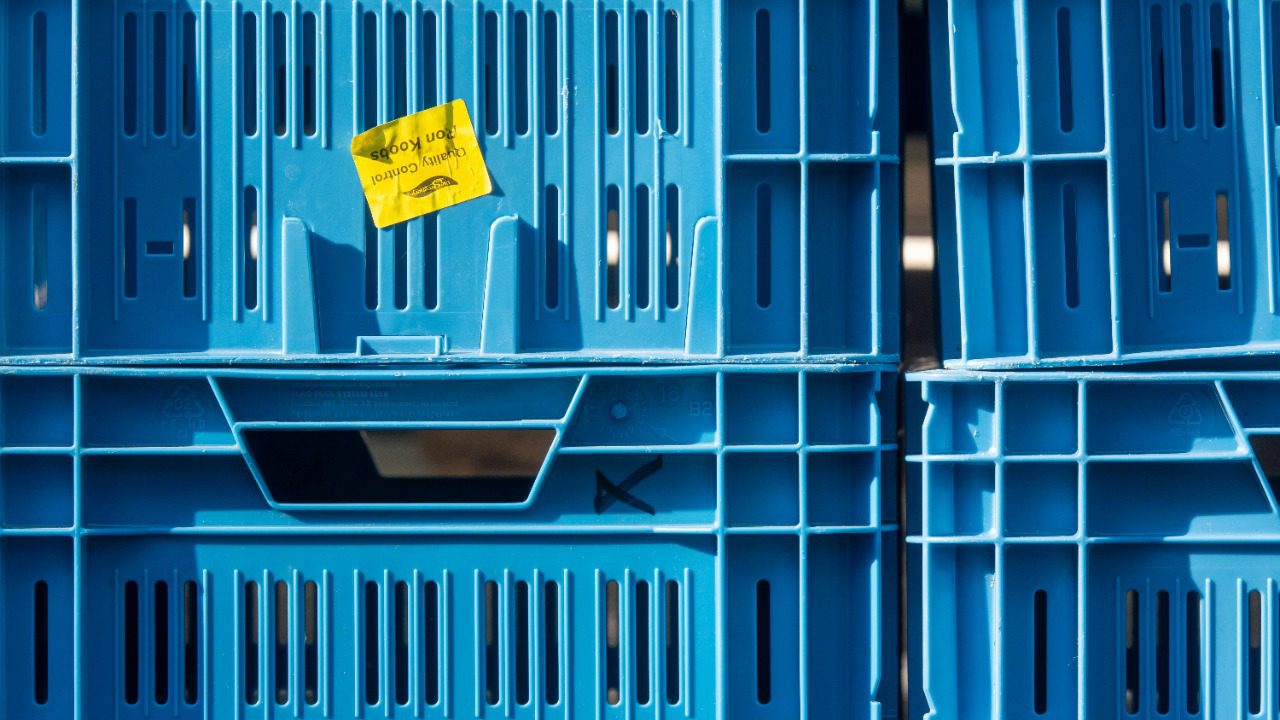
When clutter starts to pile up, it can be tempting to buy more storage containers. But more storage often just leads to more clutter. Instead, focus on getting rid of items you don’t need or use.
For instance, instead of buying a new bookshelf for all the books you never read, consider donating some of them to your local library. This way, you free up space and your books get a new lease of life.
6. Not involving the whole family

Decluttering shouldn’t be a one-person job. It’s important to involve the whole family in the process. This not only makes the task more manageable, but it also helps everyone to take responsibility for their own belongings.
For example, you could make decluttering a family activity. Each person could be responsible for decluttering their own room, with younger children getting help from an adult.
7. Not decluttering regularly

Decluttering is not a one-time task. It’s something that needs to be done regularly to keep clutter at bay. This might involve setting aside a specific time each week or month for decluttering.
For instance, you might decide to do a quick declutter every Sunday evening, or a more thorough declutter at the beginning of each season. This helps to keep clutter in check and makes the task less overwhelming.
8. Not taking before and after photos

Taking before and after photos can be a great motivator. They allow you to see the progress you’ve made and can give you the boost you need to keep going. They can also serve as a reminder of what can happen if you let clutter build up again.
For example, you might take a photo of your kitchen before you start decluttering, and then another one after you’ve finished. Seeing the difference can be incredibly satisfying and can inspire you to tackle other areas of your home.
9. Not sorting items into categories

Sorting items into categories can make the decluttering process much easier. It allows you to see exactly what you have and makes it easier to decide what to keep and what to get rid of.
For example, if you’re decluttering your kitchen, you might sort items into categories like cookware, utensils, dishes, and baking supplies. This makes it easier to see what you have and what you need.
10. Not taking breaks

Decluttering can be a tiring process, both physically and emotionally. It’s important to take regular breaks to rest and recharge. This can help you to stay focused and avoid burnout.
For instance, you might decide to take a 15-minute break every hour. This gives you a chance to rest, have a drink, and mentally prepare for the next round of decluttering.
11. Not having a place for everything
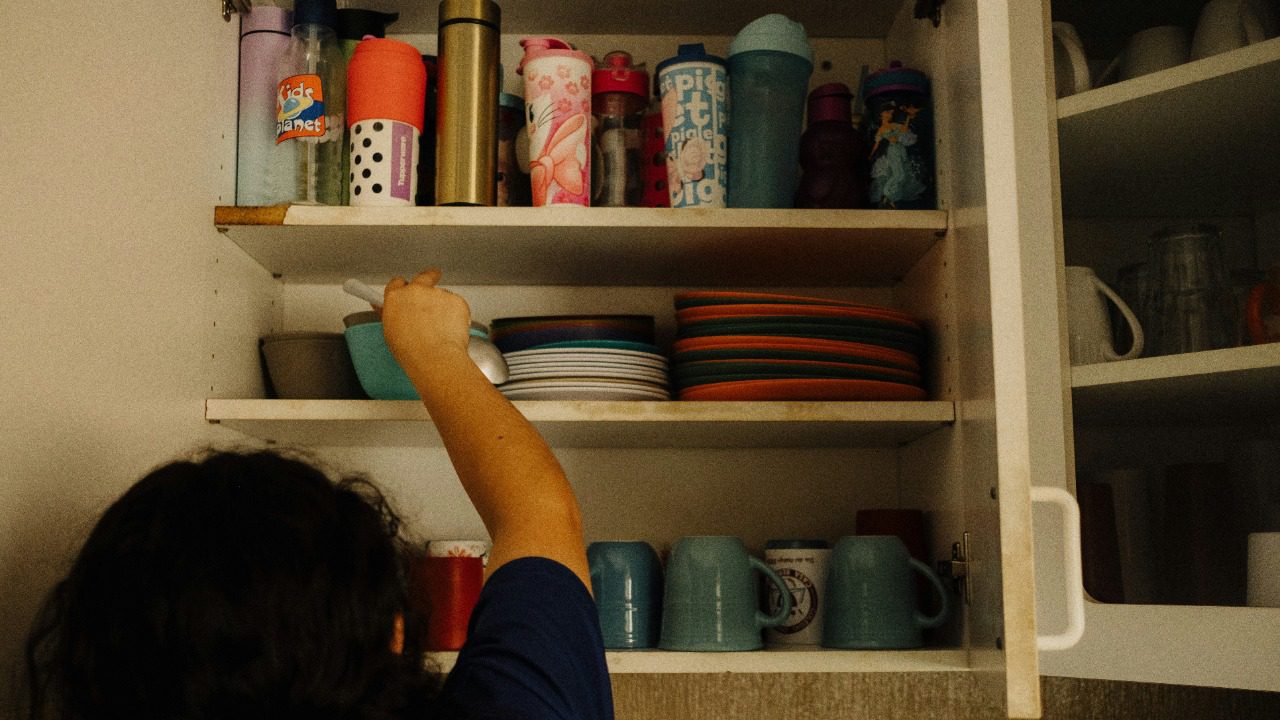
One of the keys to staying organized is having a place for everything. If everything has a designated spot, it’s much easier to keep your home tidy and clutter-free.
For example, you might decide to designate a specific drawer for your children’s school papers, or a specific shelf for your cookbooks. This way, you always know where to put things and where to find them.
12. Not getting rid of duplicates
Many of us have duplicates of items that we don’t really need. Whether it’s multiple pairs of scissors, several sets of measuring cups, or a stack of similar books, these duplicates can take up unnecessary space.
For instance, you might decide to keep only one pair of scissors in your kitchen drawer and donate the rest. This frees up space and reduces clutter.
13. Not donating or selling items immediately

Once you’ve decided to get rid of something, it’s important to act on it immediately. Otherwise, these items can end up sitting around your home and adding to the clutter.
For example, you might have a box of items to donate. Instead of letting it sit in your garage for weeks, take it to the donation center as soon as possible.
14. Not considering the future

When decluttering, it’s important to think about the future. Will you need this item in six months? A year? If the answer is no, it’s probably time to let it go.
For example, you might be holding onto baby clothes in case you have another child. But if you’re not planning on having more children, it might be time to donate these items.
15. Not tackling sentimental items

Decluttering sentimental items can be difficult, but it’s an important part of the process. If you’re holding onto items purely for sentimental reasons, it might be time to let them go.
For example, you might be holding onto your children’s old toys. Consider taking photos of these items and then donating them. This way, you can keep the memories without the clutter.
16. Not celebrating your progress

Decluttering can be a long and challenging process, but it’s important to celebrate your progress. This can give you the motivation to keep going and make the task feel more rewarding.
For example, after a successful decluttering session, you might treat yourself to a relaxing bath, a special treat, or even just some quiet time to enjoy your newly decluttered space. Celebrating your progress can make the whole process feel more worthwhile.