



You probably own dozens of things that quietly eat space, time, and attention even though you barely use them. Many of these items stick around out of habit, guilt, or “just in case” thinking, not because they genuinely serve you. By looking closely at what you keep and why, you can start replacing clutter with tools, routines, and experiences that actually support your life today.
1) Old smartphones you never trade in

Old smartphones often sit in drawers long after you upgrade, even though you rarely power them on. You may keep a retired iPhone 8 or Samsung Galaxy S9 as a “backup,” but mobile carriers and manufacturers frequently offer trade-in credits that convert those idle devices into real value. When you ignore those programs, you lose money and miss security updates that stop once a device ages out of support.
Holding on to outdated phones also increases the risk of forgotten data lingering on hardware you no longer monitor. If you instead wipe and trade in or responsibly recycle unused devices, you reduce e‑waste and free up storage space. The habit of saving every old phone feels safe, yet it usually reflects procrastination more than practicality.
2) Subscription services you forgot to cancel
Subscription services are easy to start and surprisingly hard to remember to stop. Streaming platforms, cloud storage, and premium apps often renew automatically, and many people discover they are paying for multiple overlapping subscriptions they barely use. The frictionless sign-up process encourages you to try new services, but the cancellation step is buried behind menus and logins you rarely revisit.
Letting these charges run on autopilot can quietly drain your budget each month. Reviewing your bank or card statements for recurring fees and canceling anything you have not used in several weeks can reclaim meaningful cash. The habit of leaving subscriptions “just in case” you return to them later usually benefits the provider more than you.
3) Paper bills and statements you already get digitally
Paper bills and bank statements often pile up even after you enable digital versions. Many institutions provide secure online statements that duplicate the information mailed to your home, yet envelopes still stack on counters and in file boxes. You may keep them because you always have, or because you worry you will need a physical copy someday.
In practice, most organizations accept digital records for disputes, taxes, and account history, and they store those records for years. Continuing to file every paper statement adds clutter without increasing your access to information. Opting out of paper where possible reduces waste and forces you to rely on a single, organized digital trail instead of scattered piles.
4) Single‑use kitchen gadgets that duplicate basic tools
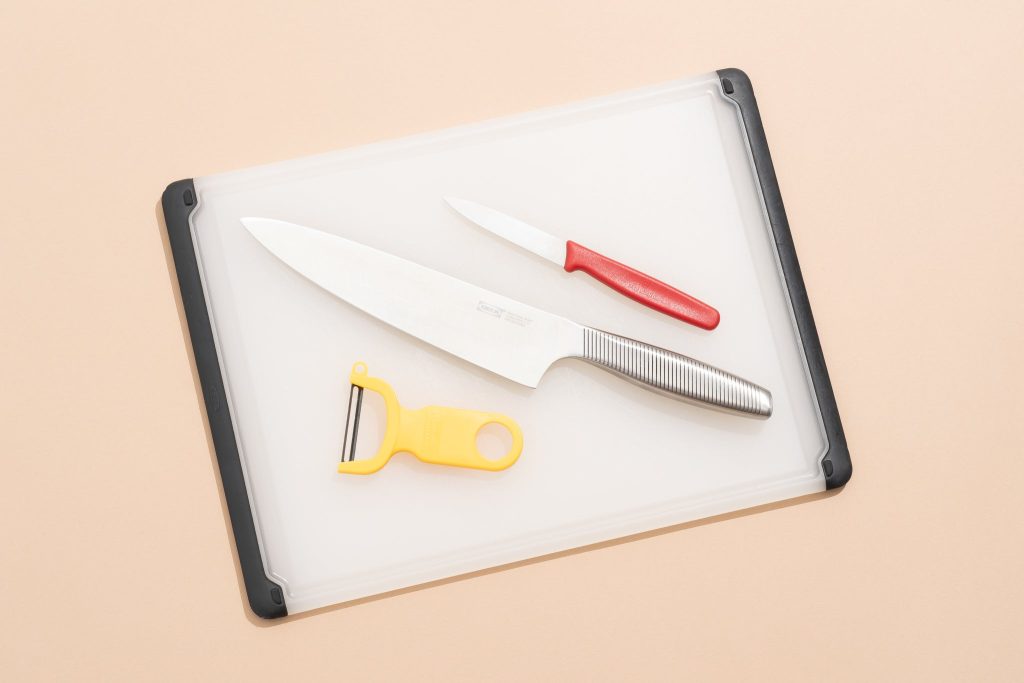
Single‑use kitchen gadgets often promise to solve tiny problems, yet they rarely outperform a good knife or pan. Items like avocado slicers, banana cutters, or egg‑separating spoons tend to live in drawers while you reach for versatile tools. Consumer advocates frequently highlight how many specialty gadgets duplicate functions you already have.
Keeping these devices out of habit can make cooking feel more chaotic, not more efficient, because you dig through clutter to find what you actually use. Focusing on a small set of reliable tools simplifies meal prep and cleanup. When you donate or recycle novelty gadgets, you reclaim space and reduce the temptation to buy the next trendy device you will barely touch.
5) Expired pantry items and spices


Expired pantry items and spices often linger because they do not look obviously spoiled. Dried herbs and ground spices can sit for years, even though testing shows their flavor and potency decline significantly over time. Canned goods and boxed mixes may also remain on shelves long past their best‑by dates, especially when they are pushed to the back.
Continuing to store these items gives you a false sense of being well stocked while you still struggle to plan meals. Rotating your pantry, checking dates, and discarding or composting unusable food helps you see what you actually have. That clarity can reduce overbuying and food waste, and it encourages you to cook with fresher ingredients that taste better and support safer storage habits.
6) Clothes that no longer fit or match your lifestyle
Clothes that no longer fit or suit your current life often stay in closets out of nostalgia or wishful thinking. Wardrobe experts note that many people wear a small fraction of what they own, while the rest hangs untouched for months. When you keep jeans that are two sizes off or office suits you no longer need, you are preserving an identity rather than meeting your present needs.
These garments crowd out the pieces you actually reach for, making it harder to see what works and what needs replacing. Donating or selling unused clothing can support reuse and give you feedback about your real style. Letting go of “someday” items helps you build a wardrobe that reflects who you are now instead of who you used to be.
7) Old chargers, cables, and mystery electronics
Old chargers and cables accumulate quickly as devices change ports and standards. Drawers full of 30‑pin connectors, mini‑USB cords, and unidentified power bricks rarely serve a purpose once you upgrade. Electronics recyclers emphasize that many of these obsolete accessories can be safely processed for materials instead of sitting unused at home.
Hanging on to every cable “just in case” makes it harder to find the few you actually need, and it can even pose a minor fire risk if damaged cords remain plugged in. Sorting by connector type and keeping only what matches current devices simplifies charging and travel. The habit of saving every wire reflects fear of scarcity more than real utility.
8) Free promotional swag and conference giveaways
Free promotional swag, from branded tote bags to stress balls, often feels too new to toss even when you never use it. Companies hand out these items to keep their logos in your daily environment, yet many end up in closets and junk drawers. Environmental groups point out that a large share of low‑value items quickly becomes waste.
Keeping stacks of lanyards, pens that barely write, and flimsy water bottles adds clutter without improving your life. Choosing only a few genuinely useful items and declining the rest reduces the inflow of objects you feel guilty discarding. Over time, saying no to swag helps you prioritize quality tools you would actually buy for yourself.
9) Physical media you no longer play
Physical media like DVDs, Blu‑rays, and CDs often remain on shelves even after you switch to streaming. Many titles are available through major digital platforms, and newer laptops and game consoles sometimes omit disc drives entirely. You may keep entire box sets you have not watched in years because they once felt like an investment.
These collections take up significant space while offering limited flexibility compared with on‑demand libraries and digital purchases. Selling, donating, or digitizing select items can preserve what matters most, such as rare editions or sentimental recordings. Letting go of the rest acknowledges that your viewing and listening habits have changed, and it frees room for uses that fit your current home.
10) Old makeup and personal care products
Old makeup and personal care products often linger in drawers long after their recommended use‑by dates. Dermatology guidance notes that mascara and liquid eyeliner should be replaced within a few months to reduce the risk of eye infections, while foundations and creams also have limited shelf lives. Yet many people keep half‑used bottles and palettes because they were expensive or rarely worn.
Continuing to apply expired products can irritate skin and deliver inconsistent results, especially as formulas separate or dry out. Regularly checking labels, discarding items past their prime, and buying smaller quantities can protect your health and budget. The habit of saving every tube and compact “just in case” usually leads to cluttered counters and less satisfying routines.
11) Gifted items you feel obligated to keep
Gifted items can be emotionally difficult to part with, even when they do not fit your taste or needs. Etiquette experts emphasize that once a gift is given, the recipient controls how to use or let go of it, yet many people still keep unwanted presents out of guilt. A decorative vase you never display or a gadget you never plug in may sit untouched for years.
Holding on to these objects preserves other people’s expectations at the expense of your space and comfort. Quietly donating or regifting items can allow them to serve someone who genuinely appreciates them. Shifting your focus from the object to the relationship helps you remember that gratitude does not require permanent storage.
12) Paper manuals and packaging for electronics
Paper manuals and original boxes for electronics often occupy closets long after you stop needing them. Many manufacturers host full digital manuals and driver downloads, making thick booklets redundant. You may keep packaging in case of returns or moves, but once warranty periods pass and you settle in, those cardboard shells mostly trap dust.
Storing every box for every device quickly consumes valuable space that could hold items you actually use. Keeping only packaging for high‑value gear you might resell, and recycling the rest, strikes a better balance. The habit of saving all manuals and boxes reflects an older era when replacement parts and instructions were harder to access than they are today.
13) Extra linens and towels far beyond your needs
Extra linens and towels accumulate gradually, especially when you upgrade bedding or receive sets as gifts. Household guides often suggest that two or three towel sets per person and a couple of sheet sets per bed are sufficient for regular use and laundry rotation. Yet many closets hold stacks of faded, mismatched, or scratchy textiles that rarely see daylight.
Keeping far more than you use makes it harder to find the best pieces and encourages you to postpone replacing worn items. Donating serviceable extras to shelters or animal rescues can put them to work immediately. Curating a smaller, higher‑quality collection simplifies storage and makes everyday routines like changing sheets feel less like a chore.
14) Fitness equipment that doubles as a clothes rack
Fitness equipment such as treadmills, stationary bikes, or ab benches often becomes a resting place for laundry instead of a tool for exercise. Surveys of home gym owners frequently find that a significant share of equipment goes largely unused after an initial burst of enthusiasm. You may keep a bulky machine because it symbolizes an intention to get fit, even if you now prefer walking outside or attending classes.
Allowing these items to dominate a room without serving your current habits can create guilt and visual clutter. Selling or donating them and replacing them with smaller, more flexible tools like resistance bands or adjustable dumbbells can better match your routine. Letting go of aspirational gear makes it easier to design a realistic, sustainable approach to movement.
15) Old laptops and desktop computers
Old laptops and desktop computers often remain tucked under desks or in closets long after they stop meeting your needs. Technology recycling programs highlight that many retired systems still contain recoverable materials and sensitive data. You may keep a sluggish notebook or tower as a backup, yet you rarely power it on or update its software.
Leaving these machines idle increases the chance that unencrypted files sit forgotten on aging drives. Properly wiping and recycling or donating them can protect your information and reduce electronic waste. The habit of storing every old computer reflects a fear of losing access, even though modern cloud backups and lighter devices now carry most of your important work.
16) Notebooks, planners, and office supplies you never finish
Notebooks, planners, and office supplies can multiply quickly if you enjoy stationery or frequently start new systems. Many people keep shelves of half‑used journals and stacks of sticky notes while continuing to buy fresh designs. Productivity research often notes that switching tools repeatedly can undermine consistency, even when each new method promises better focus.
Holding on to every pad and planner “just in case” clutters your workspace and makes it harder to commit to a single workflow. Choosing one primary capture tool and recycling or donating the rest can streamline your environment. When your desk reflects the way you actually plan and think, rather than every system you have ever tried, it becomes easier to stay organized and follow through.
More from Decluttering Mom: