


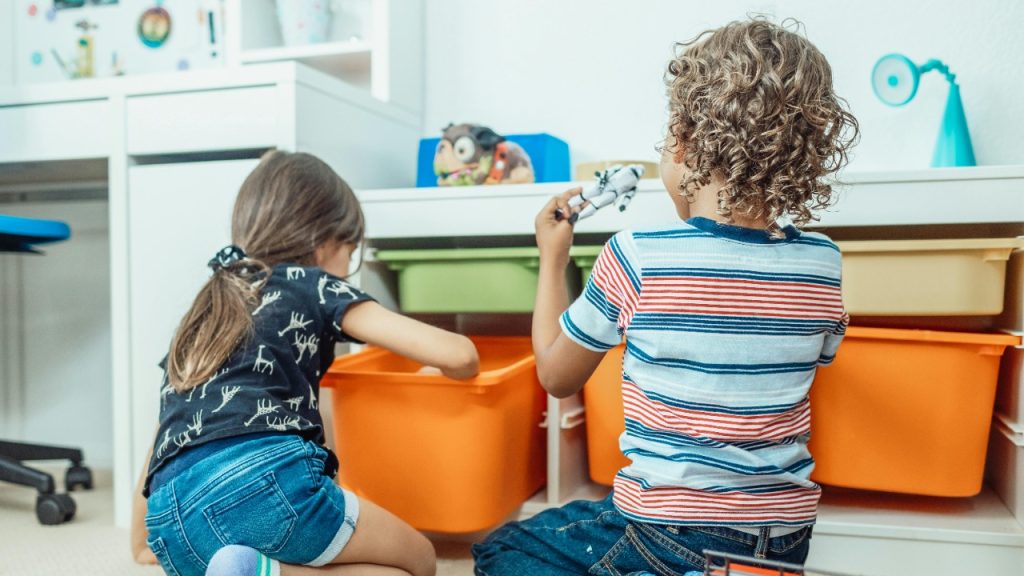
Toddlers are a wonderful but messy delight. They have a knack for turning once orderly spaces into chaotic messes, with toys, clothes, and other items strewn all about. But don’t despair, decluttering with toddlers doesn’t have to be a Herculean task.
With a little creativity, patience, and the right strategies, it’s possible to transform your home into a tidy space once again, while even teaching your little ones about organization. Here are 16 valuable tips to make decluttering with toddlers not just manageable, but fun too.
1. Make It a Game

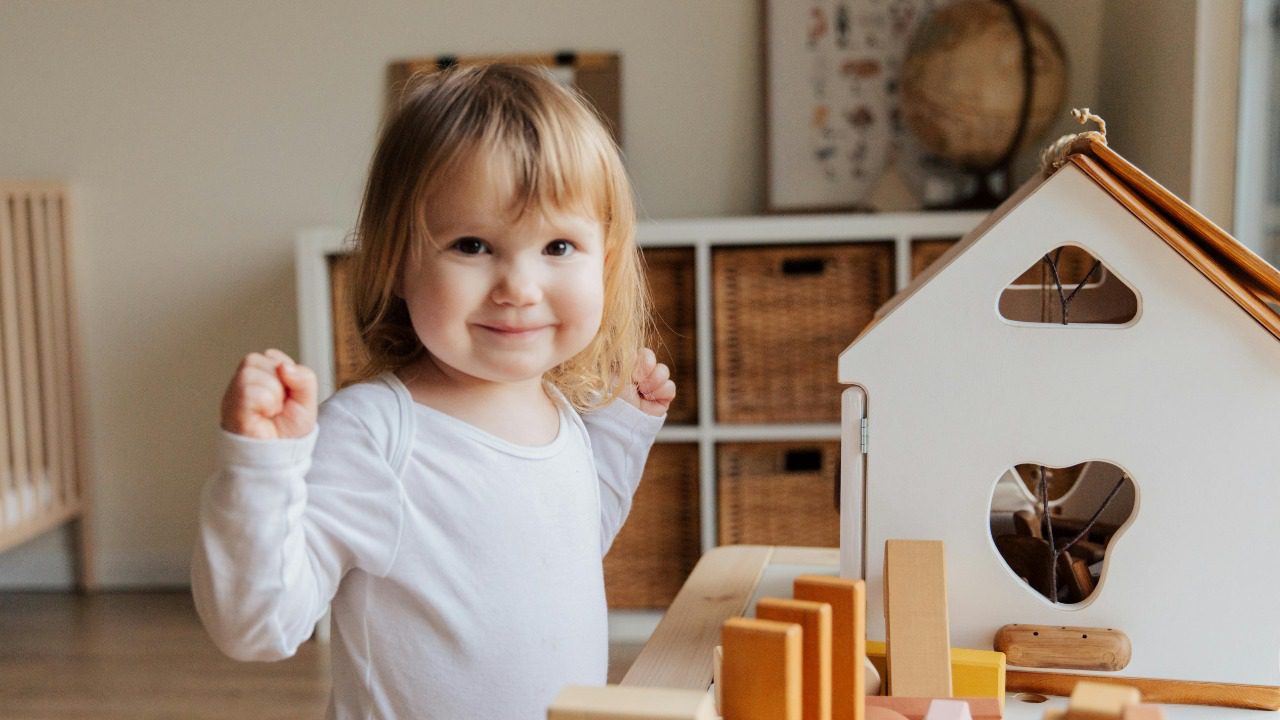
Turn decluttering into a fun game. Toddlers love to play and are more likely to engage in activities that they find exciting. You can create a game where they have to pick up their toys and put them in a specific place. For example, you could make a ‘toy basket toss’ game, where they have to throw their toys into the basket.
This not only keeps them entertained but also helps to instill a sense of responsibility in them from an early age. Over time, they’ll start picking up their toys without any prompting. Remember to celebrate their victories, no matter how small. Positive reinforcement goes a long way in encouraging good behavior.
2. Use Storage Bins and Baskets

Storage bins and baskets can be your best friends when decluttering with toddlers. They are excellent for keeping toys, books, and other items organized. Have different bins for different types of toys and label them with pictures so your toddlers can easily recognize where their toys belong.
In addition to keeping things tidy, this also becomes an educational activity. Your toddlers will learn to sort items based on their categories, which is a fundamental skill in early childhood development. You can also let them choose the bins and baskets they like to make the process more exciting for them.
3. Get Your Toddler Involved
It’s essential to involve your toddler in the decluttering process. This can be as simple as asking them to help you pick up their toys or clothes. Make sure you provide clear, simple instructions that they can easily follow.
Getting your toddler involved not only helps lighten your load but also teaches them about responsibility and the importance of cleanliness. It’s also a great way to spend quality time together. Remember to be patient and encouraging. It’s okay if they don’t get it right the first time. The goal is to make the process enjoyable for them.
4. Keep a Regular Schedule
Consistency is key when decluttering with toddlers. Set a specific time each day for tidying up, such as before bedtime or after playtime. This helps establish a routine, making it easier for your toddler to understand what is expected of them.
Having a regular schedule also helps to prevent messes from piling up. Instead of having to deal with a week’s worth of clutter, you’ll only have to handle a day’s worth. This makes the task less daunting and more manageable. Plus, your toddler will likely be more willing to help if they know it’s a part of their daily routine.
5. Declutter in Small Steps
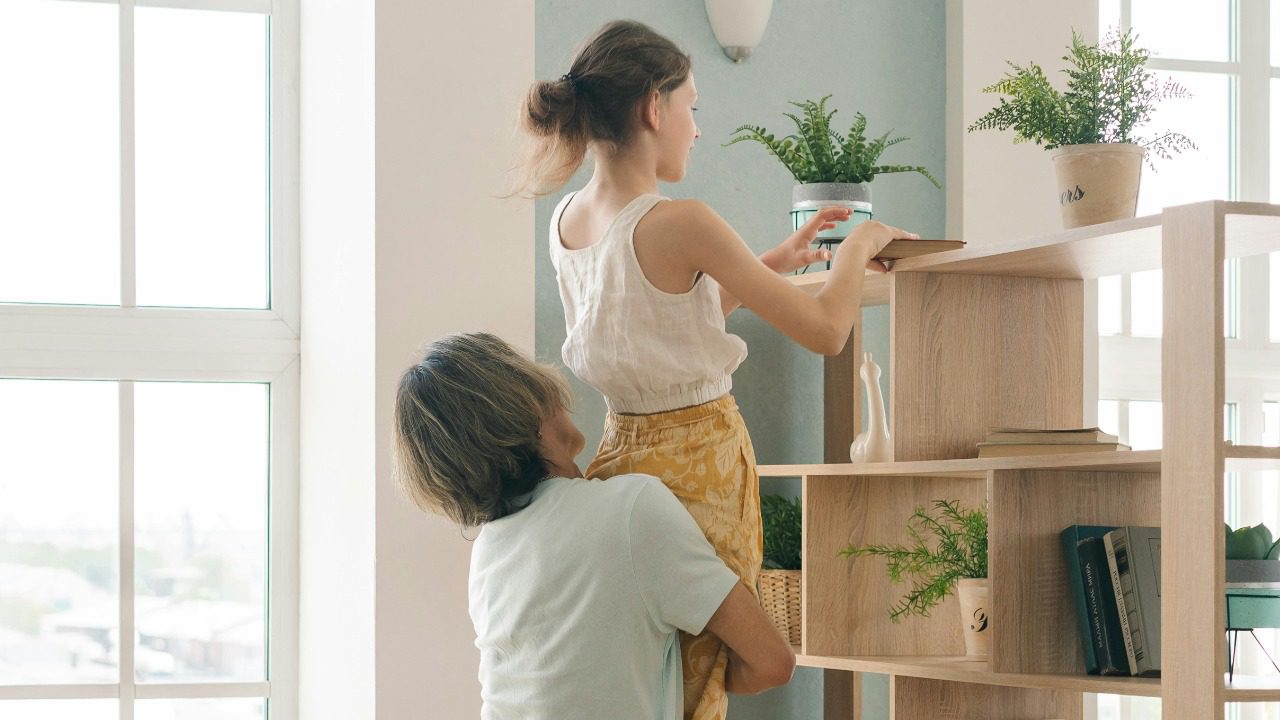
Decluttering doesn’t have to be done all at once. In fact, it might be more effective (and less overwhelming) to declutter in small steps. You can start with one area or room and gradually move on to others.
This method is not only less stressful for you, but also for your toddler. They might feel overwhelmed if they see all their toys being sorted out at once. But if it’s done gradually, they can better understand the process and even enjoy it. Plus, it gives you a chance to celebrate small victories and keep the momentum going.
6. Donate Unused Items


Donating unused items is a great way to declutter and teach your toddler about the importance of giving. Go through your toddler’s toys and clothes with them and ask them to choose the ones they no longer want or need.
Don’t force them to give away their items. Instead, explain to them how their unused toys or clothes can make another child happy. This can help instill a sense of empathy and generosity in them. Plus, it’s a practical way to reduce clutter in your home.
7. Use Vertical Space
When space is limited, using vertical space can be a practical solution. Install shelves or hooks on the walls to store toys, books, or clothes. You can also use hanging shoe organizers to store small toys or accessories.
Using vertical space not only helps to declutter but also makes it easier for your toddler to find their items. Plus, it’s a great way to make use of unused space and keep things within your toddler’s reach. Just make sure the items stored are safe and pose no risk of falling.
8. Keep Similar Items Together

Keeping similar items together can make it easier for your toddler to find their toys or clothes. For instance, you can keep all the stuffed animals in one bin, all the cars in another, and so on.
This not only helps to declutter but also teaches your toddler about categorization. They’ll learn to associate similar items together, which can be beneficial for their cognitive development. Plus, it makes clean-up time faster and more efficient.
9. Use Clear Storage Containers
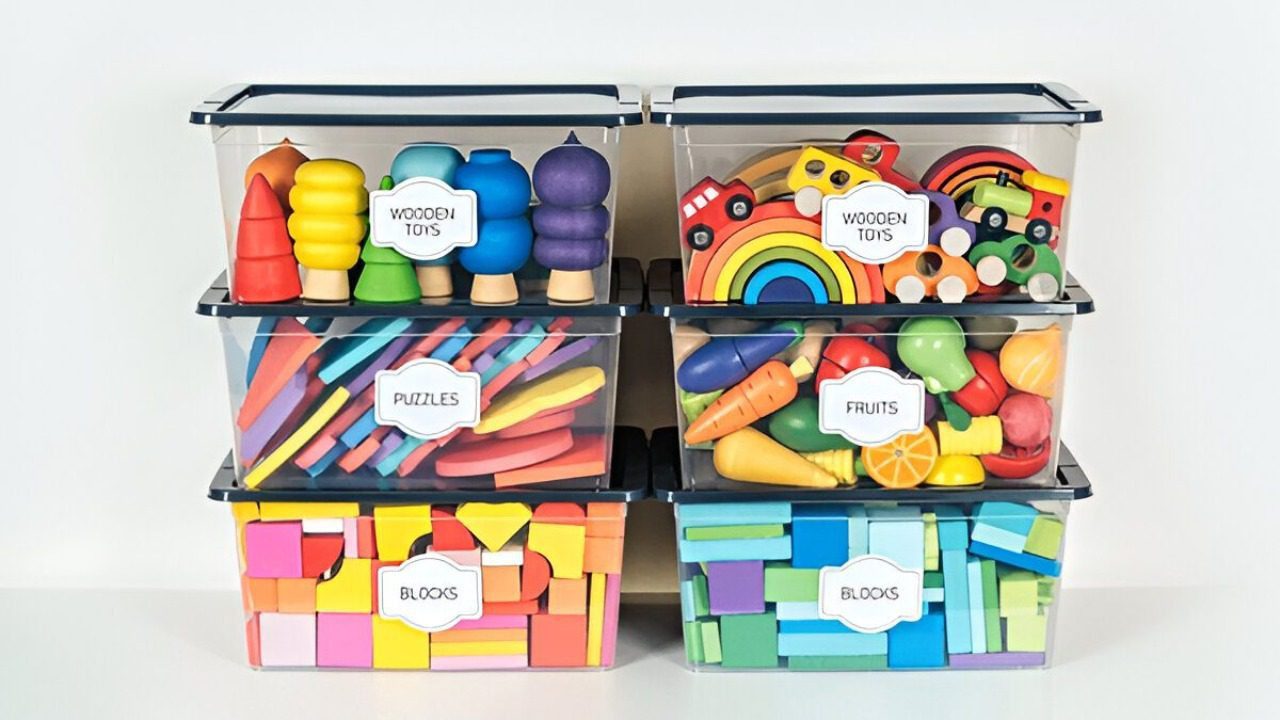
Clear storage containers can be very useful when decluttering with toddlers. They allow your toddler to see what’s inside without having to open them. This makes it easier for them to find their toys or clothes.
Plus, clear containers can prevent unnecessary messes. Your toddler won’t have to empty the entire container just to find one toy. And since they can see what’s inside, they’re more likely to put the items back in the right place.
10. Make Use of Under-Bed Storage
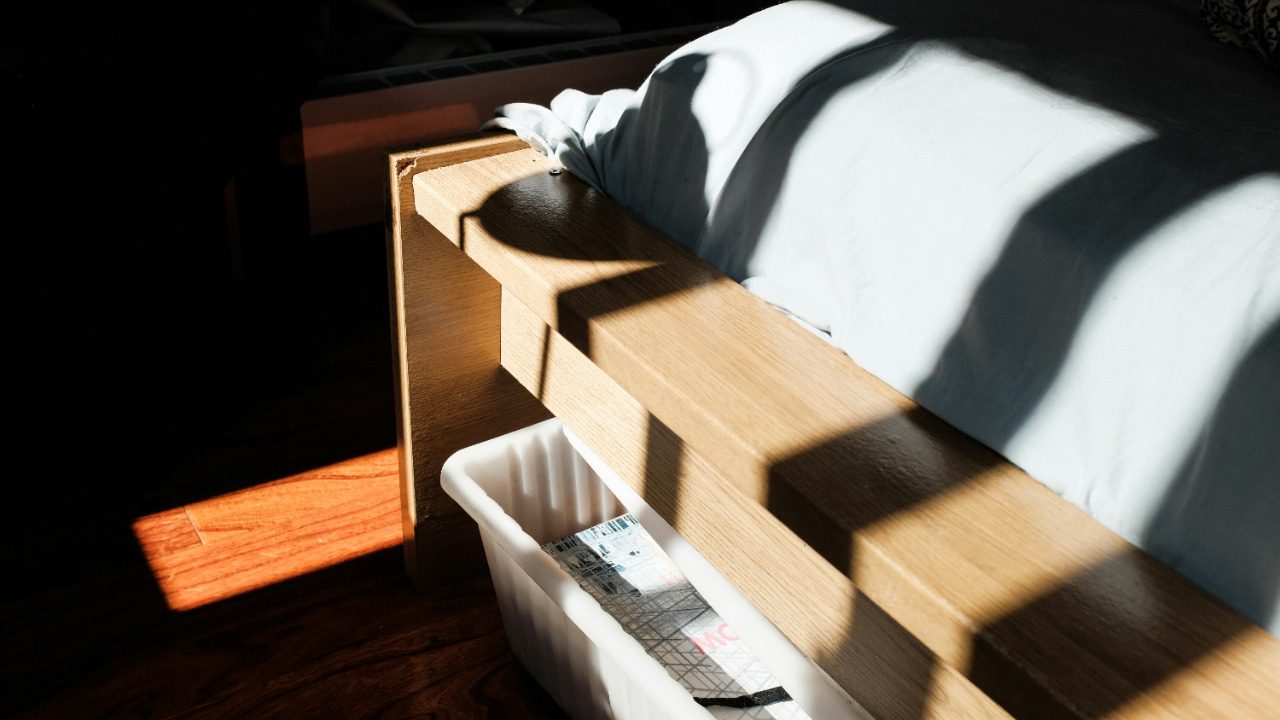
Under-bed storage is a great way to utilize unused space. You can use it to store toys, clothes, or other items that your toddler doesn’t use frequently.
This can help keep your toddler’s room tidy and clutter-free. Plus, it’s a great way to teach them about maximizing space. Just make sure the items stored are safe and suitable for under-bed storage.
11. Label Everything


Labeling everything can make decluttering with toddlers much easier. You can label bins, baskets, shelves, and other storage spaces with pictures or words, depending on your toddler’s age and reading ability.
This not only helps your toddler identify where their items belong, but also promotes literacy skills. Plus, it gives them a sense of ownership and responsibility, as they’ll know exactly where to put their items after using them.
12. Keep a ‘Maybe’ Box
A ‘maybe’ box can be useful when you’re unsure whether to keep or discard an item. You can put items in this box and revisit it after a few months. If your toddler hasn’t asked for the item during that time, you can consider donating it.
This strategy can help reduce clutter and make the decluttering process less stressful. Plus, it gives you and your toddler time to think about whether you really need the item or not.
13. Use Toy Rotation

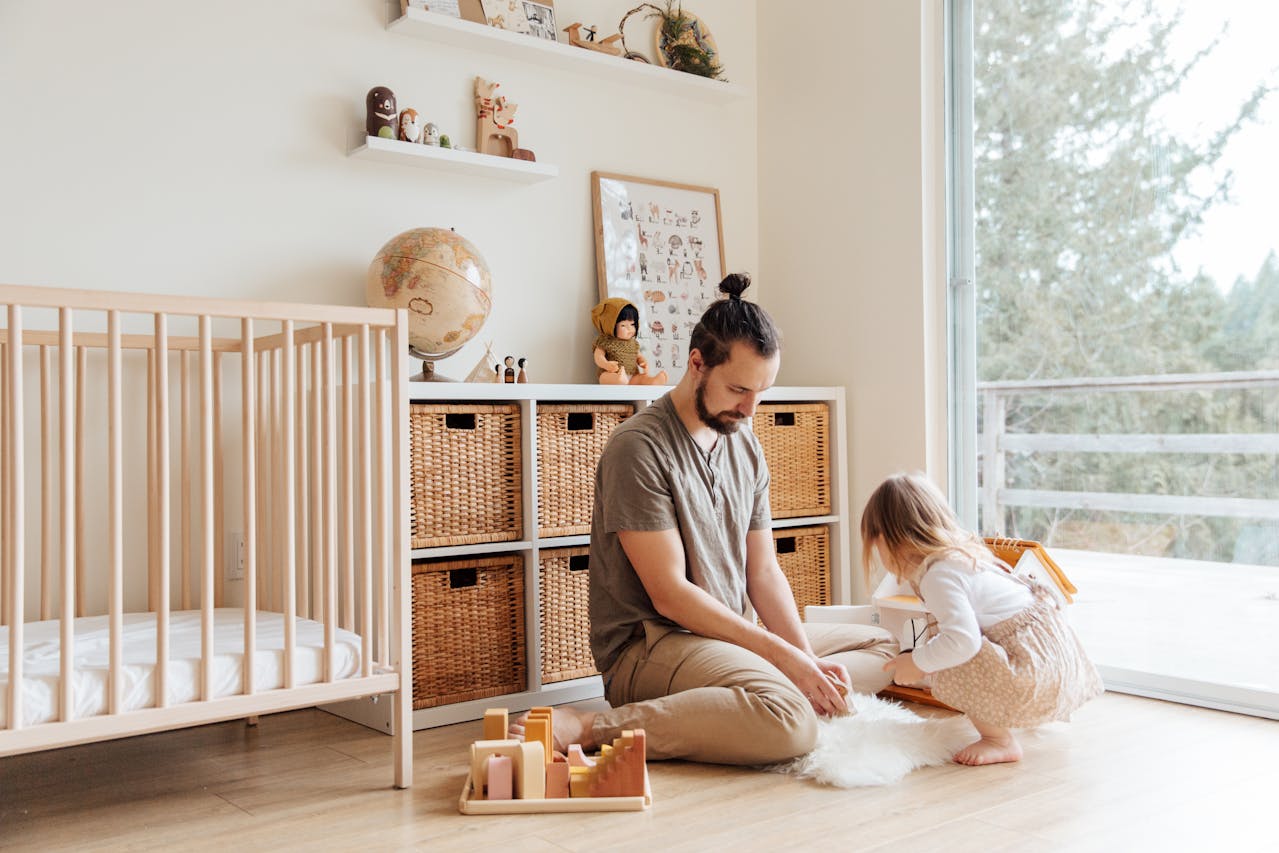
Toy rotation is a great way to keep your toddler’s interest in their toys while reducing clutter. You can keep a certain number of toys out and store the rest. Every few weeks, swap out the toys.
This not only keeps your toddler excited about their toys, but also makes it easier to keep their play area tidy. Plus, it prevents them from becoming overwhelmed by too many toys at once.
14. Keep a Designated Play Area

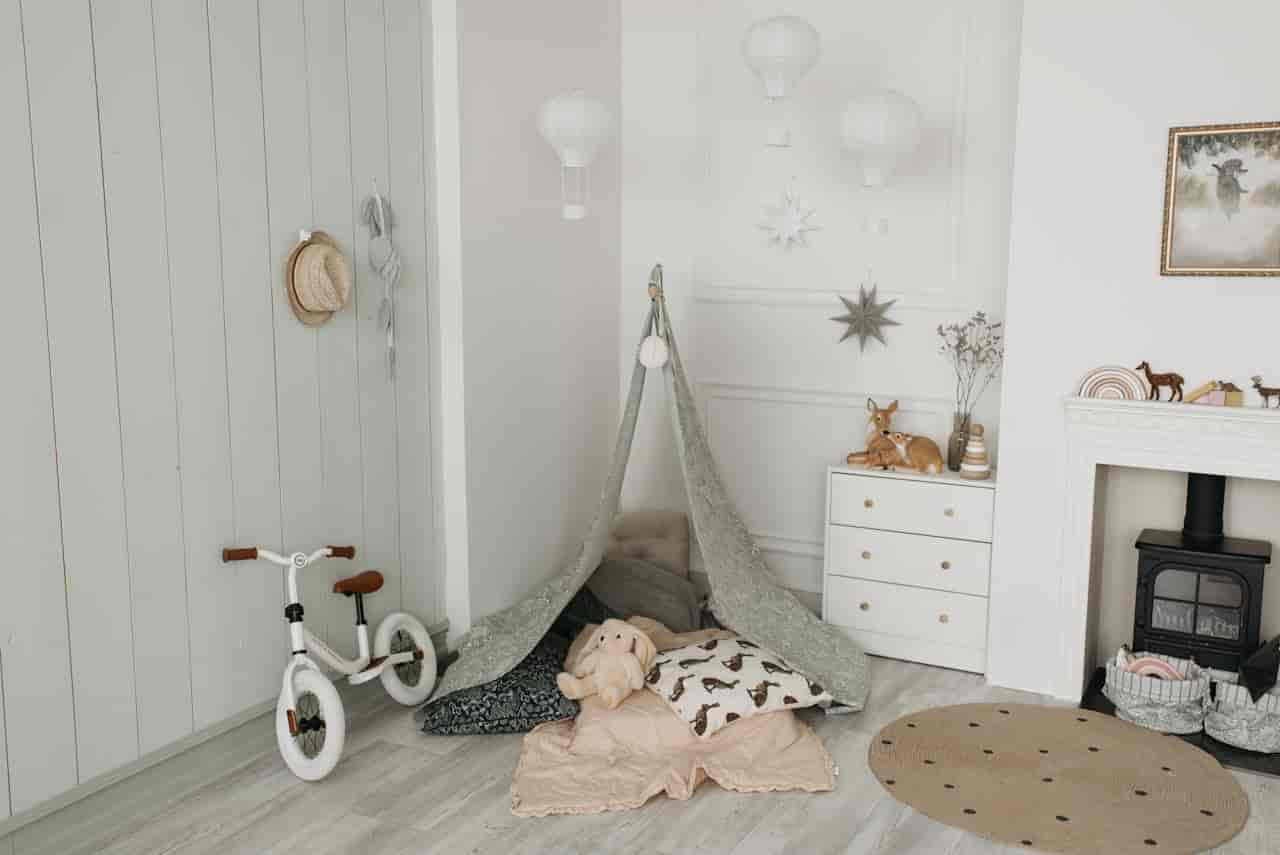
Having a designated play area can help contain the mess and make clean-up time easier. You can set up a specific area in your home where your toddler can play with their toys.
This not only helps to declutter other areas of your home, but also teaches your toddler to respect boundaries. Plus, it makes it easier for them to find and put away their toys.
15. Teach the ‘One In, One Out’ Rule

The ‘one in, one out’ rule is a great way to maintain a clutter-free home. Teach your toddler that for every new toy or item they get, they need to give away or discard one old item.
This not only helps to control the amount of stuff in your home, but also teaches your toddler about the value of things. Plus, it encourages them to make thoughtful decisions about what they truly want and need.
16. Be Patient and Consistent

Finally, remember to be patient and consistent. Decluttering with toddlers can be challenging, but with persistence and the right strategies, it’s definitely doable.
Don’t expect your toddler to get everything right the first time. It’s a learning process for them. Keep encouraging them and celebrating their small victories. Most importantly, make the process enjoyable for both of you. With time, you’ll not only have a clutter-free home, but also a toddler who understands the importance of organization and cleanliness.