



Cleaning should ideally be a task that offers a sense of accomplishment and satisfaction once it’s done. However, many of us grapple with it as a daunting chore that seems to eat up a lot of our precious time. What if I told you that you could be making some common cleaning mistakes that are actually wasting your time?
Let’s identify and delve into 17 cleaning mistakes that you could be making and offer solutions to turn your cleaning routine into a more efficient and enjoyable task. Let’s dive in!
1. Not having a cleaning plan


Many of us begin cleaning without a proper plan, which can result in wasted time and inefficient cleaning. It’s essential to start with a cleaning plan that outlines what needs to be cleaned, how, and in what order.
A systematic cleaning plan can help you to focus and work more efficiently. Start by prioritizing areas that need the most cleaning or those that will be used soon. For instance, if you’re expecting guests, you might want to start with the living room or guest bathroom. A well-thought-out plan helps you avoid cleaning already cleaned areas and ensures every area gets the attention it requires.
2. Using the wrong cleaning tools
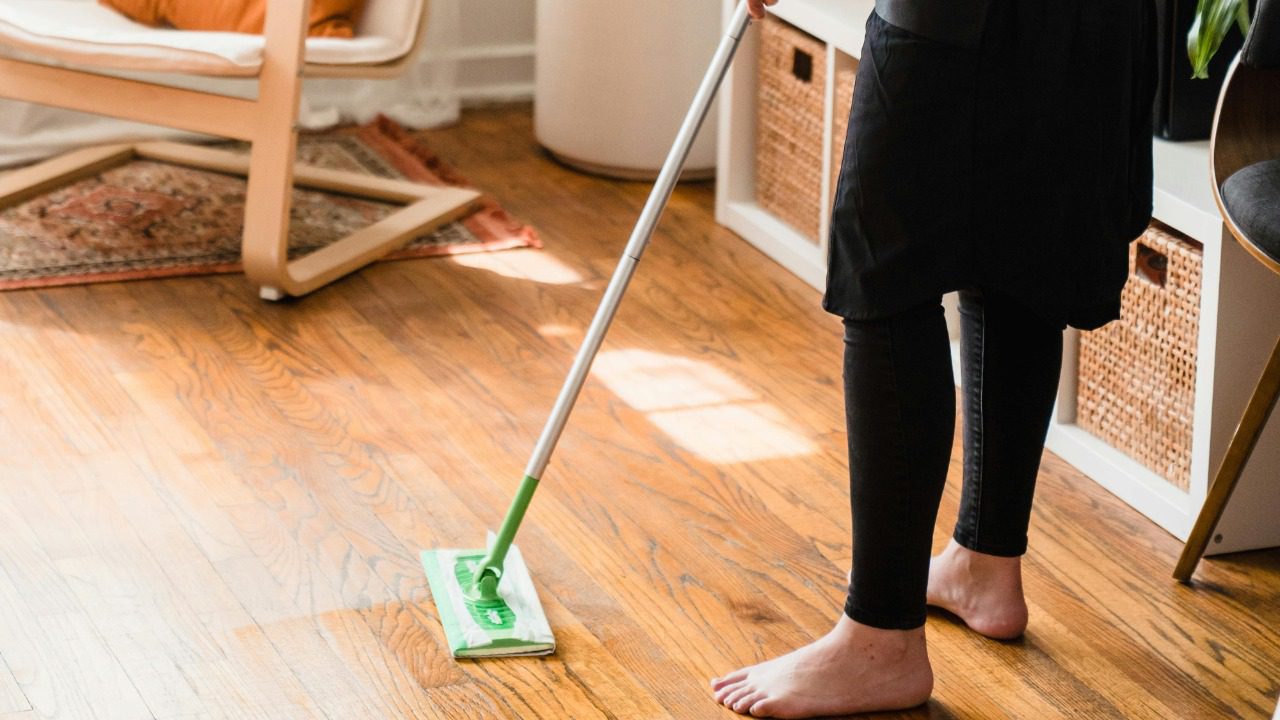
Using the wrong tools for cleaning is another common mistake that leads to inefficiency and time wastage. Just like a chef needs the right tools to prepare a delicious meal, the right cleaning tools are crucial for effective cleaning.
Invest in high-quality, durable, and appropriate cleaning tools for different tasks. For instance, a microfiber mop is more effective on hardwood floors than a traditional string mop. Similarly, a vacuum cleaner with various attachments can be more efficient in cleaning upholstery, curtains, and hard-to-reach corners. Using the right tools not only saves time but also protects your surfaces from potential damage.
3. Not using cleaning products correctly
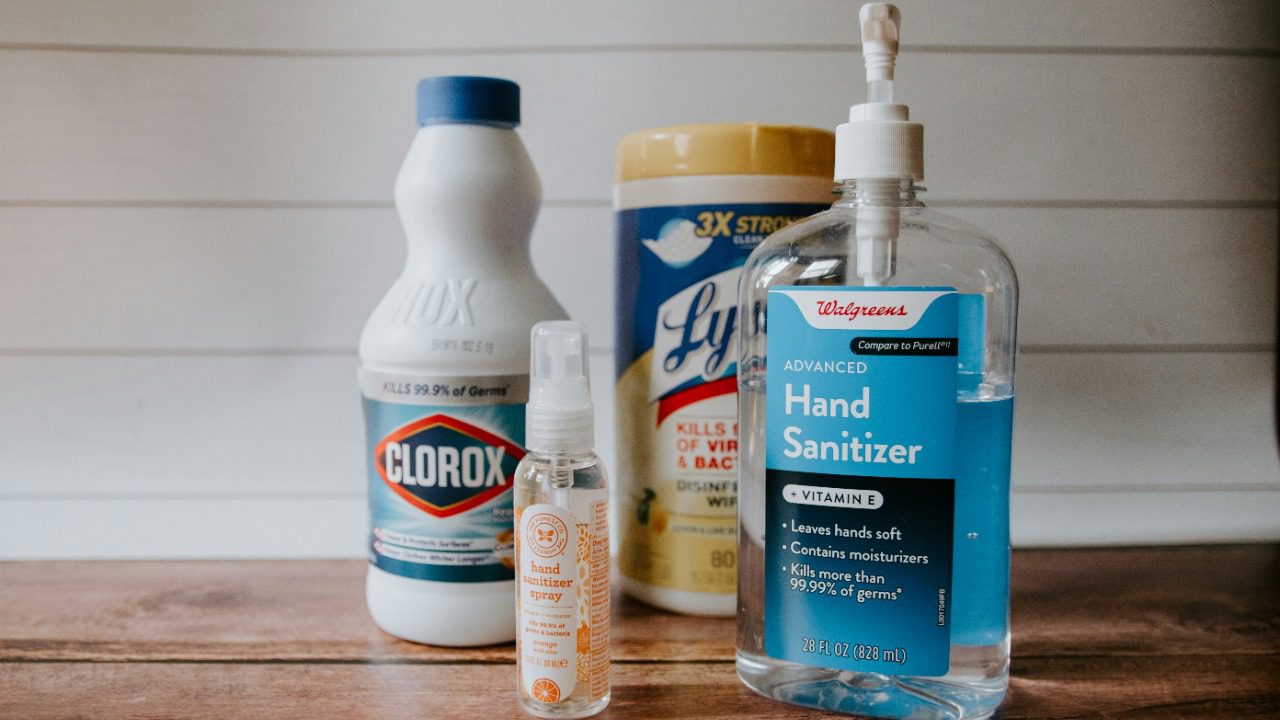
Many people make the mistake of not using cleaning products correctly. This can lead to ineffective cleaning, damage to surfaces, or even health risks.
Always read and follow instructions on cleaning products. Some products may need to be diluted before use, while others may require a certain dwell time to effectively kill germs and bacteria. Using too much product doesn’t necessarily mean better cleaning results. In fact, it could end up leaving a residue that attracts more dirt and grime.
4. Not decluttering before cleaning
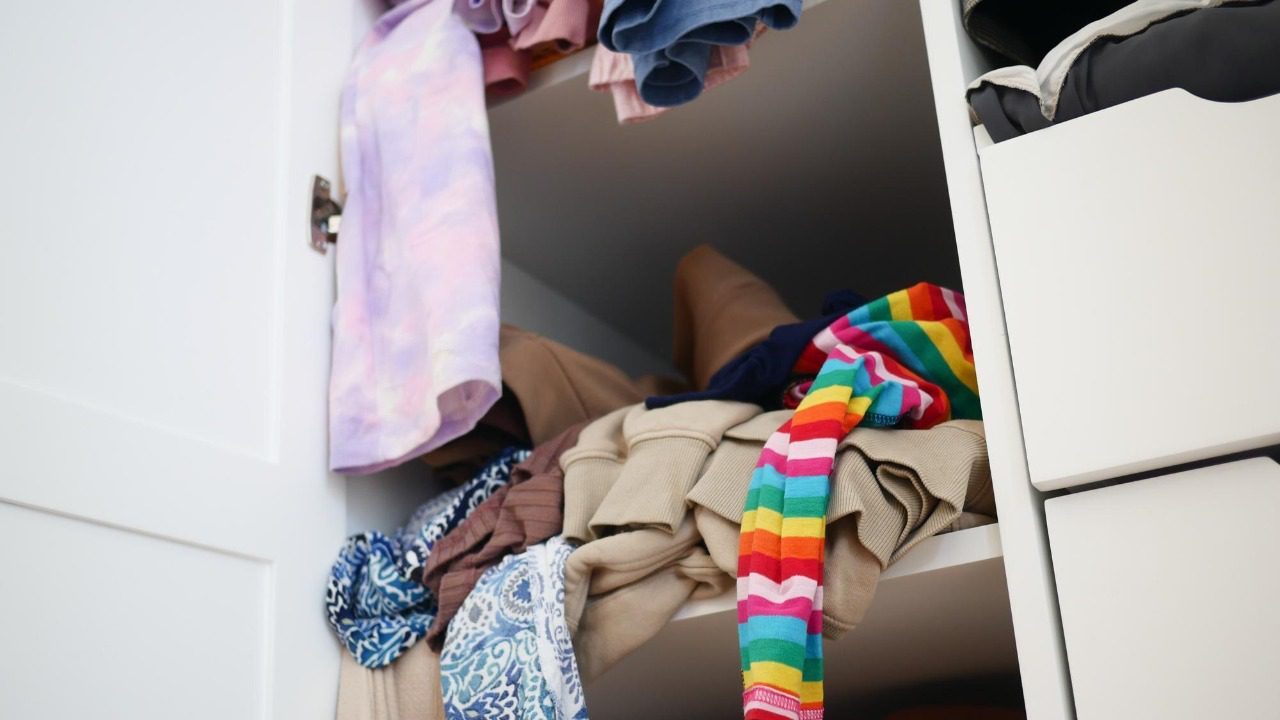
Cleaning without decluttering first is like trying to mop the floor with toys scattered around. It’s not only frustrating but also time-consuming and inefficient.
Before you start cleaning, take some time to declutter the area. Clear countertops, pick up items off the floor, and put things back where they belong. This way, you’ll have a clear space to clean, and you won’t have to constantly stop to move things around.
5. Ignoring high-touch areas

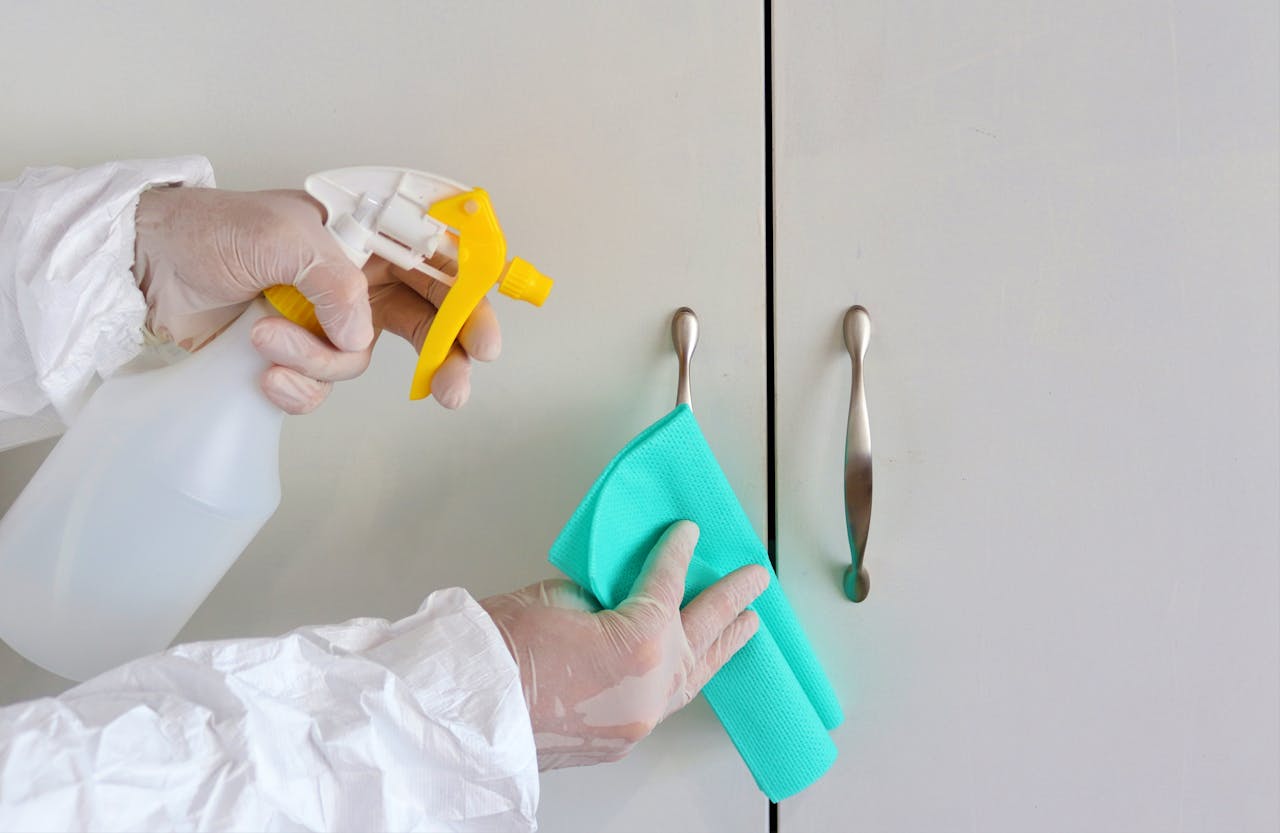
High-touch areas like doorknobs, light switches, and remote controls are often overlooked during cleaning. However, these areas are hotspots for germs and can cross-contaminate other areas.
Make sure to include high-touch areas in your cleaning plan. Use a suitable disinfectant and clean these areas regularly to reduce the spread of germs in your home.
6. Not cleaning from top to bottom
If you start cleaning from the bottom, you’re likely to have to redo your work. Dust and debris from higher surfaces will fall onto the freshly cleaned lower ones.
Always start cleaning from top to bottom. This way, any dust or dirt that falls will be cleaned up in the next step, saving you from having to clean the same area twice.
7. Neglecting the cleaning tools
Cleaning tools like mops, brushes, and vacuum cleaners can harbor dirt and germs if not cleaned properly after use. This not only reduces their effectiveness but can also spread dirt and bacteria around your home.
After each cleaning session, take the time to clean your tools properly. Rinse out mops and scrub brushes, and empty and clean your vacuum cleaner. This will ensure your tools are ready for the next use and help to maintain a clean and healthy home.
8. Overlooking hidden areas


Hidden areas such as under furniture, behind appliances, and inside cupboards often get neglected during cleaning. However, these areas can collect a surprising amount of dust and grime.
In your cleaning plan, include time to move furniture and appliances to clean behind and underneath them. For cupboards and closets, schedule regular deep cleanings to clear out dust and clutter.
9. Not maintaining a regular cleaning schedule


Cleaning is more manageable and less time-consuming when done regularly. Letting dirt and grime build up over time will inevitably make the task harder and longer.
Maintain a regular cleaning schedule to keep on top of the mess. This could be daily cleaning tasks like washing dishes, weekly tasks like vacuuming and dusting, and monthly tasks like deep-cleaning bathrooms or kitchens.
10. Cleaning with dirty solutions

When your cleaning solution gets dirty, it’s not going to clean effectively. You’re essentially just spreading the dirt around.
Change your cleaning solution as soon as it gets dirty. This will ensure you’re actually cleaning and not just moving dirt from one place to another.
11. Not sorting laundry properly

Sorting laundry is more than just separating whites and colors. Different fabrics and levels of dirtiness require different wash settings.
Sort your laundry by color, fabric type, and soil level. This will ensure your clothes get the right treatment, and you won’t waste time re-washing items that didn’t get clean the first time.
12. Not pre-treating stains

Trying to remove stains during the normal wash cycle can be a waste of time. Pre-treating stains can make a big difference.
Before you wash stained clothing, apply a stain remover and let it sit for a few minutes. This will loosen the stain and make it easier to remove during the wash.
13. Using too much laundry detergent
Using too much laundry detergent can actually make your clothes dirtier. Excess suds can trap dirt and redeposit it onto your clothes.
Use the recommended amount of laundry detergent. If your clothes are very dirty, it’s better to pre-treat stains or wash the items twice, rather than using more detergent.
14. Not cleaning the dishwasher

Your dishwasher can’t clean effectively if it’s clogged with food particles and soap scum. Not cleaning your dishwasher regularly can lead to unpleasant odors and poorly cleaned dishes.
Clean your dishwasher regularly to keep it running efficiently. This includes wiping down the door, cleaning the filter, and running a dishwasher cleaner through a cycle.
15. Not emptying the vacuum cleaner
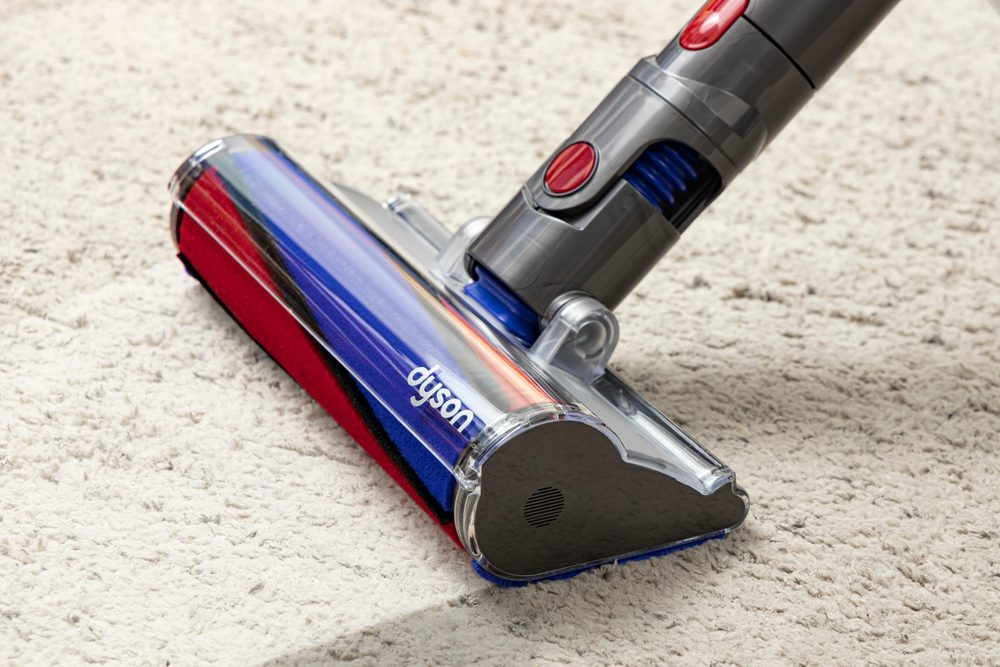
A full vacuum cleaner loses suction power and can’t pick up dirt effectively. It also puts more strain on the motor, which can shorten the life of your vacuum.
Empty the vacuum cleaner after each use. It’s a small task that can make a big difference in how well your vacuum cleans.
16. Ignoring the bedding

Your bedding can be a breeding ground for dust mites and allergens. Not washing your bedding regularly can affect the air quality in your bedroom and impact your sleep.
Wash your bedding once a week to keep it fresh and clean. This includes sheets, pillowcases, and comforter covers. And don’t forget about washing your pillows and comforters occasionally as well.
17. Using one disinfectant wipe for multiple surfaces

One disinfectant wipe is not enough to clean and disinfect multiple surfaces. You’re just spreading germs around.
Use one disinfectant wipe per surface or item. If the wipe gets dry or dirty before you’re done, get a new one. It’s better to use a few extra wipes than to risk spreading germs around your home.