



Cleaning isn’t exactly the most glamorous or exciting task, but it’s something we all have to do. It can be time-consuming and tedious, but it’s necessary to maintain a clean and hygienic environment. However, there are many myths and misconceptions about cleaning that can make the job even more difficult and time-consuming than it needs to be.
So, let’s debunk some cleaning myths that are wasting your effort, so you can clean smarter, not harder.
Myth 1: More Soap Equals Cleaner Surfaces

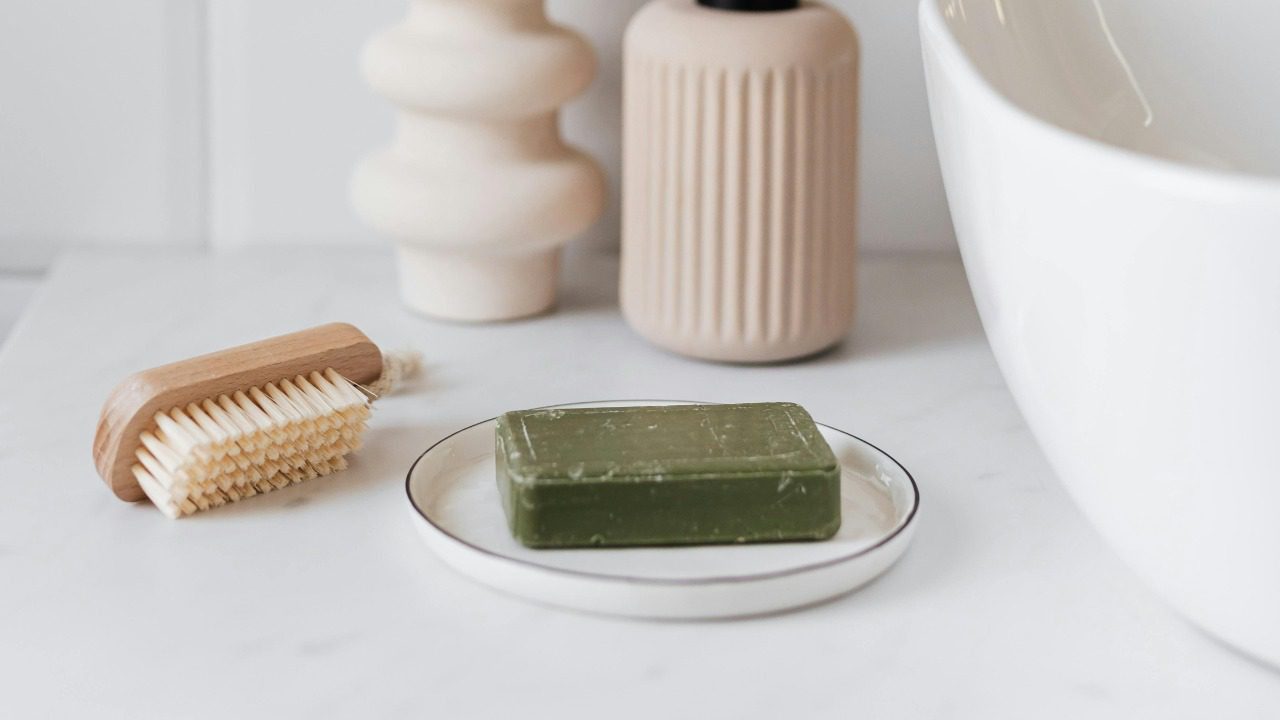
More soap does not necessarily mean cleaner surfaces. In fact, using too much soap can actually be counterproductive. Soap works by attracting dirt and grime, so if you use too much, you can end up with a soapy, grimy residue that’s difficult to rinse away.
Moreover, excessive soap can damage certain surfaces, such as tile and hardwood. It can cause a buildup that dulls the finish and makes the surface slippery. Instead, use just enough soap to create a lather, and always rinse thoroughly to ensure all soap and dirt are removed.
Myth 2: Feather Dusters Are Effective Dusting Tools

Feather dusters may seem like a classic cleaning tool, but they’re not as effective as you might think. Rather than picking up dust, feather dusters often simply move it around, spreading it into the air and onto other surfaces.
Instead of a feather duster, consider using a microfiber cloth for dusting. The fibers in these cloths are designed to trap and hold onto dust particles, rather than letting them float away. Microfiber cloths are also machine washable, making them an eco-friendly and cost-effective choice.
Myth 3: Vinegar Is a Universal Cleaner
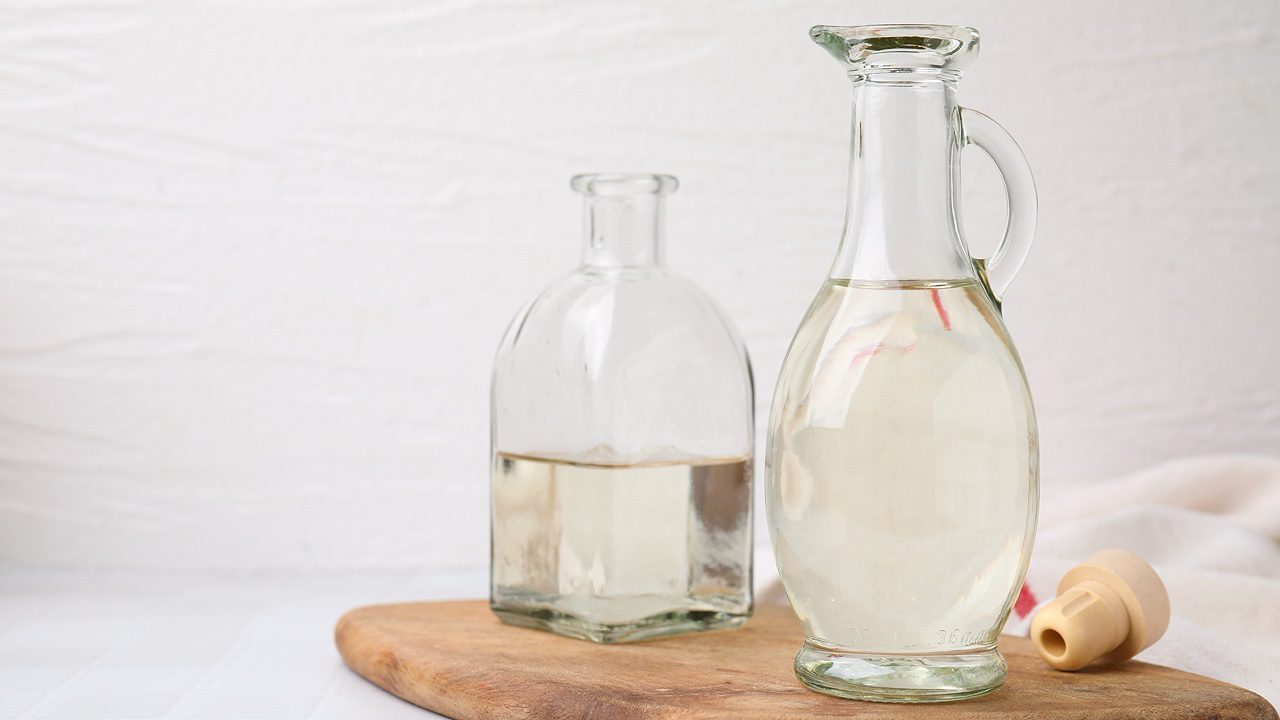
Vinegar is often touted as a natural, safe all-purpose cleaner. But while vinegar can be effective for cleaning certain things, it’s not suitable for every surface. For example, vinegar is acidic and can damage natural stone surfaces like granite or marble, as well as wooden surfaces.
When using vinegar, it’s important to dilute it with water and use it on appropriate surfaces. And remember, just because something is natural doesn’t mean it’s harmless. Always test a small, hidden area first to ensure the vinegar won’t cause discoloration or damage.
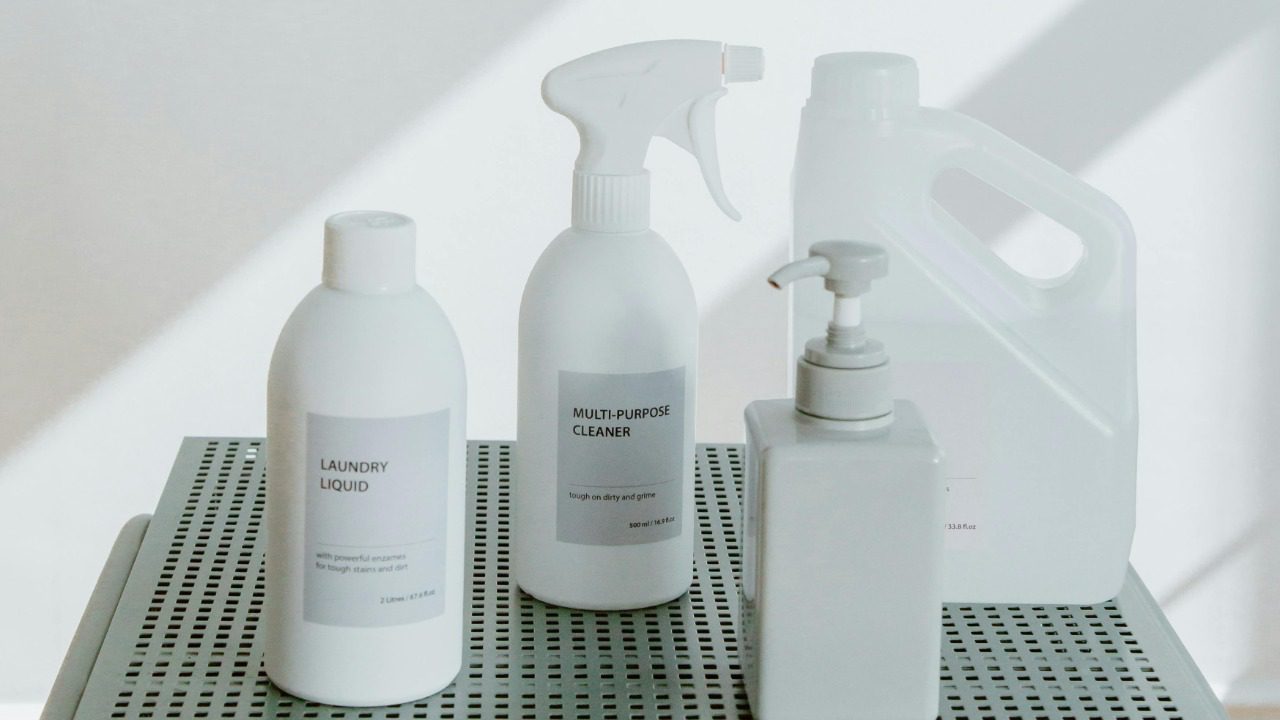
Myth 4: All Cleaning Products Are Safe
Myth 5: Newspaper Is the Best Tool for Cleaning Windows

While newspaper is often recommended as a cheap and effective tool for cleaning windows, it’s not necessarily the best choice. Newspaper ink can smudge and leave streaks, especially if the window is not completely dry.
Instead, consider using a squeegee or a microfiber cloth for cleaning windows. These tools are designed to absorb water and leave a streak-free finish. And remember, always clean windows on a cloudy day or in the shade to prevent the cleaning solution from drying too quickly and leaving streaks.
Myth 6: Bleach is the Ultimate Cleaner
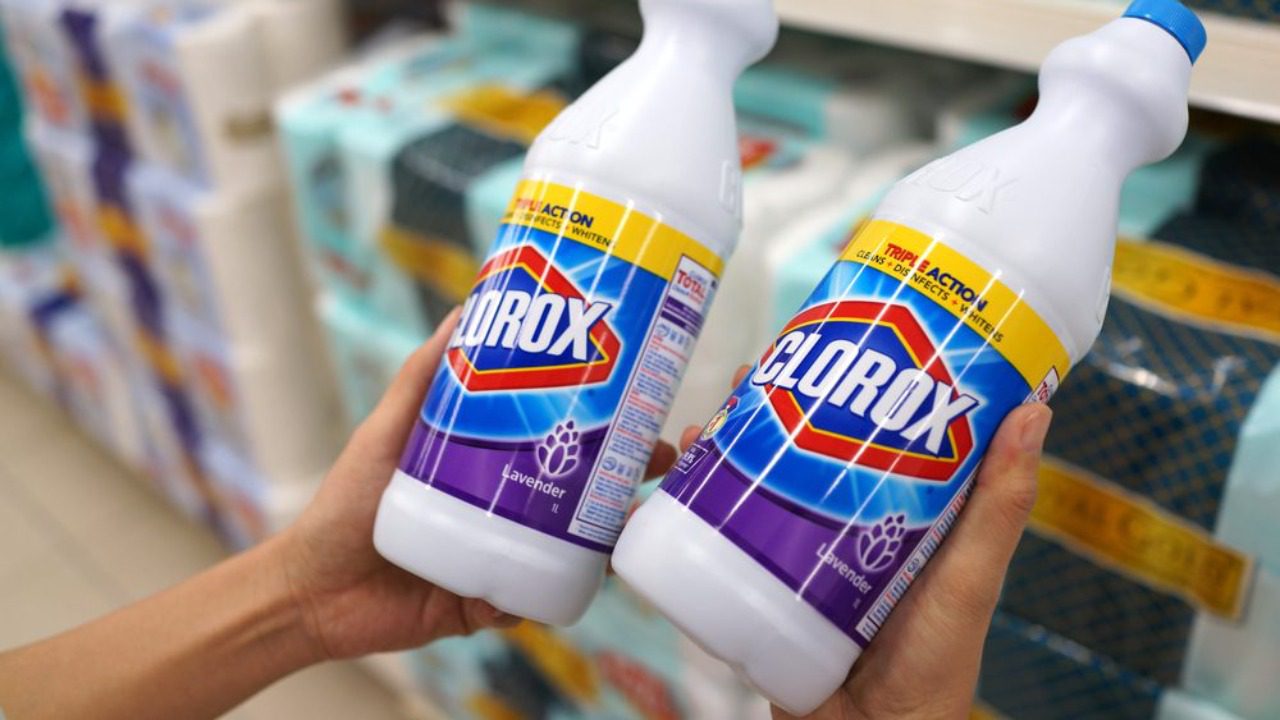
Bleach is often seen as a strong and versatile cleaner, but it’s not the ultimate cleaning solution it’s often made out to be. Bleach does have strong disinfecting properties, but it doesn’t actually clean dirt and grime. Instead, it whitens and kills bacteria.
When using bleach, it’s important to remember that it should be used in a well-ventilated area and never mixed with other chemicals, especially ammonia, which can create a toxic gas. And remember that bleach can damage or discolor many materials, so it’s not suitable for all cleaning tasks.
Myth 7: You Can Clean Your Sponge in the Microwave
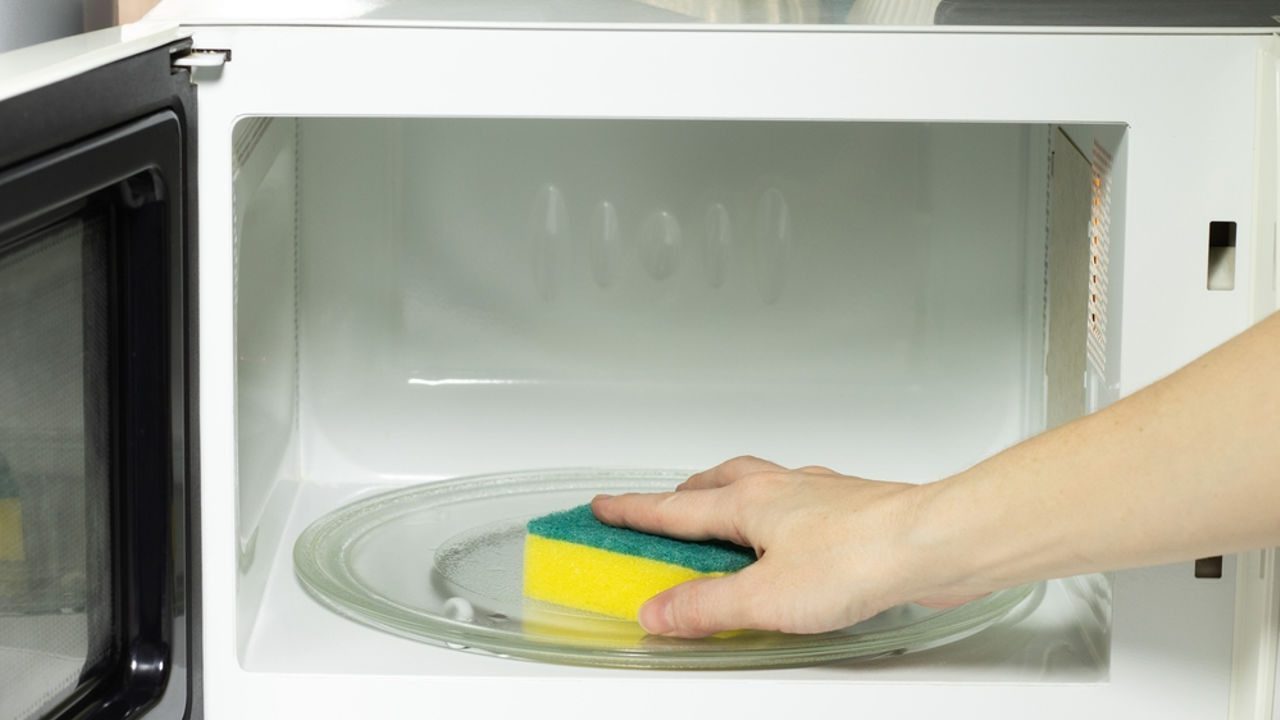
While microwaving a sponge can kill some bacteria, it doesn’t get rid of all germs and it doesn’t clean off the grime. A study by the USDA found that while microwaving can kill some bacteria, it doesn’t get rid of all types and can even cause some bacteria to become heat-resistant.
Instead of relying on the microwave, it’s better to replace your sponge regularly. And remember, sponges can harbor bacteria and should not be used to clean surfaces where food is prepared or eaten.
Myth 8: You Should Use Furniture Polish Every Time You Dust

Furniture polish can give wood furniture a nice shine, but it doesn’t need to be used every time you dust. In fact, using furniture polish too often can lead to a buildup that attracts more dust and can dull the finish of your furniture.
Instead of using furniture polish every time, consider using a microfiber cloth to dust and only using polish occasionally to maintain the shine. And remember, always test a small, hidden area first to ensure the polish won’t cause discoloration or damage.
Myth 9: Cleaning Is Best Done In Big, Infrequent Sessions

Cleaning is often seen as a big task to be tackled in large, infrequent sessions. But waiting until the house is a mess before cleaning can actually make the task more overwhelming and time-consuming.
Instead, consider cleaning a little bit each day. By doing a little bit of cleaning each day, you can prevent dirt and grime from building up, making the task more manageable. And remember, cleaning is much easier when it’s done regularly and not left to pile up.
Myth 10: Vacuuming Can Shrink Your Carpet


While it’s true that vigorous vacuuming can damage the fibers of a carpet, regular, gentle vacuuming will not cause your carpet to shrink. In fact, regular vacuuming is necessary to remove dirt and dust that can wear down the fibers of your carpet over time.
When vacuuming, it’s important to use the right settings for your carpet type. And remember, it’s also important to have your carpet professionally cleaned occasionally to remove deep-down dirt and grime that your vacuum can’t reach.
Myth 11: Hand Washing Dishes Is More Effective Than a Dishwasher
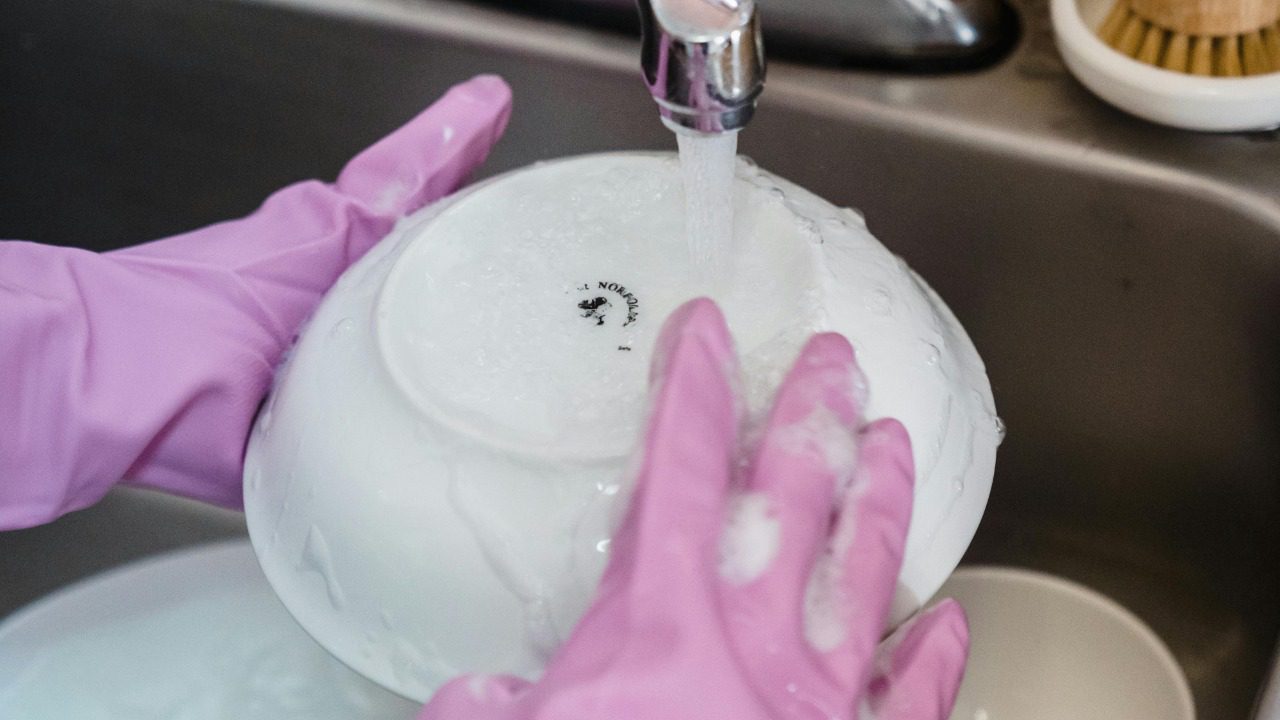
You might think that hand washing your dishes is more effective than using a dishwasher, but this isn’t necessarily the case. Modern dishwashers are designed to remove food debris and sanitize dishes, something that isn’t always achieved with hand washing.
Not only is using a dishwasher often more effective, but it’s also more efficient. Using a dishwasher can save water and energy compared to hand washing. Plus, it saves you the time and effort of washing and drying dishes by hand.
Myth 12: All Bacteria Are Bad
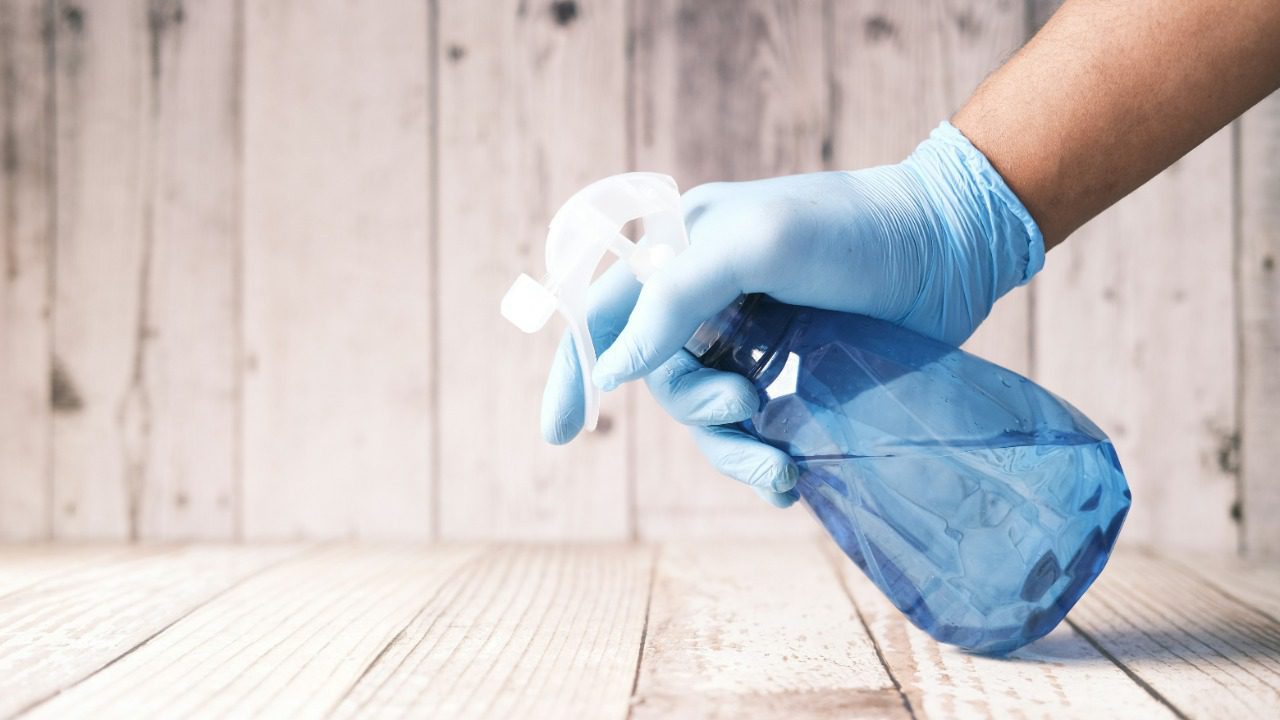
While it’s true that some bacteria can cause illness, not all bacteria are harmful. In fact, our bodies and our homes are full of bacteria, most of which are harmless or even beneficial.
When cleaning, it’s important to focus on areas where harmful bacteria are likely to multiply, such as the kitchen and bathroom, rather than trying to sterilize your entire home. And remember, using antibacterial cleaning products can contribute to antibiotic resistance, so they should be used sparingly.
Myth 13: You Can’t Over Vacuum
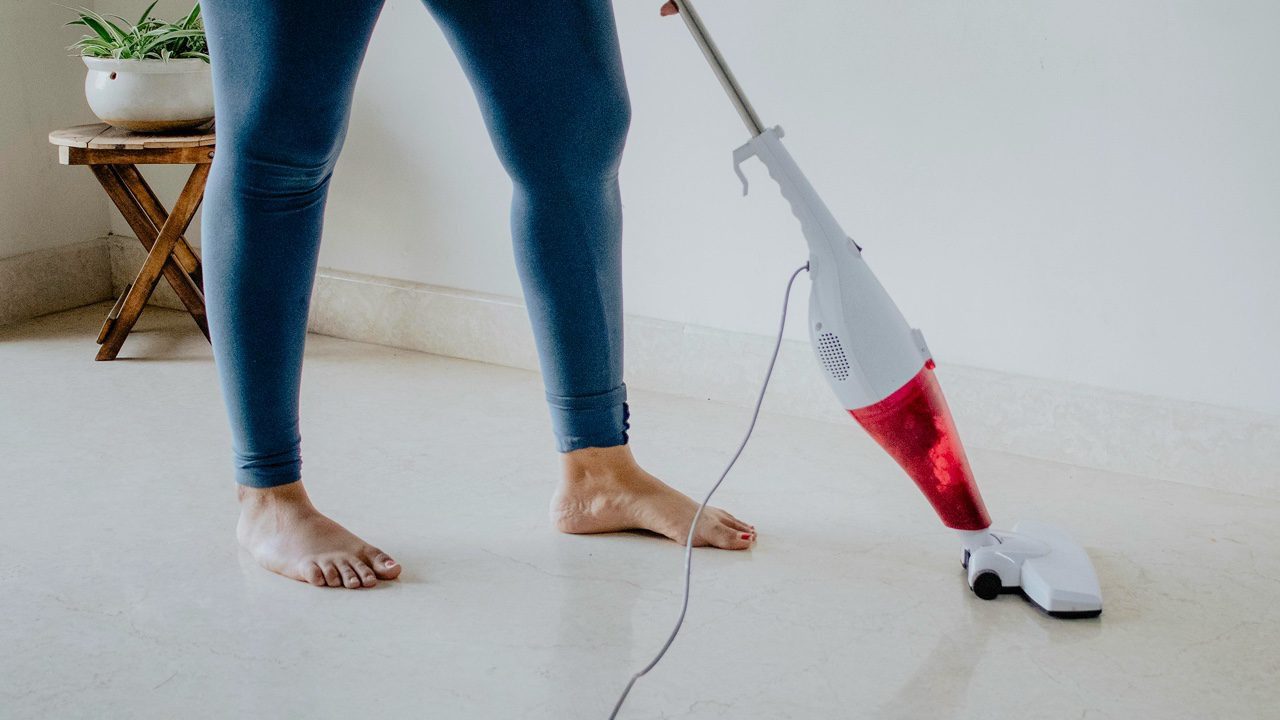
While vacuuming is an important part of keeping your home clean, it is possible to overdo it. Vacuuming too often or too vigorously can wear down the fibers of your carpet or rug, causing them to look worn and faded.
Instead of vacuuming daily, aim to vacuum high-traffic areas once or twice a week and other areas less frequently. And remember, it’s important to use the right vacuum settings for your type of carpet or rug to avoid causing damage.
Myth 14: Hair Spray Removes Ink Stains
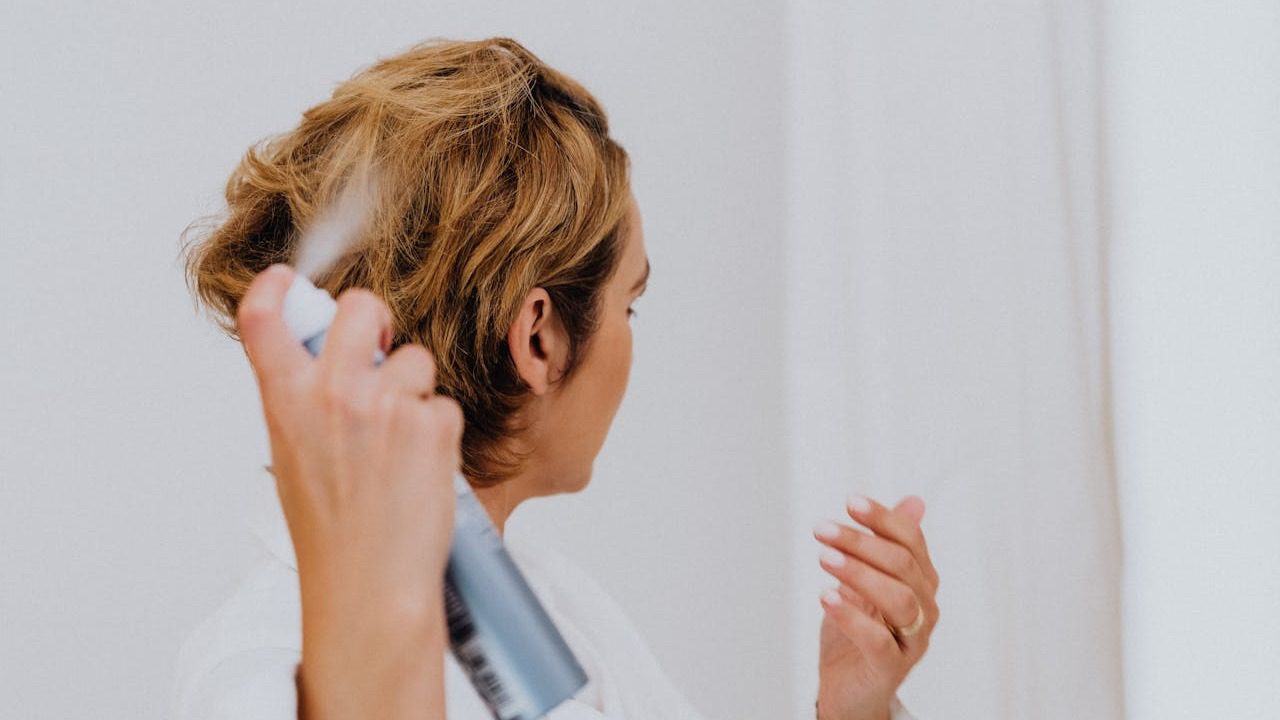
This myth likely started because older formulas of hairspray contained alcohol, which can help remove ink. However, most modern hairsprays contain less alcohol or none at all, and spraying them on an ink stain can actually set the stain and make it harder to remove.
Instead, you can use rubbing alcohol to remove ink stains. Simply apply a small amount to a cotton ball or cloth and gently dab at the stain. Finally, rinse with water and launder as usual.
Myth 15: Coffee Grounds Freshen Garbage Disposals

While coffee grounds may seem like a natural way to freshen up your garbage disposal, they can actually cause more harm than good. Coffee grounds can get stuck in the drain and cause clogs.
Instead, freshen your garbage disposal with a combination of ice and coarse salt, which can help to dislodge stuck-on food and eliminate odors. You can also use citrus peels for a fresh scent, just be sure to cut them into small pieces to prevent clogs.
Myth 16: Cleaning Solutions Work Instantly
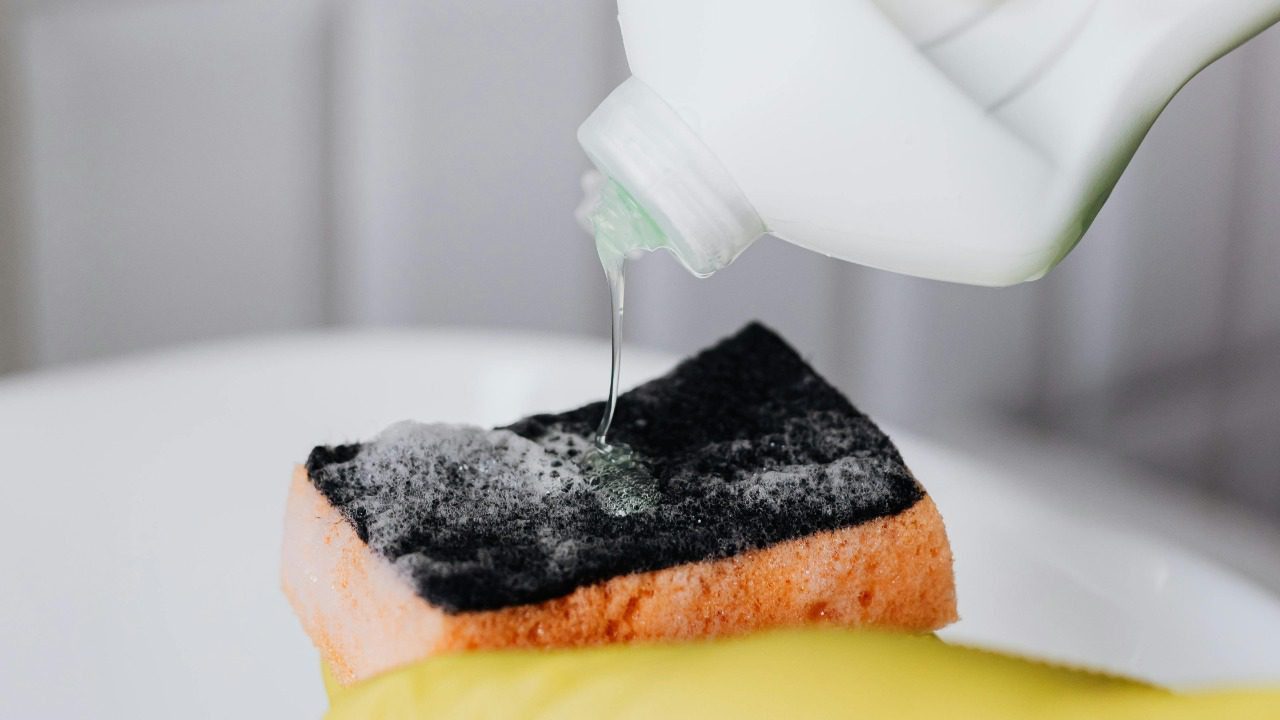
When you spray a cleaning solution, it’s important to let it sit for a few minutes before wiping it away. This gives the cleaning agents time to break down the dirt and grime. If you wipe it away immediately, you’re not getting the full cleaning power of the product.
Remember to always read the instructions on the cleaning product. Some may need to sit for 10 minutes or more to be most effective. By giving the cleaning solution time to work, you’ll get better results with less effort.
Myth 17: All Green Cleaners Are Safe
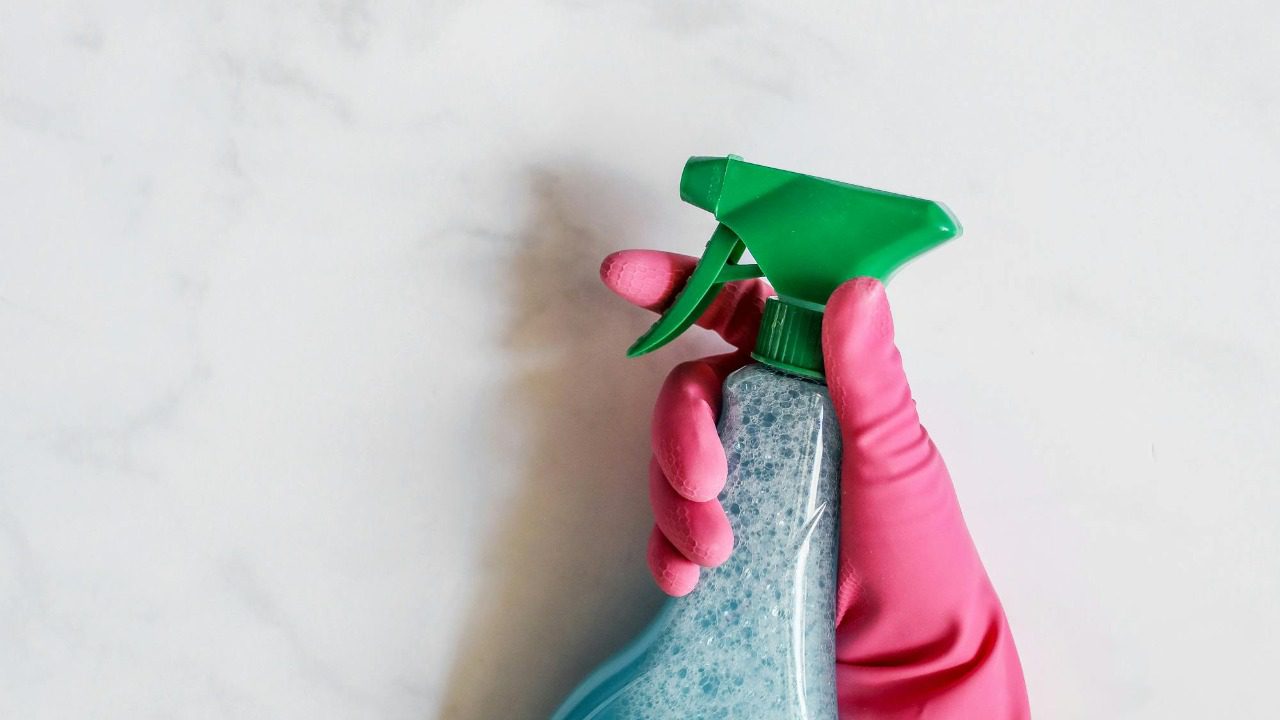
While it’s true that many green cleaners are safer for both the environment and your health, not all green cleaners are created equal. Some products labeled as “green” or “natural” can still contain harmful ingredients.
Always read the label carefully to understand what’s in the product. Look for products that list their ingredients and choose ones that are free from harmful chemicals. Remember, just because a product is marketed as green doesn’t mean it’s safe or effective.