



Sleep is essential for our bodies and minds to function properly. Yet, a cluttered bedroom can significantly disrupt our sleep quality and quantity. Surrounded by disorder, our minds can’t fully relax and drift into a peaceful slumber. A chaotic environment, full of distractions and stimuli, can make it harder to wind down and maintain a consistent sleep schedule.
By decluttering your space, you can create a calm, serene environment conducive to a good night’s sleep. Here are 17 declutter tasks that can improve your sleep.
1. Create a Dedicated Sleep Space

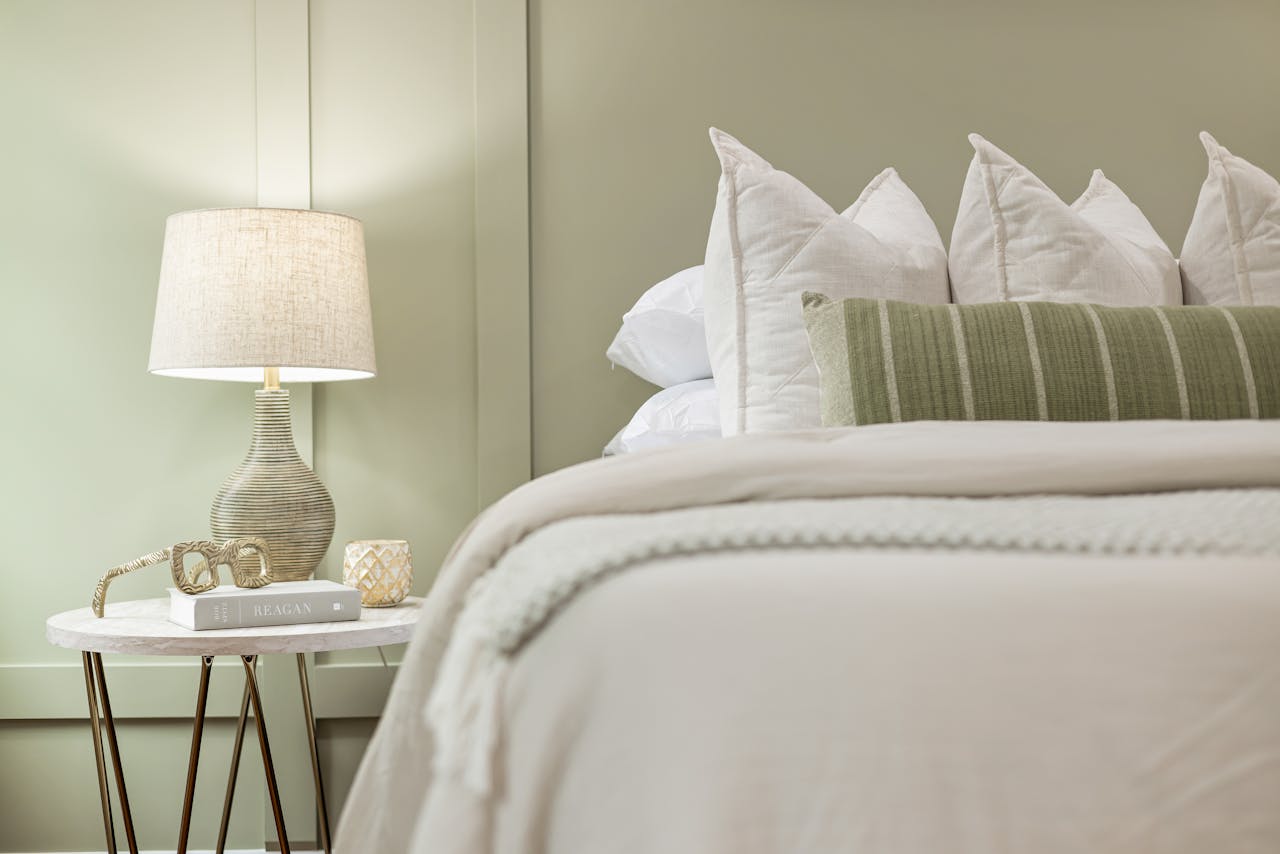
Your bedroom should be a sanctuary dedicated to sleep. Remove electronics, workout equipment, and other items that do not contribute to a relaxing atmosphere. Your brain will start associating your bedroom with sleep, which can help you fall asleep faster and enjoy more restful sleep.
When your bedroom is full of distractions like a TV, computer, or exercise equipment, it can be difficult to switch off and relax. These items can also emit light and noise that disrupt your sleep. By dedicating your bedroom to sleep, you can create a tranquil space that encourages rest and relaxation.
2. Clear Off Your Nightstand

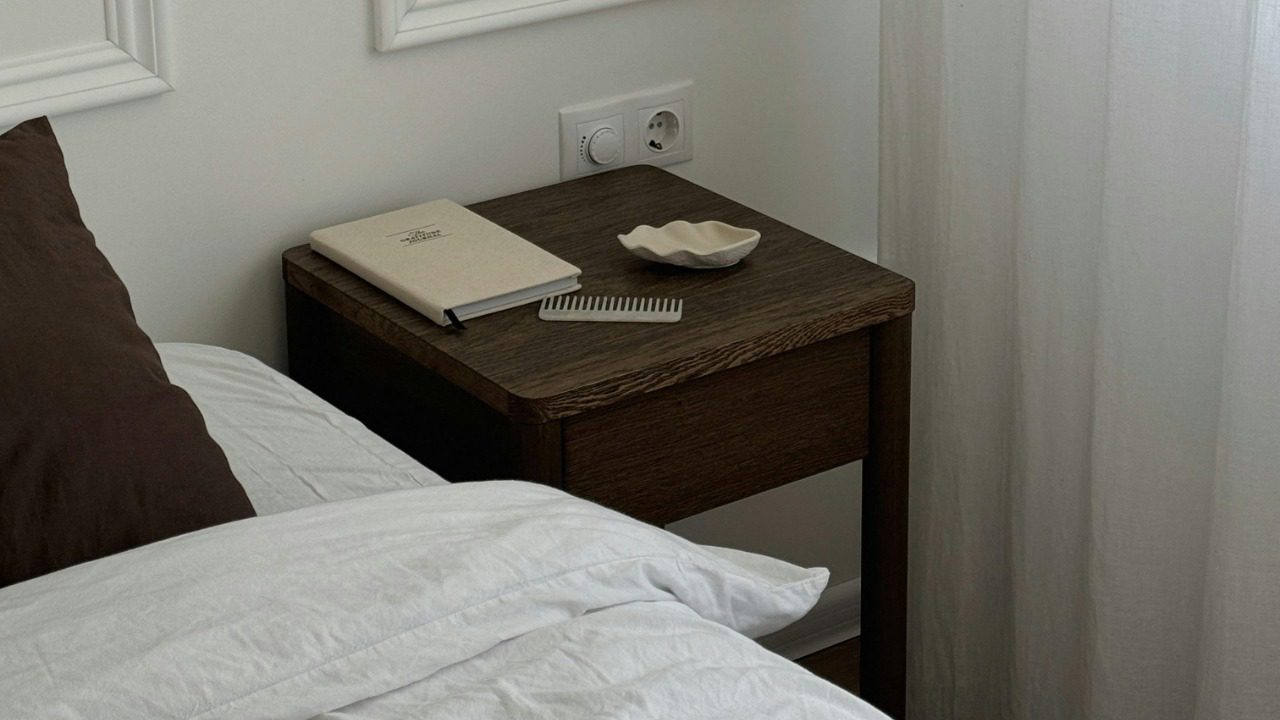
Your nightstand should only contain essentials like a lamp, alarm clock, and a book. Remove any clutter, including unnecessary items, piles of books, or dishes. A clutter-free nightstand can help you relax and focus on sleep.
Having a cluttered nightstand can make it difficult to relax and wind down before bed. You might be distracted by the pile of books you haven’t read or the dishes from your late-night snack. By keeping your nightstand clean and clutter-free, you can reduce these distractions and create a more relaxing environment.
3. Organize Your Closet


A cluttered closet can be overwhelming and stressful. Take the time to organize your clothes, shoes, and accessories. Donate items you no longer need or love. An organized closet can reduce stress and help create a calming environment.
When your closet is disorganized, it can be difficult to find what you need. This can cause stress and frustration, which can disrupt your sleep. By organizing your closet, you can reduce these negative emotions and create a more peaceful bedroom environment.
4. Use Storage Solutions
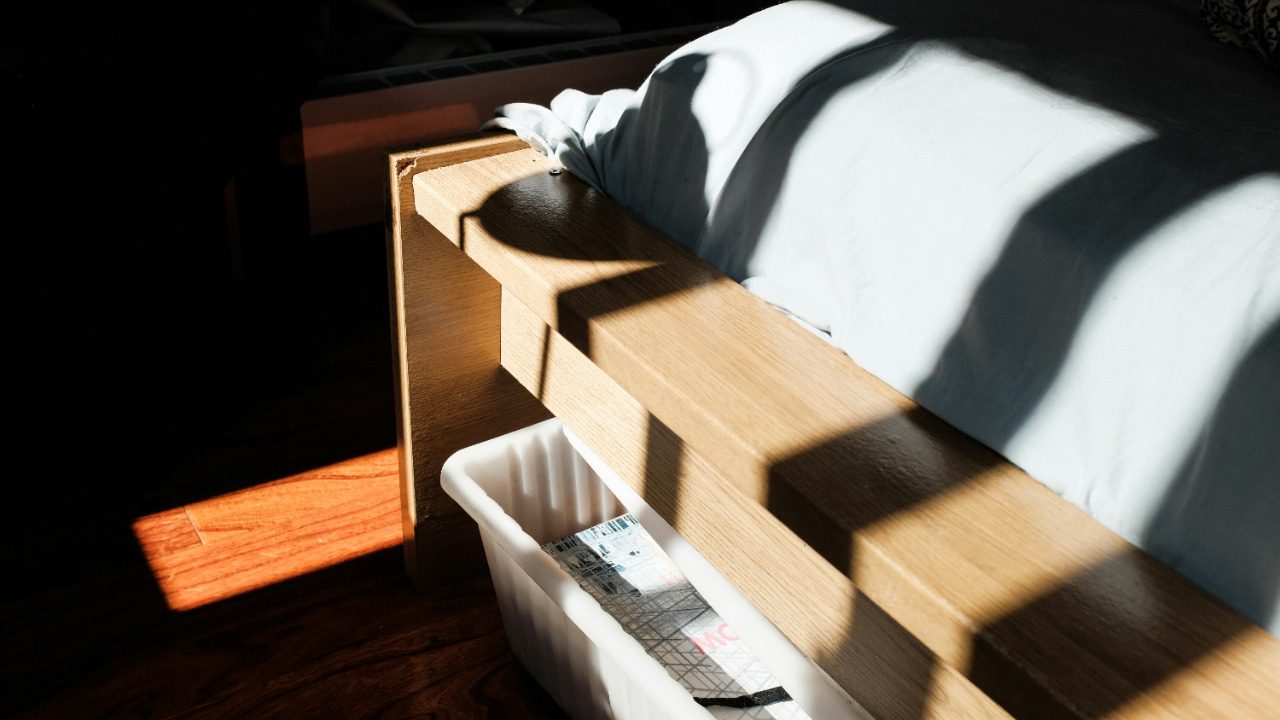
Utilize storage solutions to keep your bedroom clutter-free. Use under-the-bed storage for items you don’t use often. Install shelves or use baskets to organize smaller items. Proper storage can keep your bedroom tidy and serene.
Having a place for everything can significantly reduce clutter in your bedroom. Using storage solutions can help you keep your space organized and clutter-free, which can create a more relaxing environment for sleep.
5. Limit Decorative Items


Having too many decorative items can make your bedroom feel cluttered and chaotic. Choose a few meaningful items to display and store or donate the rest. A minimalist design can create a calm, peaceful ambiance that promotes sleep.
Decorative items can add personality to your bedroom, but too many can create clutter and chaos. By limiting these items, you can create a clean, minimalist design that is conducive to sleep.
6. Clean Regularly

Regular cleaning can help keep your bedroom clutter-free and relaxing. Dust, vacuum, and wipe down surfaces regularly. Clean bedding and curtains often. A clean bedroom is a calming bedroom.
Dust and allergens can disrupt your sleep, especially if you have allergies or asthma. Regular cleaning can reduce these triggers and create a healthier sleep environment. Additionally, a clean bedroom is more relaxing and inviting, which can improve your sleep.
7. Use Calming Colors
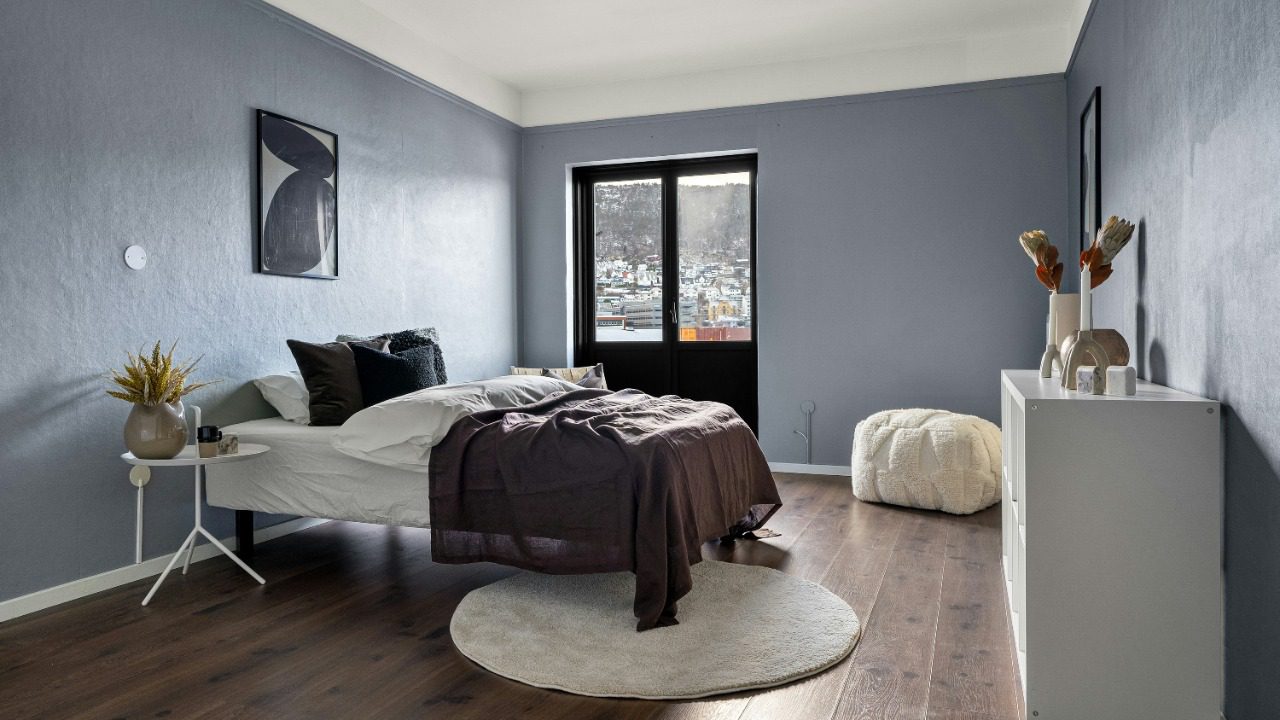
Choose calming colors for your bedroom decor. Blues, greens, and neutrals can create a serene, relaxing environment. Avoid bright, bold colors that can be stimulating and disruptive to sleep.
Colors can significantly impact our mood and sleep. Calming colors like blues and greens can help reduce stress and anxiety, promoting better sleep. Bright, bold colors can be stimulating and disruptive, making it harder to relax and fall asleep.
8. Use Proper Lighting

Proper lighting can significantly impact your sleep. Use dimmer switches or lamps with adjustable brightness for evening use. Avoid harsh, bright lights in the evening, which can disrupt your body’s natural sleep-wake cycle.
Lighting can impact our body’s production of melatonin, a hormone that regulates sleep. Bright lights in the evening can disrupt this process, making it harder to fall asleep. By using proper lighting, you can support your body’s natural sleep-wake cycle and improve your sleep.
9. Keep Pets Out of the Bedroom


If possible, keep pets out of the bedroom. Pets can be disruptive to sleep, especially if they move around or make noise during the night. If you can’t keep pets out of the bedroom, consider using a pet bed or crate.
Pets can be a source of comfort, but they can also disrupt your sleep. They might move around during the night, make noise, or take up space on your bed. If you can’t keep pets out of the bedroom, providing them with their own sleeping space can help reduce disruptions.
10. Use a White Noise Machine

A white noise machine can help drown out disruptive noises and create a consistent, soothing sound environment. This can be especially helpful if you live in a noisy area or have a partner who snores.
Noise can significantly disrupt sleep. A white noise machine can help drown out these disruptions, creating a consistent, soothing sound environment. This can help you fall asleep faster and stay asleep longer.
11. Keep a Sleep Journal

A sleep journal can help you identify patterns and issues that might be disrupting your sleep. Note when you go to bed, when you wake up, how you felt during the day, and any notable events or stressors. This can help you identify what is helping and hindering your sleep.
A sleep journal allows you to track your sleep patterns and habits. This can help you identify any issues or patterns that might be disrupting your sleep. By understanding what is helping and hindering your sleep, you can make adjustments to improve your sleep.
12. Use Essential Oils


Essential oils can help create a relaxing atmosphere that promotes sleep. Lavender, chamomile, and ylang-ylang are known for their calming properties. Use a diffuser or spray to fill your bedroom with these soothing scents.
Essential oils can help reduce stress and anxiety, promoting better sleep. By using a diffuser or spray, you can fill your bedroom with these calming scents, creating a relaxing environment that promotes sleep.
13. Limit Bedding

Too much bedding can create clutter and make it difficult to get comfortable. Choose a few comfortable, high-quality pieces and store or donate the rest. This can create a clean, comfortable sleep environment.
Too much bedding can make it difficult to get comfortable, disrupting your sleep. By limiting your bedding, you can create a clean, comfortable environment that promotes sleep.
14. Use a Weighted Blanket

A weighted blanket can provide a sense of security and calm, promoting better sleep. These blankets can be especially beneficial for people with anxiety or sensory processing disorders. Choose a blanket that is about 10% of your body weight for optimal benefits.
Weighted blankets can help reduce anxiety and promote better sleep. The pressure from the blanket can provide a sense of security and calm, which can help you relax and fall asleep faster.
15. Keep a Regular Sleep Schedule

A regular sleep schedule can significantly improve your sleep. Try to go to bed and wake up at the same time each day, even on weekends. This can help regulate your body’s natural sleep-wake cycle.
Keeping a regular sleep schedule can help regulate your body’s natural sleep-wake cycle, promoting better sleep. By going to bed and waking up at the same time each day, you can help your body establish a regular sleep pattern.
16. Limit Screen Time Before Bed

Screens emit blue light, which can disrupt your body’s natural sleep-wake cycle. Try to limit screen time in the hour before bed. Consider using a blue light filter or glasses if you need to use screens in the evening.
Blue light from screens can disrupt your body’s natural sleep-wake cycle, making it harder to fall asleep. By limiting screen time before bed, you can reduce your exposure to blue light and improve your sleep.
17. Practice a Bedtime Routine

A bedtime routine can help signal to your body that it’s time to sleep. This routine might include reading, meditation, or a warm bath. Consistency is key – try to follow the same routine each night.
A bedtime routine can help you relax and prepare for sleep. By following the same routine each night, you can signal to your body that it’s time to sleep. This can help you fall asleep faster and enjoy more restful sleep.