

In the quest for a clutter-free life, we are often bombarded with a myriad of advice. Some of these pieces of advice are grounded in truth, while others are just myths that serve no purpose but to waste your time and energy. Understanding what’s true and what’s not can be the difference between a successful decluttering journey and a stressful, unproductive one.
In this blog post, we’re going to debunk 17 common decluttering myths that have been circulating around, helping you to focus on what truly works.
1. Decluttering Is All About Throwing Things Away


Decluttering is not synonymous with mindless disposal. It’s about making thoughtful decisions about what to keep, what to let go of, and where to store the things you decide to keep. Yes, decluttering may involve throwing away things that are no longer useful, but it’s more about creating an environment where you can easily find and access what you truly need.
The goal is to create a space that supports your lifestyle. If you love reading, for example, decluttering doesn’t mean you should get rid of all your books. Rather, it might mean organizing them in a way that makes it easy for you to find and enjoy your favorite titles.
2. You Need To Be Ruthless When Decluttering

Many people believe that to effectively declutter, you need to be ruthless and get rid of everything you haven’t used in the last year. This isn’t necessarily true. Decluttering is a personal process, and what works for one person may not work for another.
Instead of being ruthless, be realistic. Consider your lifestyle, your needs, and your personal habits. If you’re a craft enthusiast, for instance, it’s okay to hold onto materials that you’ll use for future projects. The key is to organize these items efficiently so they don’t contribute to clutter.
3. Decluttering Is a One-Time Event

Contrary to popular belief, decluttering isn’t a one-and-done event. It’s a continuous process. This is because our lives are dynamic; our needs, interests, and situations change over time.
View decluttering as a journey rather than a destination. Make it a habit to periodically evaluate your belongings and your space. As your life changes — whether you pick up a new hobby, welcome a new family member, or move to a new home — adjust your decluttering efforts accordingly.
4. Everything Should Have a Specific Place


While it’s important to have a system for organizing your belongings, it’s not practical or necessary for everything to have a specific place. Some items are used frequently and in various parts of your home, making it more convenient to store them in multiple places.
For example, you might have reading glasses that you use in different rooms. Instead of designating one specific spot for them, it might make more sense to have a pair in each room where you’re likely to need them. The key is to find an organizing system that fits your lifestyle and habits.
5. You Should Always Use Storage Boxes and Bins


While storage boxes and bins can be helpful, they’re not always the solution to clutter. In fact, they can sometimes contribute to the problem by creating ‘hidden clutter’. Instead of addressing the root of the issue — having too many unnecessary items — you’re simply moving the clutter out of sight.
Before resorting to storage solutions, first assess whether you really need all the items you’re trying to store. It might be more effective to declutter by donating, selling, or recycling some items, rather than simply storing them away.
6. You Should Declutter Before Buying Organizing Products


It’s tempting to buy all sorts of organizing products when you’re preparing to declutter. However, doing so can be a waste of time and money. It’s better to first declutter, then assess what kind of storage solutions you actually need.
When you declutter first, you get a better sense of what items you’re keeping and how much space you need to store them. You’re then in a better position to choose organizing products that suit your needs and your space.
7. Decluttering Means Your Space Should Look Like a Magazine Spread

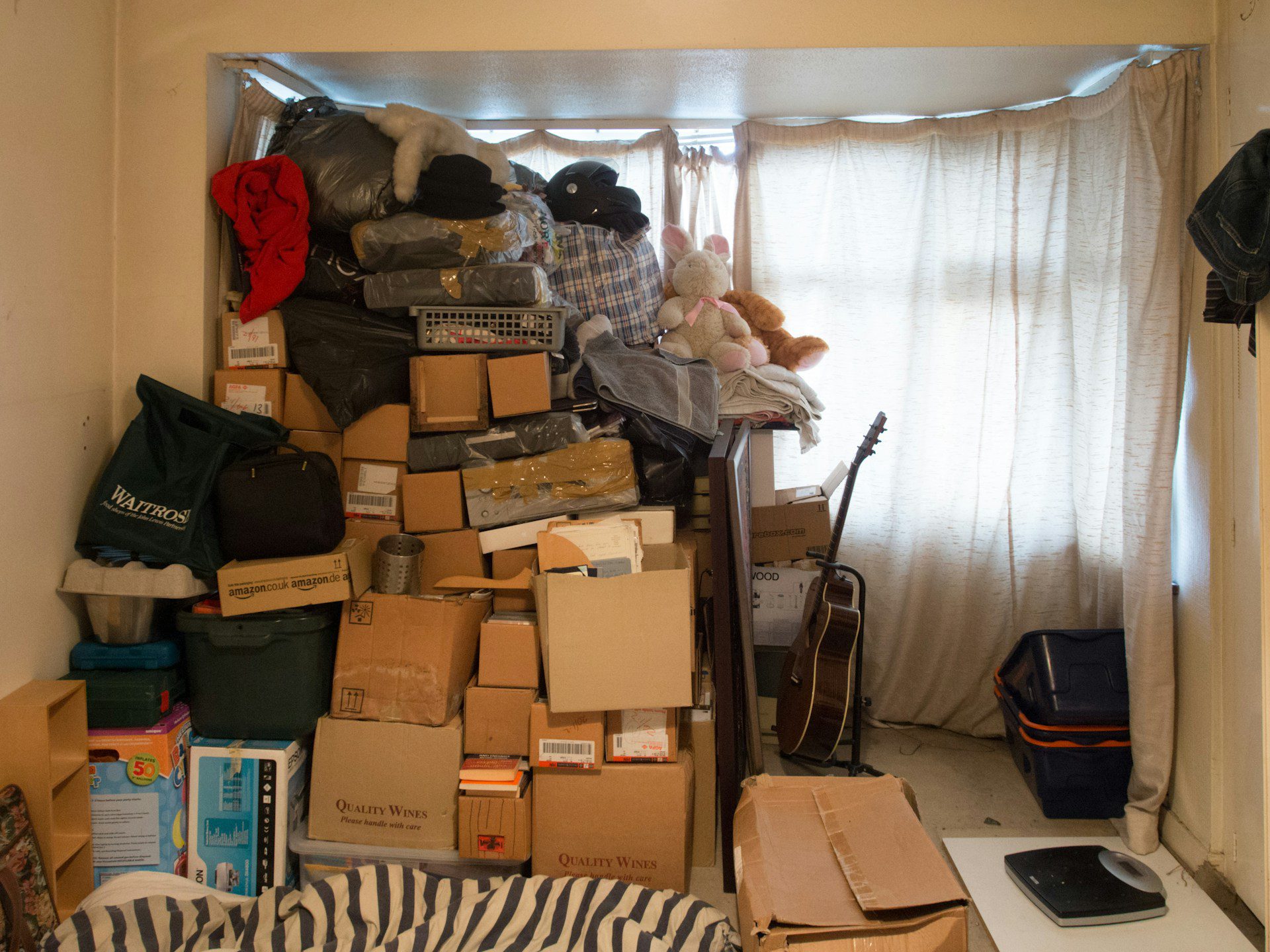
While it’s easy to get inspired by beautifully organized spaces in magazines and on social media, it’s important to remember that real life isn’t a photoshoot. Your home doesn’t have to look like a magazine spread to be effectively decluttered.
Focus on creating a space that feels comfortable and functional for you and your lifestyle, rather than striving for picture-perfect aesthetics. Remember, the goal of decluttering is to improve your quality of life, not to create a home that looks like it belongs in a design catalog.
8. You Should Declutter in One Fell Swoop

The idea of completely decluttering your home in one go can be both daunting and unrealistic. Instead of trying to tackle everything at once, it’s often more effective to declutter in small, manageable chunks.
Start with one area or category of items at a time. You might start with your wardrobe, then move on to your kitchen, then your home office, and so on. By breaking the task down into smaller parts, it becomes less overwhelming and more manageable.
9. Decluttering Is a Solo Task


Many people believe that they should declutter on their own, but this isn’t always the case. In fact, decluttering can be more effective and enjoyable when done with others.
Consider enlisting the help of a friend or family member. They can provide an outside perspective, help you make tough decisions, and make the process more fun. Alternatively, consider hiring a professional organizer. They can provide expert guidance and help you establish effective organizing systems.
10. You Should Only Declutter When Your Space Is Messy

Decluttering isn’t just for when your space becomes overwhelmingly messy. It’s a proactive process that can help prevent messes from accumulating in the first place.
Make decluttering a regular habit. Even if your space seems relatively tidy, there’s likely still unnecessary items that you can let go of. Regular decluttering helps keep your space functional and enjoyable.
11. Decluttering Means Living a Minimalist Lifestyle

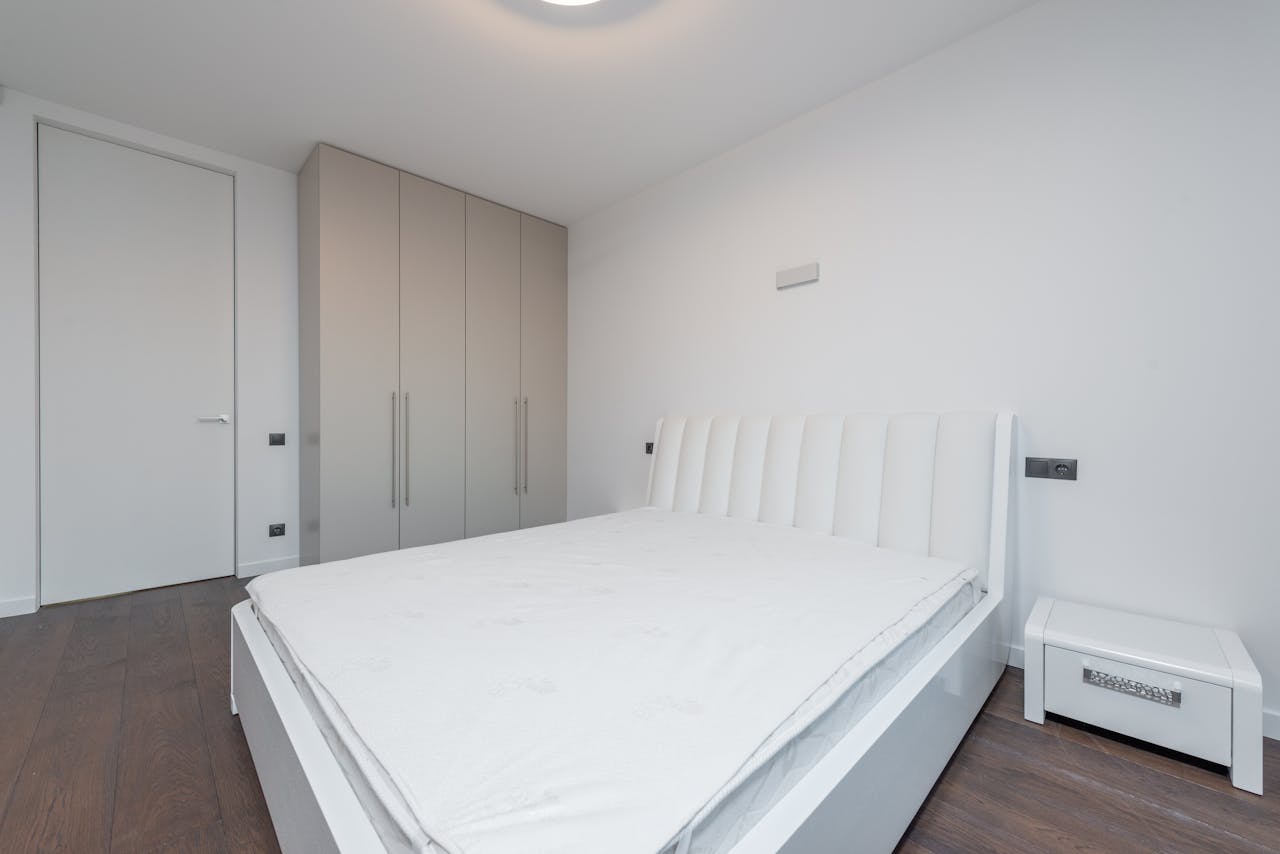
Decluttering and minimalism are often conflated, but they’re not the same thing. Decluttering is about removing unnecessary items from your space, while minimalism is a lifestyle choice that involves living with as few possessions as possible.
You can declutter without adopting a minimalist lifestyle. It’s about creating a space that suits your needs and preferences, not about adhering to a specific aesthetic or lifestyle.
12. You Need to Follow a Specific Method or System
There are many different decluttering methods and systems out there, from Marie Kondo’s KonMari method to the Swedish death cleaning method. However, there’s no one-size-fits-all approach to decluttering.
Instead of trying to adhere strictly to one method, adapt the principles that resonate with you and fit your lifestyle. The best decluttering method is the one that you can stick with.
13. You Shouldn’t Keep Items for Sentimental Reasons


While it’s true that keeping too many sentimental items can contribute to clutter, it doesn’t mean that you should get rid of all such items. After all, these items often hold special meaning and can bring joy.
The key is balance. Keep the sentimental items that truly mean a lot to you, but be mindful not to let these items overrun your space. Consider creative ways to store or display these items so they add to your space rather than detract from it.
14. Decluttering Is a Quick Fix to a Messy Home


While decluttering can significantly improve the state of a messy home, it’s not a quick fix. Decluttering is a process that takes time and effort, and maintaining a decluttered home requires ongoing effort.
Don’t expect your home to transform overnight. Be patient with the process and celebrate small victories along the way. Remember, the goal isn’t perfection, but improvement.
15. You Should Get Rid of Items You Haven’t Used in a Year

This rule of thumb can be helpful, but it’s not a hard-and-fast rule. There may be items that you haven’t used in a year that still have value or potential use.
Consider the nature of the item and your lifestyle. For example, you might have special occasion items or seasonal items that you don’t use regularly but still need. Use your judgment and make decisions based on your specific circumstances.
16. You Should Always Donate Your Unwanted Items

While donating is a great way to give your unwanted items a second life, it’s not always the best option. Some items may not be in a condition suitable for donation, and some organizations have specific donation guidelines.
Before donating, research local organizations and find out what items they accept. For items that can’t be donated, consider other options such as recycling or selling.
17. You’re a Failure if You Can’t Keep Your Space Decluttered

Lastly, it’s important to remember that decluttering is a journey, not a destination. If your space becomes cluttered again, it doesn’t mean you’ve failed. It simply means that it’s time to reassess and adjust your decluttering strategies.
Be kind to yourself throughout the process. Remember, the goal of decluttering is to improve your quality of life, not to achieve perfection. Take it one step at a time, and celebrate your progress along the way.