


Buying a home can feel overwhelming with so many things to watch out for. Understanding potential red flags before making a decision helps you avoid costly mistakes and stress down the line.
Chip Gaines shares 17 important home-buying red flags that can guide you in spotting problems early and making smarter choices. Knowing these signs puts you in a better position to find a home that truly fits your needs and budget.
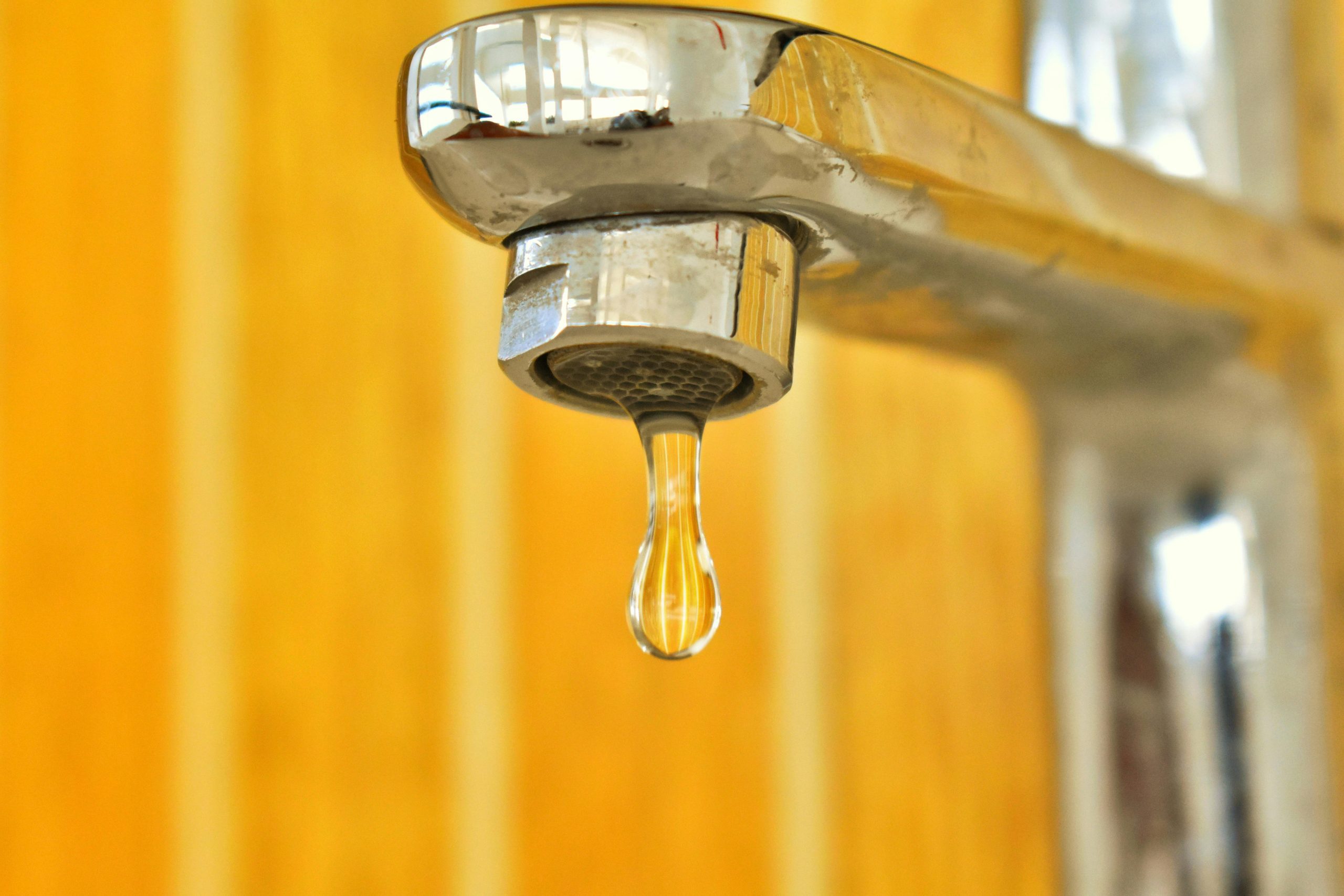
Leaky plumbing signs like constant moisture or drips

Nithin PA/ pexels
When you spot constant moisture or hear dripping sounds, it’s a warning sign. Leaky plumbing can cause hidden damage like mold or wood rot.
Check under sinks and around pipes for dampness or stains. Even small drips can increase your water bill and lead to bigger problems over time.
Trust your instincts if something feels off with the plumbing. Catching leaks early saves you from costly repairs later.
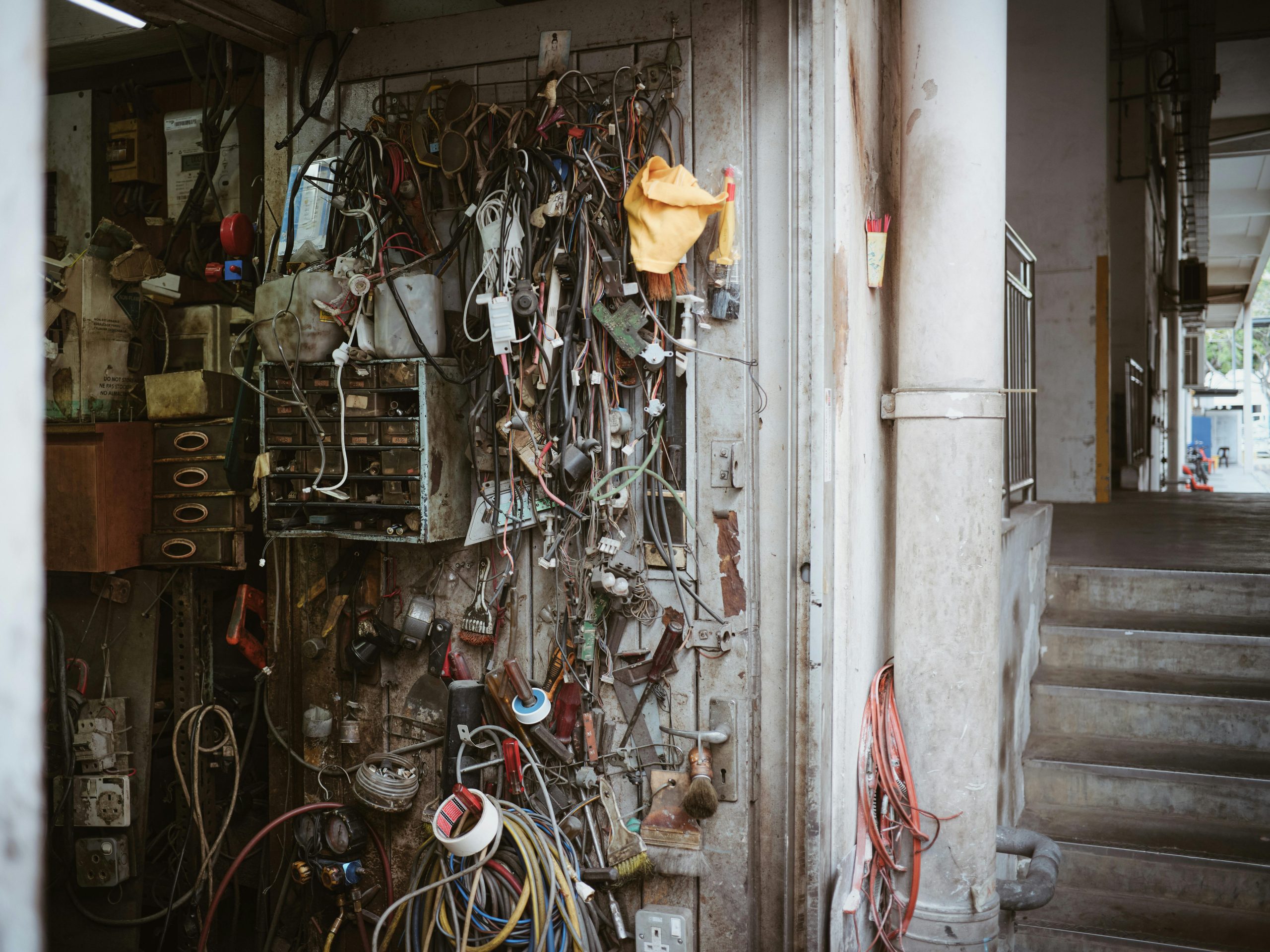
Faulty electrical systems and outdated wiring

Calvin Seng/ pexel
When checking a home, pay close attention to the electrical system. Faulty wiring can be dangerous and costly to fix later on.
Old or outdated wiring might not support modern appliances or could pose safety risks.
You want to make sure the home’s electrical system is up to code and functions properly before buying.
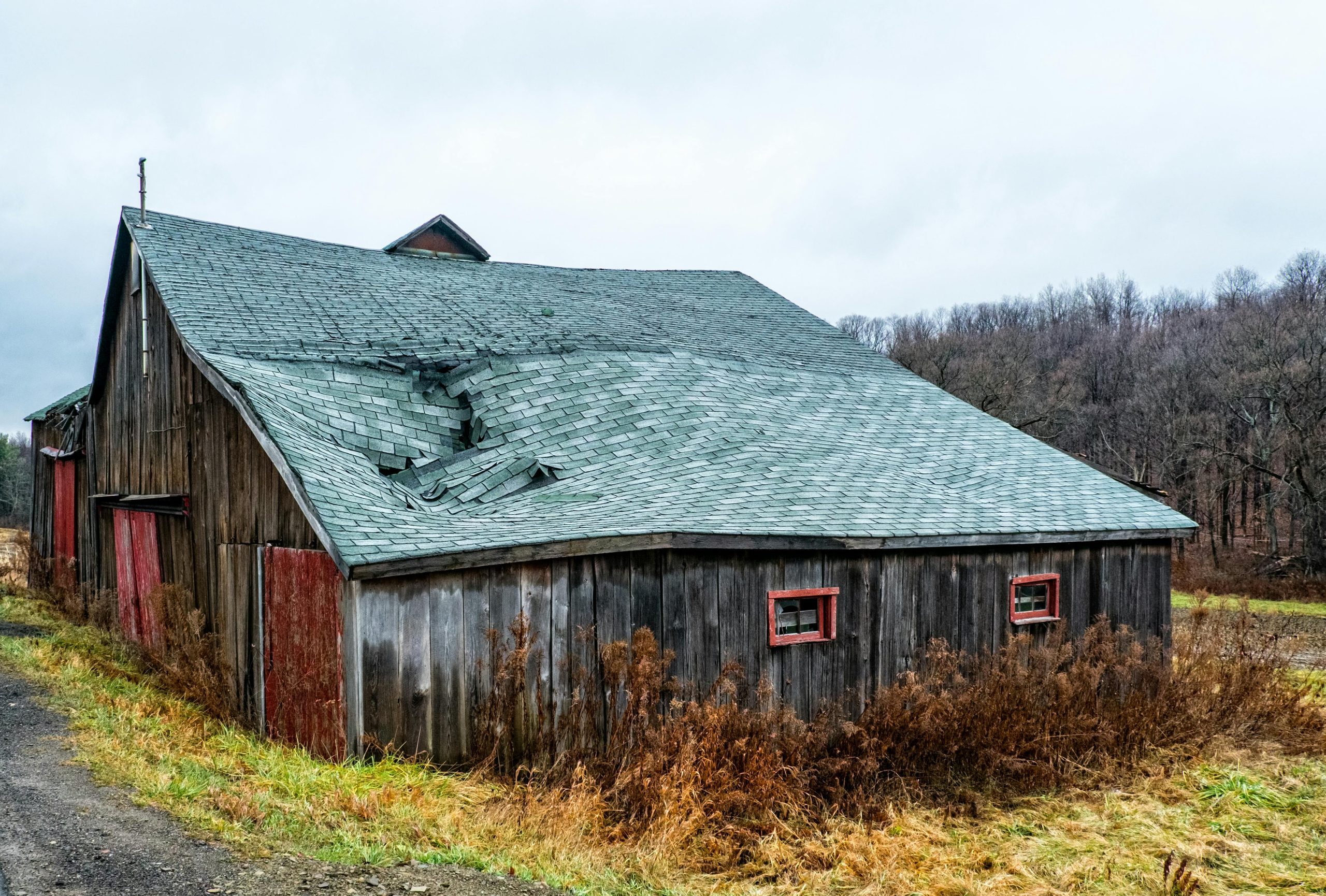
Damaged or missing roofing shingles

Bo Passer/ pexels
When you spot damaged or missing shingles on a roof, it’s a clear warning sign. These issues often mean the roof has been exposed to harsh weather or poor maintenance.
You should check for cracked, curled, or absent shingles. Missing shingles leave your home vulnerable to leaks and water damage, which can lead to costly repairs.
Taking the time to carefully inspect the roof can save you headaches down the road. If you notice these signs, consider getting a professional evaluation before buying.
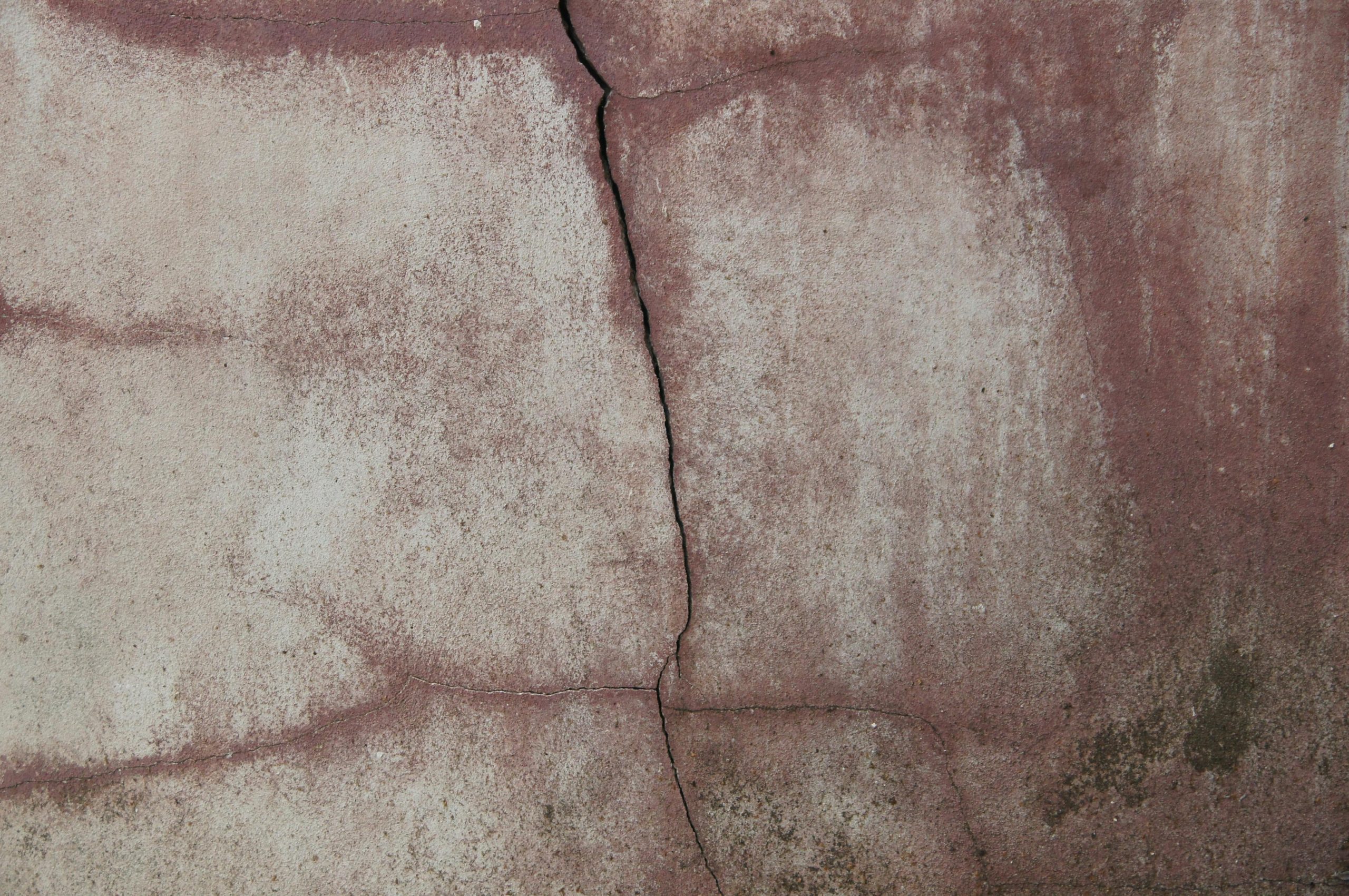
Foundation cracks or uneven floors

Roman Biernacki/ pexels
When you spot large cracks in the foundation or notice uneven floors, these can be signs of serious structural problems. Small hairline cracks are usually harmless, but wide gaps or horizontal cracks need attention.
If doors or windows stick or fail to close properly, it might mean the foundation is shifting. Keep an eye out for these issues when you tour a home.
Poor curb appeal that deters buyers
Maria Orlova/ pexels
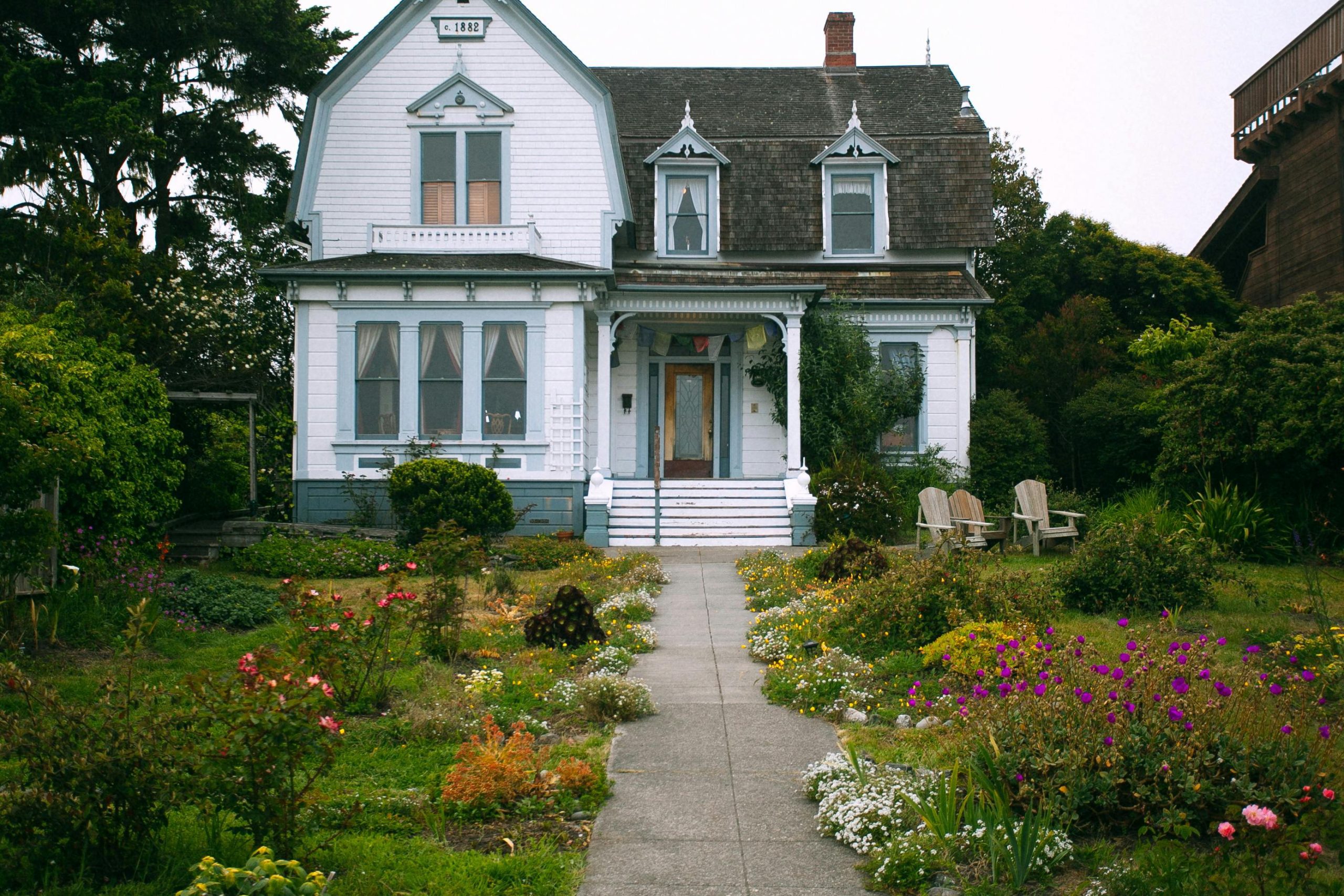
You might be tempted to avoid a house because the outside looks uninviting. Chip Gaines suggests not to let poor curb appeal turn you away completely.
While a bad yard or faded paint can be fixed, deeper issues may hide behind a neglected exterior. Focus on the structure and layout before judging the appearance.
If the home meets your needs, you can improve the curb appeal over time without losing a good opportunity.
Hidden mold or water damage
Sergei Starostin/ pexels
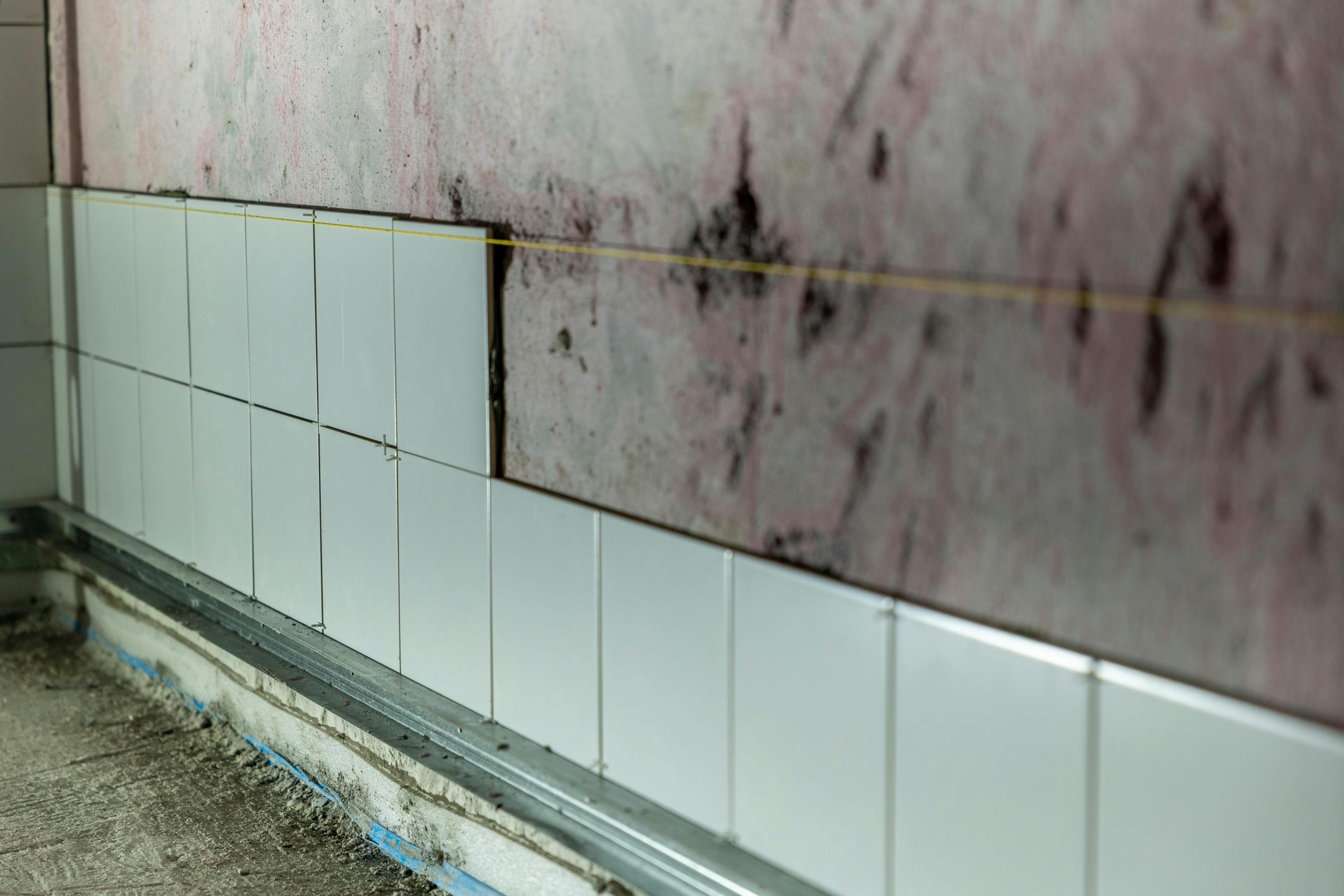
When buying a home, watch out for signs of hidden mold or water damage. These issues often start with leaks you might not see right away.
Water damage can lead to mold growth, which affects the air quality and your health. Pay close attention to any musty smells or discoloration on walls and ceilings.
You want to make sure the plumbing and roofing are solid to avoid costly repairs later. Always ask for a thorough inspection to catch these problems early.
Old HVAC systems nearing end of life

Tom Fisk/ pexels
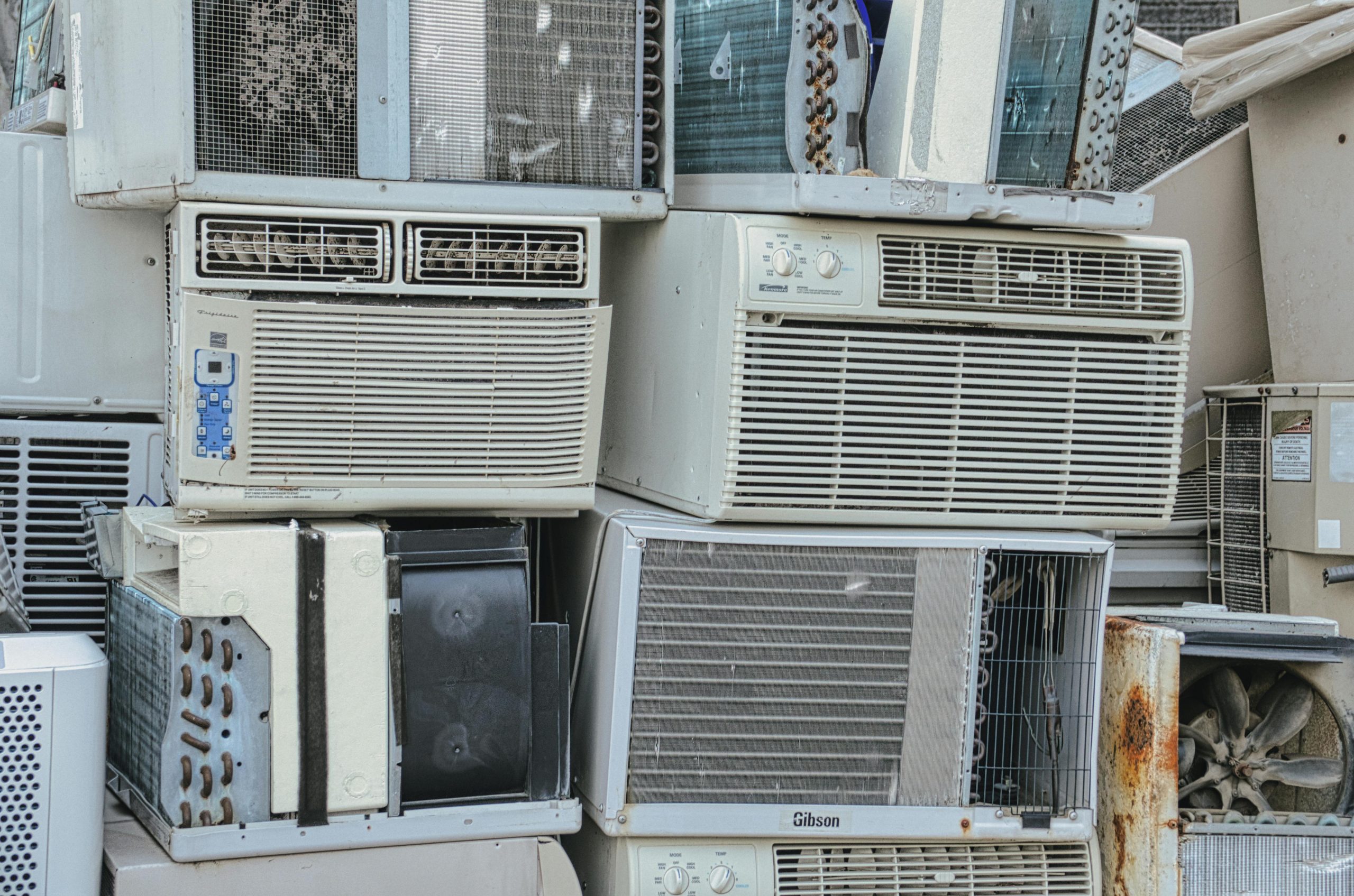
If the HVAC system in the home is very old, it might be working now but could fail soon. You’ll want to consider the cost of replacing it, as repairs on an aging system can add up quickly.
A system around 20 years old or more is often at the end of its lifespan. Planning for an upgrade can save you unexpected expenses and keep your home comfortable.
Termite or pest infestation evidence

Magda Ehlers/ pexels
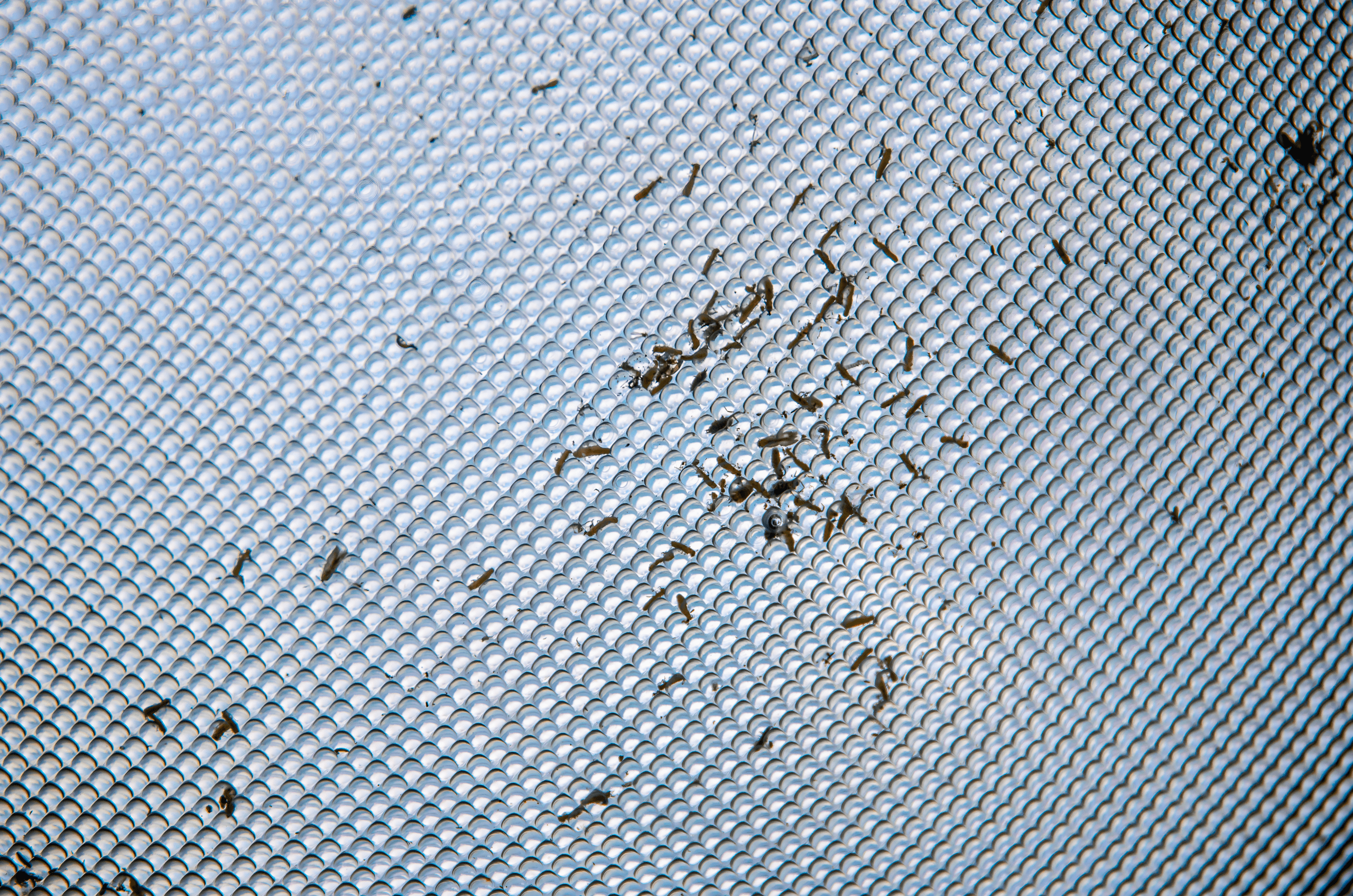
When you spot signs of pests, like small holes or wood that looks damaged, take it seriously. Termites and other insects can cause hidden problems that are expensive to fix.
You might also notice musty or unusual odors in the home. These smells can hint at an infestation even if you don’t see pests right away.
It’s smart to get a professional inspection to identify any pest issues. Catching them early helps protect your investment and avoid surprises later.
Unpermitted home renovations
Tima Miroshnichenko/ pexels
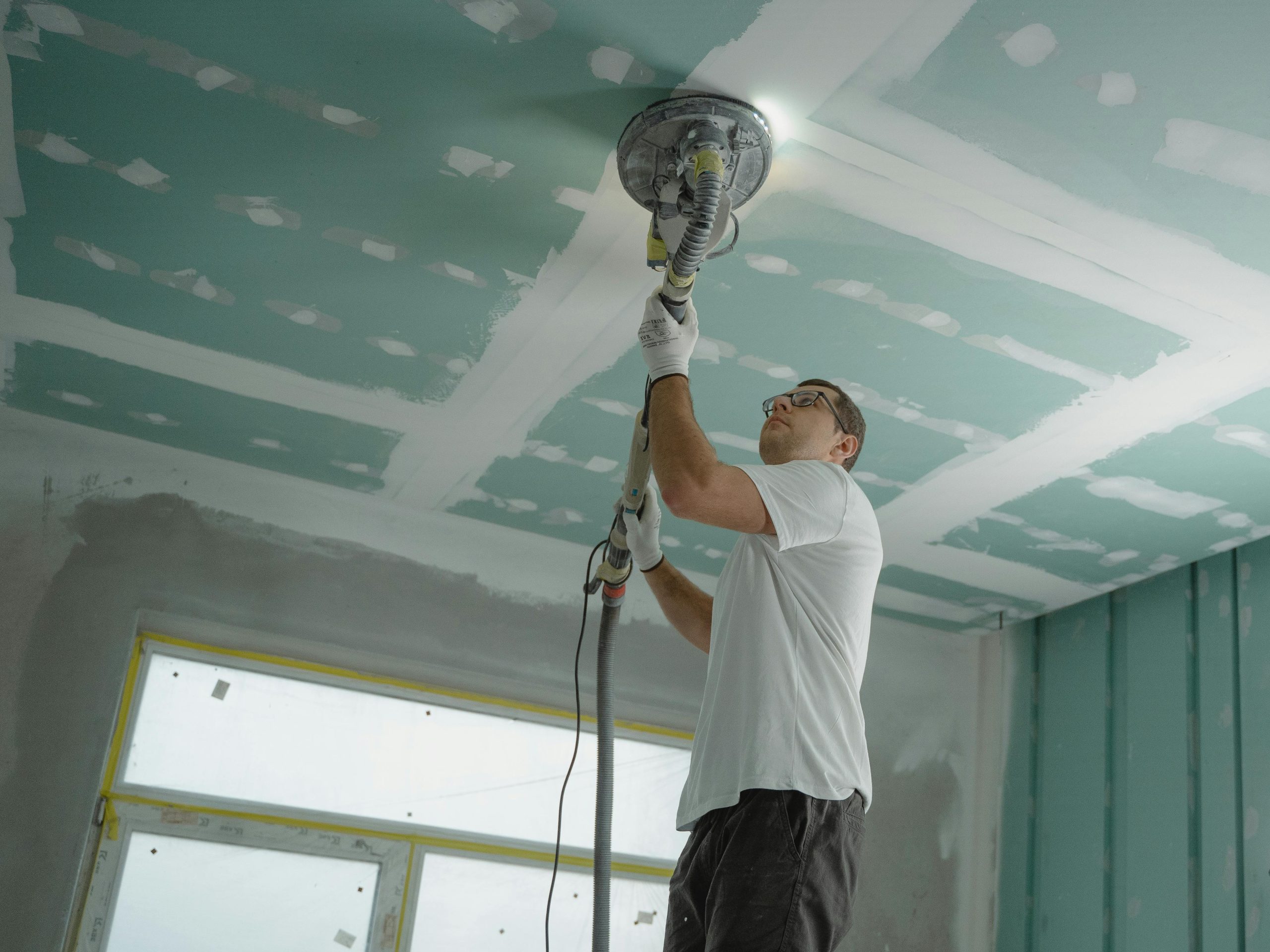
When you come across unpermitted renovations, it’s a red flag. These are changes made without official approval, which could cause safety or legal issues for you.
Unpermitted work might mean repairs or inspections become more complicated. You could also face fines or struggle to sell the home later.
Always ask your inspector and realtor about any unpermitted work. Getting this sorted before you buy can save you headaches down the road.
Improper drainage around the house
Marcelo Brigato/ pexels
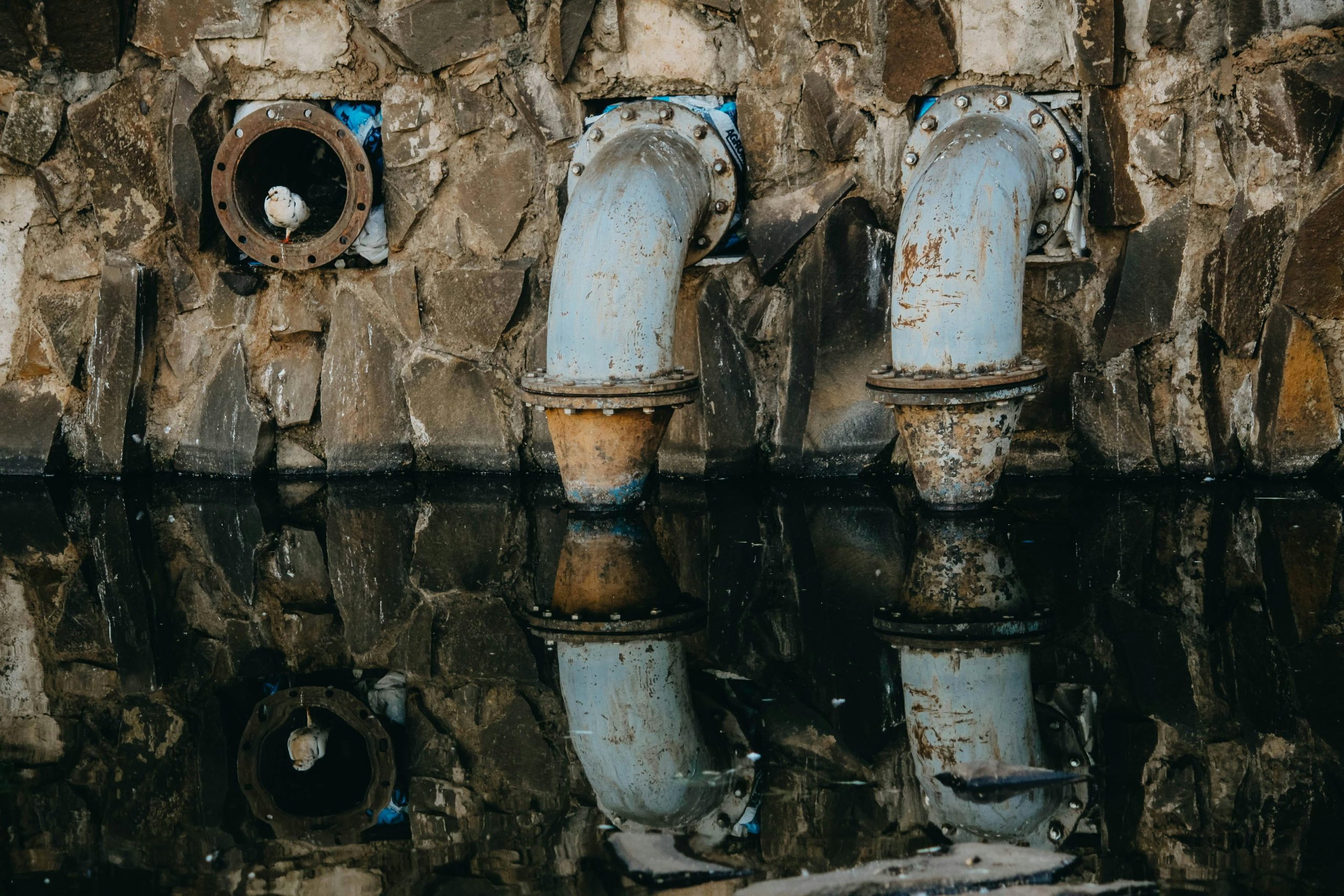
If water doesn’t flow away from your home properly, it can lead to serious problems. You might notice pooling water near the foundation or soggy areas in the yard after rain.
This can cause damage like basement leaks, mold growth, or even foundation cracks over time. When checking a house, look for signs of poor drainage, such as clogged gutters or soil sloping toward the home.
Fixing drainage issues can be costly, so it’s important to spot this red flag early.
Problematic floor plans that reduce functionality

Tima Miroshnichenko/ pexels
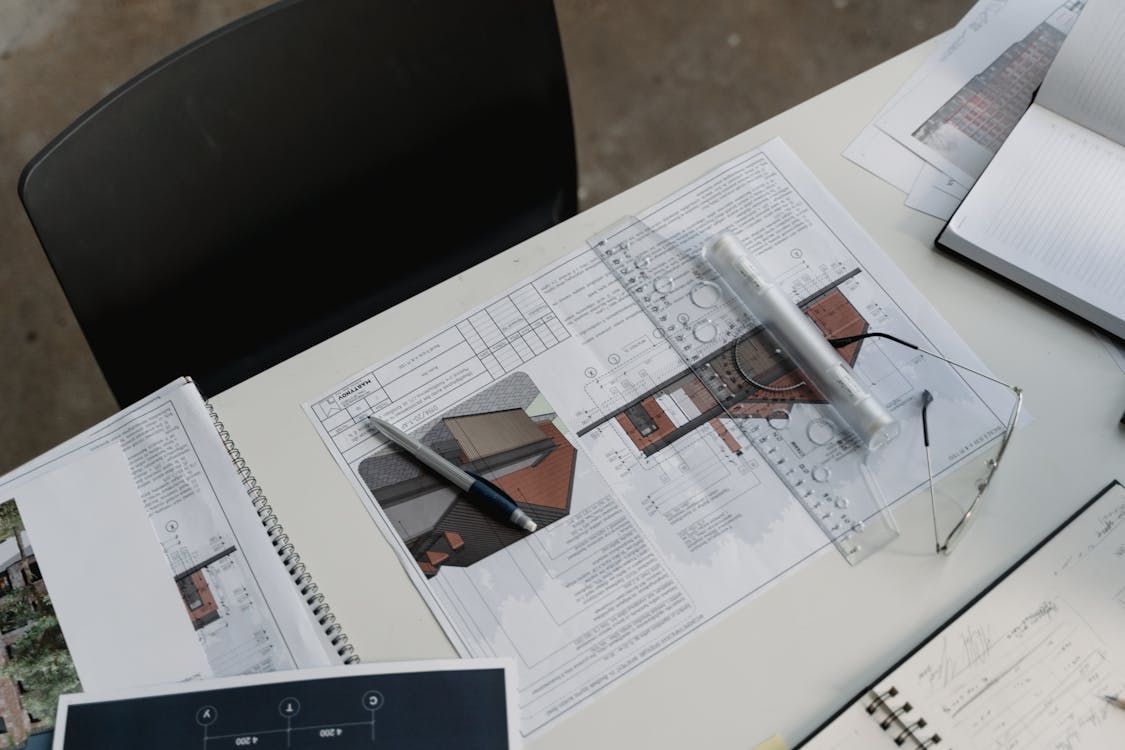
When a floor plan feels awkward, it can make daily life more frustrating than it needs to be. You want spaces that flow well and make sense for how you live.
Rooms that cut off natural light or cause you to walk through one area to get to another can be a big hassle. Consider if the layout fits your lifestyle before committing.
A poorly designed floor plan can limit how you use your home, even if everything else looks fine.
Severe basement dampness or flooding
Harshal/ pexels
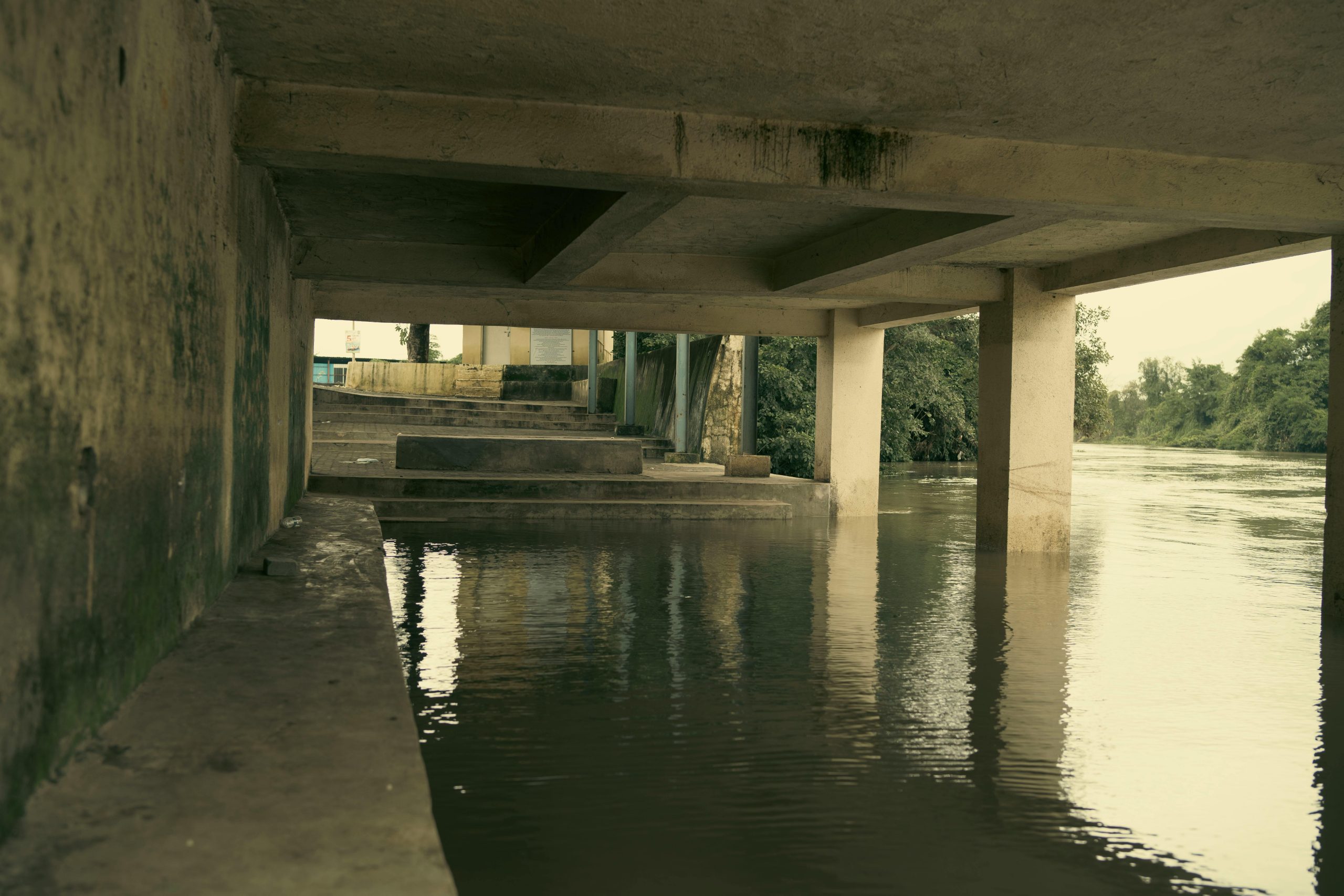
When you notice dampness or flooding in a basement, it’s a serious red flag. Water issues can cause long-term damage to the structure of the home.
You want to check for musty odors or visible water stains. These signs suggest ongoing moisture problems that could lead to mold.
If you see standing water or experience frequent flooding, it’s best to call a professional. Fixing basement water problems can get expensive and complicated.
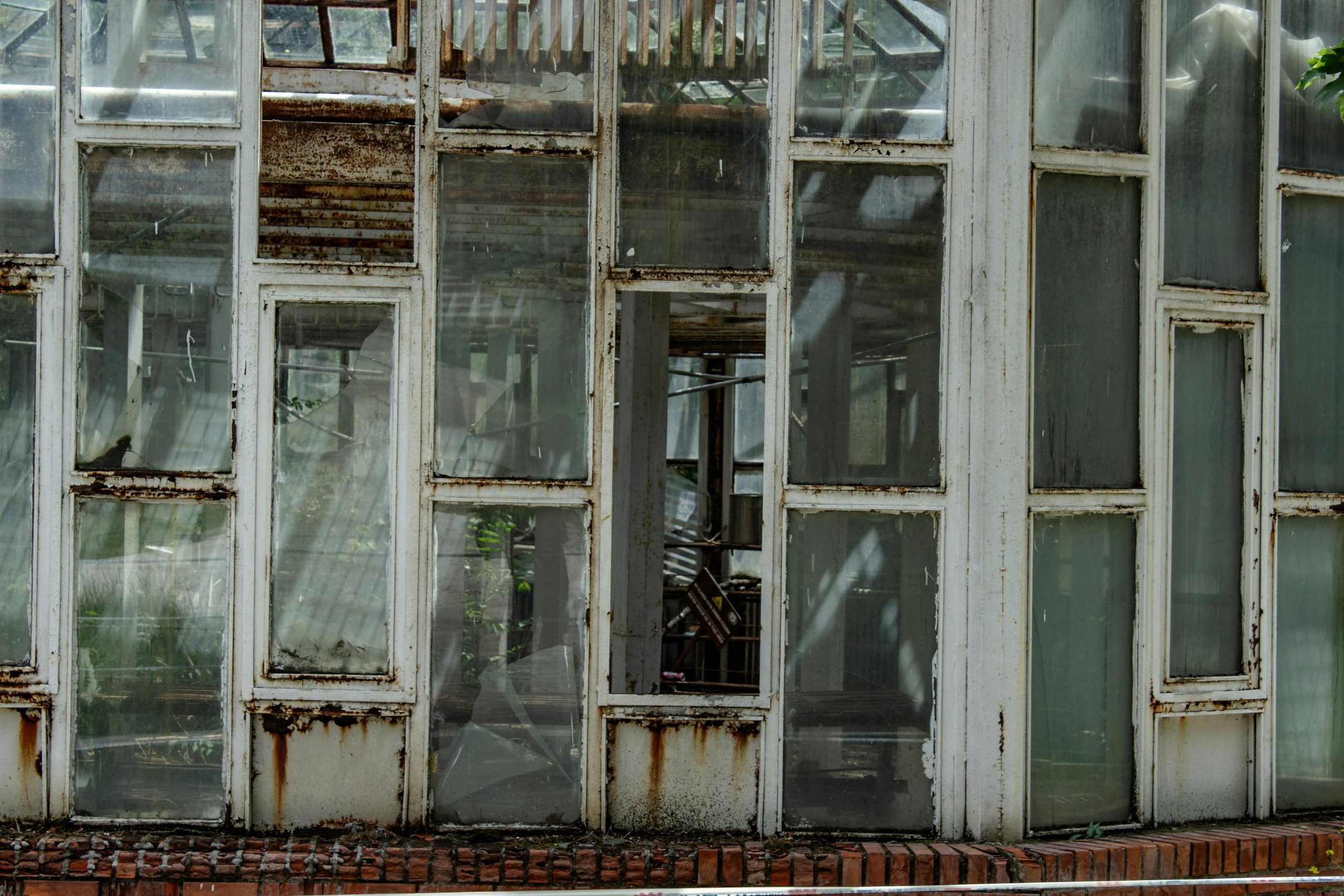
Cracked or broken windows and doors
Yunus Emre Ilıca/ pexels
When you notice cracked or broken windows and doors, it’s more than just an eyesore. These issues can let in drafts, moisture, and pests, which may lead to bigger problems inside your home.
Stickiness or gaps around doors and windows might also signal alignment or foundation trouble. Pay close attention to these details—they can save you from costly repairs later.
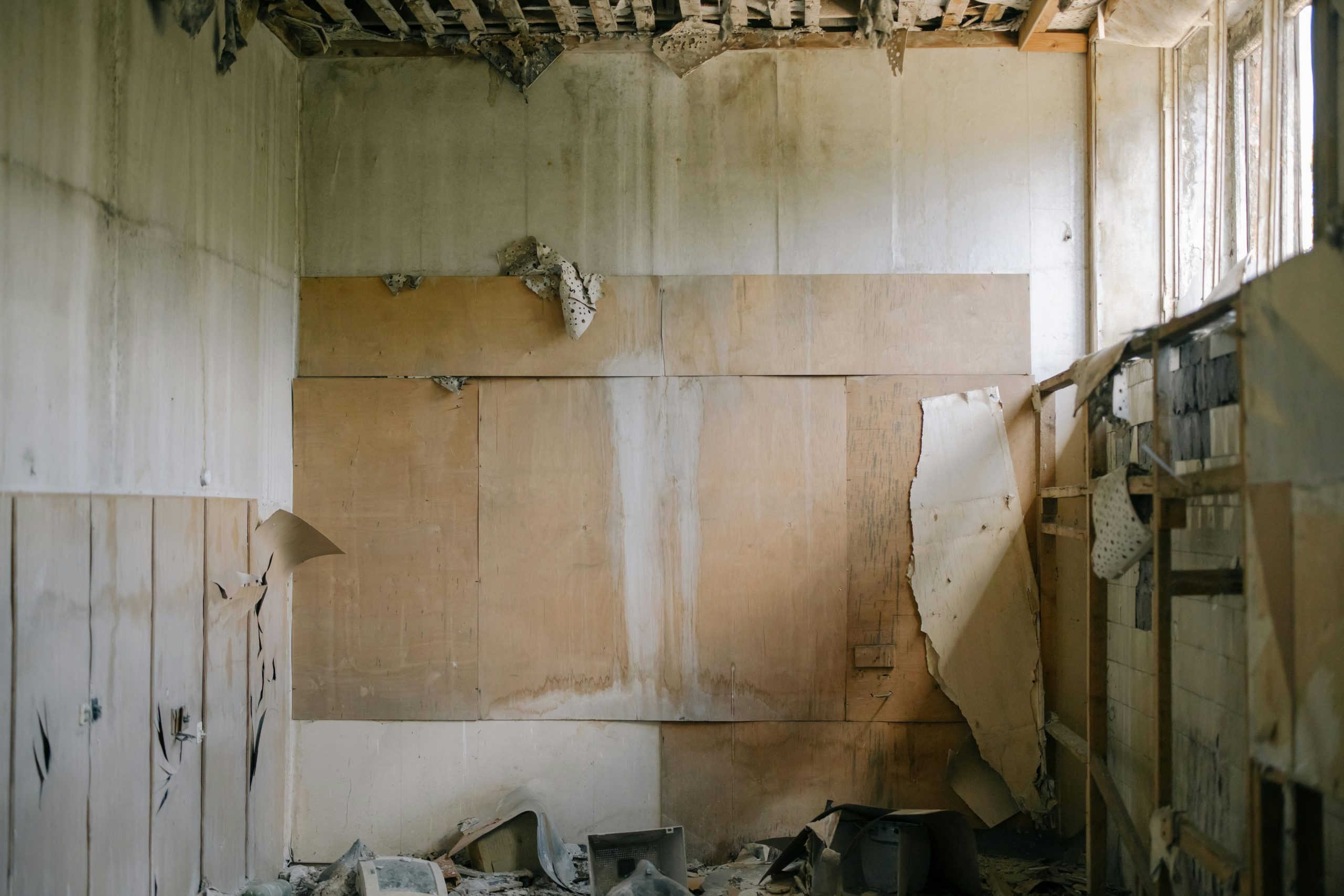
Sagging or damaged ceilings
cottonbro studio/ pexels
If you notice ceilings that are sagging or have visible damage, that’s a major red flag. It often points to water leaks or structural problems.
You’ll want to investigate the cause because these issues can be costly to fix. Don’t ignore cracks, stains, or any uneven areas on your ceiling.
Pay close attention during your walkthrough; these signs may save you from expensive surprises later.
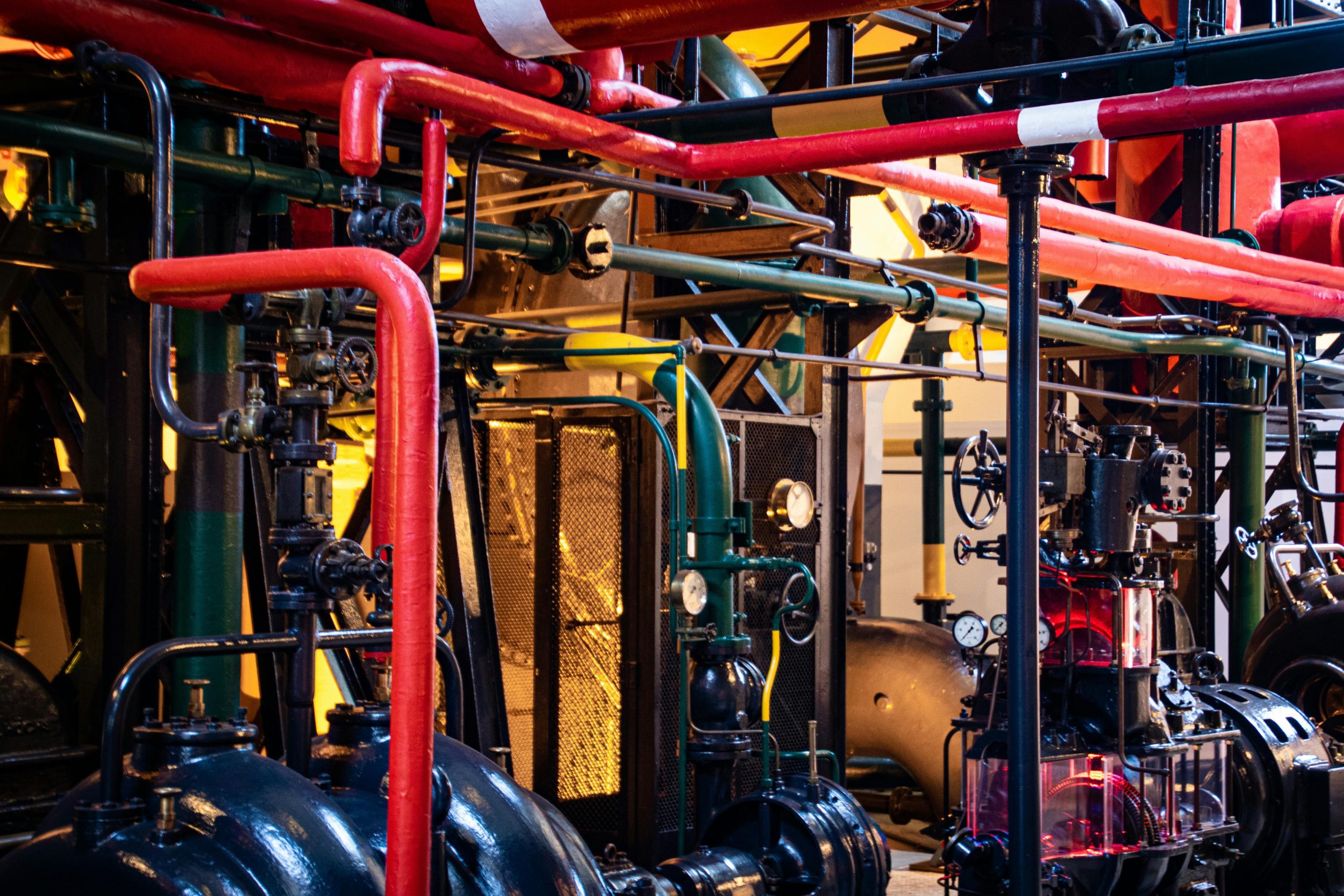
Faulty sump pumps in basements
Magda Ehlers/ pexels
If you see a sump pump in a basement, it means water can collect there occasionally. This isn’t always a deal-breaker, but it’s a sign you should check carefully.
A faulty sump pump might fail during a power outage, which can lead to flooding. Make sure the pump works properly and has a backup power source.
You want to understand the history of water issues in the basement before buying. A well-maintained sump pump can protect your home, but a broken one is a red flag.
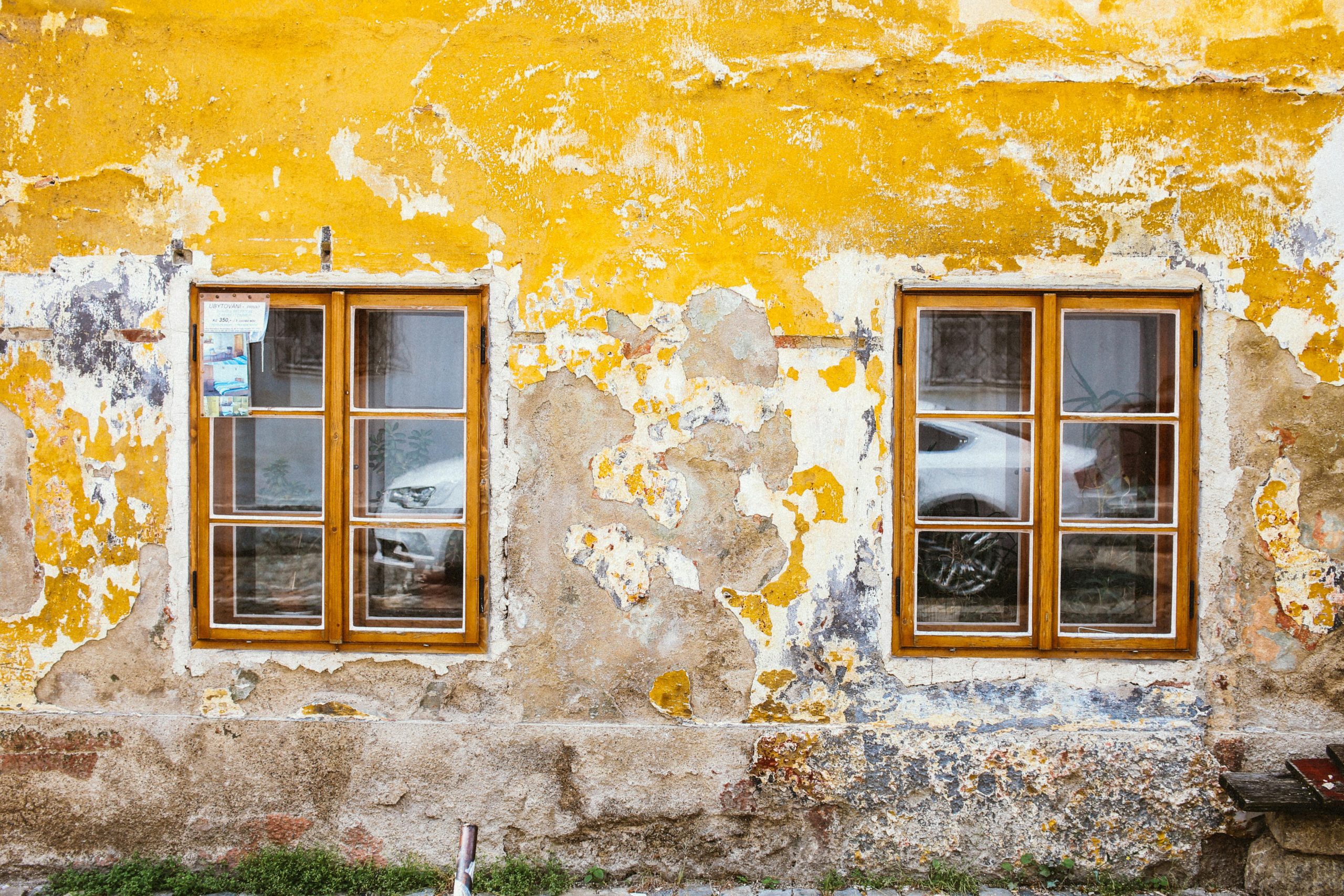
Worn-out exterior paint causing decay
Rachel Claire/ pexels
If the exterior paint is peeling or faded, it could be more than just an eyesore. Worn-out paint lets moisture seep into the wood, which may cause rot or damage over time.
You’ll want to check carefully for soft or cracked wood beneath the paint. Fixing decay can be costly and time-consuming, so this is a red flag to consider seriously before buying.
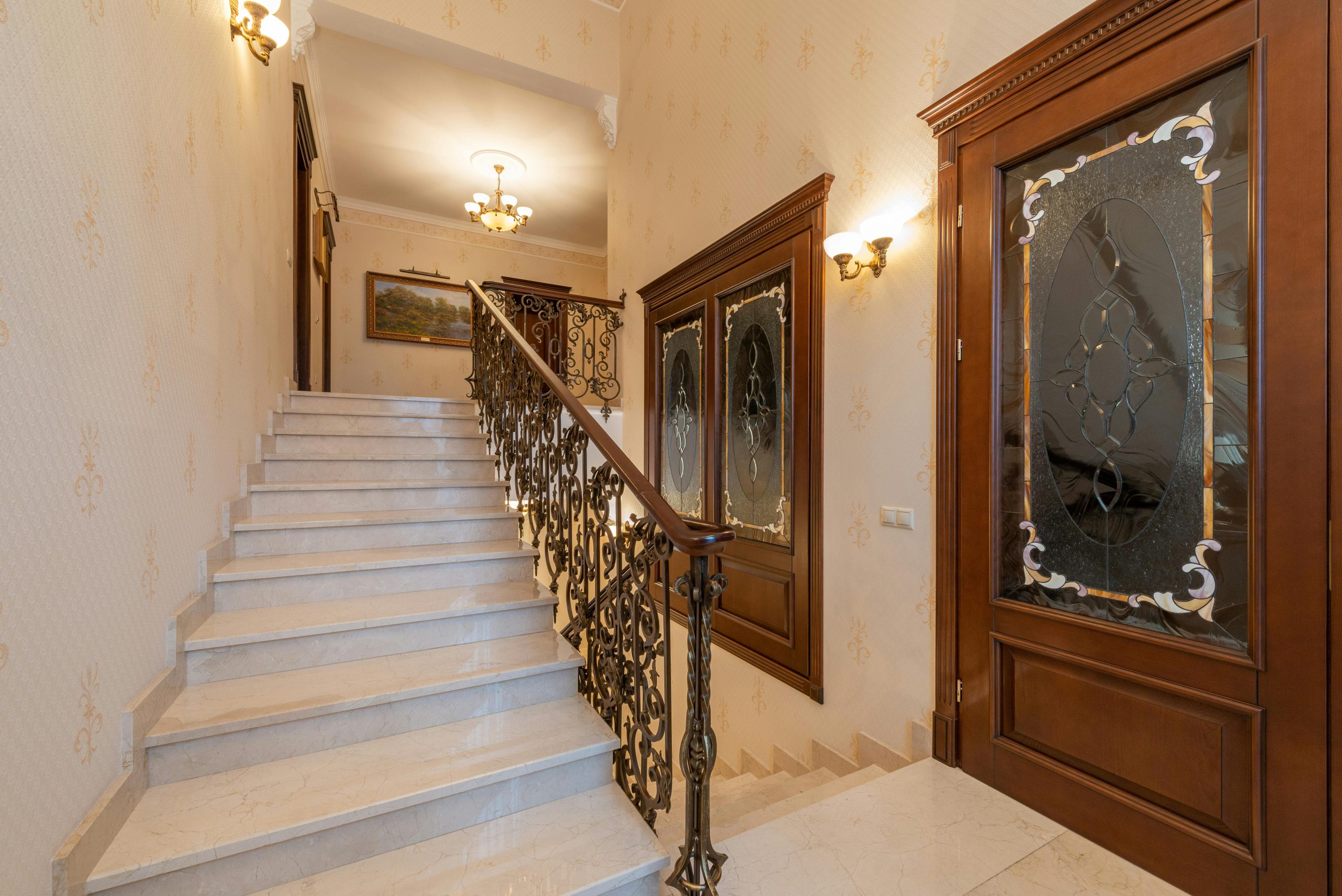
Unsafe staircases or railings

Max Vakhtbovycn/ pexels
When you spot staircases or railings that feel wobbly or poorly installed, take it seriously. These can be signs of deeper structural issues that might cost you later.
You want solid, secure railings for both safety and peace of mind. If something feels unsafe, it’s worth asking for a professional inspection before you buy.