



When you’re selling a home, understanding what modern buyers dislike can make a huge difference in your success. Today’s buyers have specific preferences that influence their decisions, and some features that once seemed appealing may now turn people away.
Knowing which house characteristics commonly lead buyers to walk away helps you avoid costly mistakes and better prepare your home for the market. This article highlights 17 key features that could be holding your property back from selling quickly or at the best price.
Persistent bad odors from pets or smoke


If your home has lingering smells from pets or smoke, buyers will notice immediately. These odors can make a space feel less fresh and inviting.
You might be used to the smell, but new visitors aren’t. It’s important to clean thoroughly and consider professional treatments to remove tough odors.
Small steps like airing out the rooms and using odor neutralizers can help. Removing anything that holds the smell, like carpets or curtains, often makes a big difference.
Visible clutter in living spaces


When your living spaces are cluttered, buyers struggle to see the full potential of your home. Personal items, excess furniture, and random belongings can make rooms feel smaller and less inviting.
You want buyers to imagine their life in your home, but clutter blocks that vision. Keeping your space clean and simple helps highlight key features and creates a more open, welcoming atmosphere.
Poor natural lighting indoors

If your home doesn’t get enough natural light, it can feel dark and uninviting. Buyers often notice this right away and may imagine needing to add extra lamps or renovate windows.
Natural light helps rooms appear larger and more cheerful. When it’s missing, even well-kept spaces can feel cramped or gloomy.
You can improve natural lighting by trimming outside bushes or choosing lighter window treatments to let more sunlight in.
Dirty or stained carpets

Dirty or stained carpets can quickly make your home feel neglected. Buyers often notice these imperfections right away, and it may lead them to question how well the property was maintained.
Fresh, clean carpets create a welcoming atmosphere and help your home appear move-in ready. If your carpets are worn or damaged, consider replacing or professionally cleaning them to improve appeal. Small updates here can make a big difference in how buyers perceive your home.
Peeling or outdated paint

If your paint is peeling, it sends a message that maintenance has been neglected. This can make buyers worry about hidden problems like water damage or mold.
Outdated paint colors can also turn buyers away. Bold or old-fashioned shades might limit their ability to picture themselves living in your home.
Refreshing your paint with neutral, clean colors can make your space feel well cared for and more inviting.
Signs of mold or mildew

You might notice dark spots or discoloration on walls, ceilings, or around windows. These can be signs of mold or mildew growth.
A musty or damp smell is another clue that moisture is present, even if you can’t see mold.
Check areas prone to moisture, like bathrooms and basements. If the seller avoids addressing these issues or refuses to pay for treatment, walk away.
Leaky roofs or visible water damage


If you spot a leaky roof or signs of water damage, it’s a big warning sign. These issues often mean there could be hidden problems like mold or structural damage.
You don’t want surprise repair costs after moving in. Always ask for a thorough inspection focused on water issues before making any decisions.
A well-maintained roof keeps your home safe and dry, so buyers usually walk away if water damage is obvious or suspected.
Cracked or uneven flooring

If you notice cracked or uneven floors, it can be a sign of underlying issues like soil movement or foundation problems.
Uneven floors are common in older homes but don’t always mean major damage. Still, it’s smart to get a professional inspection before deciding.
Cracks can allow moisture in, which might lead to bigger problems over time. Keep an eye on these signs to avoid costly repairs later.
Outdated kitchen appliances

When your kitchen appliances are old, it can make buyers hesitate. They often worry about high replacement costs and potential repairs.
If your appliances look like they belong in another decade, it sends a signal that the kitchen needs updating.
Modern buyers prefer kitchens with newer, energy-efficient appliances. It helps them imagine moving in without extra expenses or hassle.
Worn-out bathroom fixtures


If your bathroom fixtures look old or damaged, buyers will notice right away. Faucets that drip or have rust spots give the impression of poor maintenance.
Replacing fixtures is a simple update that can make your bathroom feel fresher. New hardware often saves water and looks cleaner, which appeals to modern buyers.
Don’t overlook small details like showerheads or cabinet handles. These easy fixes can help your bathroom feel more inviting and well cared for.
Overgrown or neglected yard


If your yard looks overgrown or untidy, it can quickly turn buyers away. Tall grass, untrimmed bushes, and weeds give the impression that the home hasn’t been cared for.
Taking time to mow the lawn and prune shrubs shows you maintain your property. This simple effort can make your home feel more welcoming and well-kept.
Neglected yards might also raise concerns about bigger issues, like drainage or pests. Keeping your outdoor space neat helps avoid those doubts from buyers.
Lack of accessible outdoor space
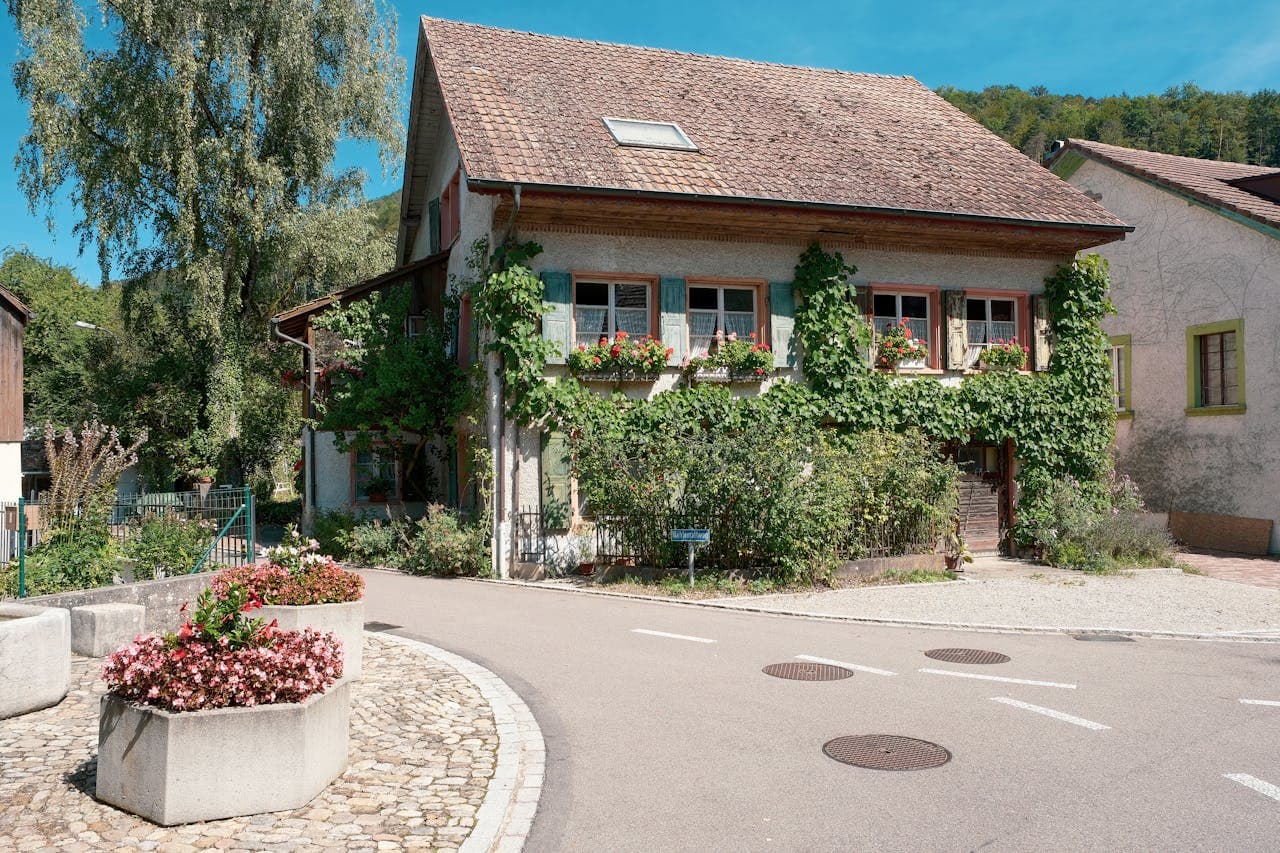
If your home doesn’t offer easy access to outdoor areas, many buyers may lose interest. People want a quiet spot for relaxation or space where pets can play safely.
Nearby parks or trails add real value, so lacking those can hurt appeal. Even small patios or balconies with good accessibility can make a difference.
Making outdoor spaces easy to reach and use, especially for all ages and abilities, improves buyer interest noticeably.
Structural issues like cracks in walls

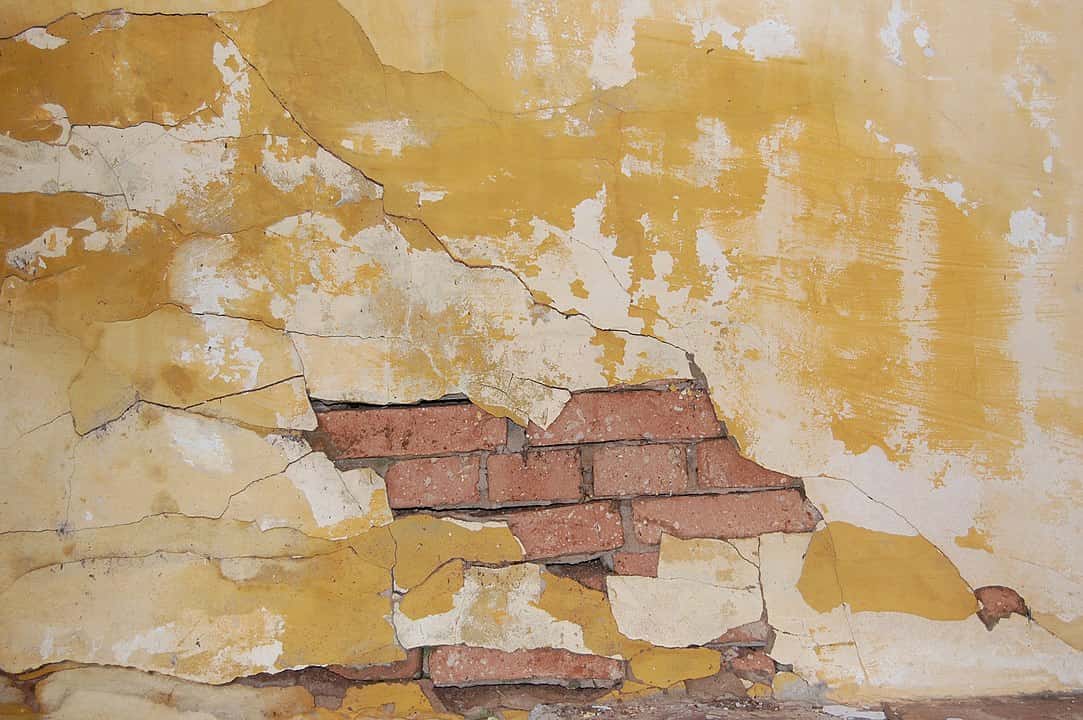
If you spot cracks in the walls, it can be a sign of deeper structural problems. Horizontal cracks or ones that run along the wall can indicate foundation trouble.
These issues can affect your safety and end up costing a lot to fix. You’ll want to get a professional inspection to understand the severity before making any decisions.
Basement with dampness or flooding

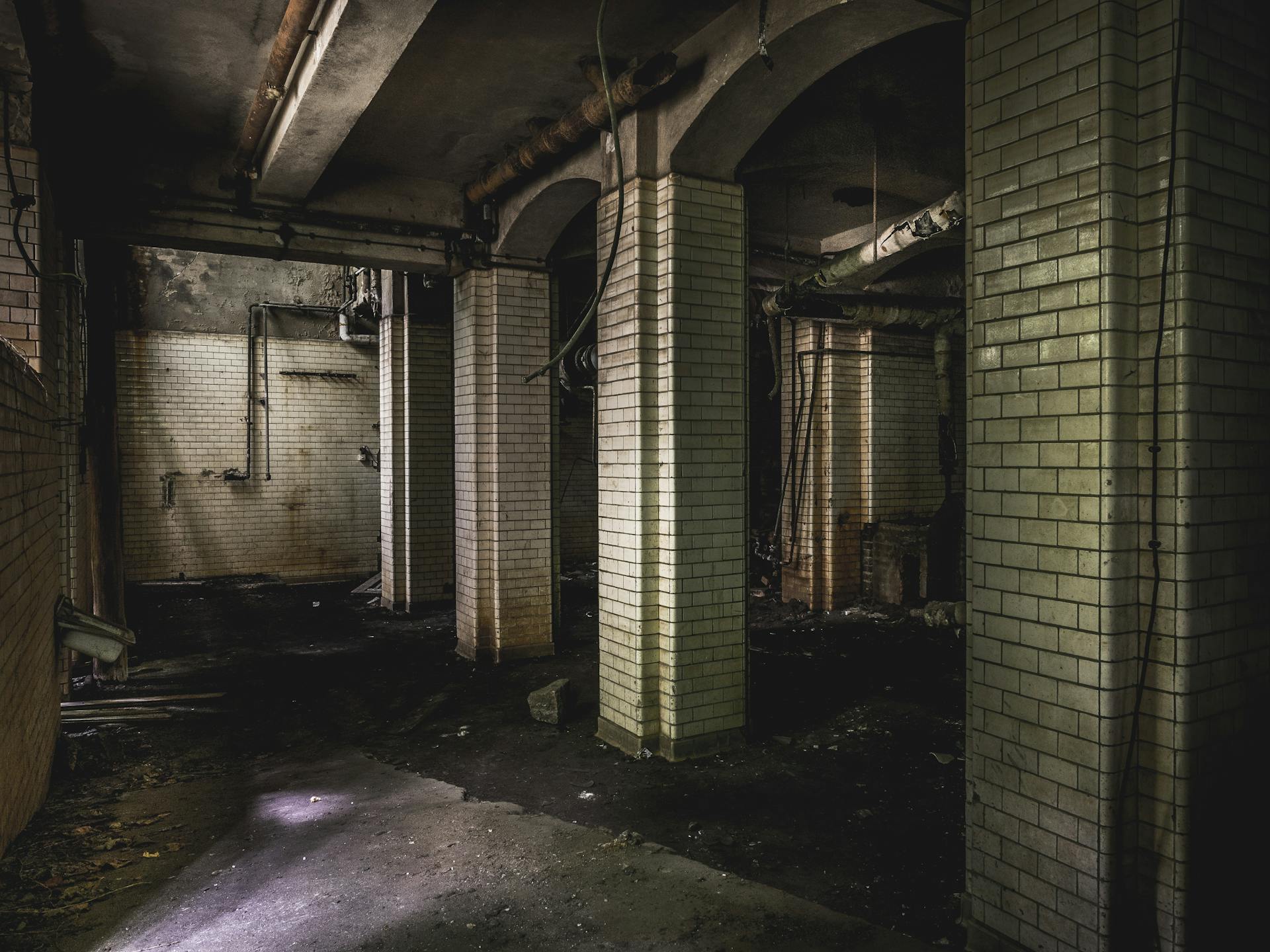
If your basement shows signs of dampness or flooding, it can turn buyers away quickly. Water issues suggest potential damage and costly repairs.
You might lose 10% to 25% of your home’s value if the basement is wet. Buyers often worry about mold and structural problems.
It helps to check your basement during or after rain to spot moisture. Addressing these problems before selling can make a big difference.
High radon levels detected


If your home has elevated radon levels, it can be a major concern for buyers. Radon is a naturally occurring gas that can increase the risk of lung cancer over time.
You won’t see or smell radon, so testing is the only way to find out if it’s a problem. Levels above 4 pCi/L are considered hazardous and often make buyers hesitant.
The good news is you can install a mitigation system to reduce radon safely. Many buyers understand this and won’t necessarily walk away if a fix is in place.
Noisy surroundings or thin walls


If your home is near busy roads, loud neighbors, or busy public spaces, it can be tough to relax inside. Noise can quickly become a dealbreaker for buyers looking for peace.
Thin walls make the problem worse by letting sounds travel easily between rooms. You might not notice this issue until you live there, but buyers will.
Improving soundproofing or choosing a quieter location helps your home feel more private and comfortable.
Badly maintained HVAC systems


If your HVAC system looks old or hasn’t been serviced regularly, buyers may worry about efficiency and repair costs.
A poorly maintained system can signal bigger problems and less comfort in the home. This often lowers the appeal of your property.
Keeping your heating and cooling system in good shape shows you care about the home’s condition. It helps avoid requests for repairs or price reductions during negotiations.