

As a mom, you’ve probably collected a vast array of items over the years, from baby clothes to toys and school projects. It’s easy to let these items pile up in your home, but it’s also important to remember that not everything should be saved. Some items can take up unnecessary space, pose a safety risk, or even affect your family’s health.
Let’s take a look at 17 things that moms should never store. These tips will help you declutter your home, make it safer, and perhaps even make your life a little easier.
1. Old Medications


Old and expired medications can be dangerous. They can lose their effectiveness over time, and in some cases, they can even become harmful. It’s important to regularly check the expiry dates on all the medications in your home and dispose of any that are out of date. You should also avoid storing medications in places that are too hot, cold, or humid, as these conditions can affect their potency.
If you’re unsure how to dispose of expired medications, check with your local pharmacy. Many pharmacies offer medication disposal programs where you can drop off unwanted or expired medications for safe disposal. Never flush medications down the toilet or throw them in the trash, as they can contaminate the water supply or harm wildlife.
2. Plastic Bags

While it can be tempting to keep a stash of plastic grocery bags for reuse, they can quickly take up a lot of space. Furthermore, they can be a suffocation hazard for young children.
Try to reduce your use of plastic bags by bringing your own reusable bags when you go shopping. If you do have plastic bags at home, consider recycling them. Many supermarkets have collection bins for used plastic bags. You could also use them as liners for small trash cans, or donate them to a local animal shelter where they can be used for cleaning up after pets.
3. Old Paint


Old cans of paint are not only bulky and take up a lot of space, but they can also be hazardous. Paint can emit harmful fumes, and if not stored properly, it can leak and contaminate other items.
If you have leftover paint from a recent project, consider donating it to a local school, community center, or theater group. They might be able to use it for set design or art projects. If the paint is too old or has gone bad, it needs to be disposed of properly. Check with your local waste disposal facility to see if they accept old paint.
4. Old Batteries


Batteries that are past their prime can leak acid, which can be dangerous. Plus, they are considered hazardous waste and should not be thrown in the regular trash.
There are many places that recycle old batteries, including electronics stores, home improvement stores, and recycling centers. Some battery manufacturers also offer mail-back programs or collection events. Remember, it’s not just the environment that benefits from properly recycling batteries, but also your home’s safety.
5. Unused Appliances

Whether it’s an old toaster that’s been replaced or a blender that was never used in the first place, unused appliances take up a lot of valuable storage space. They also gather dust, which can contribute to allergies and respiratory problems.
Consider donating unused appliances to a charity, selling them online, or giving them to a friend or family member who could use them. If the appliance is broken, look into electronics recycling programs in your area.
6. Old Makeup


Old makeup can harbor bacteria, which can lead to skin infections and eye irritations. Plus, the quality and performance of makeup products can deteriorate over time.
As a general rule, mascara should be replaced every three months, liquid foundation and eyeliner every six months, and lipsticks, blushes, and eyeshadows every one to two years. If a product changes color, texture, or smell, it’s time to throw it away.
7. Broken Toys

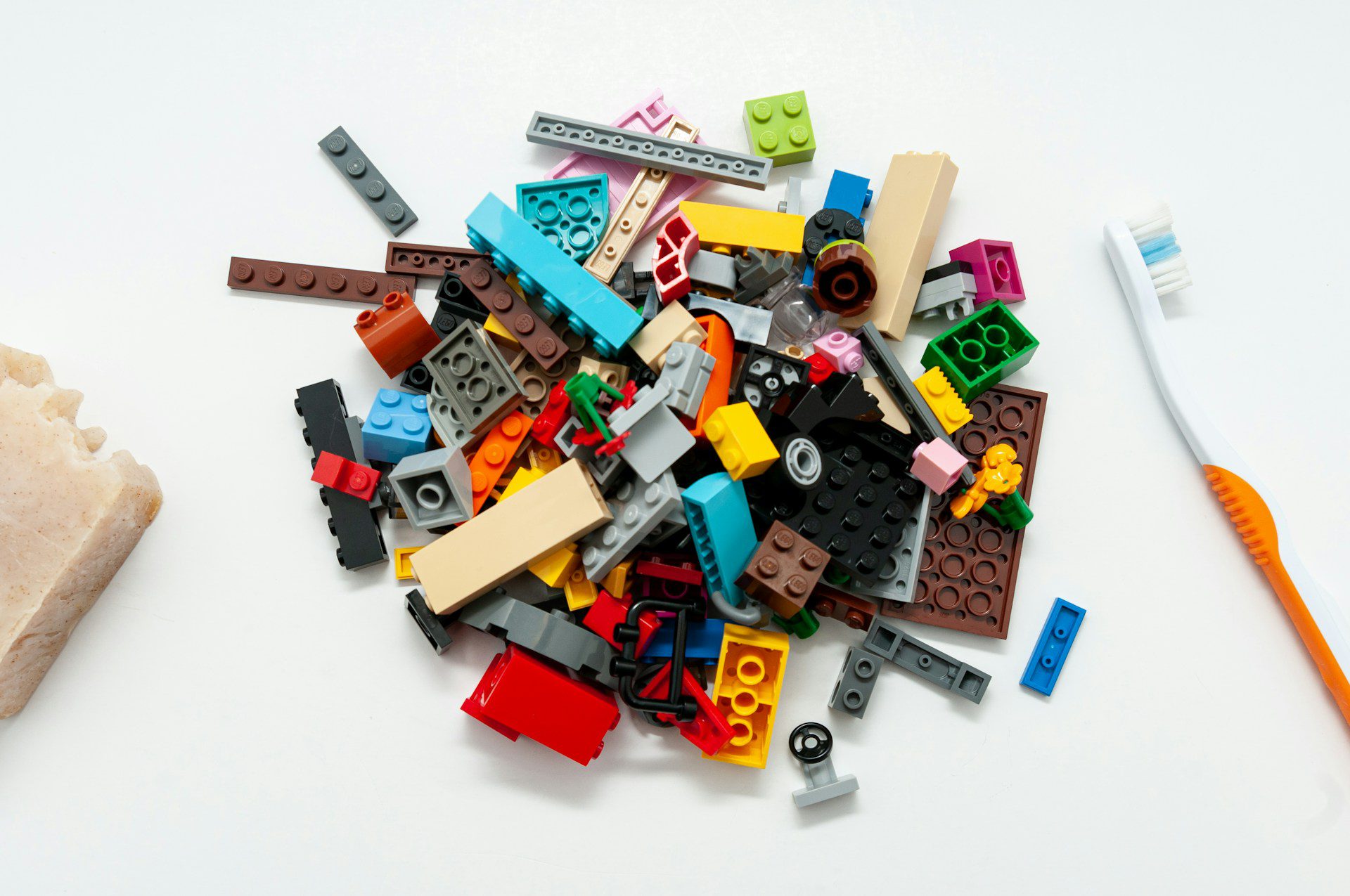
Broken toys are not only a tripping hazard, but they can also pose a choking risk if they have small parts. Plus, they can clutter up your home and make it harder for your kids to find the toys they actually want to play with.
If a toy is broken beyond repair, it’s best to throw it away. If it’s still in good condition, consider donating it to a charity, selling it on a secondhand website, or giving it to a friend or family member.
8. Expired Food
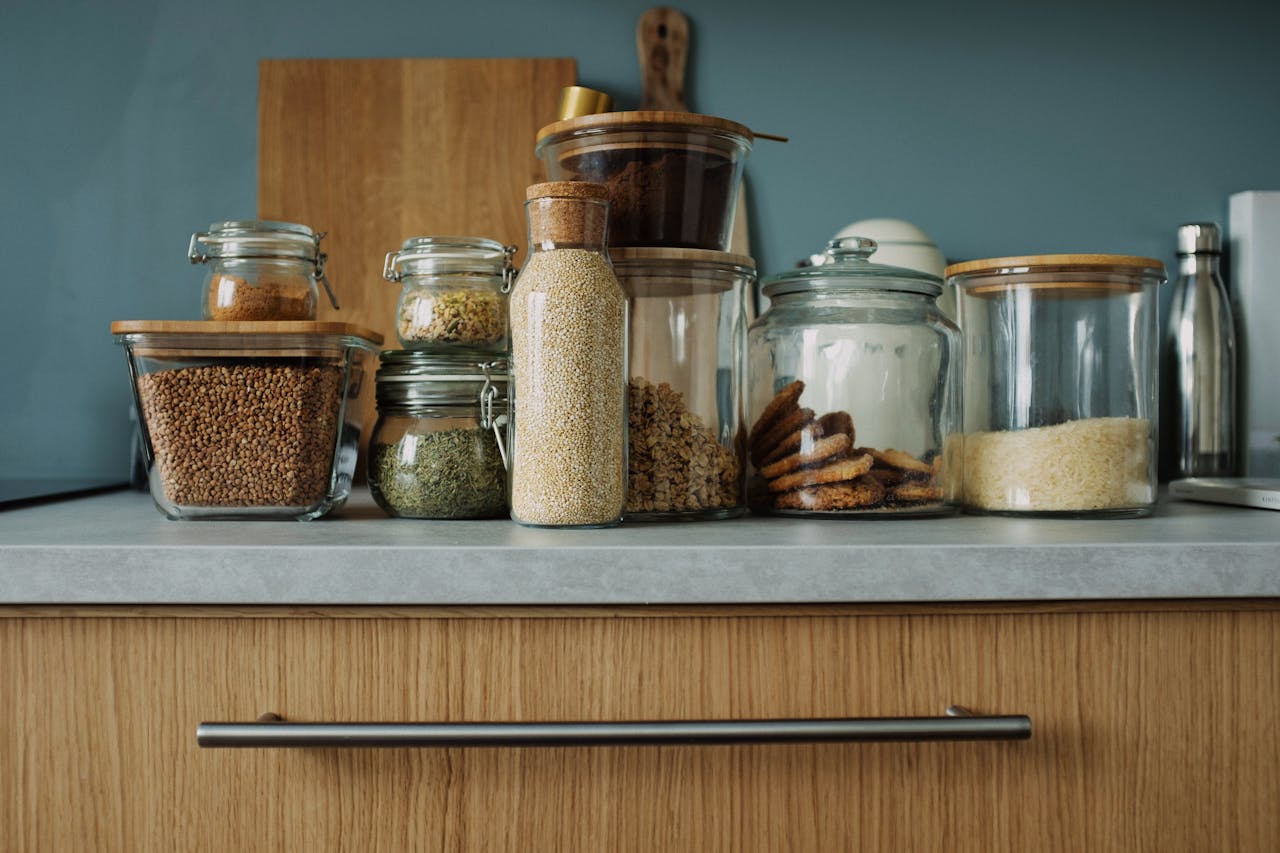
Expired food can cause food poisoning and other health issues. Always check the expiry dates on your food items and throw away anything that’s past its prime.
Remember, “best before” dates refer to quality, not safety. Food may not taste as good or have the same texture after this date, but it’s still safe to eat. “Use by” dates, on the other hand, are about safety. After this date, food could be unsafe to eat, even if it looks and smells fine.
9. Old Cleaning Supplies

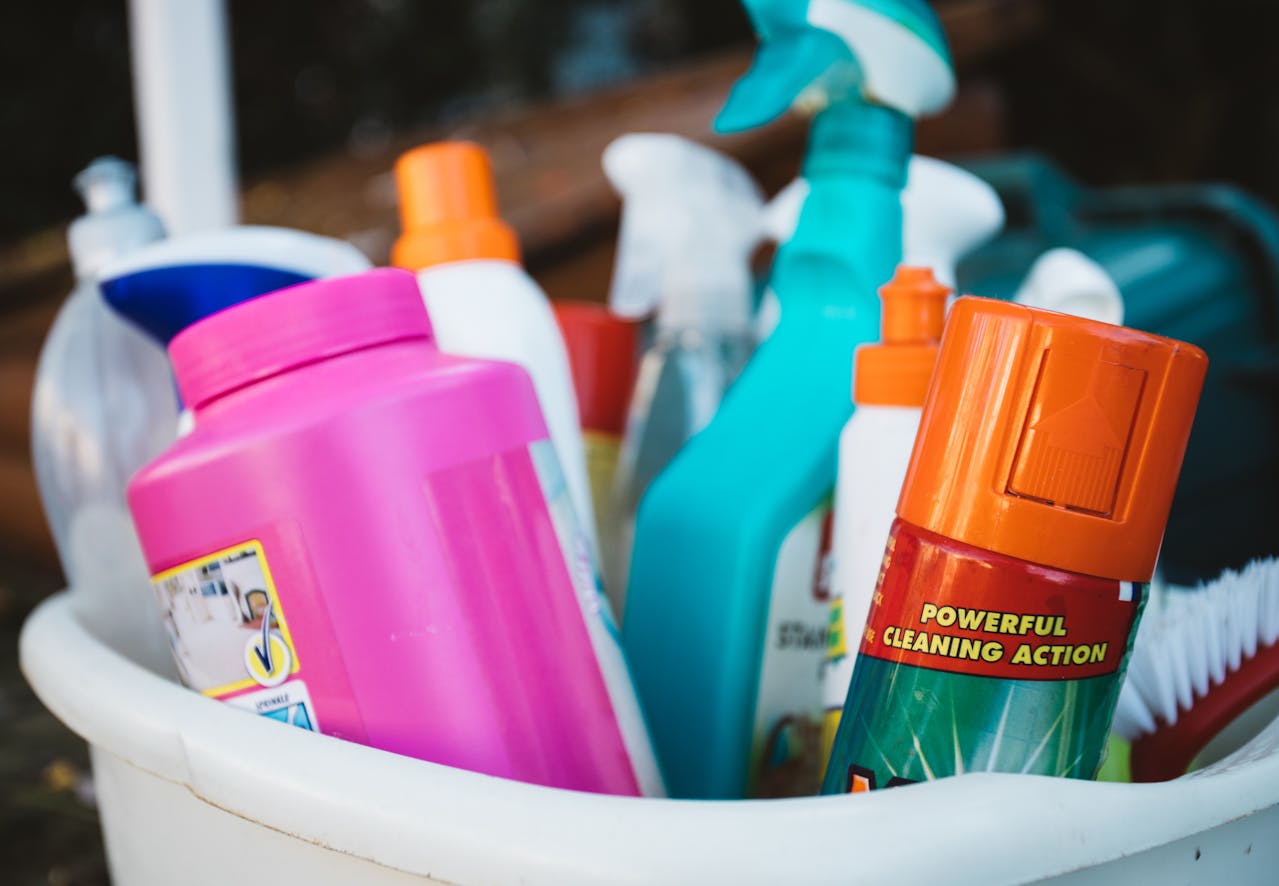
Just like food and medications, cleaning supplies can also expire. When they do, they may not be as effective at cleaning, or they could produce harmful fumes.
Check the labels on your cleaning supplies for expiry dates. If a product has expired or you no longer use it, it’s time to get rid of it. Remember to dispose of cleaning supplies properly, as many of them are hazardous and should not be thrown in the regular trash.
10. Old Electronics

Old electronics, like phones, computers, and TVs, can take up a lot of space and gather dust. They can also contain harmful substances like lead and mercury, which can be released into the environment if they’re not disposed of properly.
There are many electronics recycling programs where you can drop off your old electronics for safe disposal. You might also be able to sell your old electronics, or donate them to a charity or a school.
11. Unused Furniture


Unused furniture can take up a lot of space in your home. Plus, if it’s stored in a damp or humid place, it can develop mold or mildew, which can affect your family’s health.
If you’re not using a piece of furniture, consider selling it, donating it, or giving it to a friend or family member. If it’s broken, you might be able to repair it or repurpose it into something new.
12. Old Pillows


Old pillows can harbor dust mites, which can cause allergies and respiratory problems. Plus, over time, pillows can lose their shape and provide less support, which can lead to neck and back pain.
As a general rule, you should replace your pillows every one to two years. If a pillow is stained, smells bad, or is no longer supportive, it’s time to replace it.
13. Old Shoes


Old shoes that are worn out or no longer fit can take up a lot of space in your closet. Plus, they can get moldy or smelly if they’re not stored properly.
If you have old shoes that are still in good condition, consider donating them to a charity or selling them on a secondhand website. If they’re worn out, check with your local recycling center to see if they accept old shoes for recycling.
14. Old Towels
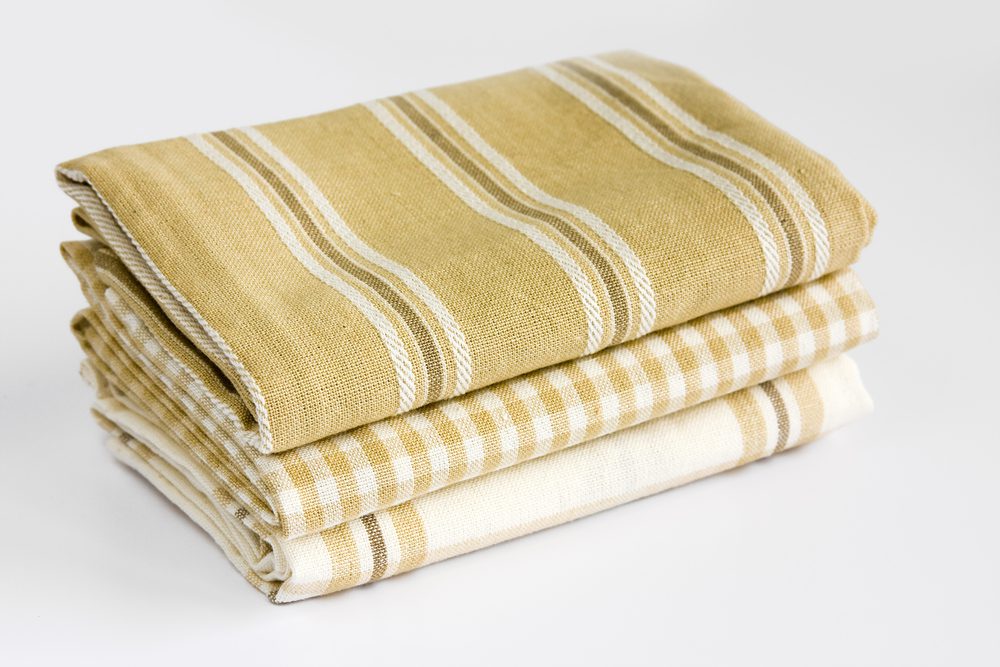
Old towels can become rough and less absorbent over time. Plus, they can harbor bacteria, especially if they’re not washed regularly.
If you have old towels that you no longer use, consider donating them to a local animal shelter, where they can be used for bedding or cleaning. You can also cut them up and use them as rags for cleaning around the house.
15. Old Bedding

Like pillows and towels, old bedding can also harbor dust mites and bacteria. Plus, it can become worn and less comfortable over time.
It’s a good idea to replace your bedding every two to three years. If your old bedding is still in good condition, consider donating it to a charity, or using it as a spare set for guests.
16. Old Magazines

Old magazines can quickly pile up and take up a lot of space. Plus, they can gather dust, which can contribute to allergies and respiratory problems.
If you have old magazines lying around, consider recycling them. You might also be able to donate them to a local library, school, or community center.
17. Outgrown Baby Clothes

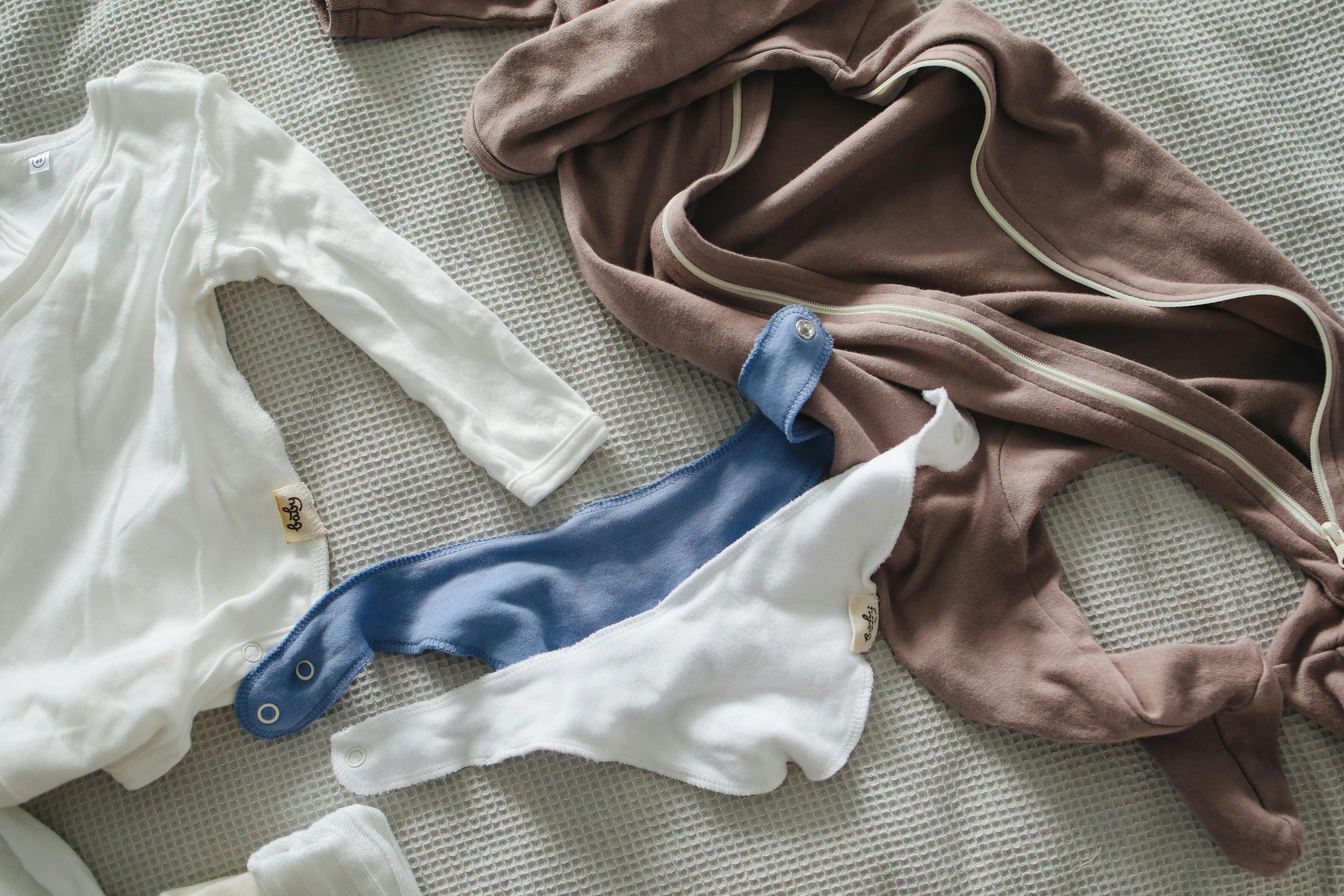
It can be hard to part with baby clothes that your children have outgrown, especially if they hold sentimental value. However, they can quickly take up a lot of space.
Try to keep only a few special pieces as keepsakes. The rest of the clothes can be sold on a secondhand website, donated to a charity, or passed on to friends or family members with younger children.