

We all crave a comfortable, spacious home that welcomes us at the end of a long day. But sometimes, despite our best efforts, our homes may feel smaller and more cramped than we’d like. Perhaps you’re living in a compact urban apartment, or maybe you’re trying to make the most of a quaint, cozy cottage.
Either way, certain design and decorating mistakes can make your space feel constrained and claustrophobic. Let’s talk about 17 common things that make homes feel smaller and provides practical advice to help you avoid these pitfalls.
1. Overcrowded Furniture


A common mistake people make when decorating their homes is overcrowding the space with too much furniture. This tends to make the room feel cluttered and cramped, thereby making the home feel smaller.
When choosing furniture, focus on pieces that are essential and functional for your needs. Select furniture that has a dual purpose such as beds with storage underneath or ottomans that can be used as a coffee table. Avoid buying oversized furniture as it tends to eat up a lot of space.
2. Dark Colors

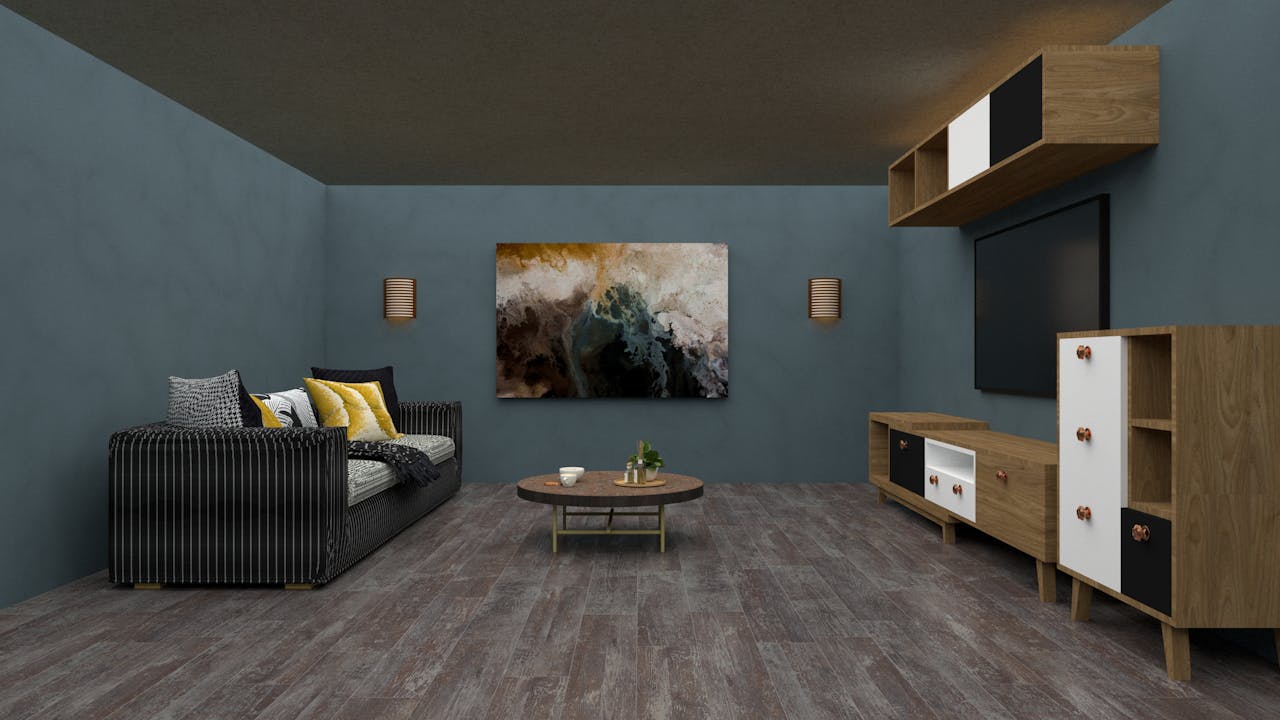
Painting rooms in dark colors can make them seem smaller than they actually are. Dark shades absorb light, reducing the amount of natural light reflected in the room.
Instead, opt for lighter shades for your walls, such as whites, creams, or pastels. These colors reflect light, making your room feel brighter and more spacious. If you prefer darker colors, consider using them as accents in your room décor.
3. Lack of Lighting

A poorly lit room can make your space feel small and claustrophobic. Light is a key element in creating a sense of space and openness in a home.
Ensure your space is well-lit by making use of natural light as much as possible. Open your windows during the day to let in sunlight. For artificial lighting, consider layered lighting with a combination of ambient, task, and accent lights to illuminate your room evenly.
4. Clutter


Clutter can easily make your home feel cramped and small. When countertops, tables, and floors are covered with items, it reduces the visual space in your home.
Make it a habit to declutter regularly. Invest in smart storage solutions to keep your items organized. A clean, uncluttered space not only looks bigger but is also more relaxing and inviting.
5. Small, Busy Patterns


Small, busy patterns on your walls, curtains, or furniture can make a room feel smaller. These patterns can be overwhelming and shrink the perceived size of the room.
Opt for larger patterns or solid colors instead. These can help create a sense of space and continuity, making your room feel larger.
6. Short Curtains or Drapes

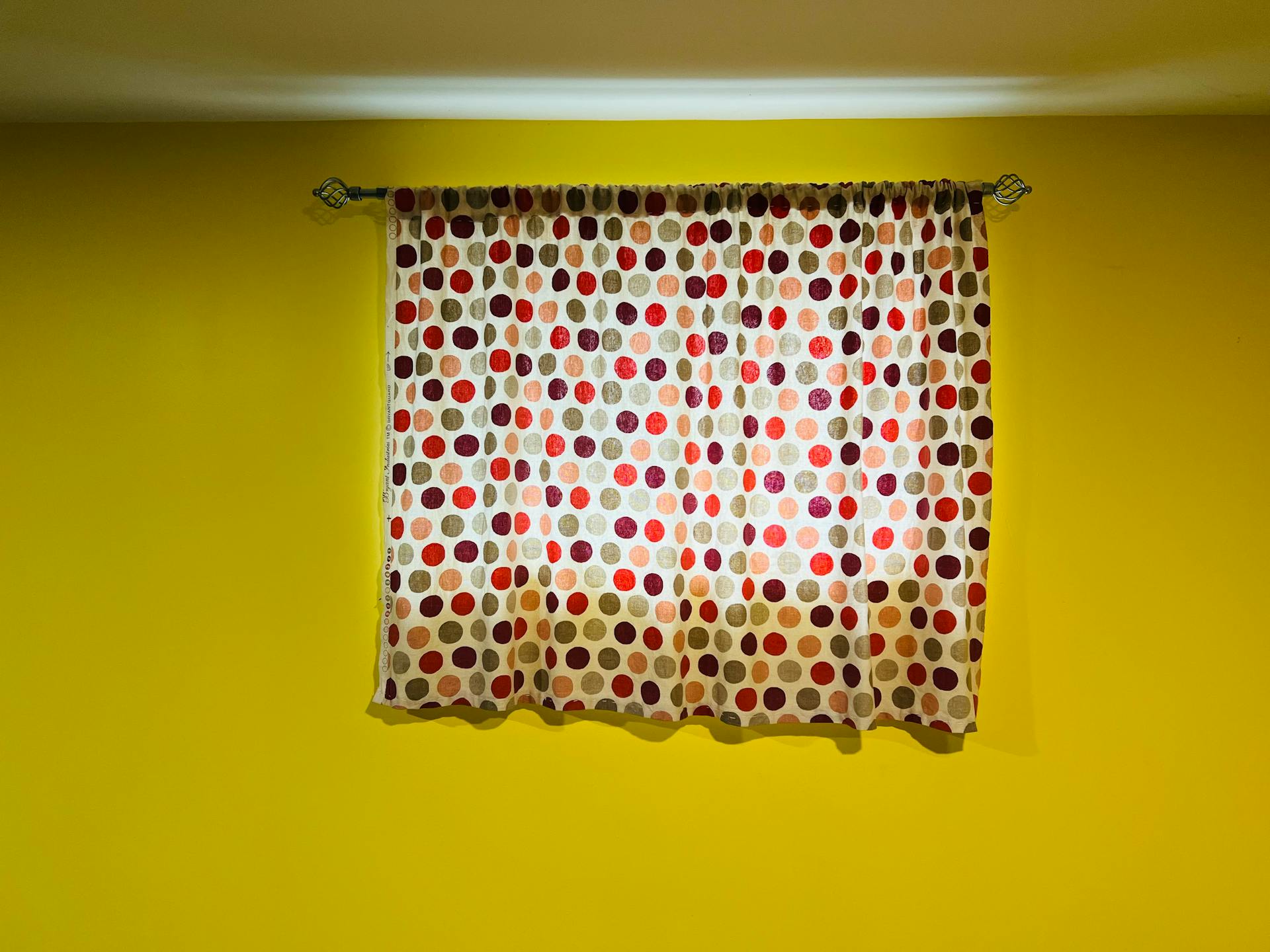
Short curtains or drapes can make your windows seem smaller and your ceilings appear lower, thereby making the room feel smaller.
To create an illusion of height, hang your curtains or drapes from the ceiling to the floor. This draws the eye upward, creating a sense of verticality and making the room feel more spacious.
7. Large-Scale Art

While large-scale art can be a fantastic statement piece, it can also overwhelm a small space and make it feel smaller.
Consider smaller pieces of art or a gallery wall of smaller prints. This can give your room a sense of scale without overpowering it.
8. Too Many Decorative Items

While it’s great to display your favorite knick-knacks, too many decorative items can make your space feel cluttered and small.
Choose a few key pieces to display and rotate them out periodically. This keeps your décor fresh and avoids overwhelming your space.
9. Closed-Off Spaces
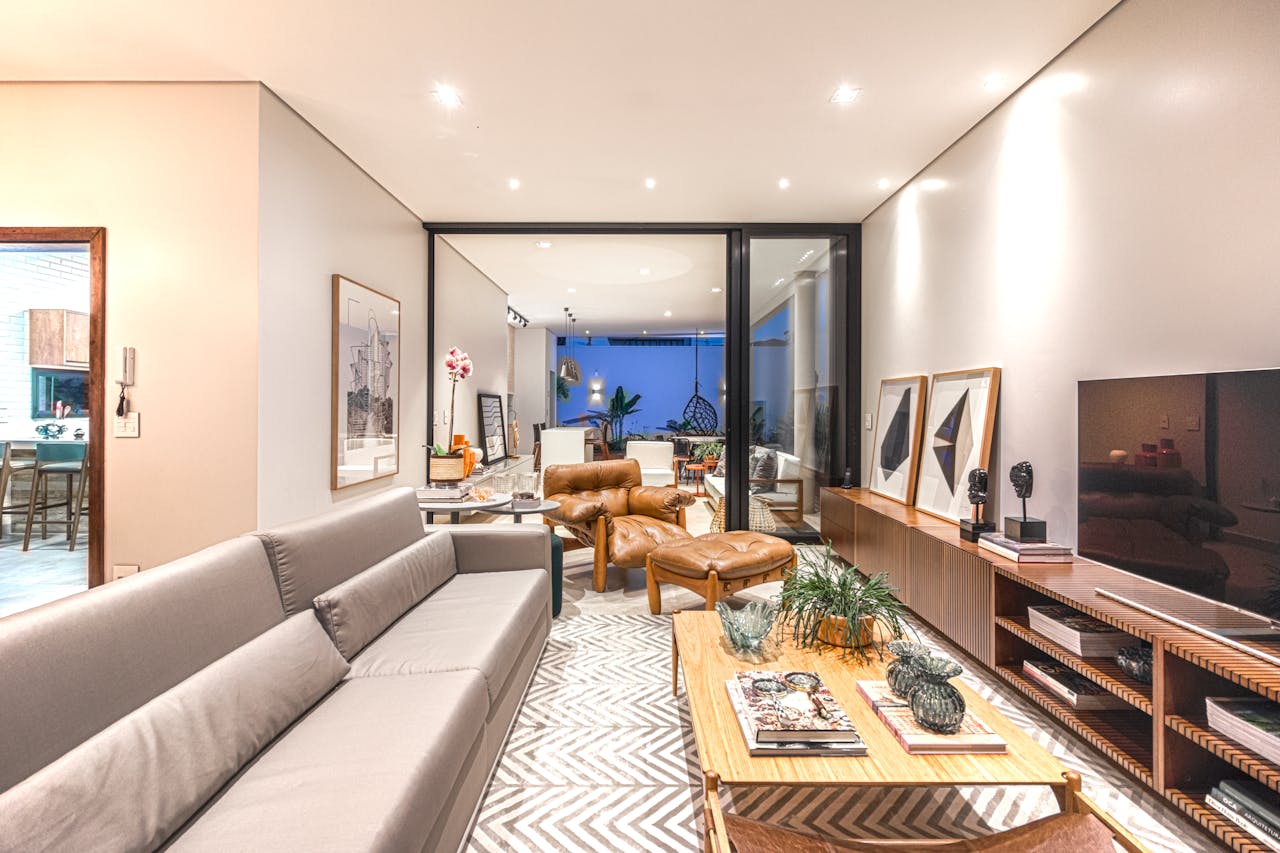
Closed-off rooms and spaces can make your home feel smaller. Open plan living can help create a sense of space and flow in your home.
Consider knocking down non-structural walls to open up your space. If that’s not possible, use furniture and décor to create visual continuity between rooms.
10. Heavy, Bulky Furniture


Heavy, bulky furniture can make a room feel cramped and small. It can also cause traffic flow problems and make the room feel less functional.
Opt for sleek, streamlined furniture with clean lines. This can help your space feel more open and airy.
11. Unnecessary Walls and Partitions

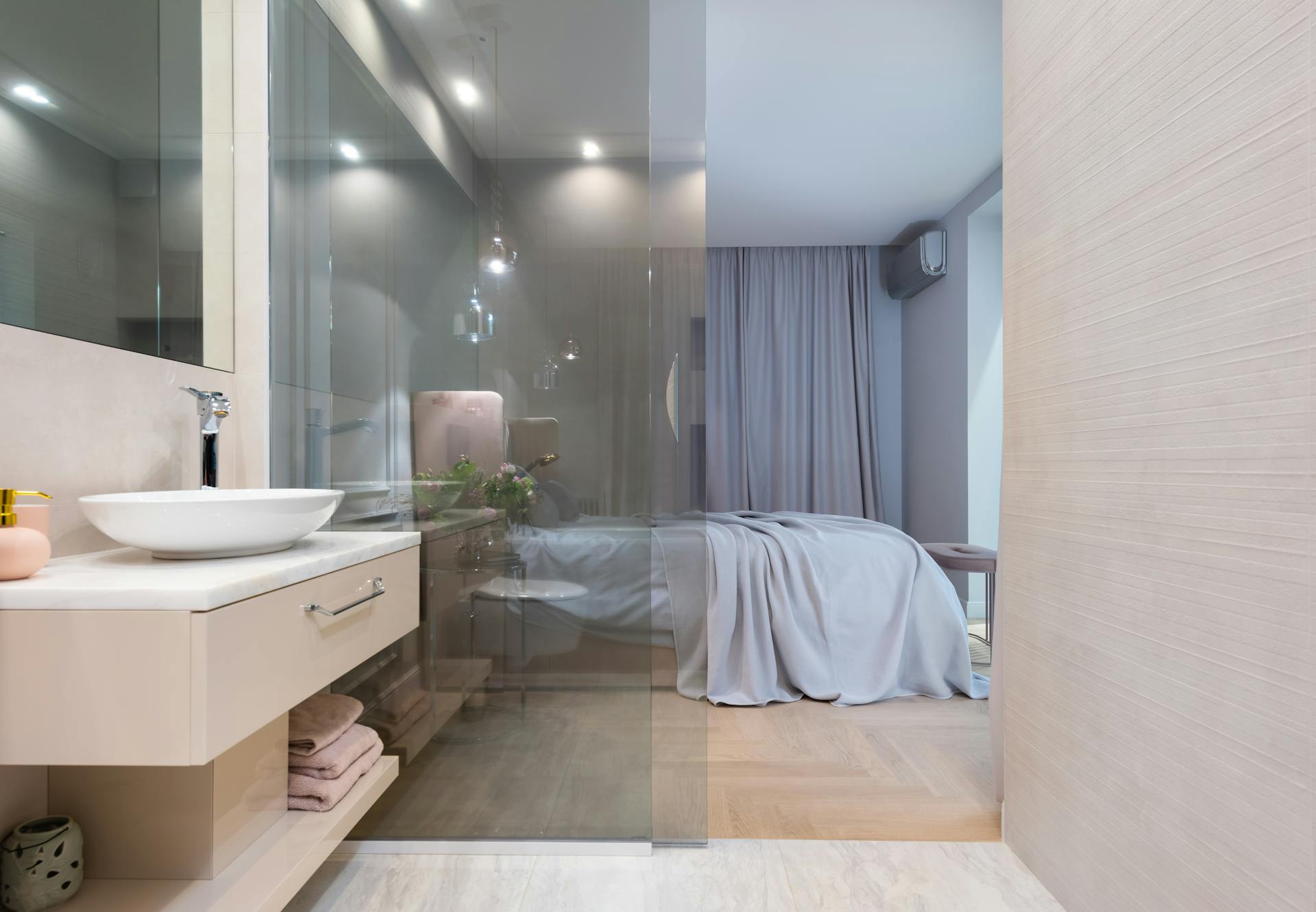
Walls and partitions can chop up a space and make it feel smaller. If possible, consider removing unnecessary walls to create an open floor plan.
If removing walls is not an option, try using alternative room dividers like curtains or open shelving. These can help define spaces without closing them off.
12. Low Ceilings

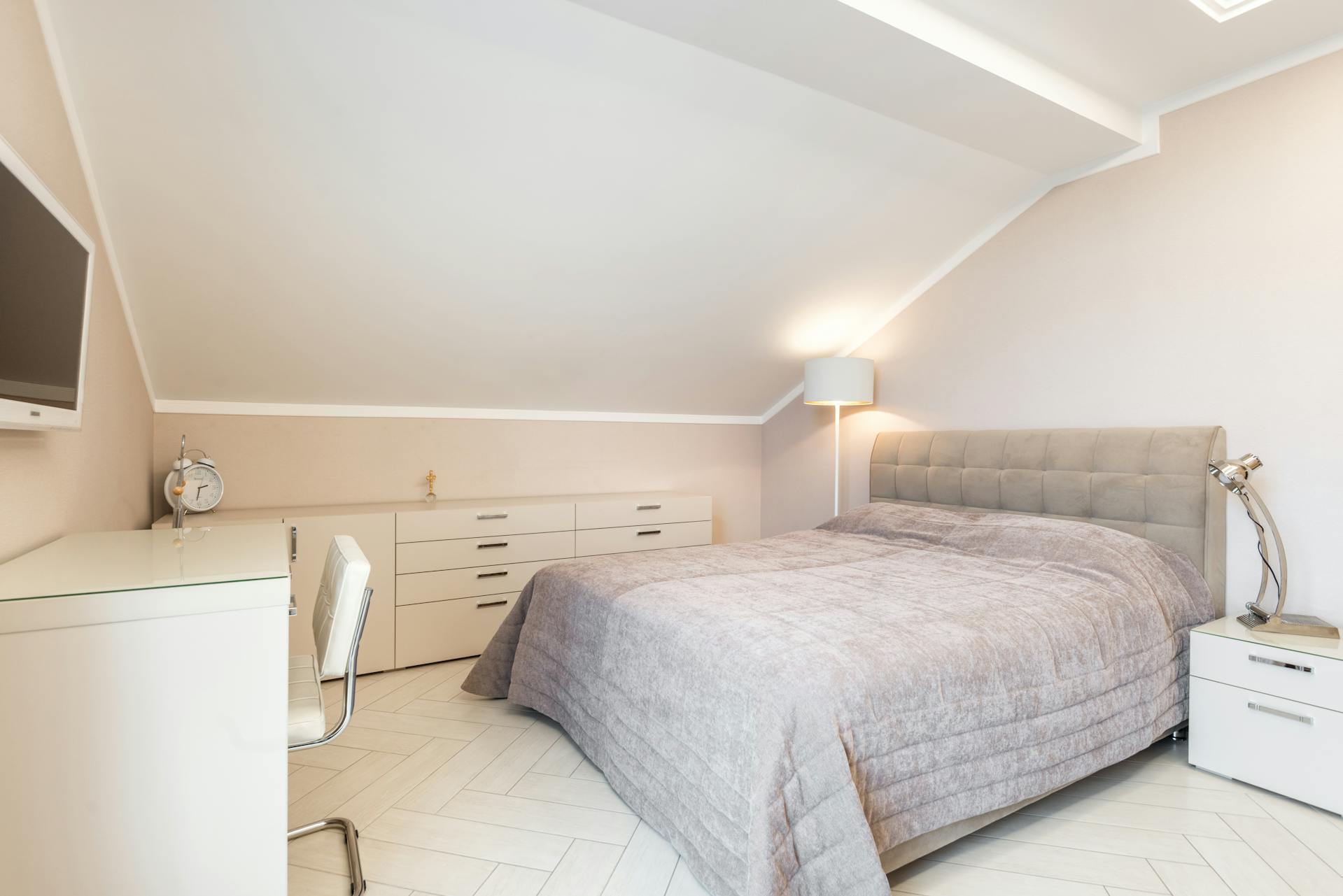
Low ceilings can make a room feel small and cramped. If you’re dealing with low ceilings, there are a few tricks you can use to make them feel higher.
Consider painting your ceiling a light color, or hanging curtains from the ceiling to the floor to create the illusion of height. Mirrors can also help reflect light and give the illusion of more space.
13. Overly Ornate Decor
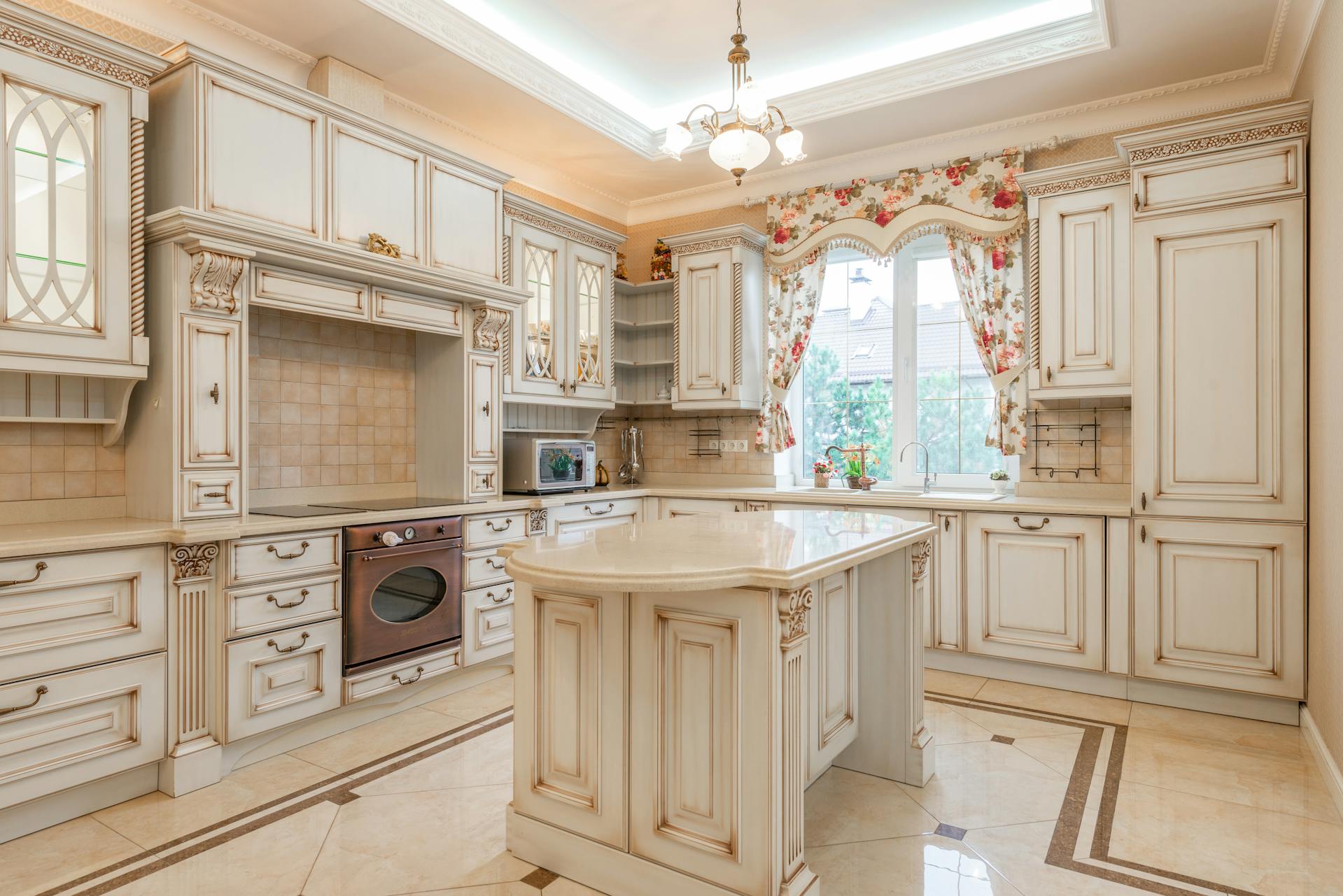
While ornate décor can add character to a room, it can also make the space feel cluttered and small. This is especially true in small spaces.
Opt for simpler, cleaner lines in your décor. This can help your space feel more open and less cluttered.
14. Wall-to-Wall Carpeting

Wall-to-wall carpeting can make a room feel smaller by visually chopping up the space. If you have small rooms, consider replacing the carpeting with hardwood or laminate flooring.
These types of flooring can help create a sense of continuity and flow, making your space feel larger. You can still use area rugs to add warmth and color to the room.
15. Lack of Mirrors
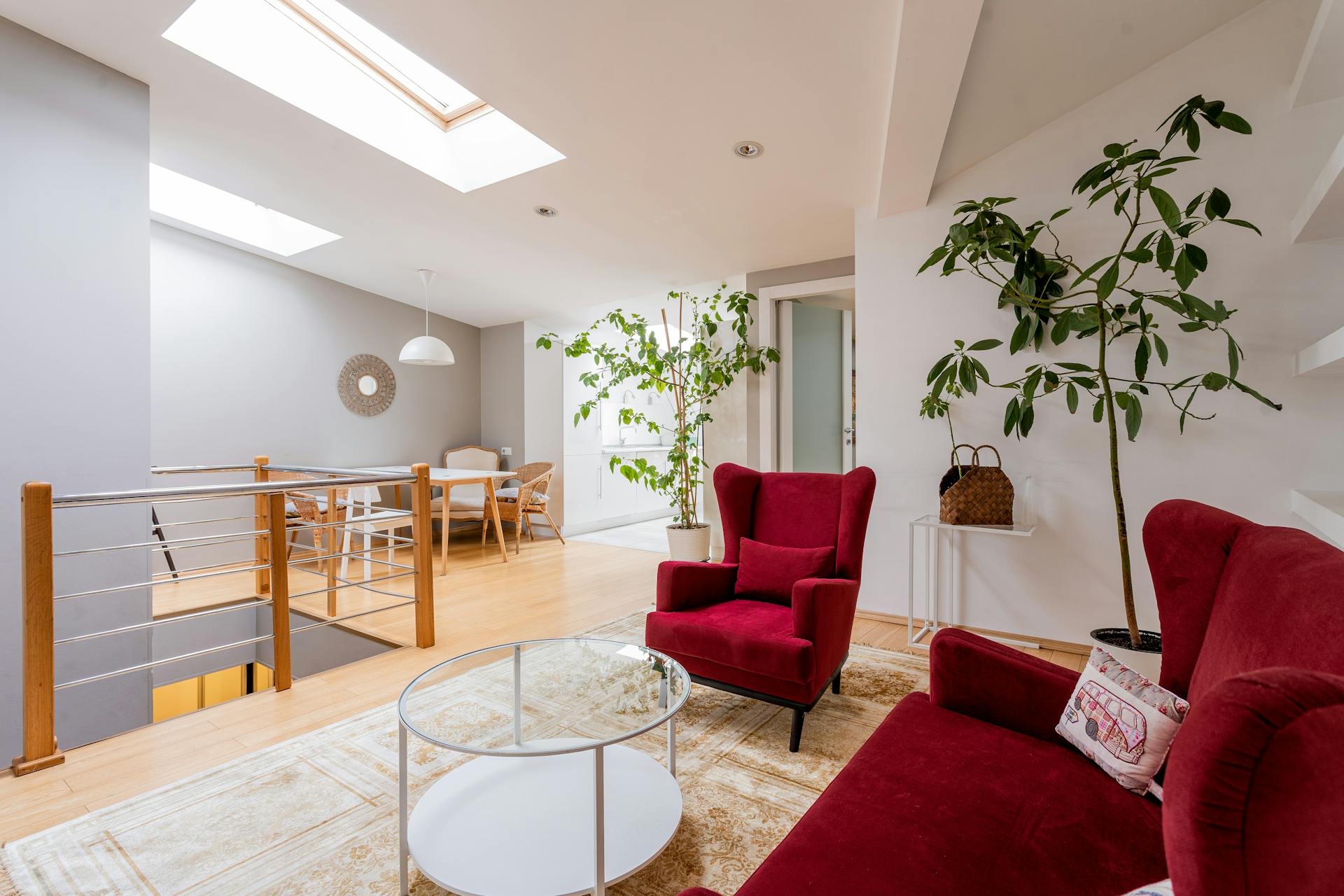
Mirrors can make a room feel larger by reflecting light and creating a sense of depth.
Consider adding a large mirror to a wall in your living room or dining room. If that’s not possible, even smaller mirrors placed in strategic locations can help create the illusion of space.
16. Closed Doors
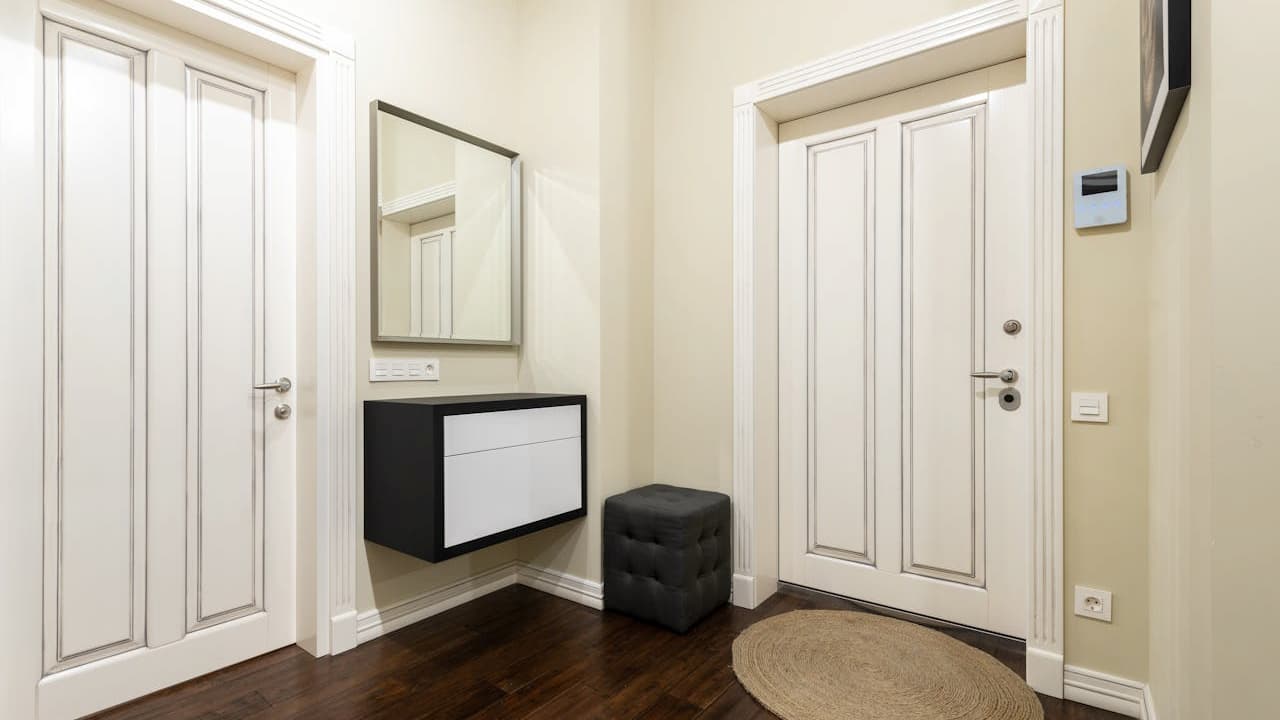
Closed doors can make a home feel smaller by breaking up the flow of the space. If possible, consider leaving doors open to create a sense of continuity.
If privacy is a concern, consider replacing solid doors with glass or French doors. These can allow light to flow through while still providing a sense of separation.
17. Misplaced Furniture

Furniture placement can significantly impact how large a room feels. Placing furniture against the walls can make the room feel smaller and less inviting.
Instead, consider floating your furniture away from the walls. This can help create a sense of space and make the room feel more open and inviting. This can be especially effective in the living room, where seating can be arranged in a more conversational way.