


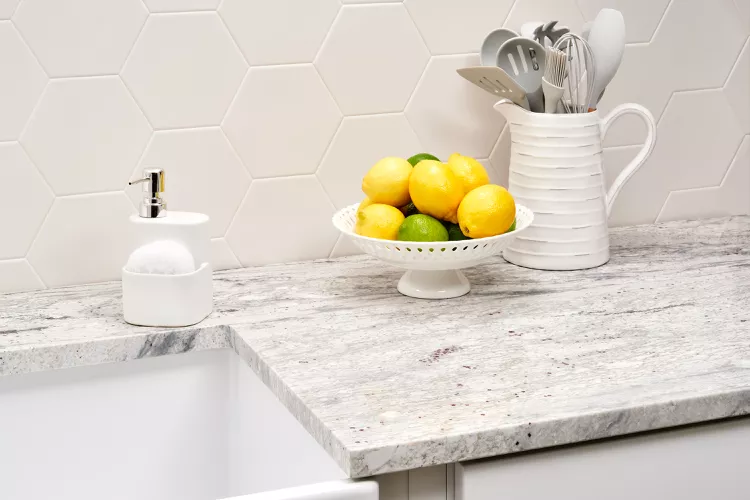
Your countertops should be hard-working, not cluttered. Clearing them off makes cooking easier, cleaning faster, and your whole kitchen feel calmer. By removing a few everyday items from this prime real estate and storing them more strategically, you protect your home, your health, and your sanity every time you cook or clean.

1) Bulky Small Appliances You Rarely Use
Bulky small appliances you rarely use are the first things you should remove from your countertops. Stand mixers, bread makers, waffle irons, and extra coffee makers eat up space you need for prep, even if you only plug them in once a month. When your work surface is crowded, you are more likely to knock things over, cross-contaminate food, or avoid cooking altogether because the setup feels like a chore.
Storing these appliances in a cabinet or pantry shelf keeps them accessible without dominating your line of sight. You can still pull out the stand mixer for holiday baking, but your everyday chopping, marinating, and plating will feel smoother. A clearer counter also makes it easier to wipe up spills quickly, which matters for food safety and for anyone trying to keep a busy household under control.
2) Knife Blocks And Loose Knives
Knife blocks and loose knives sitting on the counter create both safety and hygiene problems. A block takes up a surprising amount of space, and the slots can trap crumbs and moisture that are hard to clean. Loose knives tossed near the sink or cutting board are even worse, since reaching for something else can lead to accidental cuts, especially when you are rushing through dinner prep.
Mounting a magnetic strip on the wall or storing knives in a drawer with a fitted organizer keeps blades protected and off the countertop. Professional cooks focus on efficient, safe knife access, and you benefit from the same mindset at home. With knives out of the way, you gain more usable surface area and reduce the chance that a child or guest will grab a sharp blade without realizing it.
3) Cooking Oils Next To The Stove
Cooking oils next to the stove might feel convenient, but they do not belong on your countertops. Heat and light degrade oils, turning them rancid faster and affecting flavor and nutrition. Bottles that live beside the burner also collect a sticky film of grease and dust that is difficult to scrub off, which makes your whole kitchen feel grimy even when you have just cleaned.
Storing oils in a cool, dark cabinet or pantry protects their quality and keeps the counter around your stove easier to wipe down. When you decant oil into a small, easy-pour container, you can grab only what you need for that meal and tuck it away again. This small change improves how your food tastes and reduces the time you spend degreasing surfaces after a week of cooking.
4) Open Containers Of Food And Snacks
Open containers of food and snacks sitting on the counter invite pests and stale flavors. Chips clipped in their original bag, cereal boxes folded over, and half-open cookie packages all release smells that attract ants, pantry moths, and even rodents. Once pests find a reliable food source, they are difficult to eliminate without deep cleaning and sometimes professional help.
Transferring snacks into airtight containers and storing them in a cabinet or pantry keeps your countertops clear and your food fresher. It also makes it easier to see what you actually have, which reduces waste and overbuying. When the only items on your counters are things you truly need for cooking, you are less likely to graze mindlessly and more likely to keep the space wiped down after every meal.
5) Dirty Dishes And Soaking Pans
Dirty dishes and soaking pans left on the countertop quickly turn into a visual and hygienic mess. Food residue dries onto plates, making them harder to clean, and standing water in pans can harbor bacteria. When dishes pile up, you lose prep space and may start stacking clean items near dirty ones, which undermines your efforts to keep the kitchen sanitary.
Loading dishes directly into the dishwasher or stacking them neatly in the sink keeps counters open for actual cooking. If you need to soak a pan, limit it to the sink and set a timer so it does not become a permanent fixture. This habit aligns with expert cleaning schedules that recommend regular, focused maintenance instead of letting grime build up until it feels overwhelming.
6) Bathroom-Style Cleaning Caddies
Bathroom-style cleaning caddies parked on the kitchen counter are another item to relocate. A cluster of sprays, scrubs, and sponges may seem efficient, but it visually clutters the room and can spread chemicals near food. Guidance on how often to clean different spaces, including bathrooms, emphasizes targeted routines rather than leaving products out all the time, and the same logic applies in the kitchen, where you want surfaces ready for safe food prep.
Storing your cleaning supplies under the sink or in a nearby closet keeps them close without sacrificing counter space. You can still follow expert advice on regular deep cleaning by pulling out what you need, then putting it away again. This approach reduces visual noise, limits accidental contact between cleaners and ingredients, and makes it easier to wipe down every inch of your countertops at the end of the day.
7) Phone Chargers, Cables, And Devices
Phone chargers, cables, and devices scattered across the counter create a tangle that gets in the way of cooking. When cords snake around cutting boards and hot pans, they become both a tripping hazard and a magnet for spills. Modern phones can handle a lot of tasks, from timers to recipes, but they work best when you treat them as tools, not permanent countertop clutter.
Setting up a small charging station away from your main prep zone keeps electronics safe from splashes and grease. You can still use advanced iPhone features like hands-free timers or guided recipes, but your device stays on a stand or shelf instead of lying in the middle of your workspace. This separation protects expensive hardware and keeps your primary counter clear for chopping, mixing, and plating.
8) Water Glasses And Pitchers Left Out All Day
Water glasses and pitchers left on the counter all day take up space and can collect dust or splashes from cooking. If you refill the same glass repeatedly, it is easy to lose track of whose is whose, which matters when you are thinking about hygiene. Questions about whether tap water is safe to drink often focus on filtration and plumbing, but the cleanliness of the container you drink from is just as important.
Keeping a designated water bottle at your desk or a filtered pitcher in the fridge frees your countertops and encourages more deliberate hydration. Expert discussions of home water safety highlight the value of understanding your own system, and pairing that knowledge with clean, stored containers helps you avoid unnecessary contamination. Your counters stay open, and your drinking habits become more consistent and intentional.
9) Spices In Random Jars And Racks
Spices in random jars and racks scattered across the counter make cooking feel chaotic. When every blend and seasoning sits out, you waste time hunting for what you need, and the containers collect a layer of grease and dust that is difficult to remove. Heat and light also dull the flavor of many spices, so leaving them exposed on the counter shortens their useful life.
Moving spices into a drawer insert, cabinet-mounted rack, or pull-out pantry keeps them organized and protected. You can group them by cuisine or frequency of use, so grabbing cumin or smoked paprika becomes automatic. With fewer small containers cluttering your line of sight, your countertops look calmer, and you are more likely to wipe them thoroughly after each cooking session.
10) Mail, Keys, And Everyday Paperwork
Mail, keys, and everyday paperwork tend to land on the nearest flat surface, which is often the kitchen counter. Over time, that pile grows into a catchall for receipts, school forms, and random notes, crowding out the space you need for chopping and plating. Important documents can also be splashed with water or stained with food, which creates extra stress when you need them later.
Creating a small command center away from your main prep area solves this problem. A wall-mounted key rack, a narrow console table, or a drawer with labeled folders keeps essentials accessible without sacrificing your work surface. When counters are reserved for cooking, you are less likely to misplace bills or lose track of permission slips under a cutting board or mixing bowl.
11) Dish Soap, Sponges, And Scrub Brushes
Dish soap bottles, sponges, and scrub brushes left on the countertop make the sink area look perpetually messy. Sponges in particular can harbor bacteria if they never fully dry, and when they sit in a puddle on the counter, they can transfer that moisture and grime to nearby items. The visual clutter also makes it harder to see when the surrounding surface needs a proper wipe-down.
Using a small caddy inside the sink, a wall-mounted holder, or a pull-out drawer keeps cleaning tools close but off the counter. You can still wash dishes efficiently while allowing sponges to dry and replacing them regularly. This setup supports a more hygienic routine and keeps the area around your sink clear for rinsing produce or setting down clean dishes without brushing against soggy tools.
12) Open Trash Bags And Recycling Piles
Open trash bags and informal recycling piles on the counter are a direct threat to cleanliness. Food scraps left in a bowl or bag attract fruit flies and odors, and sticky cans or bottles waiting to be rinsed can leak onto the surface. Once residue seeps into seams or grout, it takes much more effort to restore the counter to a sanitary state.
Keeping a covered trash can and a dedicated recycling bin on the floor or in a pull-out cabinet removes this clutter from your line of sight. You can scrape plates directly into the bin and rinse containers before they ever touch the counter. This habit reduces pest risk, keeps smells under control, and preserves your countertop as a clean, reliable workspace.
13) Pots, Pans, And Sheet Trays
Pots, pans, and sheet trays stacked on the counter signal that storage elsewhere is not working. These bulky items hog valuable space and make it difficult to start cooking without first clearing a path. When hot pans come out of the oven or off the stove and land directly on the countertop, you also risk heat damage or stains, depending on the material.
Hanging pots from a rack, sliding sheet trays into a vertical organizer, or using deep drawers for cookware keeps these essentials off your counters. You can still stage hot pans briefly on a trivet or cooling rack, then move them to a safer spot. With fewer large items parked permanently on the surface, you gain room for prep and reduce the temptation to treat the counter as long-term storage.
14) Plastic Grocery Bags And Food Containers
Plastic grocery bags and random food containers often accumulate on the counter after a shopping trip or takeout night. Left there, they create a messy backdrop and can introduce outside dirt or residue into your cooking zone. Bags that once held raw meat or produce may carry bacteria, and stacking them near clean dishes or utensils undermines your efforts to keep the kitchen safe.
Designating a cabinet, drawer, or bin for reusable bags and containers keeps them contained and off the countertop. You can sort lids and bases so they actually match when you need to store leftovers. This small organizational step protects your food prep area from outside grime and makes it easier to put groceries away quickly instead of letting them linger in piles.
15) Bottles And Jugs Meant For The Drain
Bottles and jugs meant for the drain, such as old cooking oil or cloudy liquids, should not sit on the counter while you decide what to do with them. Many common substances can damage plumbing or harm the environment if you pour them into the sink, and leaving them out increases the chance that someone will dump them without thinking. Guidance on what not to pour down the drain highlights how easily grease and certain chemicals can clog pipes or contaminate water.
Setting up a designated disposal area, such as a sealed container for used oil or a box for hazardous waste, keeps these items off your counters and out of your sink. You can then follow local rules for safe drop-off or trash disposal. This habit protects your plumbing, reduces unexpected repair costs, and keeps your primary work surface free from questionable liquids.
16) Gadgets Professional Chefs Avoid
Gadgets professional chefs avoid, like single-use tools that do only one narrow task, are prime candidates to remove from your countertops. When your space is crowded with avocado slicers, banana cutters, and novelty peelers, you lose room for the sturdy basics that actually make cooking easier. Experienced cooks often recommend focusing on a sharp knife, a solid cutting board, and a few reliable pans instead of filling every inch with gimmicks.
Insights from working cooks on habits they want home cooks to change emphasize efficiency and clear work zones. Storing rarely used gadgets in a drawer or donating them if they never leave the box helps you follow that lead. With fewer unnecessary tools on display, you can move more freely, clean more quickly, and actually enjoy the process of cooking instead of wrestling with clutter.
17) Tech That Belongs In A Home Office
Tech that belongs in a home office, such as laptops, printers, and stacks of work documents, should not live on your kitchen counters. When your workday spills into the cooking zone, crumbs and spills threaten expensive equipment, and the mental overlap makes it harder to relax at mealtimes. Power cords and devices also compete with cutting boards and mixing bowls for space, which slows down both work and dinner prep.
Creating a defined work area elsewhere, even if it is just a small desk or a corner of the dining table, lets you reclaim the kitchen for its primary purpose. You can still bring a tablet in briefly to follow a recipe, then return it to its usual spot when you are done. This separation protects your tech, keeps your countertops clear, and helps everyone in the household understand that the kitchen is for cooking, eating, and gathering, not for permanent office overflow.
More from Decluttering Mom: