


Many of us hold onto things that don’t serve a purpose anymore, filling up space and creating clutter without realizing it. You might be surprised how much of what you store has little to no practical value in your daily life.
Clearing out these items can make your space feel more organized and free up room for things that truly matter to you. Taking a closer look at what you keep can help you make better decisions about what’s worth holding onto and what’s best to let go.
Unused furniture pieces

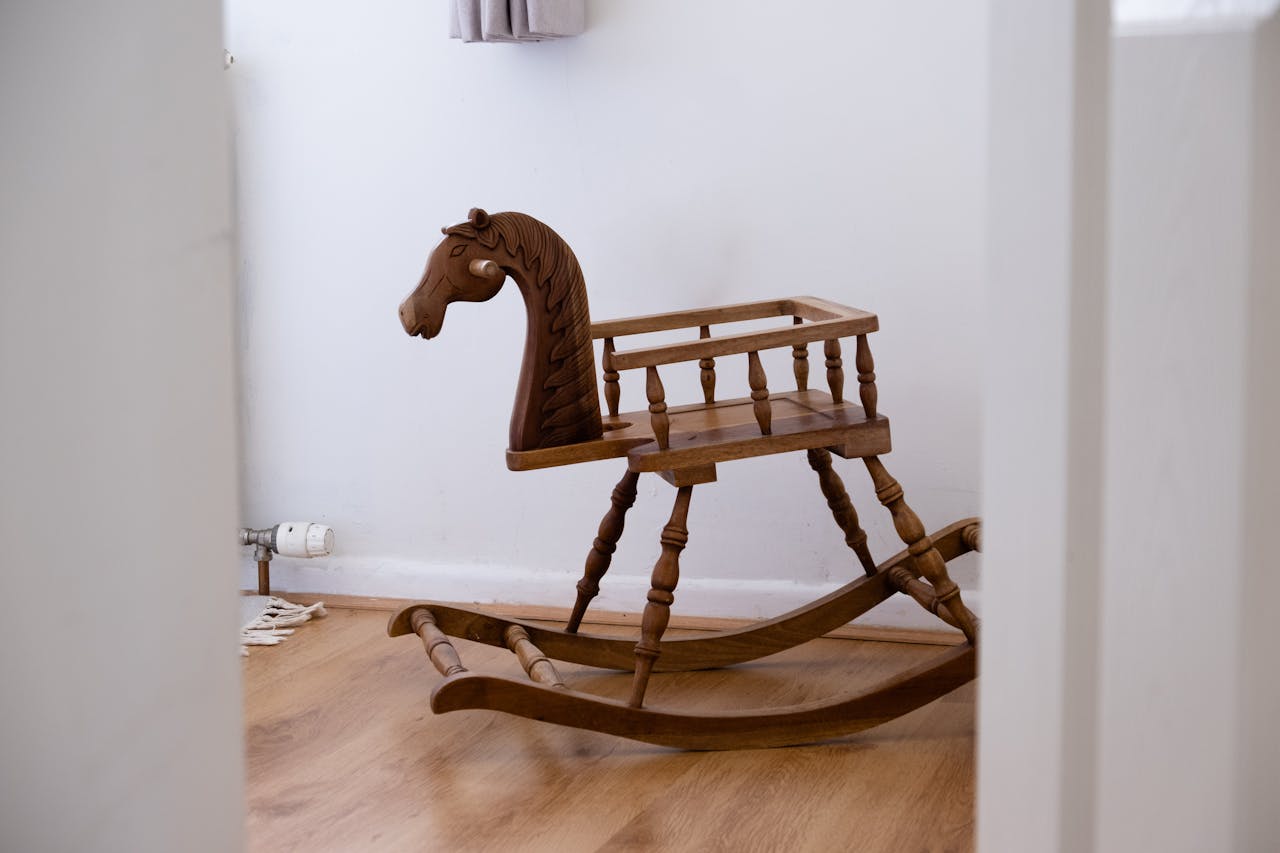
You might have furniture that no longer serves a purpose, like extra chairs or bulky dressers. These often take up valuable space without adding value to your daily life.
If you haven’t used a piece in months, it’s worth reconsidering if it’s worth keeping. Sometimes donating or selling unused furniture can free up room and reduce clutter.
Old VHS tapes


You probably don’t need to hold on to old VHS tapes unless they have special meaning. Magnetic tape degrades over time, especially if stored in humid or hot places.
If your tapes are sealed and in good condition, collectors might find value in them, but most have very little resale worth today.
If you want to keep the content, consider digitizing your tapes to save the memories without the bulk.
Expired paint cans

You might have paint cans in your storage that are years old and no longer usable. Latex paint lasts about 10 years unopened, and oil-based paint can last even longer, but once opened, their quality declines.
Using old paint can lead to poor coverage and uneven colors. When you don’t plan to use it, it’s better to dry it out safely and dispose of it. Remember, never pour leftover paint back into the can to avoid contamination.
Unread appliance manuals

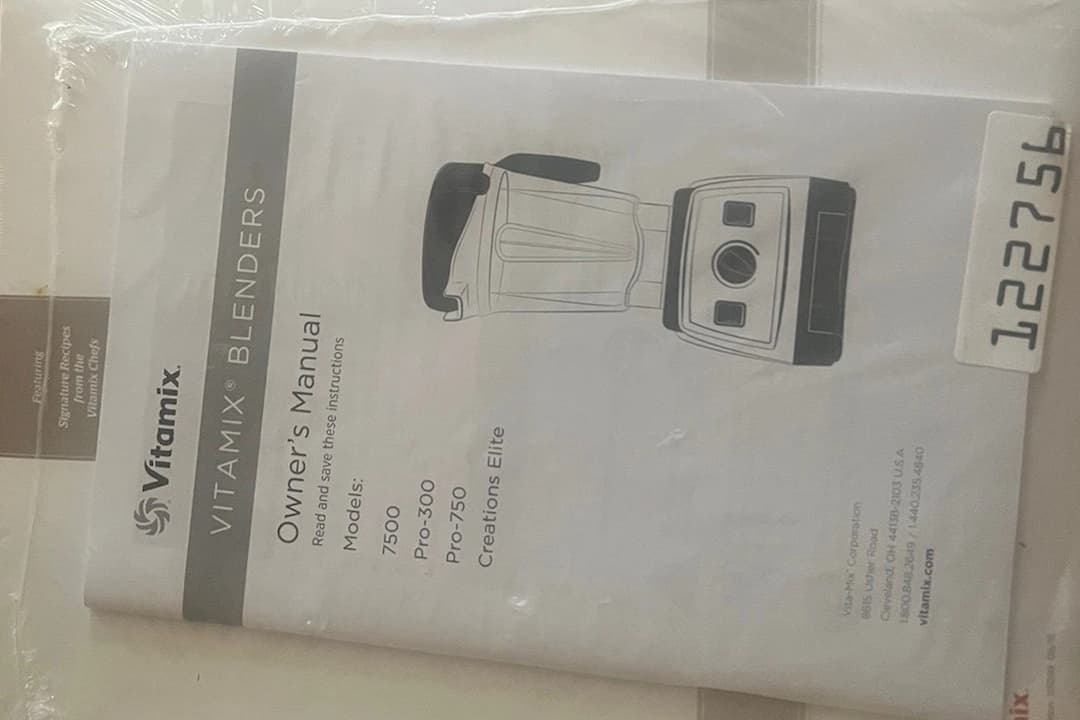
You probably keep manuals for appliances you’ve never opened after the first use. Most of the time, you don’t need them once you know how the item works.
If you run into problems, many manuals are available online. Tossing the paper versions clears clutter without losing access to the information.
Keep only manuals for appliances with complicated features or warranties. Otherwise, storing unread manuals takes up space with little benefit.
Broken printers


If you have a printer that no longer works, holding onto it often isn’t useful. Many printers break due to design flaws or wear and tear, and they don’t age well in storage.
Plastic parts inside can become brittle and fail over time, making repairs difficult.
Before tossing one, check if it can still connect or print. But otherwise, keeping a broken printer usually just takes up space without serving a purpose.
Empty storage boxes


You might have a collection of empty storage boxes taking up space. While they seem useful for future needs, many end up unused for months or even years.
Holding onto them “just in case” can clutter your home and make organizing harder. If you don’t have a specific plan to use them soon, consider letting them go.
Clear plastic boxes are popular, but keeping too many empty ones isn’t practical. Use only what you need, and free up room for items that add real value.
Old tax return documents
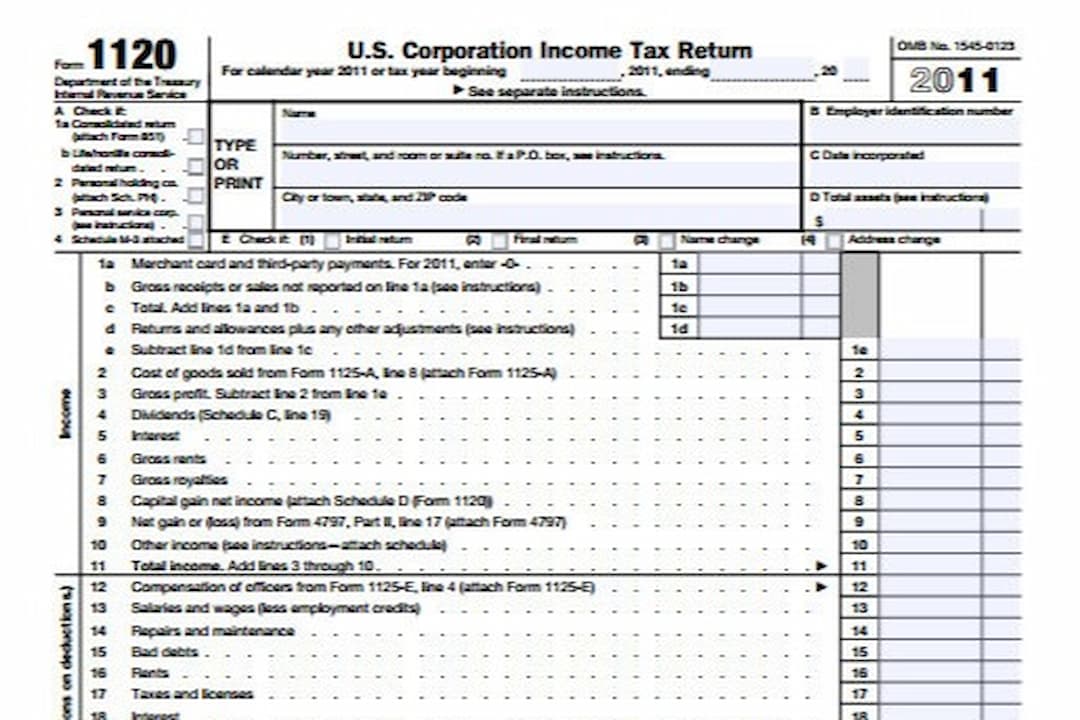
You probably don’t need to hold on to your old tax returns forever. The IRS generally recommends keeping records for about three years from when you filed.
If you don’t have any special situations like audits or disputes, keeping documents beyond that timeframe usually has little practical value.
Clearing out these papers can free up space without risking important tax information. Just make sure you check for anything that might require longer storage first.
Unused sports equipment


You might have sports gear tucked away that you no longer use. Old hockey sticks, worn-out balls, or exercise machines gathering dust are common examples.
Holding onto these items takes up space without adding value. Consider donating or selling equipment in good condition.
If you keep some gear, ensure it’s stored properly to avoid damage. Otherwise, clearing out unused sports items can free your space and mind.
Stacks of paperbacks you’ll never read

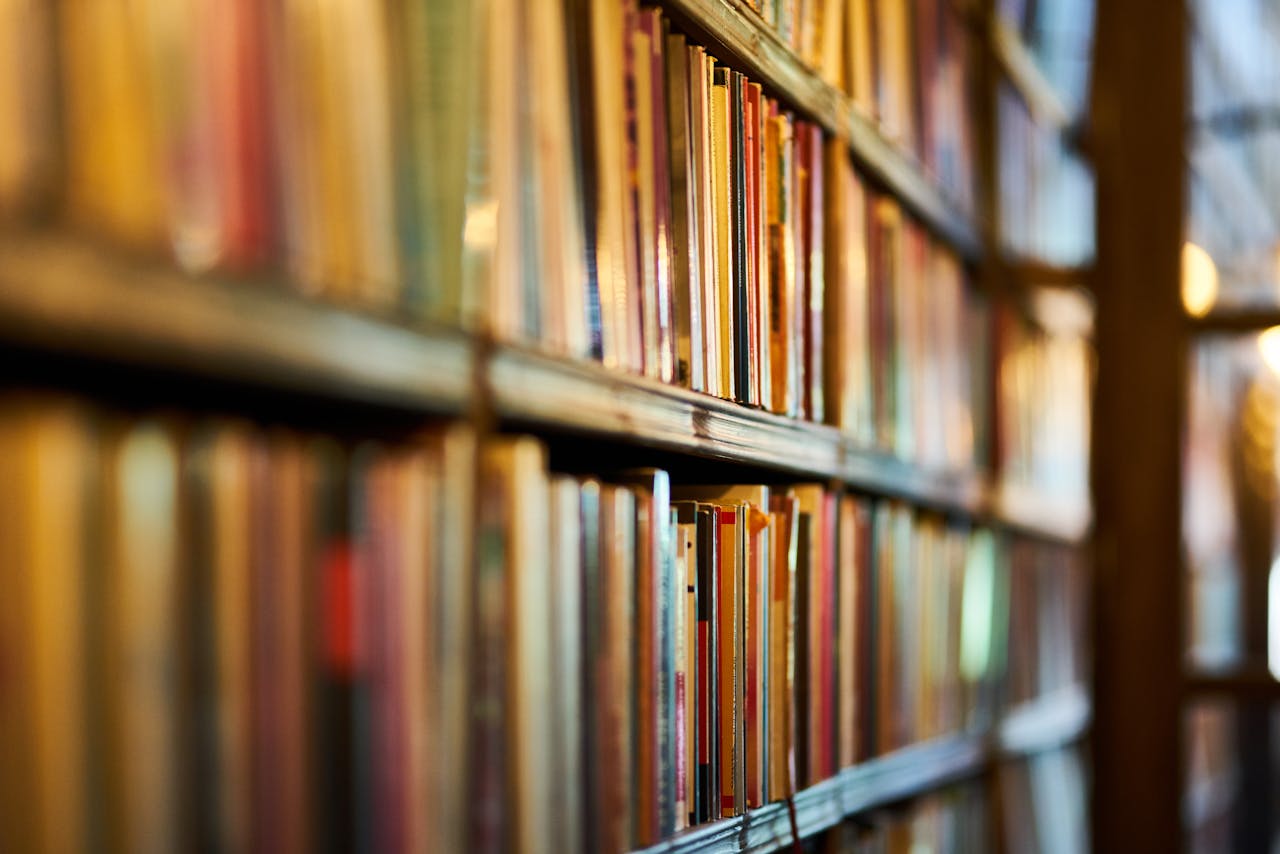
You might have piles of paperbacks gathering dust, bought with good intentions but never opened. These books can take up space and create clutter without adding value to your life.
If you’re unsure you’ll read them, consider donating or recycling. Keeping them only out of guilt or hope rarely leads to actually reading them. Less clutter means more room for the books you truly enjoy.
Outdated fashion items
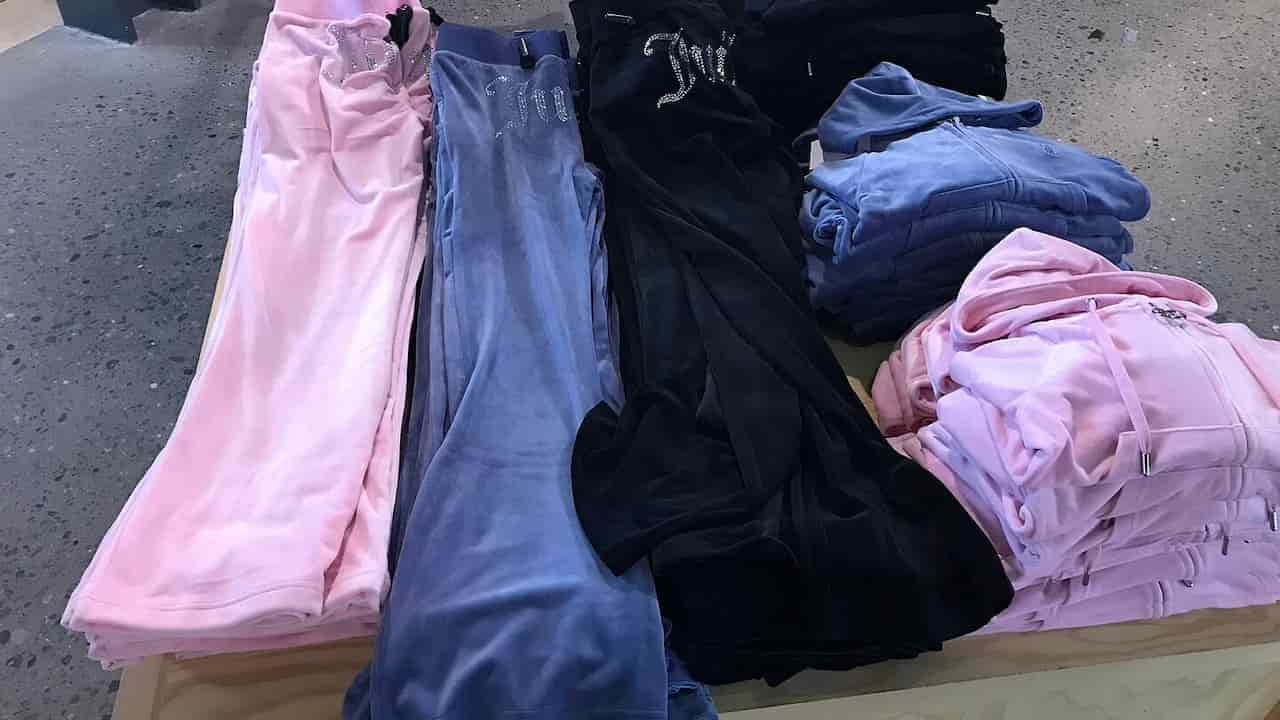
You might be holding onto clothes that no longer fit current styles or your personal taste. Items like low-rise jeans, oversized shoulder pads, or certain flashy prints often look dated and don’t add value to your wardrobe anymore.
Keeping these outdated pieces can clutter your space and make getting dressed less fun. Consider letting go of trends that have passed to make room for basics and timeless items you actually enjoy wearing.
Old TVs you never watch


You might have an old TV tucked away that you rarely or never use. These sets, especially bulky ones or outdated models, often take up space without offering much value.
Holding onto a TV just in case it works again or for nostalgia isn’t necessary. If it’s not adding to your daily life, it could be time to let it go.
Partially used cleaning supplies


You might have a bunch of half-empty cleaning products tucked away. Over time, these can dry out, lose effectiveness, or become unsafe to use.
Keeping several similar products can be unnecessary and clutter your space. Instead, try to keep only what you use regularly and toss what’s old or expired.
This frees up room and makes cleaning simpler. Plus, you avoid the hassle of deciding which remover or cleaner to grab when time is tight.
Expired makeup products

You might be holding onto old makeup thinking it’s harmless, but expired products lose their effectiveness and can harbor bacteria. Using them puts your skin at risk of irritation or infections.
Foundations usually last about a year, while mascara and eyeliners should be replaced every three months. Lipsticks and powders can last longer but still have an expiration date.
Throwing out expired makeup helps keep your skin healthy and avoids clogged pores or other issues. It’s a small step that can make a big difference for your daily routine.
Old chargers and cables

You likely have old chargers and cables that no longer work with your devices. These take up space but rarely get used.
Most outdated cords aren’t worth keeping unless they match current gadgets. You can recycle them at stores like Best Buy, which often have drop-off bins.
Clearing out these cables frees space and stops clutter from building up. Keep only the ones you know you need for your active devices.
Broken or outdated electronics


You probably have old devices that no longer work or can’t keep up with current tech. These often take up space but offer little practical use.
Unless they hold sentimental value or contain parts you can salvage, it’s usually best to recycle them. Many communities offer free electronics recycling programs to help you dispose of them responsibly.
Old magazines and catalogs

You might hold onto old magazines and catalogs hoping to revisit ideas or memories. In reality, they often just take up space and collect dust.
If you want to keep a few for sentimental reasons, consider using a magazine binder to store them neatly and keep covers visible.
Otherwise, think about recycling or repurposing them. They can be useful for craft projects or lining garden beds, but they don’t serve much practical value just sitting around.
Unfinished DIY project materials

You might have piles of fabric, wood, or other supplies from projects you never finished. These materials often just take up space and rarely get used again.
Keeping scraps and half-started kits can quickly lead to clutter. If you’re not actively working on a project, it’s okay to let those materials go.
Focus on keeping only what you truly plan to use soon. This frees up room and helps you stay organized.