


1. Making Your Bed Every Morning

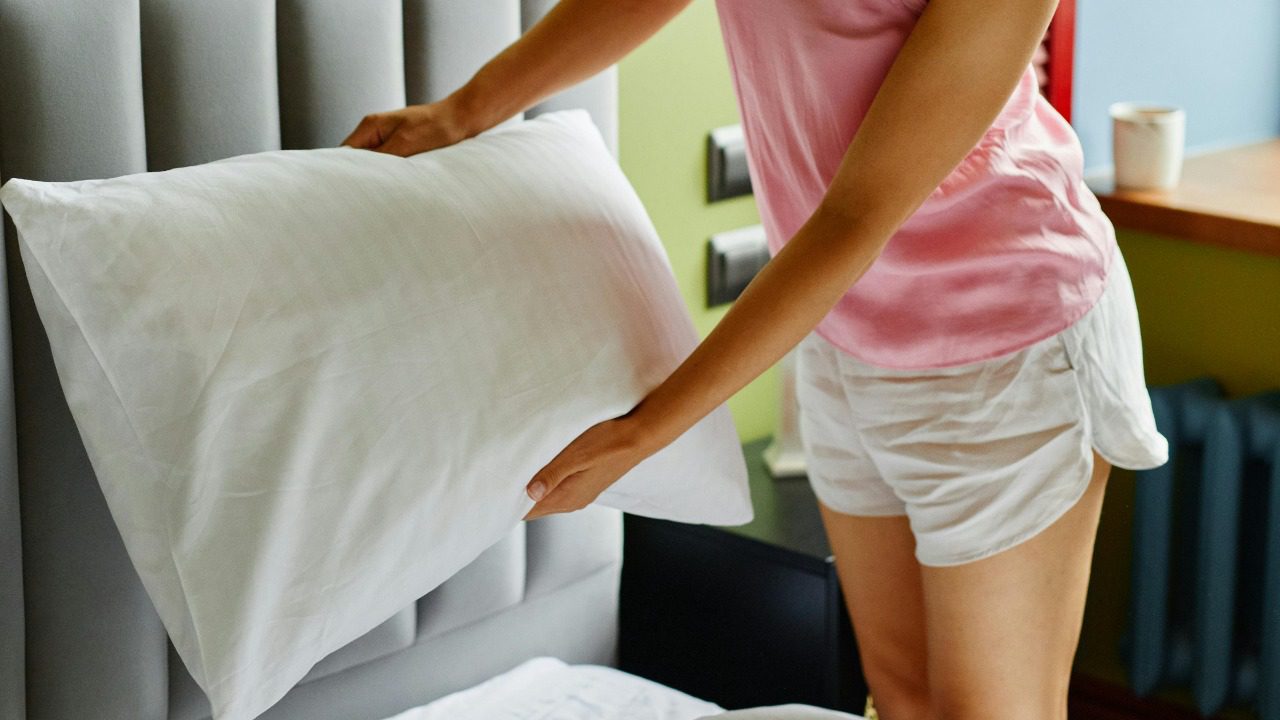
Starting the day with a small win like making your bed can set a positive tone for the rest of the day. Not only does it instantly make your room look cleaner, but it also promotes better sleep. According to a National Sleep Foundation survey, people who make their bed every morning are 19% more likely to report regularly getting a good night’s sleep.
As a bonus, this habit will also encourage you to keep the rest of your room tidy. After all, who wants a pristine bed surrounded by clutter? So, give it a go, it only takes a few minutes each morning and can transform your room and boost your mood.
2. Cleaning While You Cook
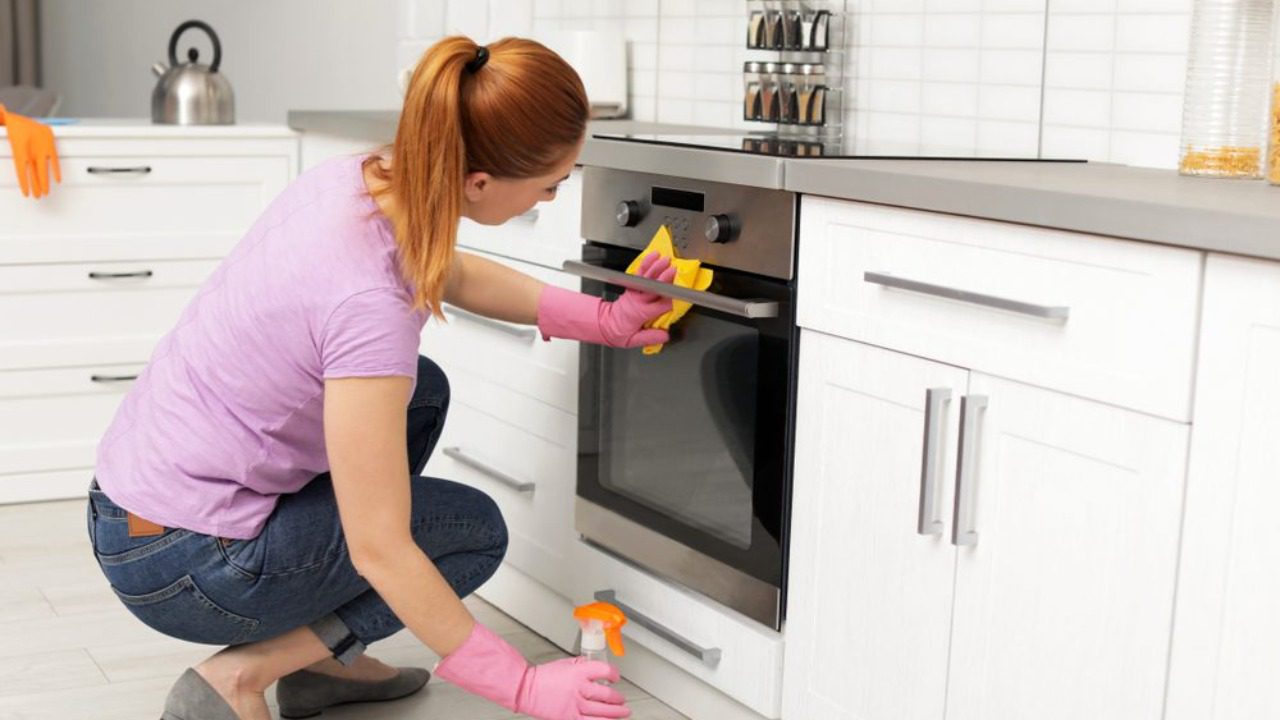
It’s easy to leave your kitchen in a state of chaos after cooking a meal. However, adopting the habit of cleaning as you cook can prevent this mess from building up in the first place. For instance, while waiting for the pasta to boil or the oven to preheat, why not wash some of the dishes or wipe down the countertops?
This approach not only keeps your kitchen cleaner but also makes the cooking process more enjoyable. It’s much more pleasant to cook in a tidy space, and it’s certainly more satisfying to enjoy your meal knowing you won’t have to face a mountain of dishes afterward.
3. Emptying the Dishwasher in the Morning
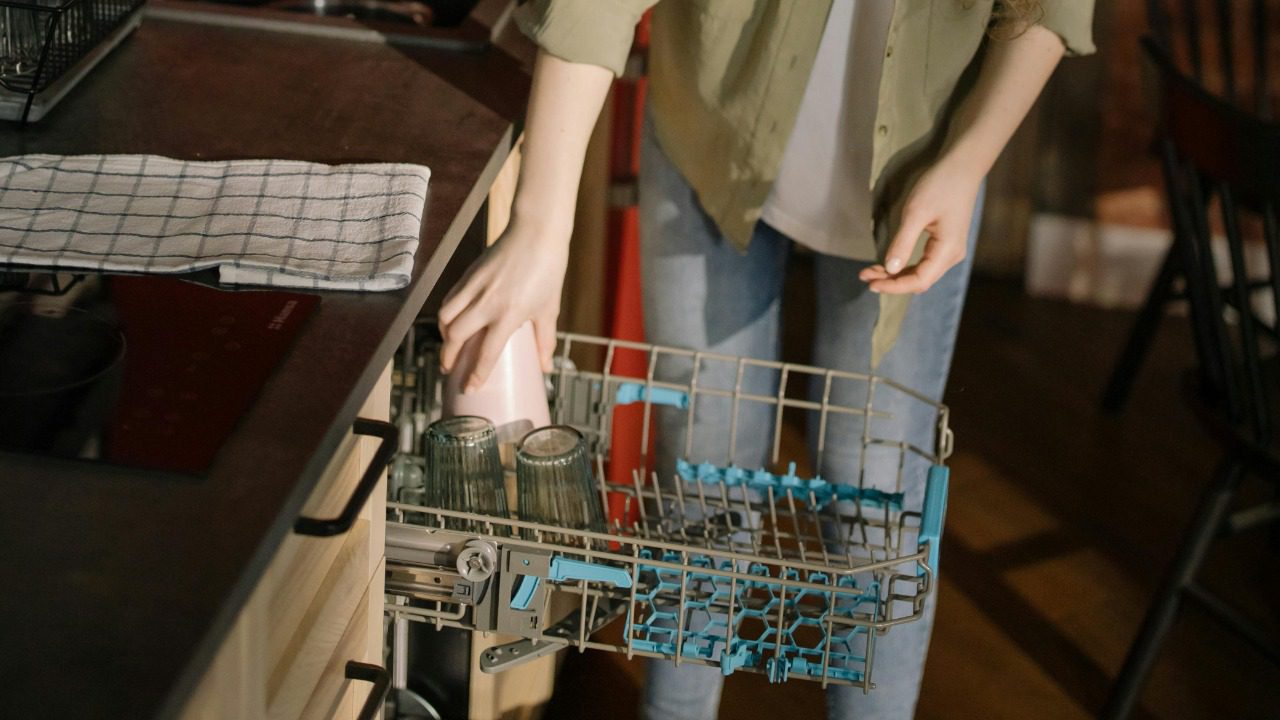
To keep your kitchen tidy, it’s beneficial to adopt the habit of emptying the dishwasher first thing every morning. Having an empty dishwasher throughout the day allows you to put dirty dishes straight in, rather than leaving them in the sink or on the counters.
This habit also ensures that you always have clean dishes available when it’s time to cook or eat. Plus, it takes less than five minutes to empty the dishwasher, so it’s a small investment of time with a big payoff in terms of keeping your kitchen clean and organized.
4. Decluttering for 15 Minutes Every Day
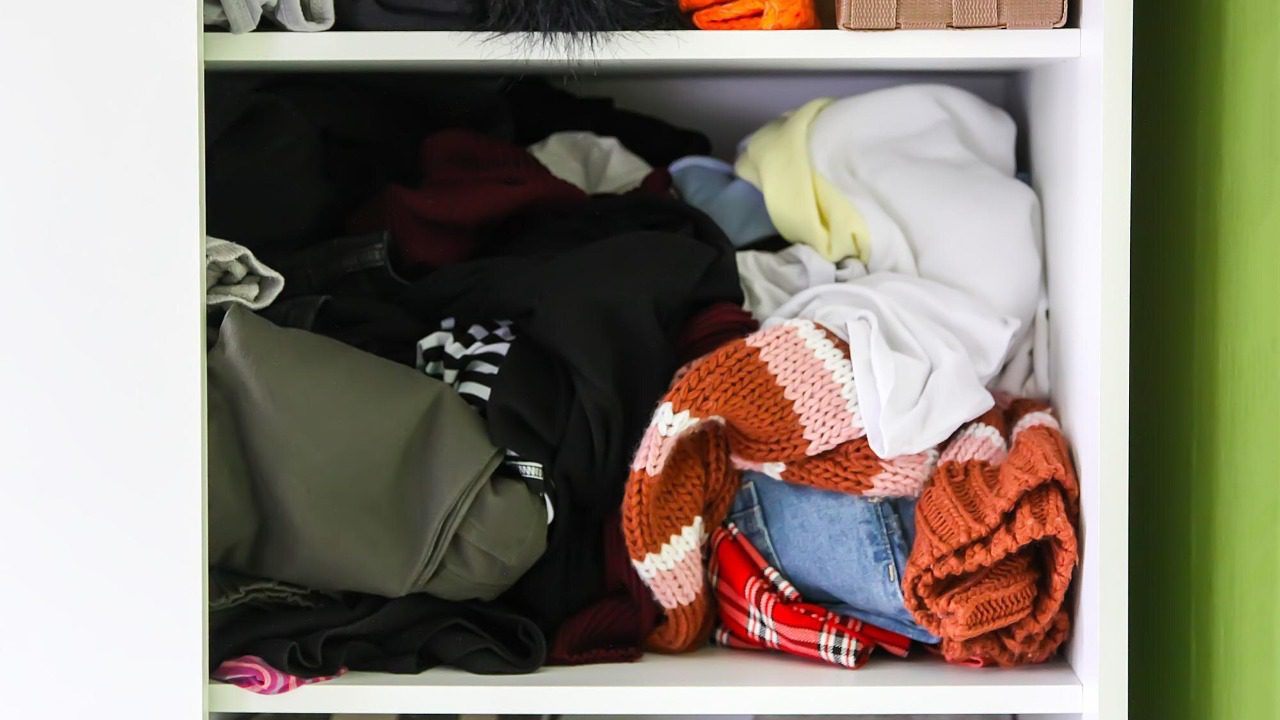
It’s easy for clutter to build up over time, making your home feel messy and disorganized. However, by setting aside just 15 minutes each day to declutter, you can easily keep this problem in check.
You can focus on a different area each day, or just tackle whatever seems most urgent. The key is consistency. You’ll be amazed at how much you can accomplish in just 15 minutes, and how quickly your home begins to feel more organized and less chaotic.
5. Wiping Down the Bathroom After Each Use
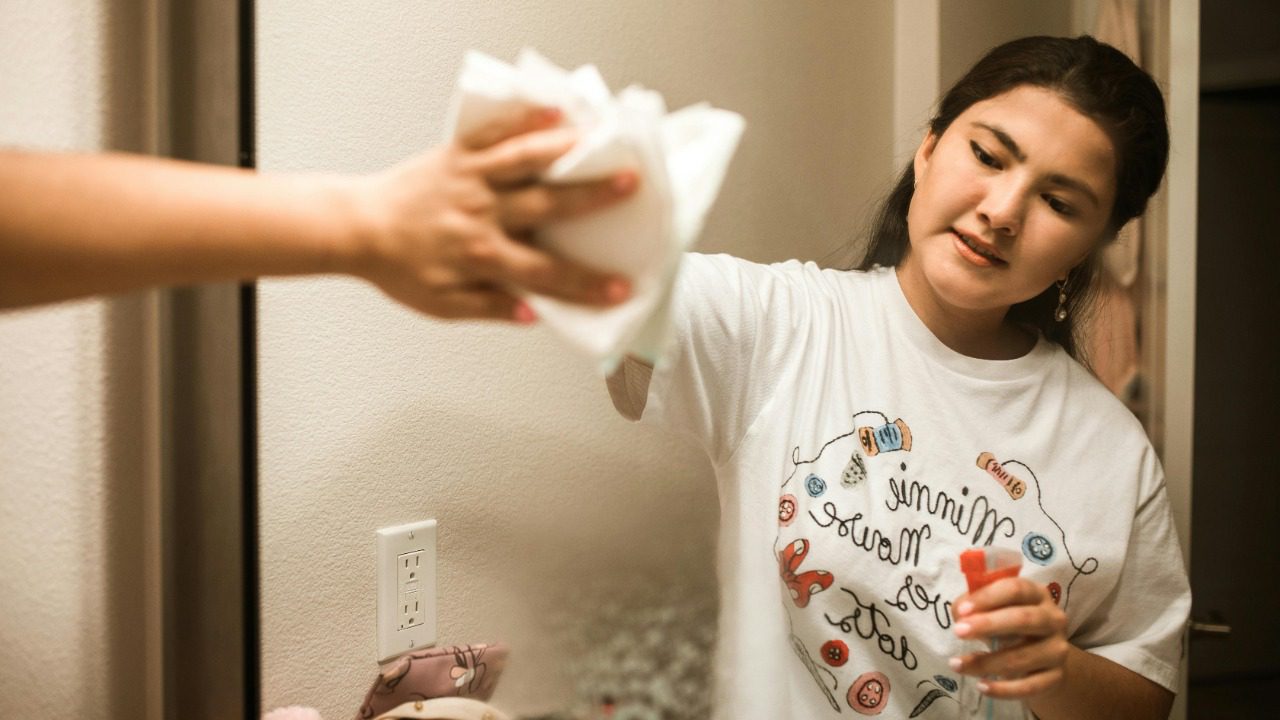
Bathrooms can quickly become a breeding ground for bacteria and germs if not cleaned regularly. A simple habit that can keep your bathroom clean is wiping down the surfaces after each use. This includes the sink, countertop, and mirror.
This habit not only keeps the bathroom clean, but it also prolongs the time between deep cleans. Plus, it’s much easier to wipe down surfaces regularly than it is to tackle a heavily soiled bathroom. It takes less than a minute, but it can make a huge difference in the cleanliness and hygiene of your bathroom.
6. Putting Things Back Where They Belong

One of the simplest and most effective habits for keeping your home tidy is putting things back where they belong after using them. It’s easy to leave items out after using them, especially when you’re in a hurry. However, this can quickly lead to clutter.
By making a conscious effort to put things back as soon as you’re done with them, you can greatly reduce clutter and keep your home looking neat and tidy. As an added bonus, you’ll also spend less time looking for lost items!
7. Doing a Load of Laundry Every Day
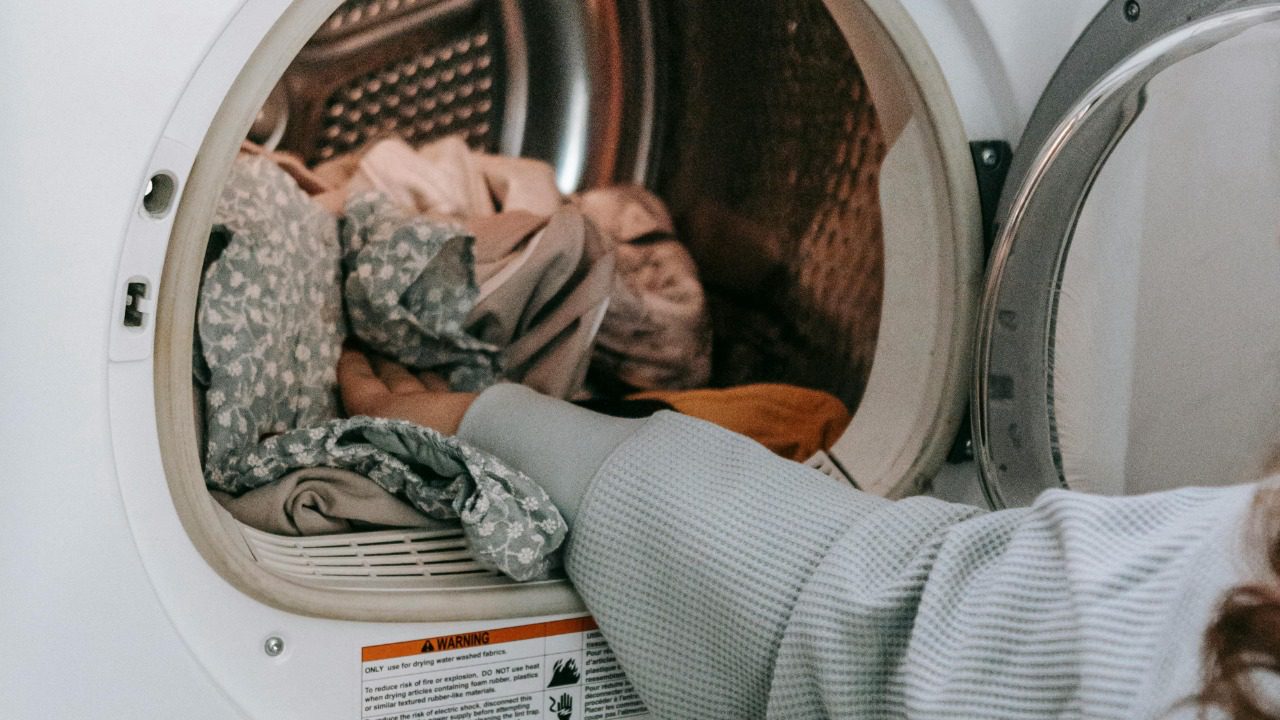
If you have a large family, laundry can quickly pile up and become a daunting task. However, by doing a load of laundry every day, you can keep on top of this task and prevent it from becoming overwhelming.
This habit also makes it easier to fold and put away laundry, as you’re dealing with a smaller amount each time. Plus, you’ll always have clean clothes available, and you won’t have to spend your weekend tackling a mountain of laundry!
8. Setting a Timer for Cleaning Tasks

Cleaning can often feel like a never-ending task, but by setting a timer for each task, you can make it more manageable. For instance, set a timer for 15 minutes and focus on cleaning one area of your home.
This approach not only makes cleaning feel less daunting, but it also encourages you to work more efficiently. After all, you’re racing against the clock! Plus, you’ll be amazed at how much you can accomplish in a short amount of time.
9. Keeping a Donation Box in Your Closet

It’s easy for clothes to accumulate in our closets, even when we’re no longer wearing them. To combat this, keep a donation box in your closet and make a habit of adding to it regularly.
This approach not only helps keep your closet organized, but it also makes it easier to let go of items you no longer need or wear. Plus, donating your unwanted items is a great way to give back to your community.
10. Cleaning Your Floors Weekly
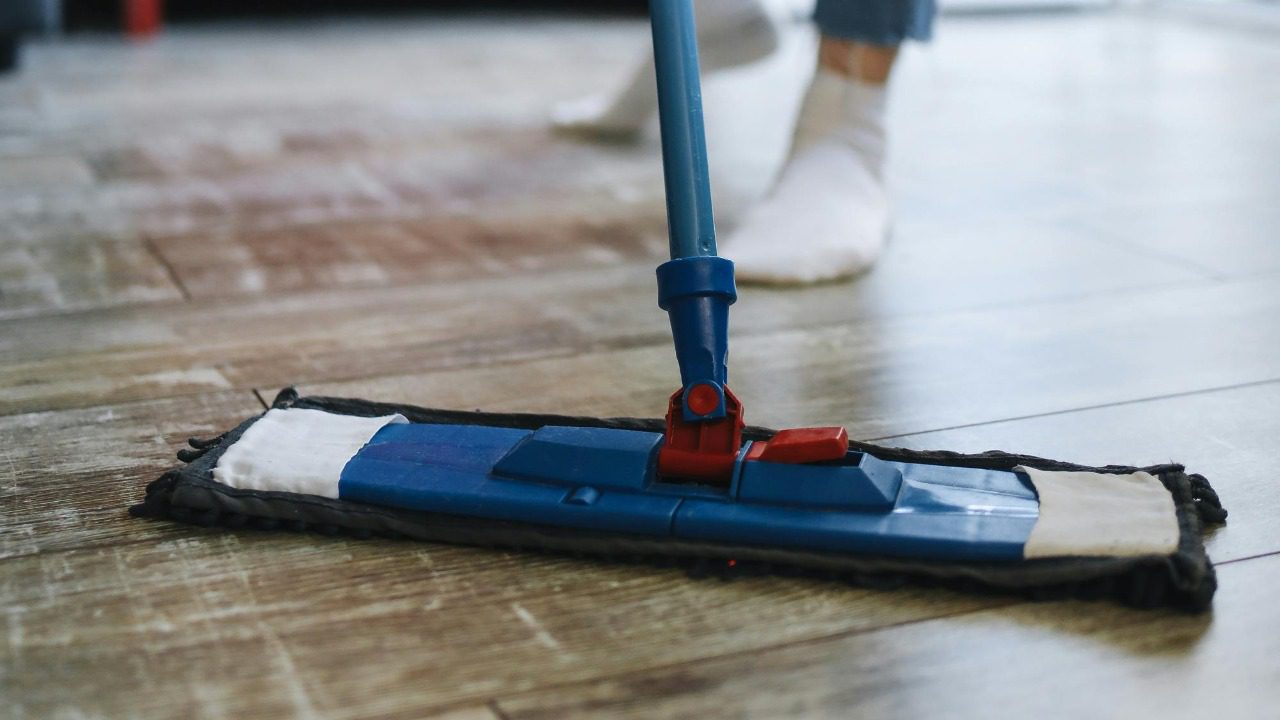
Floors can quickly accumulate dirt and dust, making your home feel less clean. By setting a weekly schedule for cleaning your floors, you can keep on top of this task and ensure your home always feels clean and fresh.
This can be as simple as vacuuming carpets and mopping hard floors once a week. You’ll be amazed at the difference clean floors can make to the overall cleanliness and feel of your home.
11. Cleaning Out Your Fridge Weekly
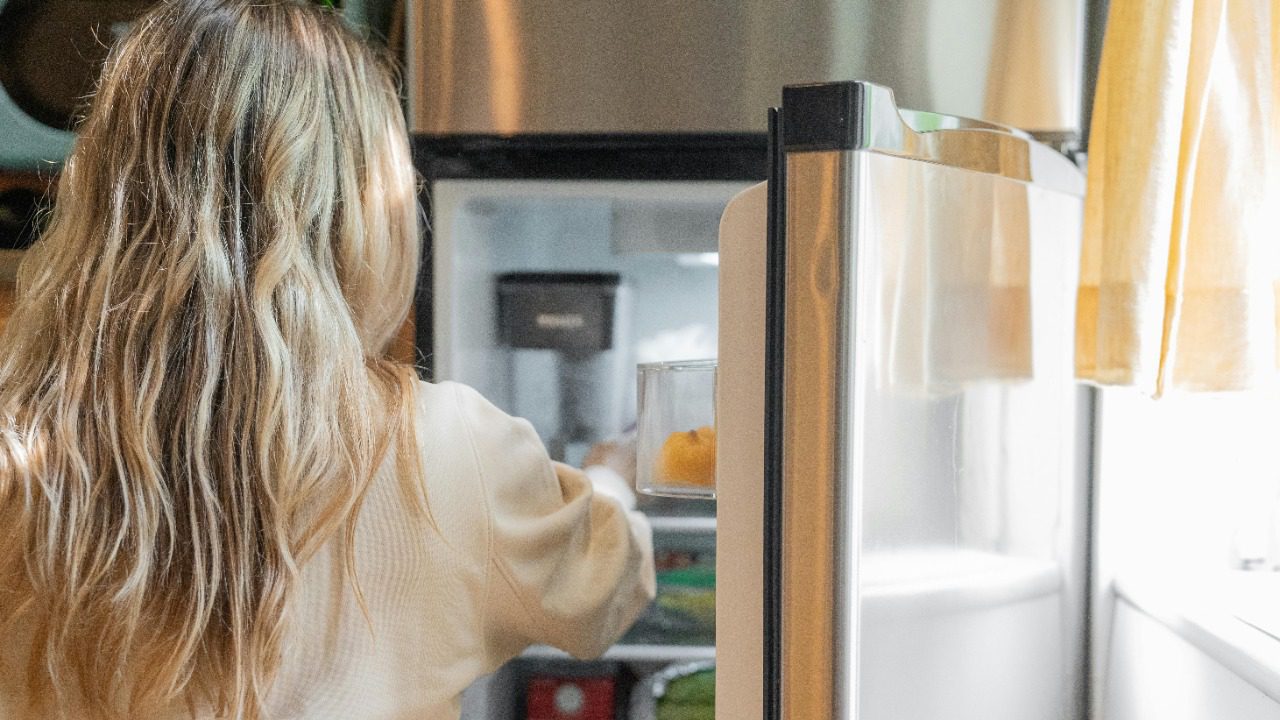
A clean fridge is not only more hygienic, but it also makes it easier to find what you need when you’re cooking. Make it a habit to clean out your fridge once a week, ideally before you go grocery shopping.
This will help you keep track of what you have, prevent food waste, and make meal planning easier. Plus, it’s much more pleasant to cook and eat in a clean, organized kitchen.
12. Sorting Mail Daily

Piles of unsorted mail can quickly accumulate and make your home feel cluttered. By sorting your mail every day, you can keep on top of this task and prevent it from becoming overwhelming.
This habit also ensures that you don’t miss any important bills or letters. Plus, it’s much easier to sort through a small amount of mail each day than it is to tackle a large pile all at once.
13. Dusting Regularly
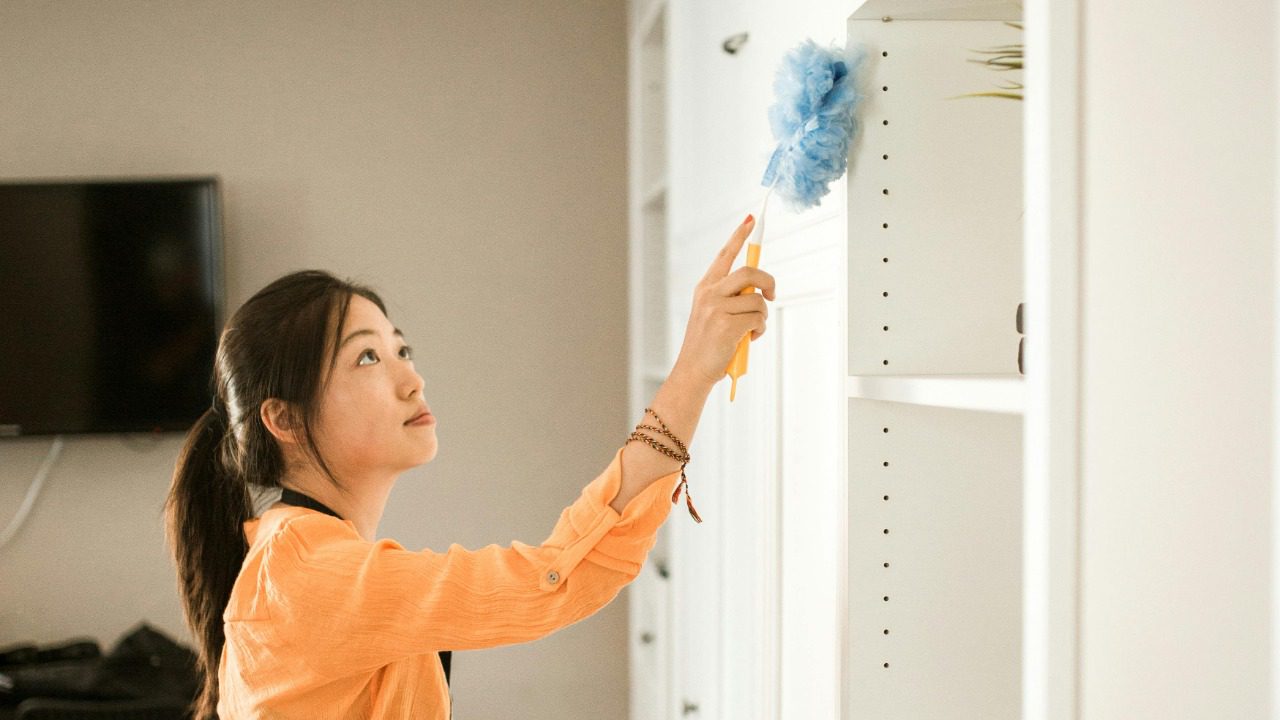
Dust can quickly accumulate on surfaces and make your home look dirty. Regular dusting can help keep your home clean and fresh. This can be as simple as dusting your furniture once a week, and your electronics and other items once a month.
Regular dusting is also good for your health, as it can help reduce allergens in your home. Plus, it’s a quick and easy task that can make a big difference in the cleanliness of your home.
14. Using a Shoe Rack
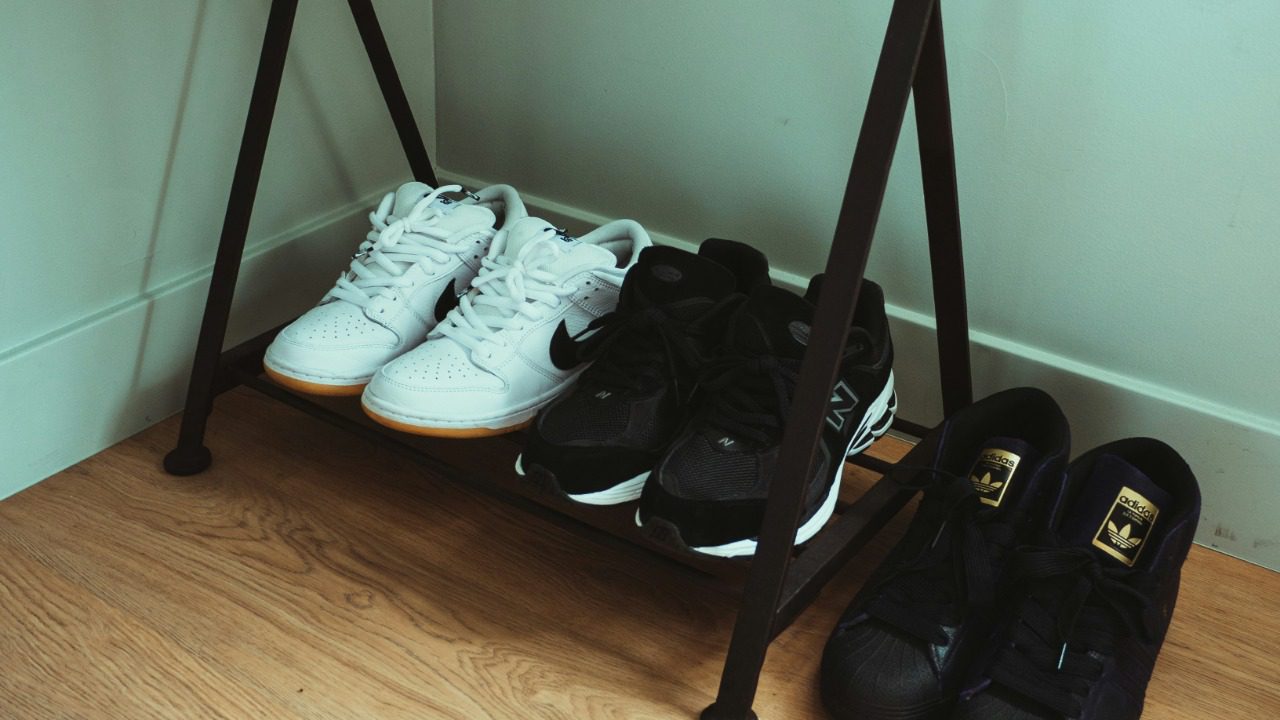
Shoes can easily become a source of clutter in your home. By using a shoe rack and making it a habit to put your shoes away as soon as you take them off, you can keep your home tidy and organized.
This habit also helps prolong the life of your shoes, as they’re less likely to get damaged when they’re properly stored. Plus, it’s much easier to find the shoes you want to wear when they’re neatly organized on a shoe rack.
15. Using Storage Bins
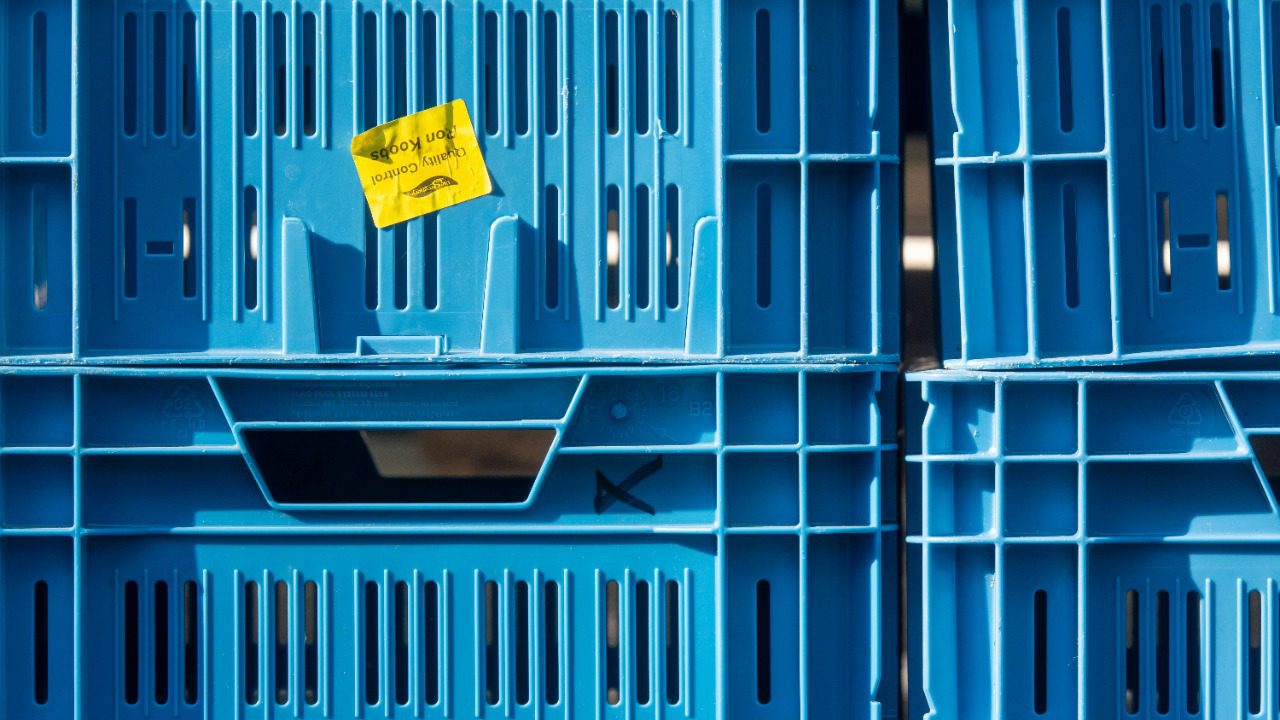
Storage bins can be a lifesaver when it comes to keeping your home organized. They’re great for storing items like toys, craft supplies, and seasonal items.
By making it a habit to use storage bins, you can keep your home tidy and organized. Plus, it’s much easier to find what you need when items are neatly stored in bins.
16. Wiping Down Surfaces Daily
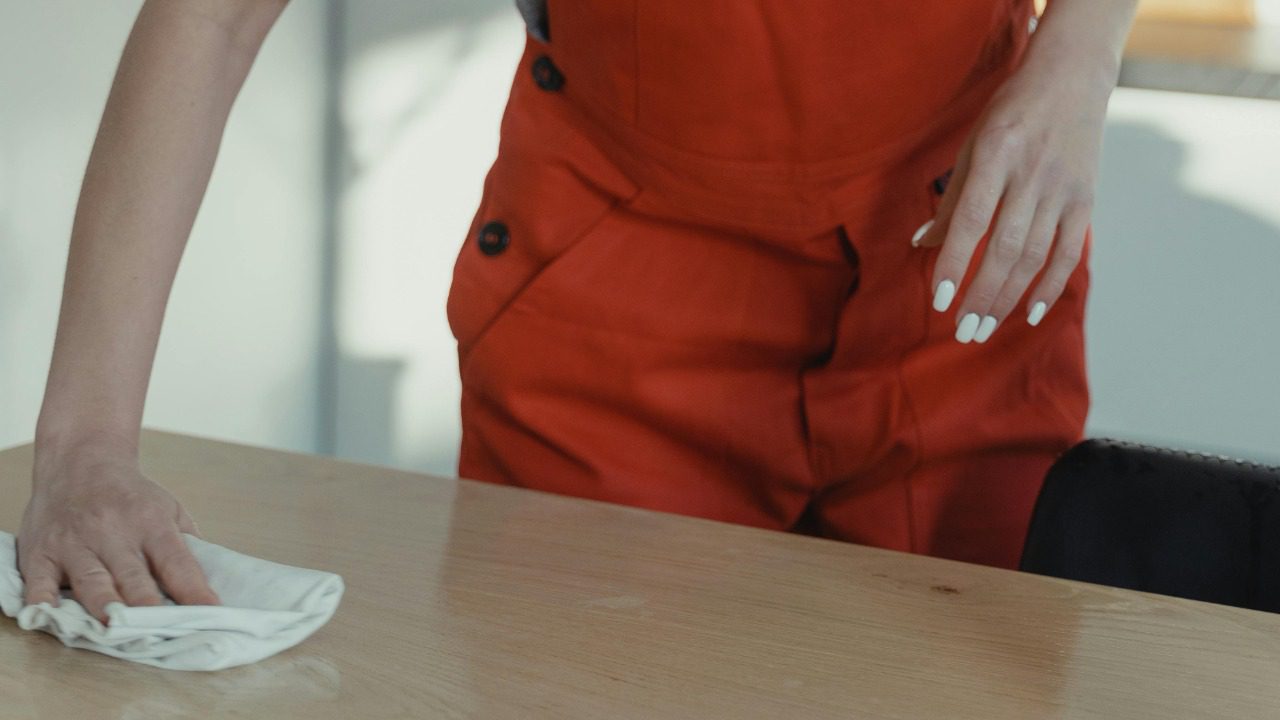
Countertops, tables, and other surfaces can quickly become dirty and cluttered. By wiping down surfaces daily, you can keep your home clean and organized.
This task only takes a few minutes, but it can make a big difference in the cleanliness of your home. Plus, it’s much easier to clean a surface when it’s only slightly dirty, rather than waiting until it’s heavily soiled.
17. Setting a Cleaning Schedule

Having a cleaning schedule can help you keep on top of cleaning tasks and prevent them from becoming overwhelming. This could be as simple as assigning different tasks to different days of the week, or setting aside a specific time each day for cleaning.
A cleaning schedule not only helps you stay organized, but it also ensures that you don’t forget any important tasks. Plus, it’s much easier to tackle cleaning tasks when you know exactly what you need to do and when.