

Let’s face it, we can all be a little messy sometimes. It’s easy to let clutter accumulate, especially in the hustle and bustle of everyday life. But did you know that clutter can actually cause stress? Studies have shown that a cluttered home or workspace can increase feelings of anxiety and make it harder to focus. Here are 17 ways that clutter could be stressing you out and some steps you can take to declutter your life.
1. Overstimulation


Clutter can be visually and mentally overstimulating. With so many things to look at and think about, your mind can become overwhelmed. This constant state of overstimulation can lead to stress and anxiety.
For example, if your desk is covered in papers, books, and other items, it can be hard to focus on the task at hand. The sheer amount of clutter can be distracting and make it difficult to concentrate. To combat this, try to keep your workspace as clean and organized as possible. A clear desk can lead to a clear mind.
2. Constant Reminders of Unfinished Tasks


Clutter can often be a physical reminder of tasks that need to be done. For instance, a pile of unopened mail can remind you of bills that need to be paid or errands that need to be run. This can cause stress because it constantly reminds you of unfinished tasks.
To alleviate this stress, try to deal with items as soon as you get them. Open your mail as soon as you bring it in and deal with the contents immediately. This can help to reduce the amount of physical clutter and the mental stress that comes with it.
3. Difficulty Finding Things
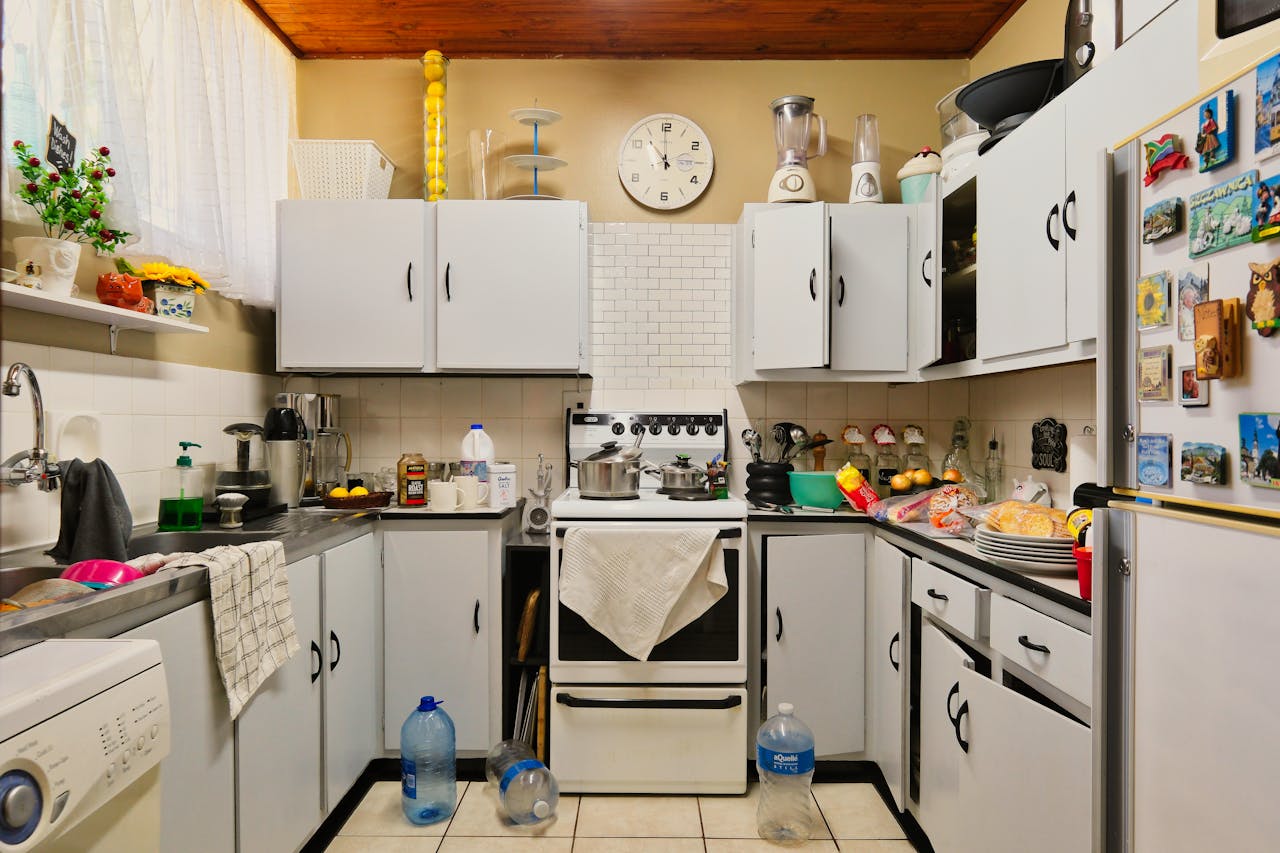
When your space is cluttered, it can be hard to find what you need. This can lead to frustration and stress, especially if you’re in a hurry.
For example, if your kitchen is cluttered, it can be hard to find the utensils or ingredients you need to cook a meal. This can turn a relaxing activity into a stressful one. To avoid this, try to keep your spaces organized and put things back where they belong after you use them.
4. Decreased Productivity

Clutter can decrease your productivity. When your space is messy, you can spend more time looking for things or trying to navigate around the clutter than you do actually working.
For example, if your office is cluttered, you might waste time looking for a specific document or piece of equipment. This can be frustrating and stressful, especially if you’re on a tight deadline. To increase your productivity, try to keep your workspace clean and organized.
5. Negative Impact on Your Mood

Clutter can have a negative impact on your mood. A messy environment can lead to feelings of frustration and dissatisfaction.
For example, if your living room is cluttered, it can be hard to relax and unwind. The sight of the mess can make you feel uneasy and stressed. To improve your mood, try to keep your living spaces tidy and pleasant to be in.
6. Difficulty Relaxing


Clutter can make it hard to relax. When your space is cluttered, it can be hard to find a quiet, calm place to unwind.
For example, if your bedroom is cluttered, it can be hard to get a good night’s sleep. The clutter can be distracting and make it difficult to relax. To create a more relaxing environment, try to keep your bedroom clean and clutter-free.
7. Creates a Sense of Shame

Clutter can create a sense of shame or embarrassment. If your home or workspace is messy, you might feel embarrassed to invite people over or have colleagues visit.
For example, if your living room is cluttered, you might feel uncomfortable having friends over for a movie night. This can cause stress and anxiety. To prevent this, try to keep your living spaces presentable and welcoming.
8. Contributes to Procrastination


Clutter can contribute to procrastination. When your environment is messy, it can be hard to get started on tasks or projects.
For example, if your office is cluttered, you might put off starting a new project because the mess is overwhelming. This can lead to stress and anxiety. To combat this, try to keep your workspace clean and organized.
9. Triggers Allergies

Clutter can also trigger allergies. Dust, mold, and other allergens can accumulate on cluttered surfaces and in the air, causing allergic reactions and respiratory issues.
For example, if your bedroom is cluttered, you might experience sneezing, coughing, or difficulty breathing. This can disrupt your sleep and cause stress. Regularly cleaning and decluttering your spaces can help to alleviate this issue.
10. Wastes Your Time


Clutter can waste your time. When your space is cluttered, you spend more time looking for things, cleaning, and organizing.
For example, if your kitchen is cluttered, you might spend a lot of time looking for a specific utensil or ingredient. This can be frustrating and stressful. Keep your spaces organized to save time and reduce stress.
11. Decreases Your Living Space

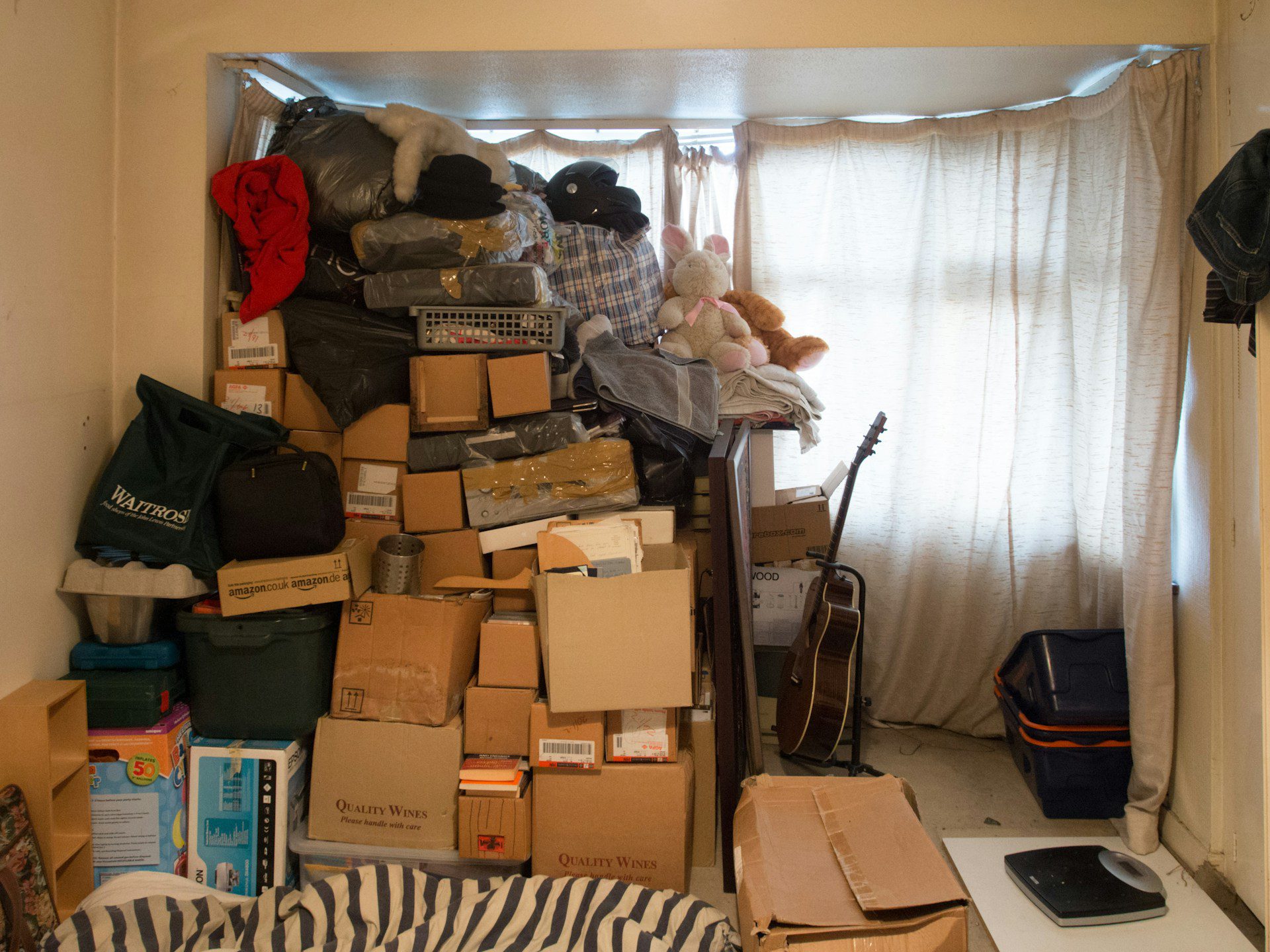
Clutter can decrease your living space. When your home is cluttered, it can feel smaller and more cramped.
For example, if your living room is cluttered with furniture and other items, it can feel cramped and uncomfortable. This can cause stress and anxiety. To create a more spacious and comfortable living environment, try to declutter and organize your spaces.
12. Causes Financial Stress

Clutter can cause financial stress. If you have a lot of clutter, you might be wasting money on storage costs or buying things you already have but can’t find.
For example, if your garage is cluttered with tools and equipment, you might end up buying new ones because you can’t find what you need. This can cause financial stress. To avoid this, try to keep your spaces organized and regularly declutter.
13. Creates Safety Hazards

Clutter can create safety hazards. A cluttered home or workspace can increase the risk of trips and falls.
For example, if your hallway is cluttered with shoes and other items, you might trip and hurt yourself. This can cause stress and anxiety. To create a safer environment, try to keep your spaces clean and clutter-free.
14. Difficult to Clean

A cluttered space is difficult to clean. With so many items in the way, it can be hard to clean surfaces properly.
For example, if your kitchen is cluttered, it can be hard to clean the counters or the stove. This can lead to dirty, unsanitary conditions and cause stress. Keeping your spaces clutter-free can make it easier to clean and maintain a healthy environment.
15. Decreases Self-Esteem

Clutter can decrease your self-esteem. If your home or workspace is messy, you might feel less competent and successful.
For example, if your office is cluttered, you might feel less professional and capable. This can cause stress and negatively impact your self-esteem. Keeping your spaces clean and organized can boost your confidence and make you feel more competent.
16. Makes it Difficult to Let Go


Clutter can make it difficult to let go of the past. If your home is cluttered with old items and memorabilia, it can be hard to move forward.
For example, if your bedroom is cluttered with old clothes and items from your past, it can be hard to let go and embrace the present. This can cause stress and keep you stuck in the past. Regularly decluttering and getting rid of old items can help you move forward.
17. Increases Decision Fatigue

Lastly, clutter can increase decision fatigue. With so many items to deal with, you can become overwhelmed by the number of decisions you have to make.
For example, if your closet is cluttered with clothes, deciding what to wear can become a stressful task. This can lead to decision fatigue and increase stress levels. Keeping your spaces organized and clutter-free can reduce the number of decisions you have to make and reduce stress.