

With the holiday season fast approaching, many of us will be opening our homes to family and friends. While the focus should be on laughter, good food, and creating memories, often the build-up to these gatherings can be stressful. One of the main stressors could be the state of your home, clutter builds up quickly, and before you know it, there’s barely enough space for your guests.
Let’s discuss how to tackle clutter in your home, with 17 simple and effective ways to declutter before your guests arrive.
1. Start with a Plan

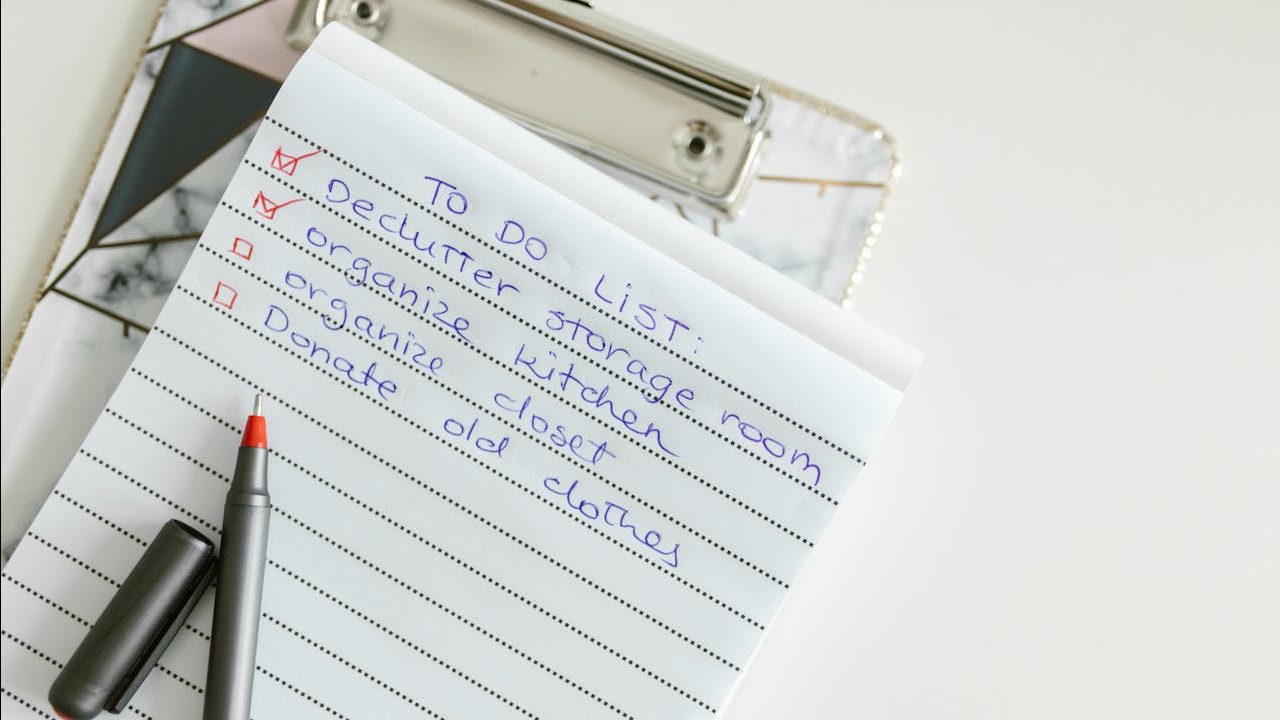
Before you start decluttering, it’s essential to create a plan. Identify the areas that need the most work, and prioritize them. Make a list of all the spaces that you need to clear out and determine what you want to achieve in each area. For example, you might want to transform your cluttered home office into a cozy guest bedroom. A plan will keep you on track and help you make the most of your decluttering efforts.
Also, set a timeline for your decluttering project. If you’re expecting guests in a week, break down your tasks into manageable daily goals. You don’t have to do it all in one day. A little bit of decluttering each day will make a significant difference, and it’s less overwhelming than trying to tackle everything at once.
2. Use the Four-Box Method

The four-box method is a simple and effective way to declutter any space. Label four boxes as: ‘Keep’, ‘Donate’, ‘Trash’, and ‘Relocate’. As you go through your items, make a decision for each one and put it in the appropriate box.
This method forces you to make a decision about every item, preventing you from merely shifting clutter from one place to another. It’s a practical way to sort through your belongings and get rid of what you don’t need. Remember, the goal is to reduce clutter, so try to be ruthless. If you don’t use it, need it, or love it, get rid of it.
3. Ask for Help

Decluttering can be a big job, and there’s no reason you have to do it alone. Ask a friend or family member to help you. Having someone else there can make the task more enjoyable, and they can provide a fresh perspective on what to keep and what to let go.
Plus, working with someone else can make the process more efficient. You can tackle different areas at the same time or work together in the same room for moral support. Just make sure to return the favor when they need help decluttering their home.
4. Clear Flat Surfaces

Flat surfaces like countertops, tables, and shelves are clutter magnets. Start by clearing off these surfaces. It’s amazing how much of a difference a clear table or countertop can make in making a room feel cleaner and more organized.
Once you’ve cleared off these surfaces, be mindful of what you put back on them. Try to keep items on flat surfaces to a minimum. A good rule of thumb is to only keep items that you use daily or that add aesthetic value to the space.
5. Digitize Paper Clutter
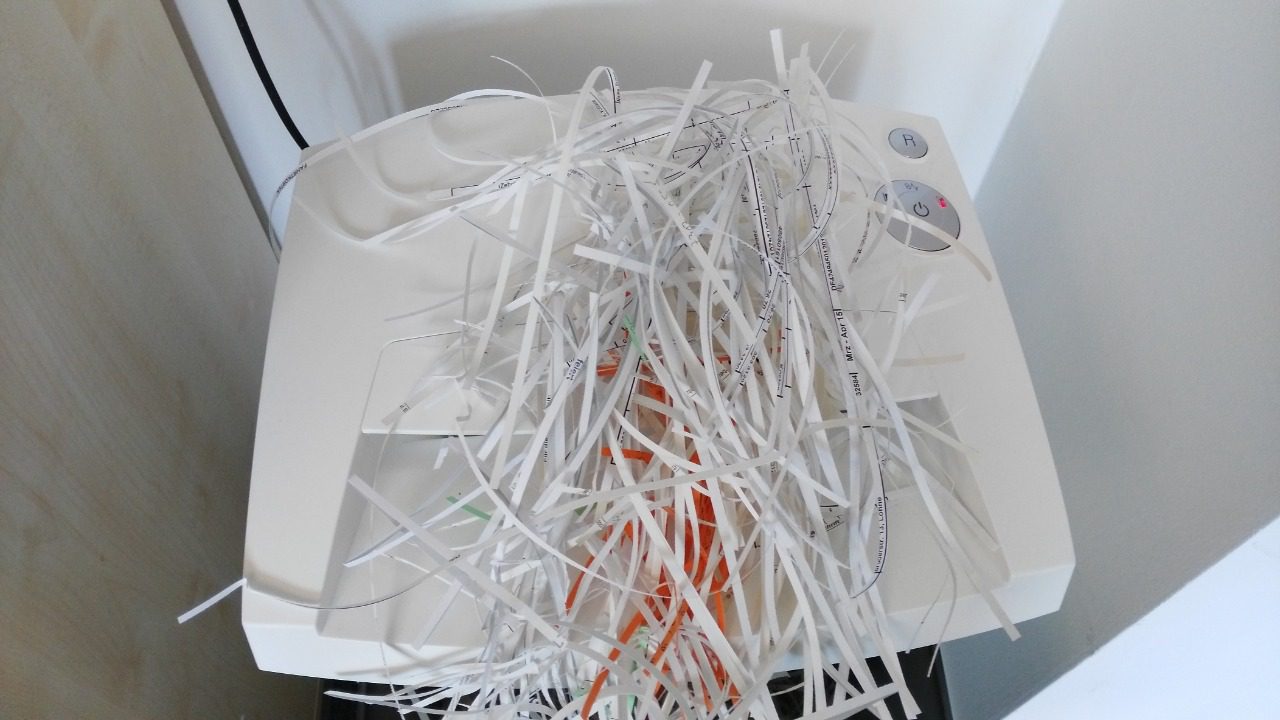
Paper clutter can quickly pile up and create a mess. Luckily, it’s one of the easiest types of clutter to deal with. Start by recycling or shredding any paper that you don’t need. Then, digitize what you can.
You can scan important documents and save them on your computer or a cloud service. There are also various apps available that can help you manage and organize your digital files. By digitizing your paper clutter, you’ll free up physical space and have easy access to your documents anytime, anywhere.
6. Utilize Storage Solutions

Using storage solutions can be a game-changer when it comes to decluttering. After sorting through your items and deciding what to keep, you’ll need a place to put everything. Shelves, baskets, and bins all provide great ways to organize your items.
Try to find storage solutions that fit with your home’s decor so they add to the space rather than detract from it. And remember: out of sight, out of mind. If you don’t need to access an item regularly, consider storing it in a less accessible area, like a high shelf or the back of a closet.
7. Create a Donation Station

Having a designated donation station in your home can make the process of decluttering easier. This could be a box or bag in a specific location where you can put items that you want to donate.
Once the box or bag is full, take it to a donation center. This way, you’re continuously getting rid of items you no longer need, and it prevents the ‘donate’ pile from becoming another form of clutter in your home.
8. Tackle the Pantry

The pantry is often overlooked when decluttering, but it can be a hot spot for expired and unused items. Start by taking everything out and check the expiration dates. Donate what you won’t use before it expires, and toss anything that’s already expired.
Once you’ve sorted through everything, organize your pantry. Group similar items together and use containers or baskets to keep things tidy. You’ll be surprised how much space you can free up by decluttering and organizing your pantry.
9. Clean Out Your Fridge

Just like the pantry, the fridge can be a cluttered space. Take everything out and check expiry dates. Wipe down the shelves and drawers, and then put everything back in an organized way.
Consider using fridge organizers to keep things neat and easily accessible. It’s also a good idea to keep a list of what’s in your fridge and when it expires, to help prevent food waste and keep your fridge clutter-free.
10. Declutter Your Wardrobe
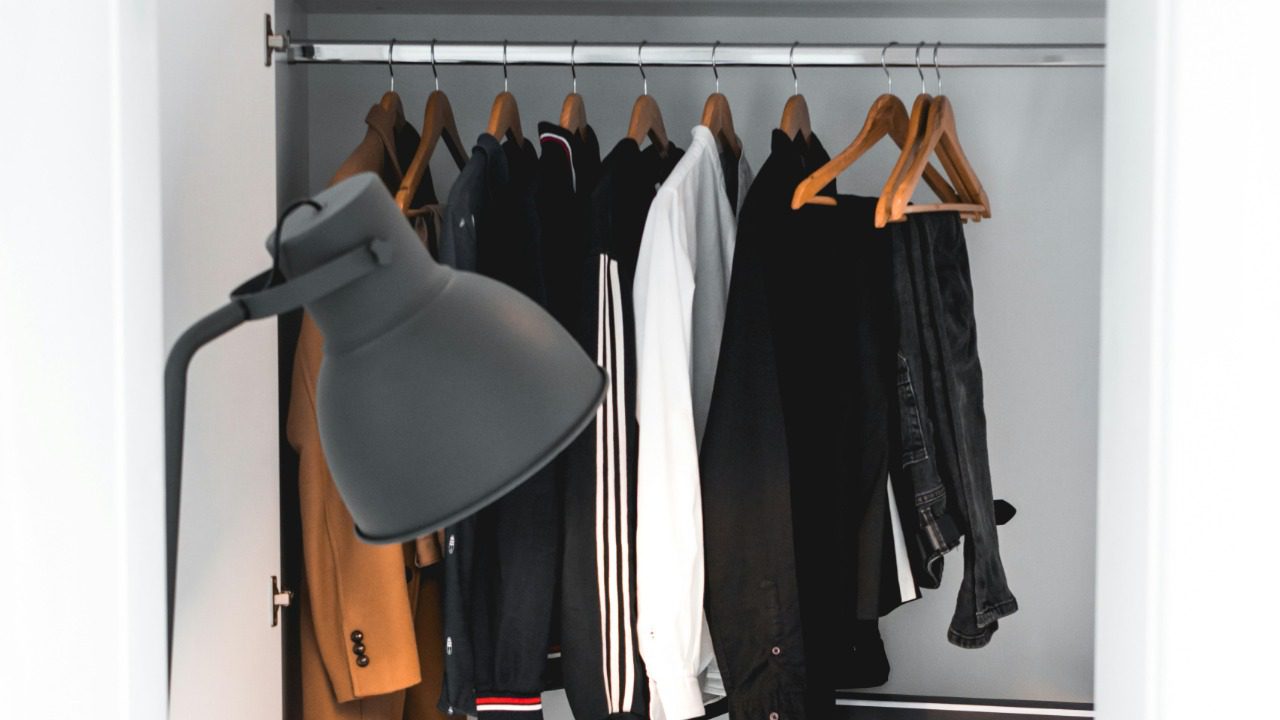
A cluttered wardrobe can be overwhelming. Start by taking everything out and sorting through it. Donate or sell clothes that you don’t wear anymore or that don’t fit.
Once you’ve decluttered, organize your wardrobe. You could arrange clothes by season, type, or color, whatever works best for you. Consider using wardrobe organizers to maximize space and keep your clothes neat and easily accessible.
11. Clear Out the Bathroom

Bathrooms can easily become cluttered with expired products, unused items, and half-empty bottles. Start by emptying your cabinets and drawers and sort through everything. Dispose of expired products and donate or give away unopened items that you won’t use.
Then, clean your bathroom cabinets and drawers before putting everything back. Use organizers to keep everything neat and easily accessible. A decluttered and organized bathroom will make getting ready in the morning a breeze.
12. Tidy Up the Living Room
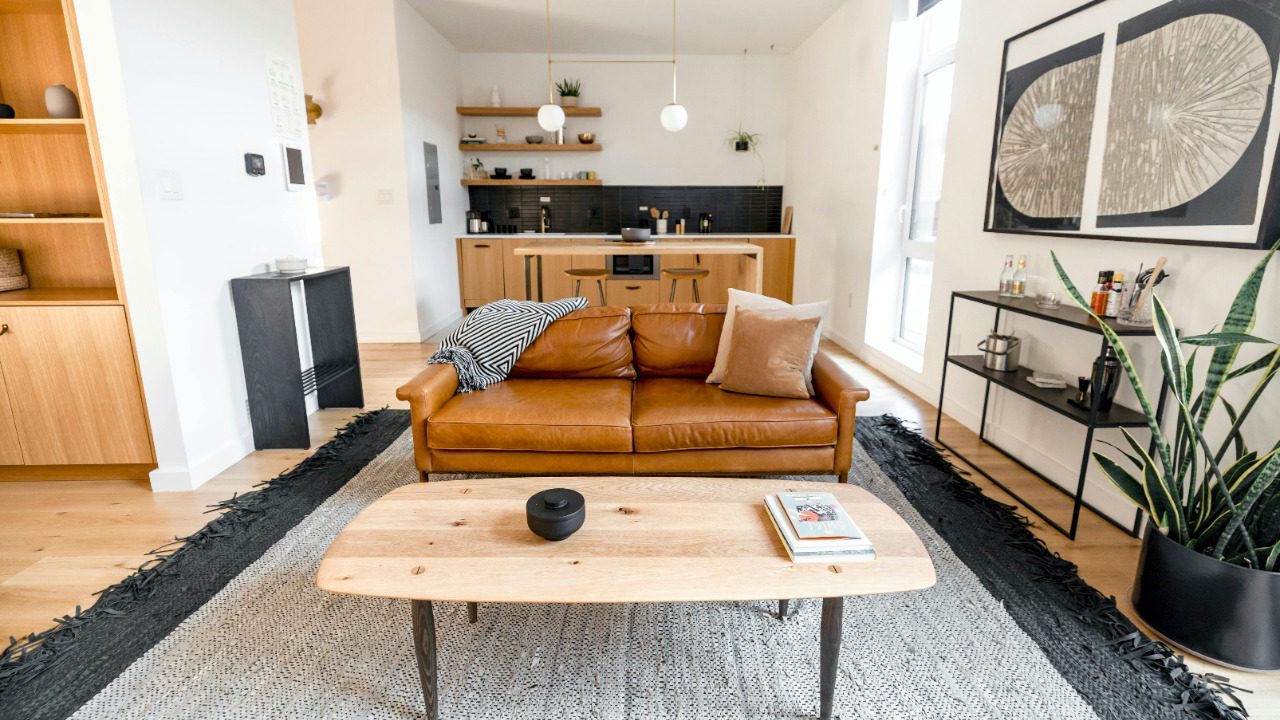
The living room is where your guests will spend a lot of their time, so it’s important to make it a comfortable and clutter-free space. Start by removing any items that don’t belong in the living room. Then, declutter your shelves, coffee table, and entertainment center.
Once you’ve decluttered, give the room a good clean. Dust, vacuum, and wipe down surfaces. Then, arrange your furniture in a way that encourages conversation and interaction. Add some cozy touches like throw blankets and cushions, and your living room will be a welcoming space for your guests.
13. Organize Your Entryway

The entryway is the first thing your guests will see, so make a good first impression by keeping it tidy and inviting. Remove any unnecessary items and make sure there’s a place for everything.
Use a coat rack or hooks for jackets and bags, a shoe rack for shoes, and a tray or bowl for keys and other small items. If you have space, consider adding a bench or chair for guests to sit on while they remove their shoes. A clean and organized entryway sets the tone for the rest of your home.
14. Clean Out the Garage

If your garage is a cluttered mess, now is the perfect time to tackle it. Start by removing everything and sorting through it. Donate or sell items you no longer need or use, and dispose of any rubbish.
Then, organize what’s left. Use shelving, hooks, and storage bins to keep everything neat and easily accessible. If you’re short on space, consider using ceiling-mounted storage racks. A tidy garage will not only make it easier to find what you need, but it can also free up space for your guests’ cars.
15. Make Use of Under-Bed Storage

If you’re short on storage space, the area under your bed can be a great solution. It’s often overlooked, but with the right storage containers, you can store a surprising amount of items under your bed.
This can be a great place to store out-of-season clothes, shoes, or bedding. Just make sure to use airtight containers if you’re storing textiles to protect them from dust and pests.
16. Declutter Your Digital Space

While this won’t directly impact your guests, decluttering your digital space can help reduce stress and make your life easier. Start by deleting any old or unnecessary files from your computer and phone. Then, organize your remaining files into folders.
Also, clean up your email inbox. Unsubscribe from any newsletters or marketing emails that you don’t read, and delete or archive old emails. A clean and organized digital space can make you more productive and help reduce stress.
17. Maintain Your Progress


Once you’ve decluttered your home, it’s important to maintain your progress. Make decluttering a regular habit, and try to stay on top of it. This could be as simple as spending 10 minutes each day tidying up, or doing a weekly decluttering session.
Also, try to adopt the ‘one in, one out’ rule. This means that for every new item you bring into your home, you should get rid of an old one. This will help prevent clutter from building up again and keep your home tidy and organized for your next round of guests.