


Decluttering is not a one-time event. It’s an ongoing process that requires regular maintenance.
Set aside time each week or each month to go through your things and declutter. Make it a habit to regularly evaluate your items and get rid of those you no longer need or want. By doing this, you’ll keep your spaces clutter-free and manageable.
2. Trying to Declutter Everything at Once

While it might be tempting to tackle all your clutter in one day, this approach can quickly become overwhelming and lead to burnout. Decluttering is a process that takes time and patience.
Rather than trying to declutter everything at once, start small and work your way up. Start with a single drawer or cupboard, and once you’ve successfully decluttered that area, move on to the next. This slow and steady approach will make the process less daunting and more manageable.
3. Not Having a Plan

Decluttering without a plan is like trying to navigate a new city without a map. You’ll end up going in circles, wasting time, and feeling overwhelmed.
Before you start decluttering, make a plan. Decide what areas you want to tackle first and what your end goals are. Do you want to create more space in your closet? Are you trying to get rid of old paperwork? By having a clear plan, you’ll be more likely to stay motivated and see your decluttering project through to the end.
4. Holding on to Items “Just in Case”
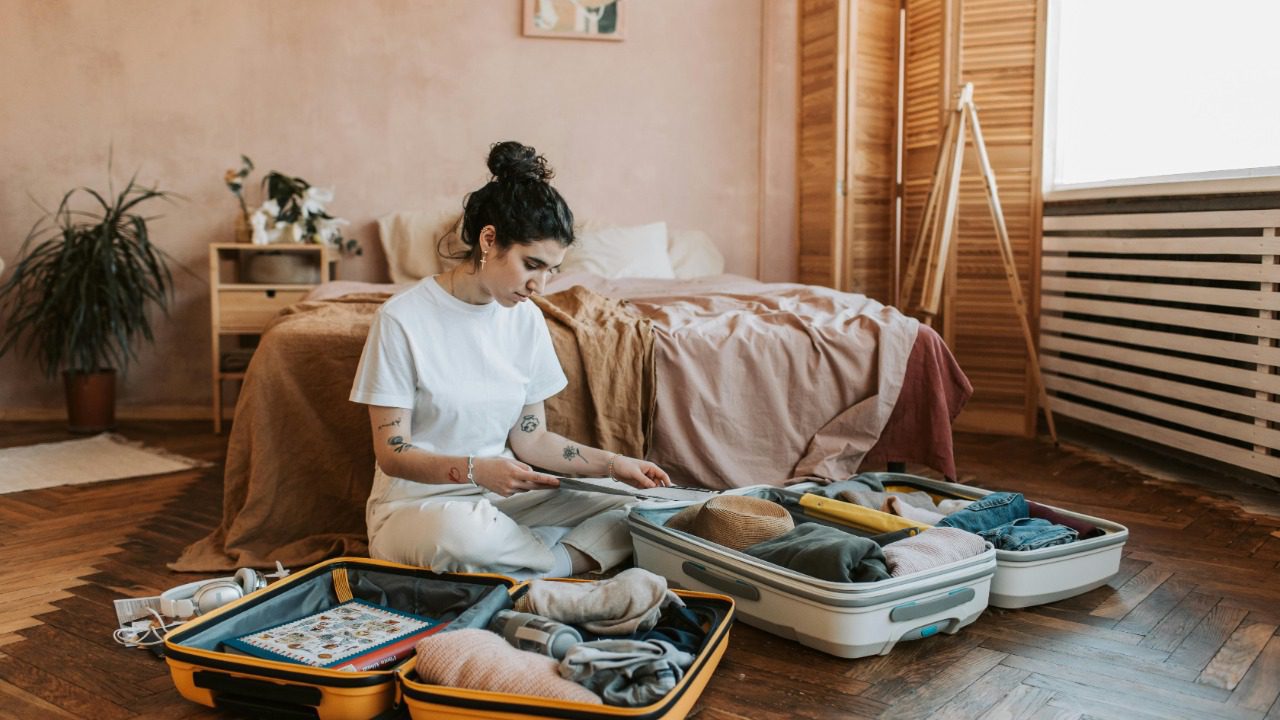
One of the biggest hurdles to decluttering is the fear that we might need an item “just in case.” We hold on to things we haven’t used in years, thinking they might come in handy one day.
While it’s prudent to keep certain items for unforeseen situations, most “just in case” items end up collecting dust. A good rule of thumb is if you haven’t used it in a year, you probably don’t need it. If you’re still unsure, consider the worst-case scenario. Could you replace the item easily and affordably? If so, it’s probably safe to let it go.
5. Not Dealing With Clutter Immediately
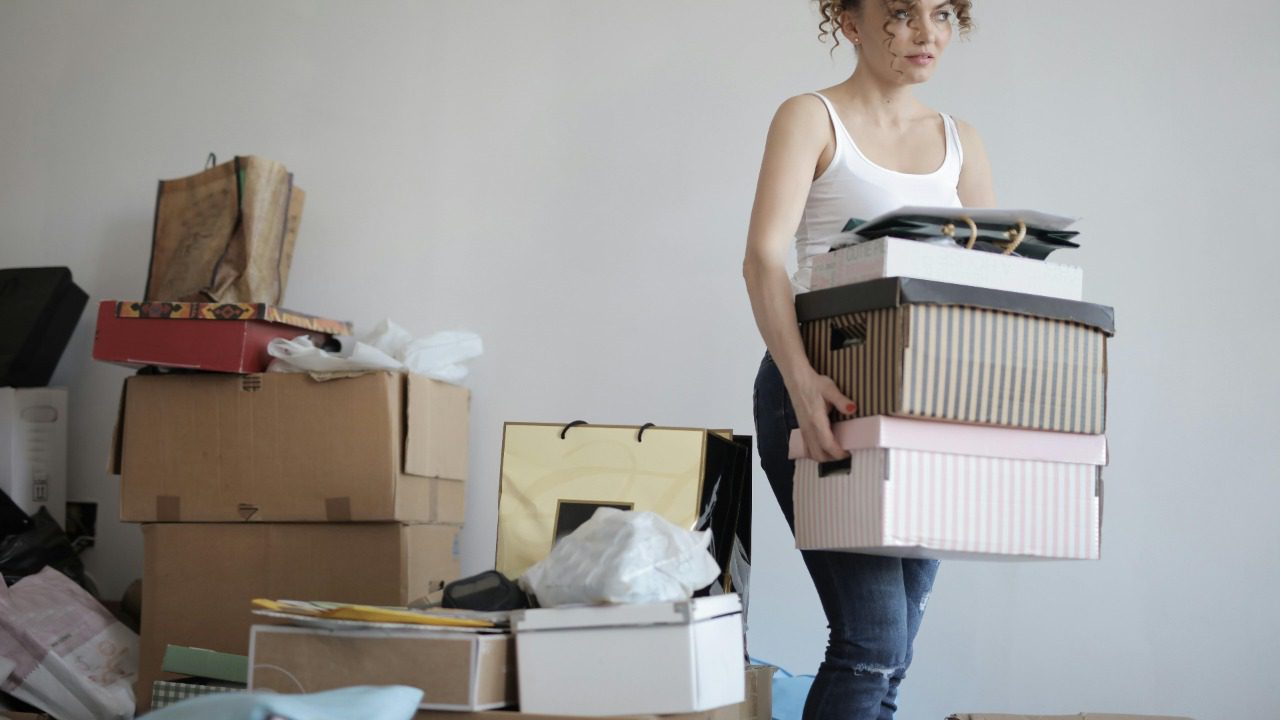
It’s easy to let clutter pile up. We put off dealing with it until it becomes overwhelming. But delaying only makes the problem worse.
Instead of waiting until you can’t ignore the clutter any longer, deal with it as soon as it arises. If you bring a new item into your home, find a place for it immediately. If you come across something you no longer need, decide right away whether to donate, sell, or throw it away. By dealing with clutter promptly, you’ll prevent it from accumulating.
6. Keeping Unwanted Gifts Out of Guilt


We’ve all received gifts we don’t really want or need. But out of guilt, we keep these items, letting them add to our clutter.
Remember, the purpose of a gift is to bring joy. If a gift doesn’t do that for you, it’s okay to let it go. You can donate it, re-gift it, or sell it. The giver wouldn’t want their gift to become a burden to you.
7. Buying Storage Items Before Decluttering

One of the most common decluttering mistakes is buying storage items before actually decluttering. We often think that more storage will solve our clutter problems, but in reality, it just provides more places for us to hide our clutter.
Instead of rushing to buy more storage, first sort through your items and identify what needs to be kept, donated, or thrown away. Once you know what you have left, you can then determine what type of storage you need. You may find that you already have enough storage space once you get rid of unneeded items.
8. Not Having a Place for Everything

When everything has a place, it’s easier to keep your spaces tidy and decluttered. But when items don’t have a designated place, they end up becoming clutter.
Ensure that every item in your home has a place where it belongs. This not only makes it easier to find things when you need them, but it also makes it easier to clean up and keep your spaces organized.
9. Being Too Sentimental About Items

It’s natural to feel sentimental about certain items. But when you hold onto too many things for sentimental reasons, they can quickly become clutter.
Try to limit the number of sentimental items you keep. Instead of holding onto every card or souvenir, choose a few meaningful items to keep and let the rest go. Remember, it’s the memories and emotions that are important, not the physical items.
10. Not Asking for Help


Decluttering can be a big job, and it’s easy to get overwhelmed if you try to do it all on your own.
Don’t be afraid to ask for help. Whether it’s a friend, family member, or professional organizer, having someone by your side can make the process easier and more enjoyable. They can provide a fresh perspective, help you make tough decisions, and keep you motivated.
11. Letting Paper Clutter Accumulate
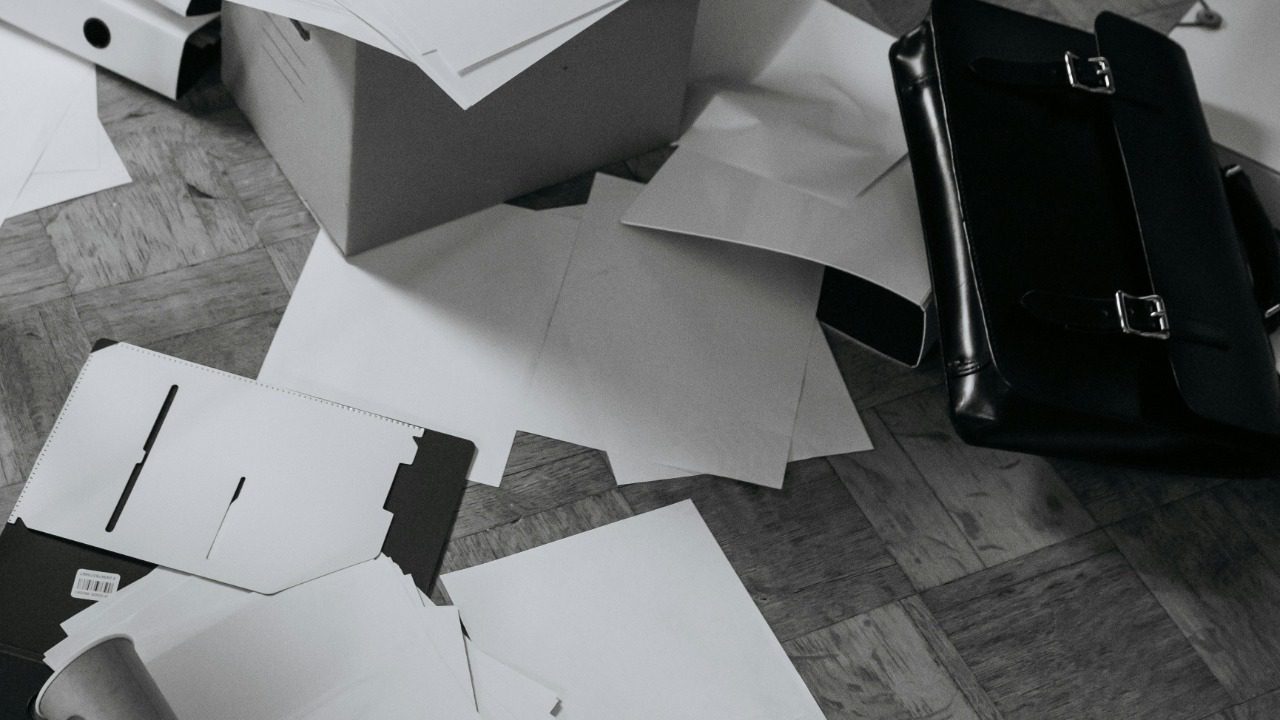
Paper clutter is one of the most common types of clutter. From mail to receipts to old documents, paper can quickly pile up and take over your space.
To prevent paper clutter, deal with it as soon as it comes in. Discard junk mail immediately, file important documents, and digitize receipts and papers that you need to keep. Also, consider switching to electronic statements and bills to reduce the amount of paper coming into your home.
12. Keeping Clothes You Don’t Wear

Many people hold onto clothes they don’t wear, hoping they’ll fit into them again one day or that the style will come back into fashion.
Be realistic about what clothes you actually wear. If you haven’t worn an item in a year, it’s time to let it go. Donate or sell clothes that don’t fit, don’t flatter you, or that you simply don’t like. Your closet should only contain items that you love and feel good in.
13. Not Taking Advantage of Vertical Space

When decluttering, many people focus only on the floor and forget about the vertical space.
Utilizing your walls and vertical space can greatly increase your storage capacity. Install shelves, hooks, or racks to store items vertically. This will free up floor space and make your home feel more spacious and organized.
14. Keeping Things Because They Were Expensive
Just because something was expensive doesn’t mean you need to keep it. If you’re not using an item, it’s just taking up valuable space in your home.
Consider selling expensive items that you no longer use. You can recoup some of your money and free up space at the same time. Remember, the value of an item is not determined by its cost, but by how much you use and enjoy it.
15. Not Respecting Your Personal Limits

Everyone has different thresholds for what constitutes clutter. What feels cluttered to one person might feel just right to another.
Respect your personal limits when it comes to clutter. If you start to feel overwhelmed or stressed by the amount of stuff in your home, it’s time to declutter. Listen to your instincts and create a space that feels comfortable and relaxing to you.
16. Keeping Broken Items to Fix Later
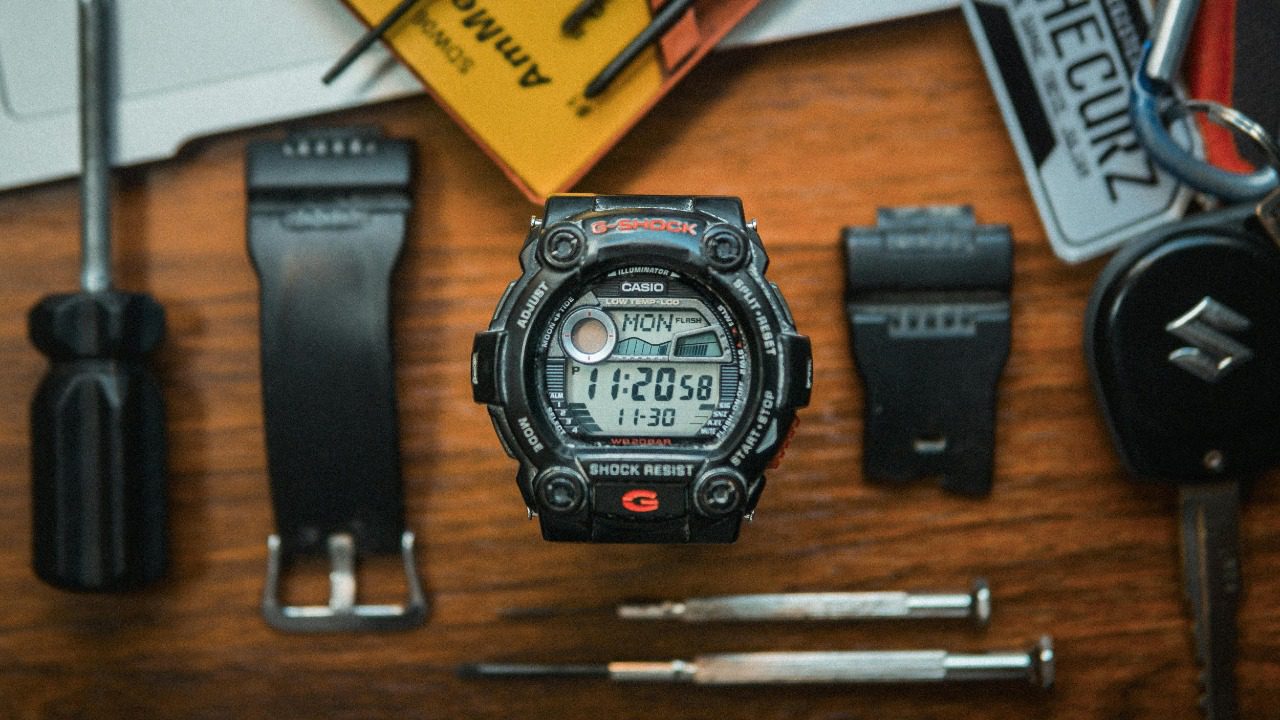
Many of us have a habit of keeping broken items with the intention of fixing them “someday.” But more often than not, these items end up sitting around and collecting dust.
Be realistic about what you’re actually going to fix. If you haven’t gotten around to fixing an item within a few months, it’s probably time to let it go. Either fix it right away, hire someone to repair it, or get rid of it.
17. Not Making Decluttering a Habit

Decluttering is not a one-time task, but a habit that needs to be cultivated. If you declutter once and then let things pile up again, you’ll always be playing catch-up.
Make decluttering a regular part of your routine. Set aside a little time each day or each week to tidy up and get rid of unnecessary items. This will keep your space clutter-free and make major decluttering projects less necessary.
18. Keeping Items Out of Obligation
Sometimes we keep items not because we want or need them, but because we feel obligated to. Whether it’s a gift from a loved one or an item we spent a lot of money on, these items can add to our clutter and cause stress.
Remember, you are under no obligation to keep items that don’t serve you. Your home should be filled with items that you love and that add value to your life. If an item doesn’t meet these criteria, it’s okay to let it go.