



We all know the feeling of being overwhelmed by clutter. It can make your space feel chaotic and unmanageable, and it can even affect your mental health. The good news is that by adopting some simple habits, you can keep your space tidy and free of clutter. These 18 decluttering habits are not quick fixes, but rather long-term strategies that will help you maintain a clutter-free home for good.
1. Declutter a Little Each Day


Instead of embarking on a massive, all-at-once decluttering mission, commit to decluttering a little bit each day. This could mean going through a drawer during a lunch break or sorting through a closet while watching your favorite TV show. This approach makes the task feel less daunting and more manageable.
Remember, Rome wasn’t built in a day. By making decluttering a daily habit, you’re more likely to stick with it. You’ll start to see progress, and the thought of decluttering won’t feel as overwhelming.
2. Follow the One-In, One-Out Rule

One of the most effective ways to keep clutter at bay is to follow the one-in, one-out rule. This means that for every new item you bring into your home, you should get rid of an old one.
For example, if you buy a new pair of shoes, donate an old pair that you no longer wear. This habit ensures that you’re not continuously adding to your clutter and helps you maintain a balance of items in your home.
3. Keep Flat Surfaces Clear

Flat surfaces like countertops, tables, and desks often serve as a catch-all for random items. Make it a habit to keep these surfaces clear. Not only does this make your space look tidier, but it also makes it easier to clean.
At the end of each day, take a few minutes to clear off your flat surfaces. Put away items where they belong, and throw away or recycle any trash. You’ll be amazed at how much of a difference this small habit can make.
4. Make Use of Storage Solutions


No matter how much you declutter, you’ll still need a place to store the items you choose to keep. Invest in smart storage solutions that make it easy to keep your items organized.
For example, use clear plastic bins for items you use infrequently, so you can easily see what’s inside. Use drawer dividers to keep your clothes or office supplies neat. Having a designated place for every item makes it easier to keep your home clutter-free.
5. Complete the Cycle
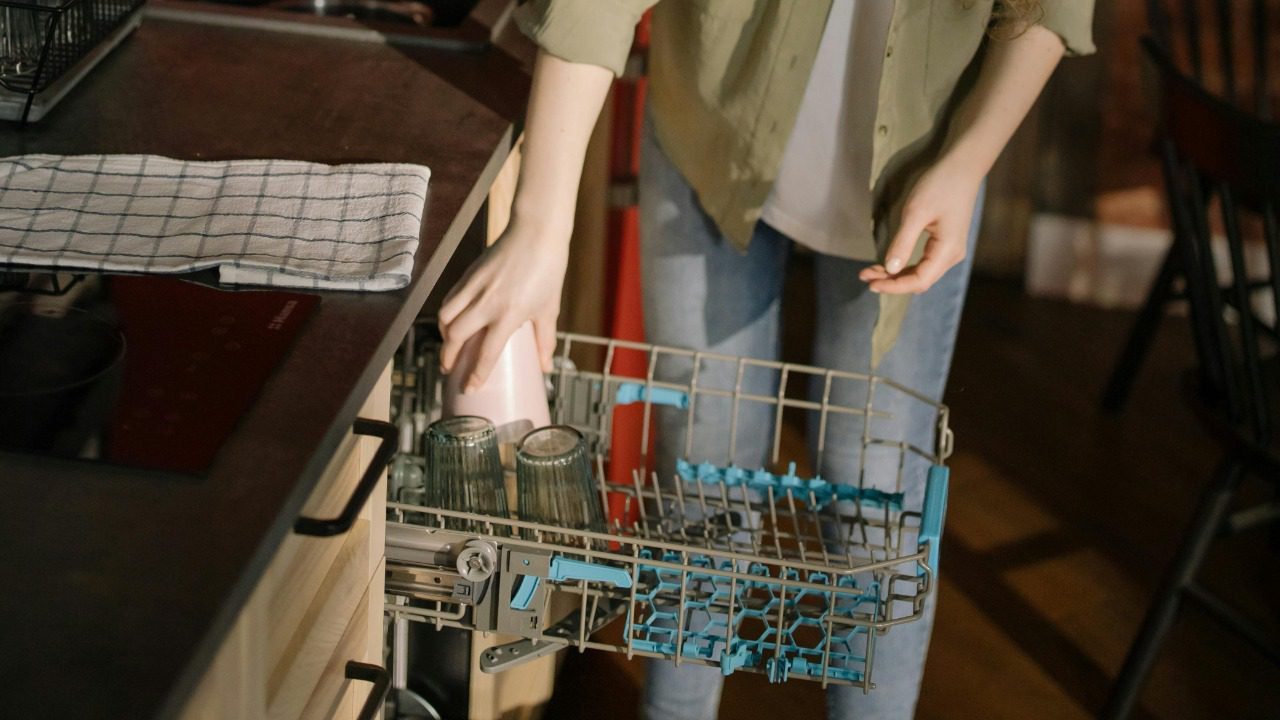
“Completing the cycle” is a term coined by organizing expert Dana K. White. It means finishing a task completely, not just partway. For example, instead of leaving a dirty dish on the counter, you would rinse it, put it in the dishwasher, and start the dishwasher if it’s full.
By making a habit of completing the cycle, you prevent clutter from building up in the first place. It might take a little extra time and effort, but it’s worth it in the long run.
6. Regularly Evaluate Your Belongings
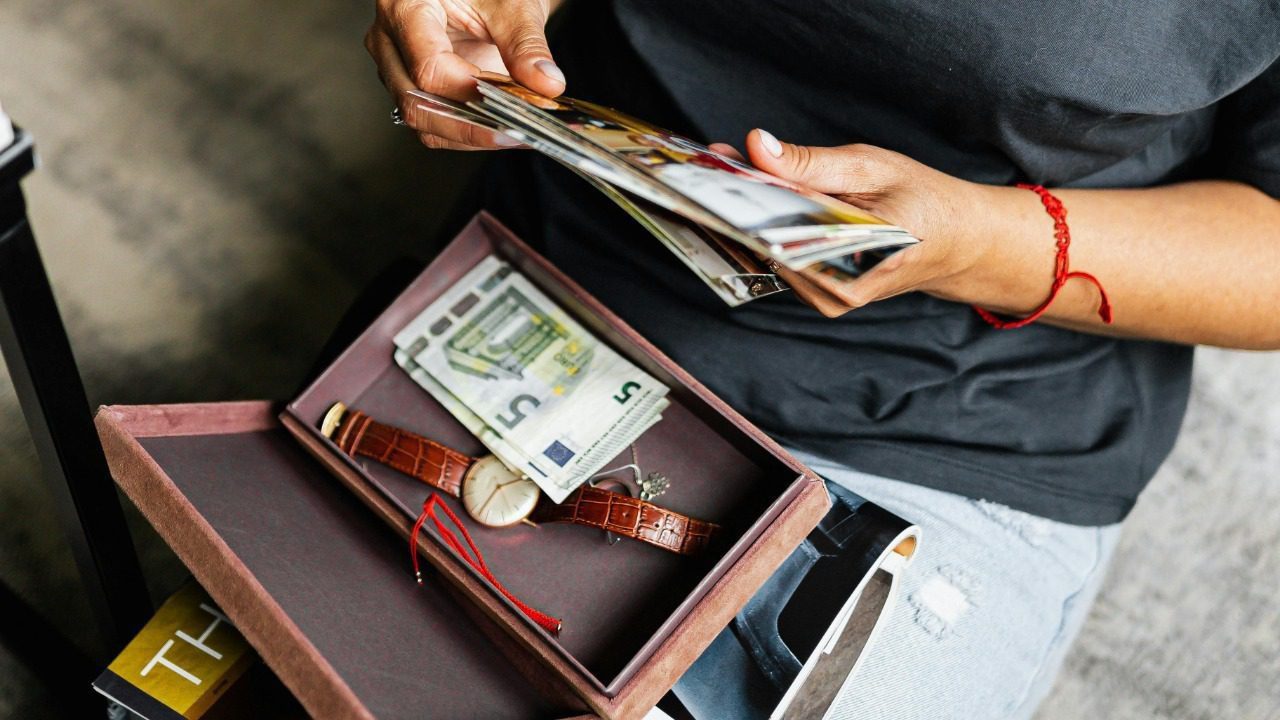
It’s easy to accumulate items over time without even realizing it. Make it a habit to regularly evaluate your belongings and get rid of anything you no longer need or want.
You could do this seasonally, or even monthly. Not only will this help you stay on top of clutter, but it also gives you the opportunity to donate items that could be useful to someone else.
7. Make Decluttering a Family Activity

If you live with others, make decluttering a family activity. This not only makes the task more fun, but it also ensures that everyone contributes to keeping the home tidy.
You could set a timer for 15 minutes and see how much you can declutter in that time. Or, you could make a game out of it by seeing who can fill up a bag with items to donate the fastest.
8. Keep a Donation Box Handy

Keeping a donation box in a convenient location makes it easy to get rid of items as soon as you decide you no longer want them. This prevents unwanted items from lingering in your home and adding to the clutter.
You could keep a box in your closet for clothes you no longer wear, or in your garage for larger items. When the box is full, take it to a donation center or schedule a pickup.
9. Digitize Documents
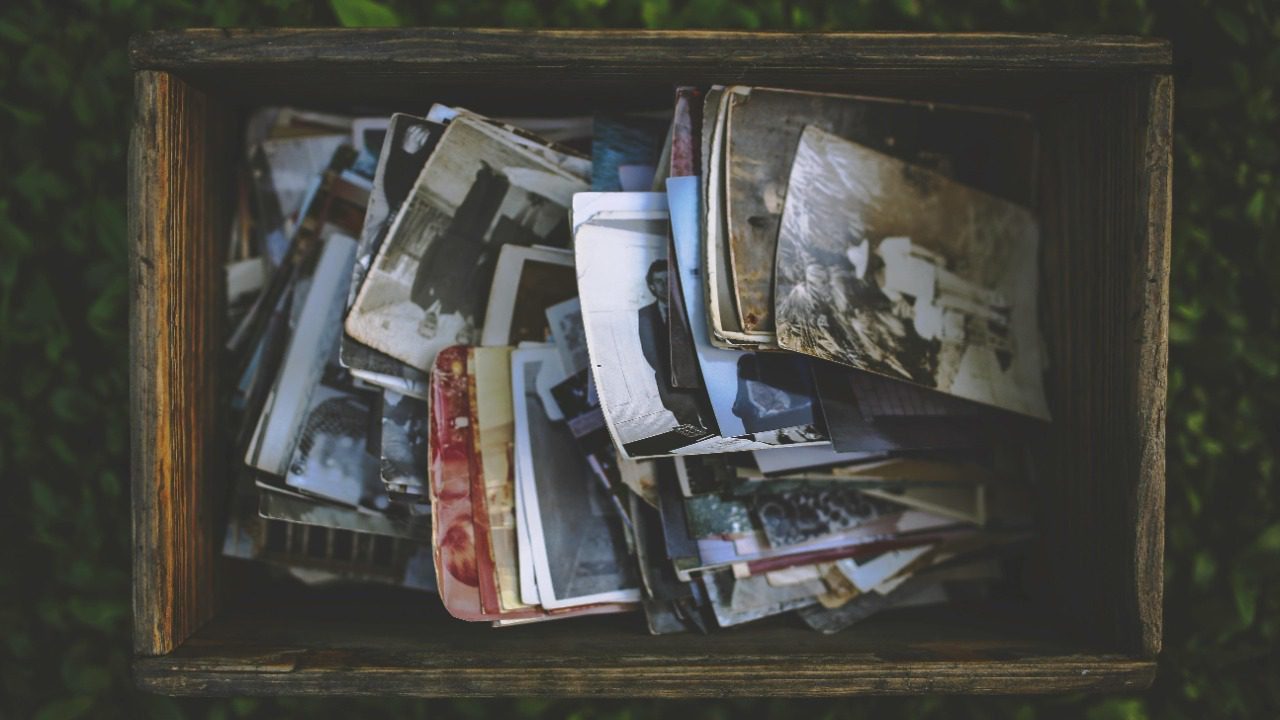
Paper clutter is a common problem in many homes. One way to combat this is to digitize your documents.
Scan important papers and store them on a secure cloud service. Not only does this save space, but it also makes your documents easier to find when you need them. Just remember to properly dispose of sensitive documents by shredding them.
10. Create a “Maybe Box”

Sometimes, it’s hard to decide whether or not to keep an item. In these cases, create a “maybe box”. Put the item in the box and set a reminder for six months from now.
If you haven’t needed or thought about the item in that time, you can probably get rid of it. This gives you the chance to see if you actually use certain items, rather than just guessing.
11. Implement the 20/20 Rule

The 20/20 rule states that if you can replace an item for less than $20 in less than 20 minutes, you should get rid of it. This rule is helpful for combatting the “just in case” mentality that often leads to clutter.
This rule isn’t meant to encourage wasteful spending, but rather to help you let go of items you’re holding onto out of fear of needing them someday.
12. Declutter in Categories
Instead of decluttering by room, try decluttering by category. This means gathering all items of a certain type (like books or clothes) and sorting through them all at once.
This method, promoted by organizing expert Marie Kondo, helps you see exactly how much of one type of item you have. It can be a eye-opening and effective way to declutter.
13. Set Clear Goals

Setting clear decluttering goals can help you stay motivated and focused. Instead of simply saying you want to declutter your home, set specific, measurable goals like “I will declutter one drawer per day” or “I will donate three boxes of items this month”.
Having clear goals gives you something to work towards and helps you measure your progress.
14. Avoid Impulse Buys

One of the biggest contributors to clutter is impulse buying. Avoiding unnecessary purchases can significantly reduce the amount of clutter in your home.
Before making a purchase, ask yourself if you really need the item, if you have a place to store it, and if you’re willing to get rid of something else to make room for it. This can help curb impulse buys and keep your home clutter-free.
15. Have a Place for Everything
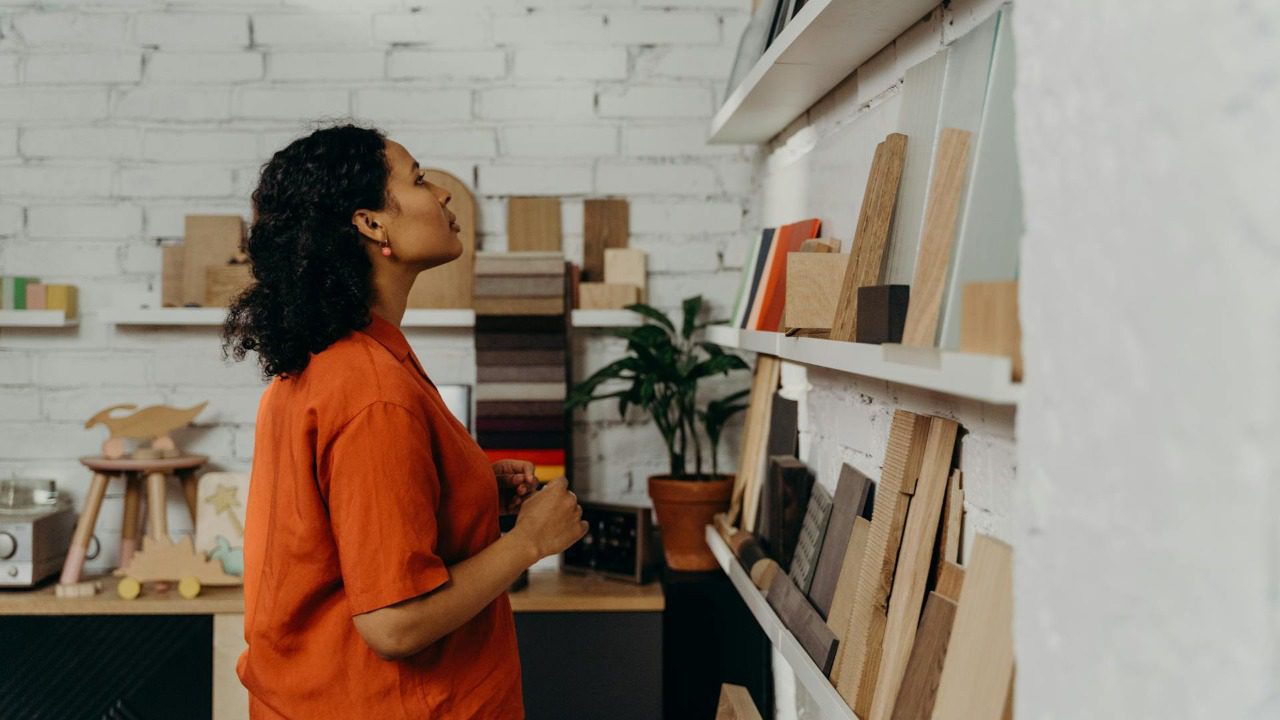
One of the keys to maintaining a clutter-free home is to have a place for everything. If an item doesn’t have a designated place, it’s likely to end up as clutter.
When you bring a new item into your home, decide right away where it will be stored. If there’s no place for it, you may need to reconsider whether you need the item at all.
16. Use the Four-Box Method

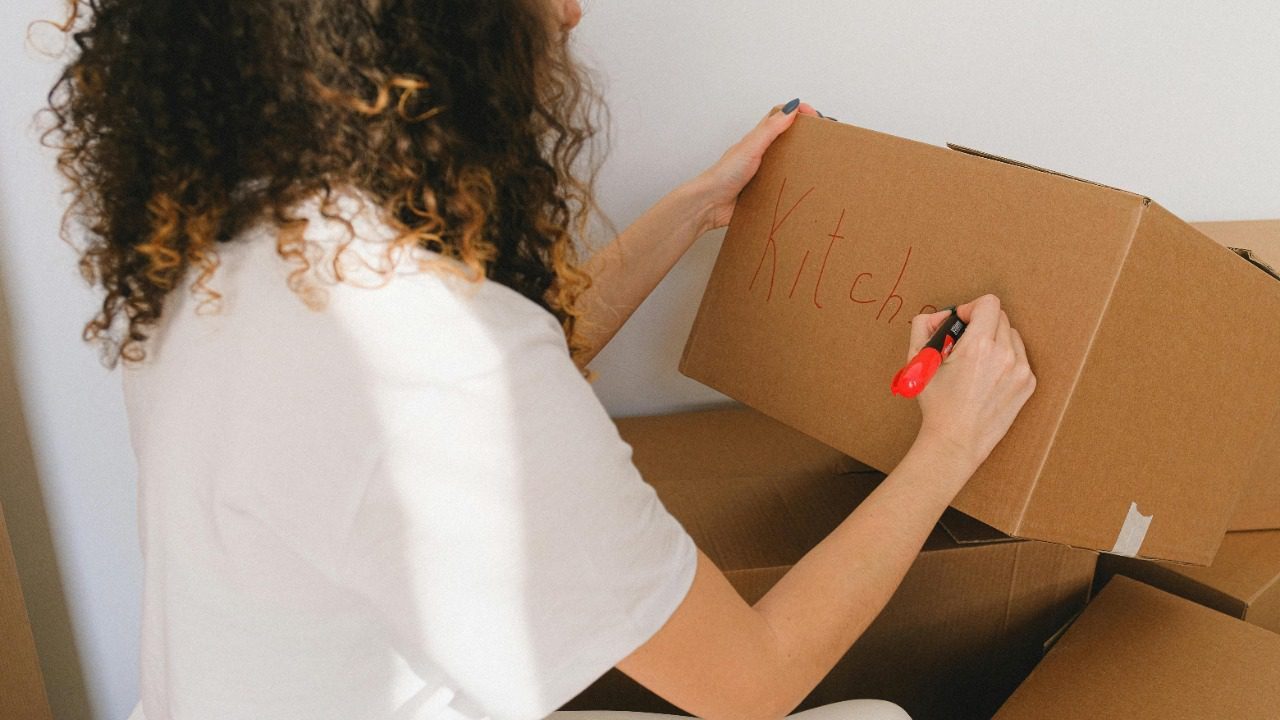
The four-box method is a popular decluttering technique. Label four boxes as “keep”, “donate”, “trash”, and “relocate”. As you sort through your items, decide which box each item should go in.
This method forces you to make a decision about each item, rather than just moving things around. It’s a straightforward and effective way to declutter.
17. Start with Easy Wins
Starting with easy wins can help you build momentum and confidence in your decluttering journey. This could mean tackling a small drawer or closet first, or getting rid of obvious trash and broken items.
Seeing immediate progress can motivate you to tackle larger, more challenging decluttering tasks.
18. Be Patient with Yourself

Finally, be patient with yourself. Decluttering is a process, and it’s okay if it takes time. Don’t beat yourself up if you don’t see immediate results.
Remember, the goal is to create a home that feels comfortable and peaceful to you. That’s more important than achieving a perfectly decluttered home overnight.
These 18 decluttering habits can help you create and maintain a clutter-free home. Remember, it’s all about progress, not perfection. Start small, stay consistent, and celebrate your wins along the way. Happy decluttering!