


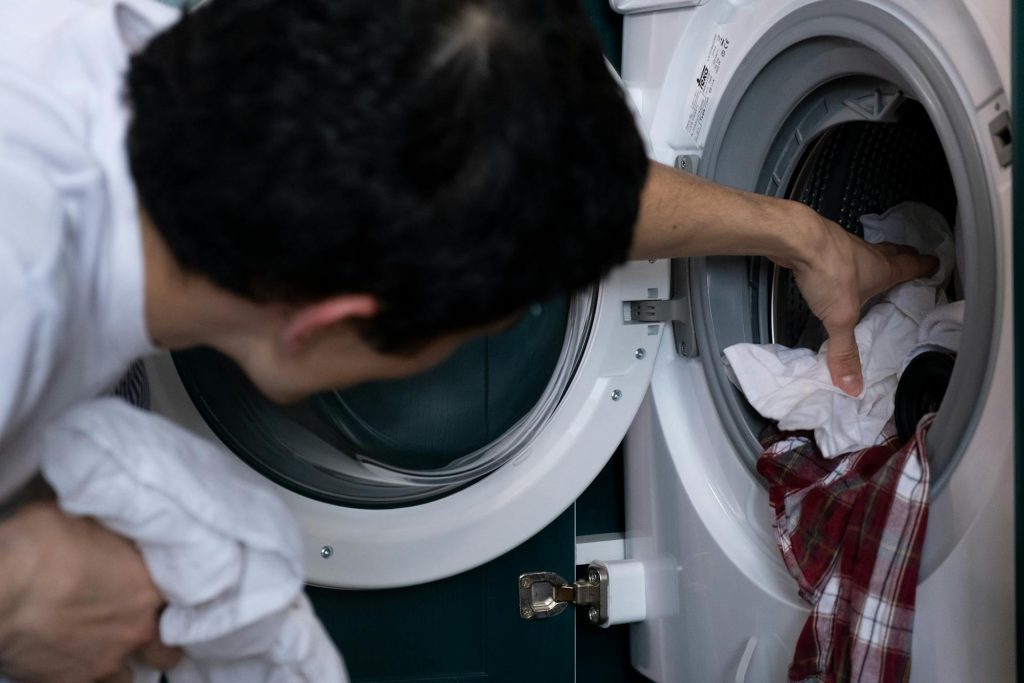
You probably wash many items in your home more often than necessary, which can wear them out faster and waste water and energy. Understanding which things actually need frequent cleaning and which don’t can help you save time and effort without compromising cleanliness.
Experts say that knowing what to wash less often can improve how you care for your belongings and make your routines more efficient. This article will guide you through 18 common items you might be washing too frequently and explain why cutting back can be better for both you and your stuff.
Jeans and denim


You don’t need to wash your jeans after every wear. Washing them too often can cause fading and wear out the fabric faster.
Try washing your jeans every 8 to 10 wears to help preserve their shape and color. When you do wash them, use cold water and avoid harsh detergents. Air-drying your jeans instead of using a dryer also helps maintain their fit and softness.
Bras

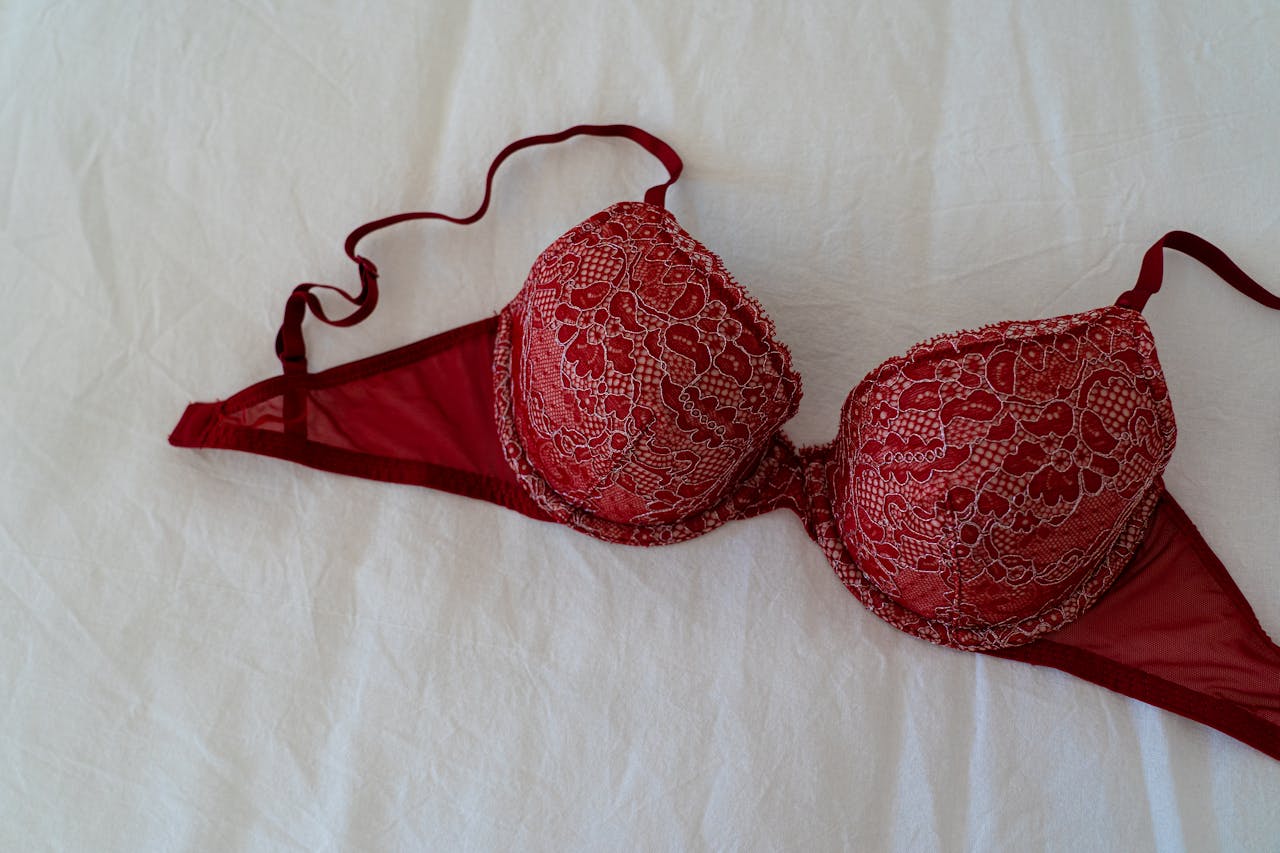
You don’t need to wash your bras after every wear. Washing them every two to four wears is usually enough, unless you sweat a lot or wear them for long periods.
Over-washing can damage the elasticity, causing bras to lose support faster. Let them air out between uses to stay fresh. Washing too often wears out the fabric and reduces the lifespan. So, save your bras and wash them only when needed.
Towels

You might think washing towels after every use is necessary, but experts say otherwise. Washing them about once a week is usually enough unless you’ve been sweating a lot or used them while sick.
Towels do harbor bacteria from your skin, but frequent washing can wear them out faster. Just make sure they’re fully dry between uses to keep them fresh longer.
Blankets and comforters


You might feel like washing your blankets and comforters every week, but they don’t need it that often. Washing them too frequently can cause the fabric to become stiff and lose softness.
A good rule of thumb is to wash them every few months or when they visibly smell or get dirty. Using a duvet cover can help keep your comforter cleaner for longer and reduce how often you wash it.
Wool sweaters

You don’t need to wash your wool sweaters after every wear. Washing them once per season or after several uses is usually enough to keep them fresh.
When you do wash them, use a gentle wool or hand wash setting. Avoid tossing them in with regular laundry to prevent shrinking or felting.
Always lay your sweater flat to dry to maintain its shape. This gentle care helps your wool last longer and stay comfortable.
Pajamas


You don’t need to wash your pajamas after every single wear. Most experts suggest wearing them for a few nights before laundering.
How often you wash depends on factors like how much you sweat, the fabric, and the room temperature.
If you sleep hot or sweat a lot, wash them more frequently. Otherwise, a few uses are fine before washing.
Outerwear jackets


You don’t need to wash your outerwear jackets as often as other clothes. These items are worn over your regular clothes and usually don’t get dirty quickly.
Washing once every few months is often enough unless you spill something or wear it daily in dirty conditions. When needed, professional cleaning helps avoid damage and keeps your jacket looking good longer.
Rugs


You might think rugs need frequent washing, but they usually don’t. Cleaning them once a year is often enough unless they get stains or odors.
If your rug is small and machine-washable, spot cleaning can help between deep cleans. Overwashing can wear down fibers faster, so it’s best to keep it minimal.
Makeup brushes

You might think cleaning your makeup brushes every day is necessary, but experts suggest otherwise. Washing them once a week is usually enough to keep them clean and safe.
Over-washing can dry out the bristles and damage your brushes. If you use different brushes for eyeshadow and powder, you can clean them on different schedules—lighter use brushes more often, heavier use less.
Keeping your brushes clean helps prevent skin irritation, but daily washing isn’t required unless you have sensitive skin or infections.
Bedding sheets

You might think washing your sheets every few days is necessary, but experts say you can stretch it to about once a week. Washing too often can wear out the fabric faster.
If you don’t sweat much or don’t have allergies, you could wait up to two weeks. Just be sure to wash pillowcases more regularly, since they collect oils and dirt from your face.
Tea towels and dishcloths

You don’t need to wash your tea towels after every use unless they’re visibly dirty. Washing them every 3 to 5 days is usually enough, especially if they stay dry.
Dishcloths, however, need more frequent washing. If you use them to clean up raw meat or fish spills, wash them right away. Otherwise, changing them every day or every couple of days helps keep bacteria at bay.
Computer keyboards

You might think you need to clean your keyboard daily, but weekly is usually enough. Wiping it down once a week helps keep germs and dirt from building up.
If more people use your keyboard, consider sanitizing it more often. Using hand sanitizer before and after typing can reduce bacteria too. Remember, regular hand washing is still the best way to keep your keyboard from becoming a germ hotspot.
Children’s toys

You don’t need to wash your child’s toys every day. Hard plastic toys can be cleaned with warm, soapy water when they look dirty.
Soft toys can trap more germs, but many are machine washable. Washing them too often might wear them out faster.
For toys with electronic parts, wipe them down with a damp cloth instead of soaking. Regular cleaning, not constant washing, is usually enough.
Bath mats


You might think washing your bath mat every day is best, but experts say once or twice a week is enough to keep it clean and bacteria-free. Washing too often can strain your washing machine, especially with heavy, soaked mats.
For plastic mats, use disinfectant cleaners. For wooden or bamboo mats, try vinegar-based or natural products. This helps protect both your mat and your appliance from damage.
Light switches


You probably touch your light switches multiple times a day, but they rarely get cleaned. Despite this, they don’t need frequent washing unless visibly dirty.
Wiping them down weekly with a damp cloth or disinfecting wipe is enough to keep germs under control. Focus on spots with fingerprints or grime instead of washing them too often.
Bathroom fixtures

You don’t need to scrub your bathroom fixtures every day. Wiping them down once a week is usually enough to keep them clean and shiny.
Over-cleaning can actually wear down finishes on taps and showerheads. Focus on spots with visible grime or buildup instead of cleaning blindly.
A quick wipe with a mild cleaner will remove most germs and soap scum. This saves time and protects your fixtures from damage.
Windows

Washing your windows too often can lead to streaks and buildup if you’re not careful. Instead, try cleaning them only when you notice dirt or smudges.
Using the right technique matters. Avoid common mistakes like using too much cleaner or wiping with dirty cloths, which can make windows look worse.
Focus on cleaning on cloudy days or when the sun isn’t shining directly, so the cleaner doesn’t dry too fast and leave marks.
Refrigerators

You might feel the urge to clean your fridge very often, but once or twice a month is usually enough. Over-cleaning can waste your time and effort without improving hygiene.
Make sure to clean spills and expired items promptly. Wiping down shelves and containers during regular cleanings helps keep things fresh without going overboard.