


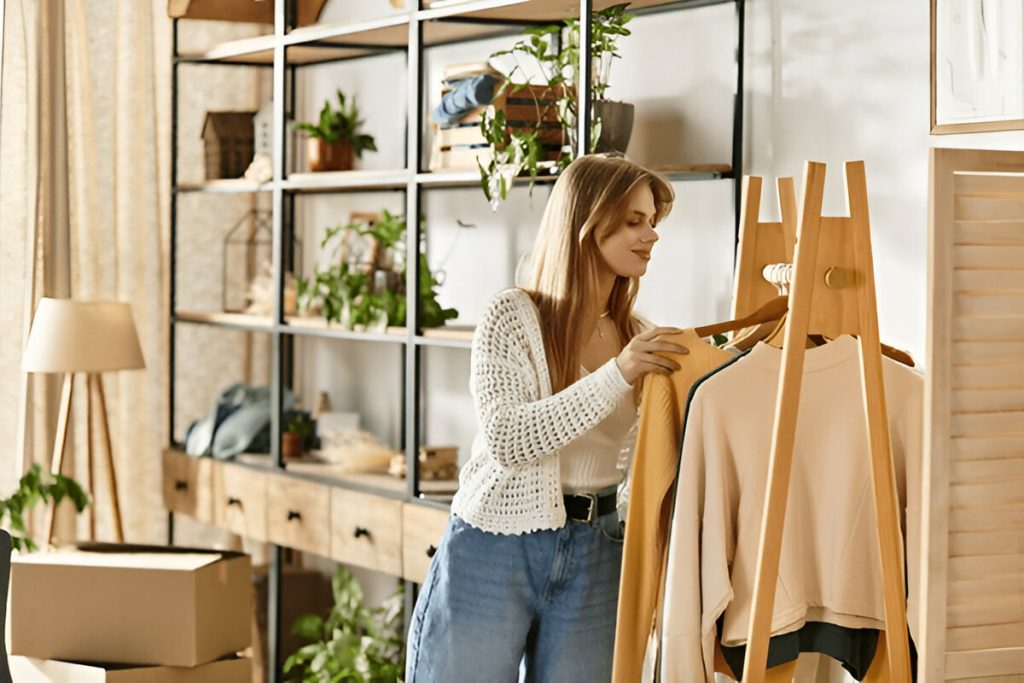
When you start decluttering, it’s easy to focus on what to get rid of. But knowing what to keep is just as important. Keeping the right things helps your space feel organized and meaningful without unnecessary clutter.
Decluttering specialists always highlight certain objects that add value, function, or emotional significance, and they recommend holding onto these items. Understanding which objects fall into this category can make your decluttering process smoother and more effective.
Important documents like birth certificates and passports

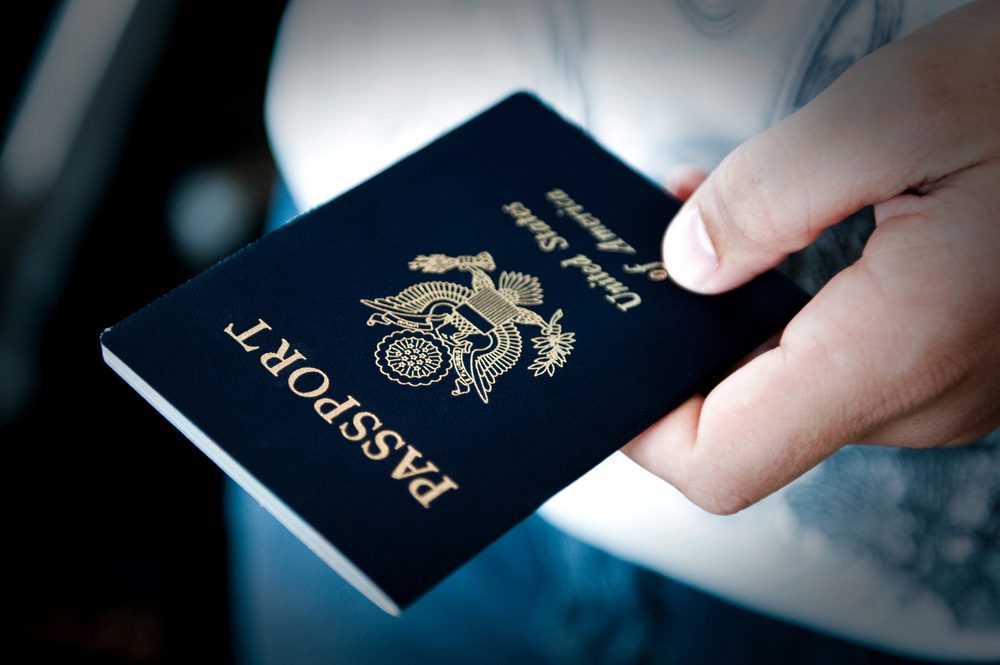
You should always keep essential documents like birth certificates and passports. These papers prove your identity and are needed for many important tasks.
Store them in a secure, easy-to-reach place. A lockable box or safe is ideal to protect them from theft or damage.
Having these documents organized can save you time and stress. Avoid cluttering your space with extra copies or outdated paperwork.
Everyday essentials such as keys and wallets


You should always keep everyday essentials like keys and wallets within easy reach. These items are crucial for your day-to-day activities and losing them can disrupt your routine.
Organize them in a specific spot, such as a tray or a small bowl by the door. This habit helps you avoid the stress of searching when you’re rushing out.
Sentimental photos that tell your life story

You should keep photos that capture important moments and memories. These pictures help you remember the people and events that shaped your life.
Focus on images that bring positive feelings or meaningful stories. Digitizing some photos can save space while preserving their value.
Remember, it’s about quality, not quantity. Choose the ones that truly reflect your personal journey.
Favorite books you often reread

You’ll want to keep books that feel like old friends—those you return to for comfort or fresh ideas. These books often offer valuable perspectives and practical tips that help you stay organized and motivated.
Favorites might include guides on decluttering or home organization that inspire ongoing change. When you reread, you revisit lessons that support your personal growth without adding clutter.
Quality kitchen tools you use regularly

You want to keep kitchen tools that serve you well every day. These might include a reliable chef’s knife, a sturdy cutting board, or a trusted set of measuring cups.
Tools that make cooking easier and comfortable are worth holding onto. If you use a particular utensil or gadget often, it’s practical to keep it within reach.
Avoid holding on to duplicates or items you rarely use. Focus on quality over quantity for a more efficient kitchen space.
Reliable chargers and cables for devices

You should keep chargers and cables that fit your devices well and work reliably. Having a few good-quality cables prevents the frustration of searching for ones that don’t charge properly.
It’s okay to get rid of duplicates or outdated cables that no longer match your devices. Organizing cables with clips or a charging station can help keep your space tidy and make charging easier.
Medicines and first aid supplies

You should keep essential medications that you use regularly, like allergy pills or pain relievers. Make sure they are not expired to stay safe.
Hold on to basic first aid items such as bandages, antiseptic wipes, and antibiotic ointments. These can be helpful for minor cuts and scrapes.
Avoid keeping duplicates or products you no longer use. Organize what you keep in a clear container or an easy-to-reach spot. This helps you find what you need quickly.
Items with ongoing warranties or guarantees


You should keep items that still have active warranties or guarantees. These protect your purchase and can save you money if repairs or replacements are needed.
Check the warranty period before deciding to let something go. It’s easier to keep track of these items if you store the paperwork or receipts together.
Holding onto these items makes sense because their value isn’t just in the item itself but also in the coverage you still have.
Seasonal clothing you actually wear

Focus on keeping seasonal clothes you wear regularly. If you haven’t worn an item during the current season, it likely doesn’t need to stay in your main wardrobe.
Rotate out pieces that no longer fit your style or schedule. This helps keep your closet manageable and your options clear.
Consider how often you wear each item. Hold onto versatile pieces that you reach for often and easily mix with other clothing.
Organizers like drawer dividers for easy access


Drawer dividers help keep your items separated and easy to find. They prevent clutter by giving everything a specific spot.
Using dividers means you spend less time searching and more time enjoying an organized space.
They work well for utensils, office supplies, or even makeup. You’ll appreciate the neat look and quick access every day.
Sentimental jewelry given by loved ones


You don’t have to keep every piece, but jewelry from loved ones often holds deep meaning. These items connect you to special memories and people.
If some pieces feel overwhelming, consider keeping just a few that truly represent important moments or relationships.
Storing them carefully in a box or jewelry case helps you cherish the memories without cluttering your space.
Frequently used tech gadgets like headphones

You’ll want to keep tech gadgets that you use regularly, like headphones, because they make your daily routines easier. If they’re comfortable and still work well, they deserve a spot in your space.
Try to store them neatly to avoid tangled cords or lost parts. Using organizers or charging docks can help keep everything in order. This saves you time and frustration later.
Items needed for hobbies or passions


You should keep items that support your hobbies or creative passions. These objects help you relax and give meaning to your free time.
Hold onto essential tools and materials you use regularly. Even if you don’t use them every day, they contribute to your personal growth.
Avoid holding onto supplies for activities you no longer enjoy. Focus on what truly inspires you today.
Essential appliances that save time

You’ll want to keep small appliances that simplify daily tasks. Items like a microwave, toaster oven, or kettle make quick meals and drinks easier without creating extra mess.
A blender or kitchen mixer can save time when preparing recipes, cutting down on manual effort.
Keep appliances you use regularly on the counter but organize their spots well to avoid clutter. This makes your kitchen more efficient and pleasant to work in.
Meaningful gifts you cherish

You should keep gifts that hold personal meaning, especially those given by loved ones. These items often carry memories that connect you to special moments and people.
Even if the gift no longer fits your style, its emotional value can make it worth holding on to. It’s okay to keep a few meaningful pieces that remind you of kindness and care.
Basic tools for small repairs

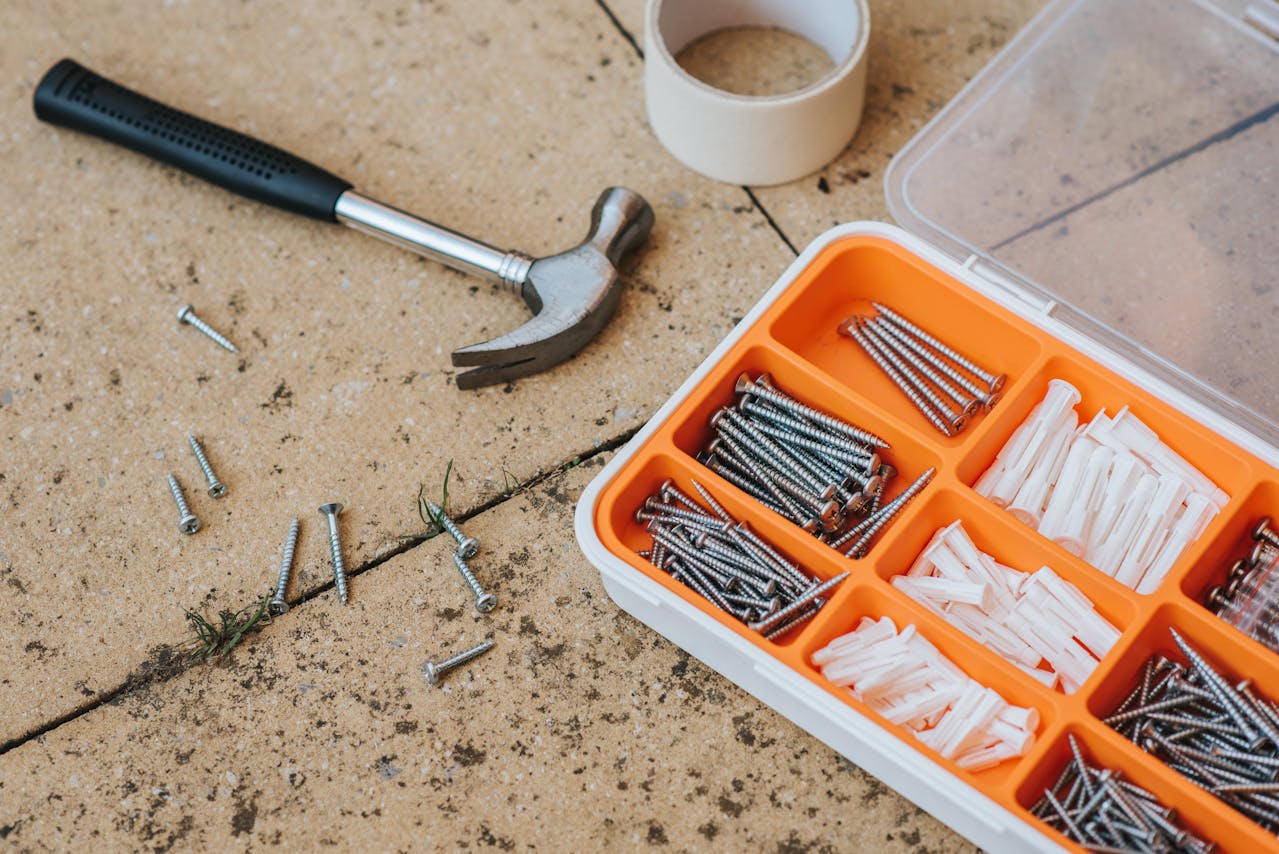
You’ll want to keep a few essential tools handy for quick fixes around your home. A hammer, tape measure, and screwdrivers cover most small repair needs.
Pliers and a socket wrench set also come in handy for tightening or loosening bolts.
Having these tools within reach saves time and prevents minor issues from becoming bigger problems. They’re simple but useful items to hold onto.
Comfort items such as a favorite blanket or pillow
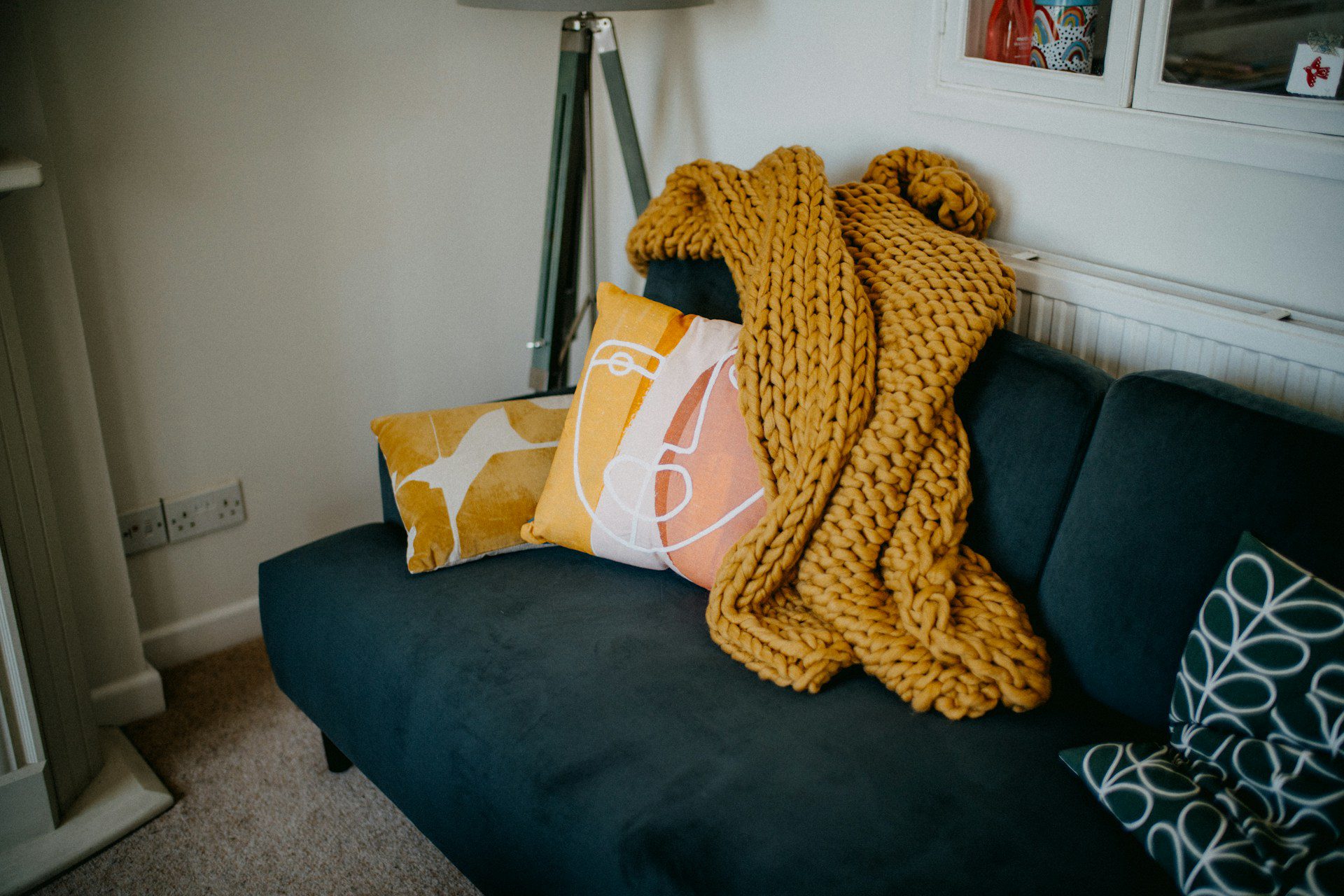
You should keep comfort items like a favorite blanket or pillow because they provide emotional support. These objects can help you feel safe and calm, especially during stressful times.
It’s okay to limit their use to specific moments, like nap time or when you need extra comfort. These items can be a small but valuable part of your daily routine.
Important tax records and financial papers

You should keep your tax returns for at least seven years. This is important in case of an audit or if you need to reference past income.
Financial papers like bank statements, investment records, and receipts for major purchases are also worth holding on to. Organize these by year to find them quickly when needed.
Keep documents related to property, loans, and insurance policies. They can be crucial for legal or financial matters down the road.