

Organization is key for moms who juggle work, home chores, kids, and their own personal time. But sometimes, the methods we adopt and the beliefs we hold about organization may not be as helpful as we think. The internet is swarming with organization myths that can make one feel overwhelmed or inadequate.
Hence, it’s crucial to debunk these myths and embrace realistic, achievable organization strategies. Here, we dispel 18 organization myths that moms often believe.
1. Everything Must be Perfect

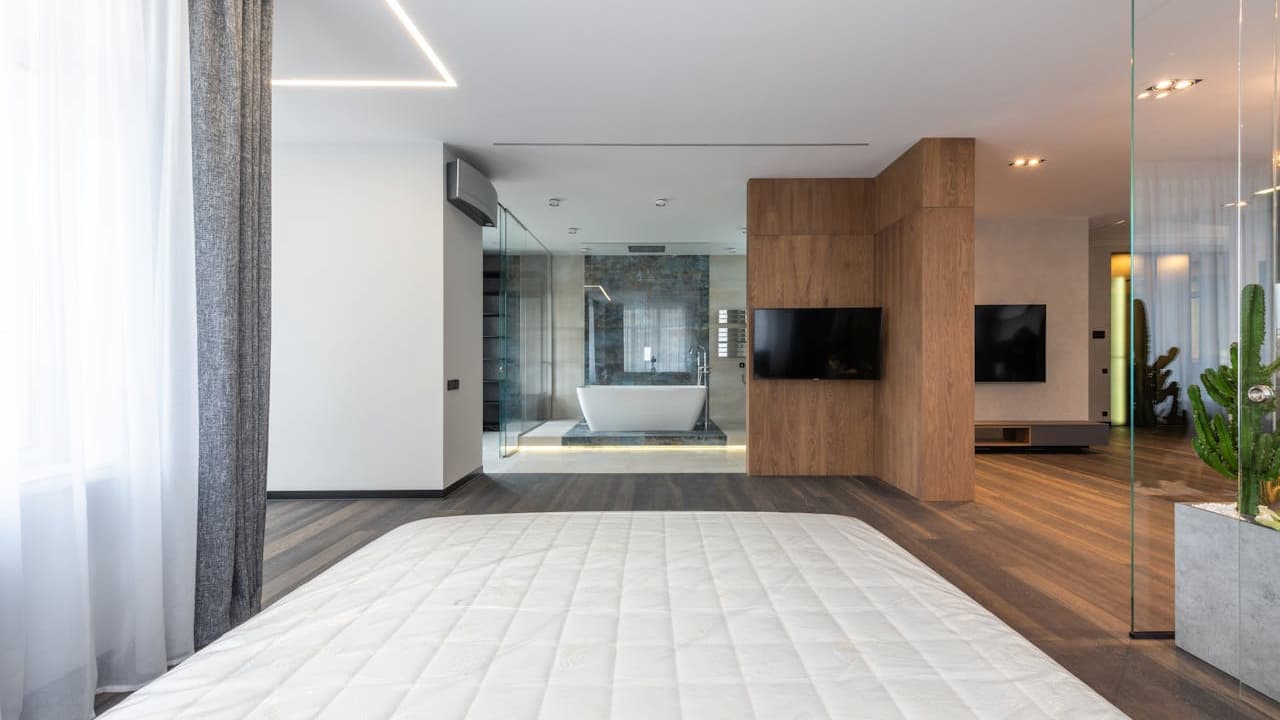
The belief that everything must be perfect is a common myth that can lead to unnecessary stress and unrealistic expectations. Life, especially with children, is unpredictable and messy.
Striving for perfection in organization often results in disappointment and guilt when things inevitably don’t go as planned. Instead, aim for ‘good enough’ which is more practical and less stressful. Remember, the goal is to simplify life and reduce chaos, not to create a picture-perfect home that belongs in a magazine.
2. You Need Expensive Organizers


Many believe that organization requires expensive bins, baskets, and drawer dividers. Actually, the key to good organization lies in decluttering and finding a designated place for everything.
Before rushing to buy expensive organizers, first, sort out your items and only keep things that are necessary and bring joy. Then, use what you already have at home for organization – shoe boxes, mason jars, or empty tins can all serve as inexpensive, effective organizers.
3. Organizing is a One-Time Task

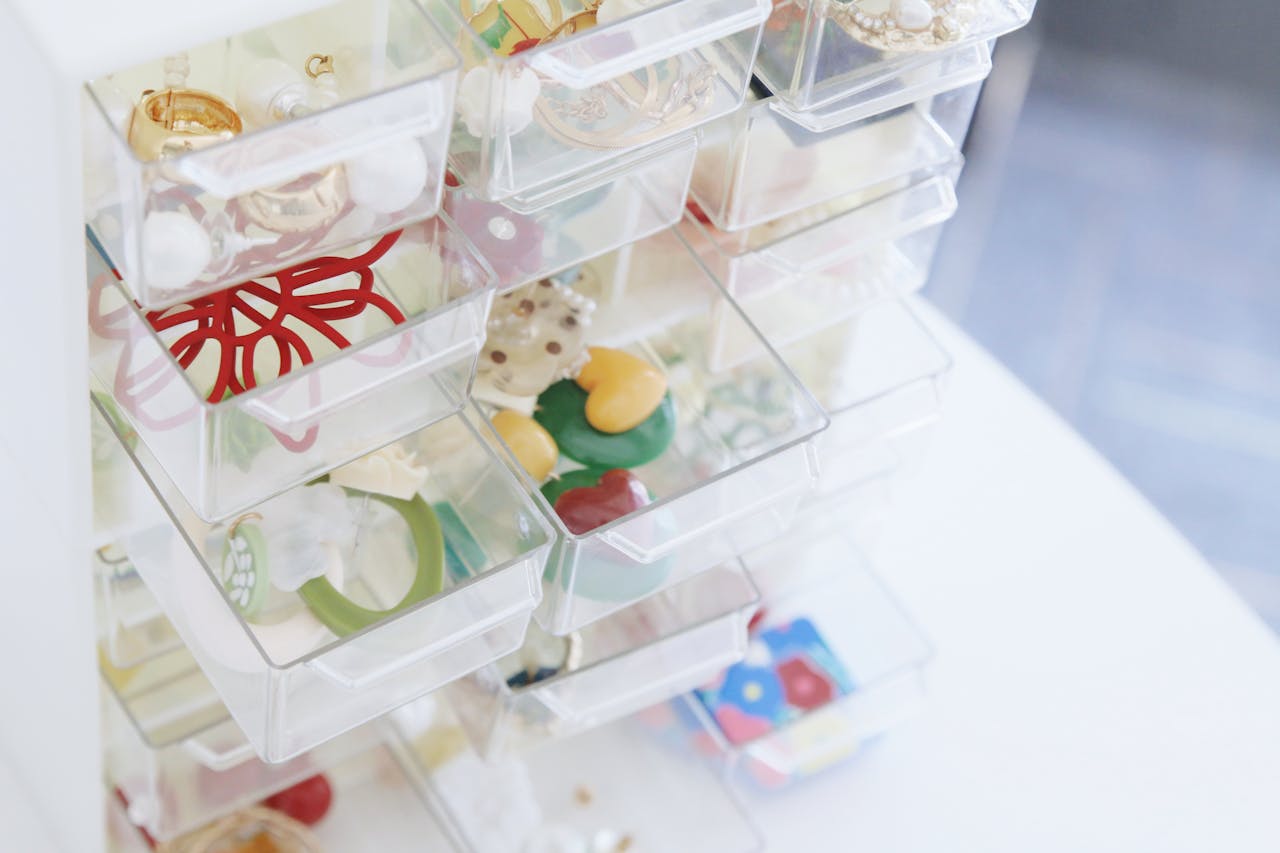
Some moms believe that once they organize a space, it will stay that way forever. This is a myth. Organization is a continuous process that requires regular maintenance.
For example, after organizing your child’s toys, you’ll need to reassess the situation every few months as they outgrow some toys and acquire new ones. A system that worked six months ago might not work today. So, be flexible and ready to adjust your organization strategies as needed.
4. More Storage Space Solves Clutter Problems


It’s easy to believe that more storage space would solve all clutter problems. However, the issue often isn’t lack of space but excess stuff.
Before investing in more storage solutions, declutter first. Get rid of items that you no longer need or use. You’ll be surprised at how much space you can free up without adding a single new storage unit.
5. You Can Organize Everything in One Day


The idea of organizing everything in one day is a myth often propagated by reality TV shows. The truth is, organization takes time and patience.
Instead of trying to tackle everything at once, break down the task into manageable chunks. Start with one drawer or one room, and gradually work your way through the rest of the house. This approach reduces overwhelm and makes the task more achievable.
6. Organizing is a Solo Job

While it’s true that you might have a better idea of where everything should go, organization shouldn’t be a solo job. Involving your family, especially your kids, can make the process more manageable and fun.
Teach your children to put away their toys after playing or their clothes after laundry. Not only does this lessen your workload, but it also instills in them a sense of responsibility and basic organization skills from a young age.
7. Everything Needs a Label
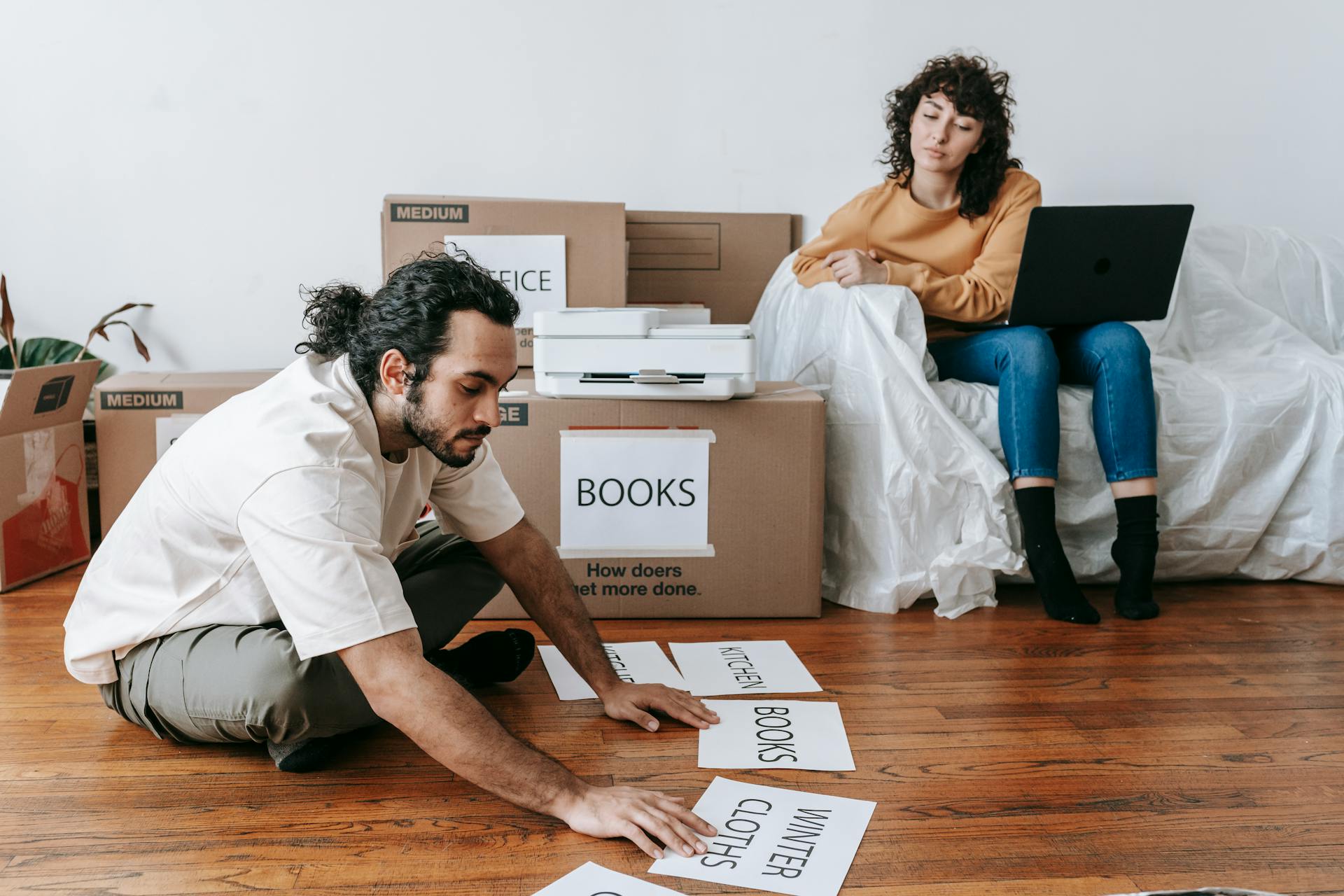
While labels can be helpful in certain situations, not everything needs a label. Sometimes, the process of labeling can become a chore in itself, defeating the purpose of simplifying life through organization.
Use labels selectively, for items or boxes that aren’t immediately recognizable or for shared spaces where multiple family members need to find items. For other areas, simple grouping of like items together can be just as effective.
8. You Need to Follow Popular Organization Trends

From Marie Kondo’s method to the Home Edit’s rainbow organization, there are countless organization trends out there. However, what works for one may not work for another.
Experiment with different methods and adopt the one that suits your lifestyle and preferences the best. Remember, the goal is to create a system that makes life easier for you and your family, not to replicate a trend perfectly.
9. An Organized Home Looks the Same Everyday

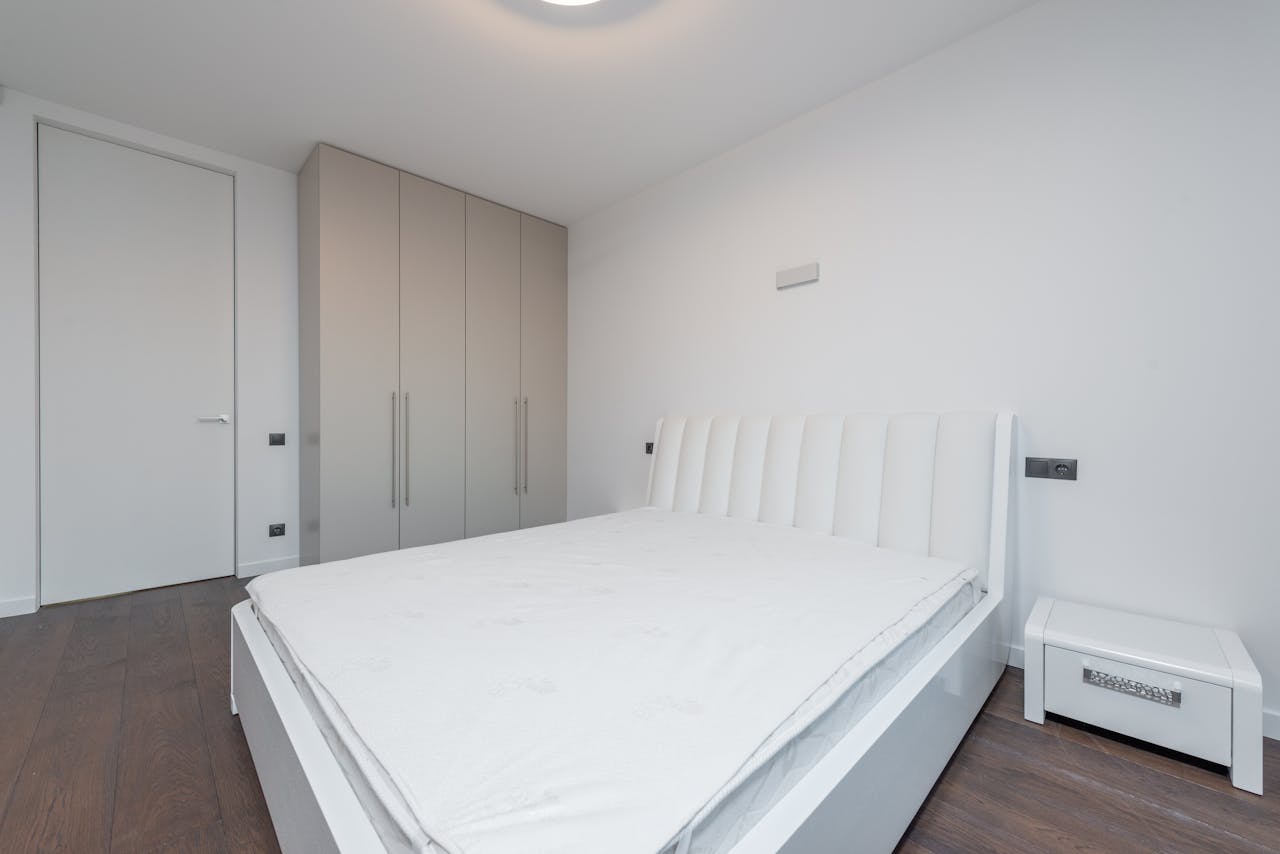
An organized home doesn’t mean it looks perfectly tidy all the time. Life happens, kids play, meals are prepared, and that’s okay.
What organization does is to create a system where you can easily tidy up after these activities. It’s about knowing where things belong so that they can be put back, not about maintaining a showcase home 24/7.
10. Throwing Things in a Drawer is Bad

The ‘junk drawer’ often gets a bad rap in organization talks. However, it’s perfectly okay to have a space where you can quickly stash items that don’t have a designated place or are used irregularly.
The important thing is to regularly clear out this drawer and keep it from becoming a permanent dumping ground. A ‘junk drawer’ can actually be a practical part of an organized home when used correctly.
11. You Should Always Fold Clothes

While neatly folded clothes can save space and make your closets look organized, not all clothing items need to be or should be folded. Some clothes, like delicate knits and dresses, are better off hung to maintain their shape.
So, don’t stress about folding everything. Do what makes sense for the type of clothing and the storage space you have.
12. You Have to Be Born Organized
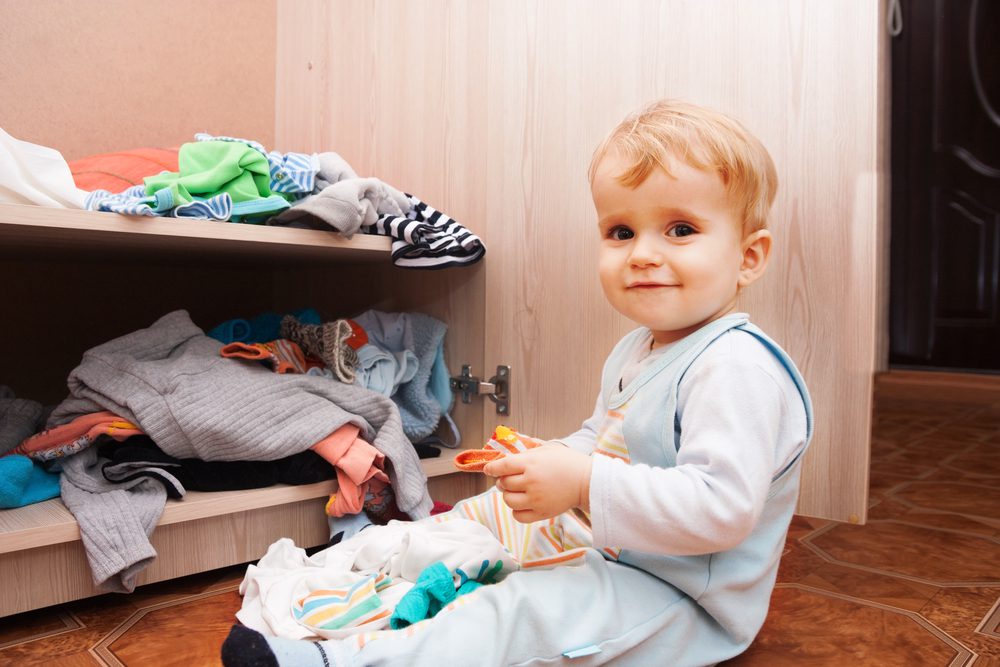
Some people may seem naturally organized, but organization is a skill that anyone can learn and improve upon. It’s about developing habits, like putting things back after use or decluttering regularly, that over time lead to a more organized home.
Don’t get disheartened if organization doesn’t come naturally to you. With practice and patience, you can become just as organized as anyone else.
13. Clutter is Always Bad

While excessive clutter can be overwhelming and stressful, a certain level of ‘clutter’ can make a home feel lived-in and cozy. For example, a bookshelf filled with books and mementos or a coffee table with a stack of magazines and a mug can add warmth and personality to your home.
The key is to strike a balance – keep what brings you joy and get rid of excess items that just take up space and create mess.
14. Only Big Items Need to be Organized

While it’s easy to focus on organizing big items like furniture or appliances, small items like stationery, accessories, or cables can create just as much, if not more, clutter.
Small items can easily get lost or create a mess if not properly organized. Use drawer dividers, small boxes, or ziplock bags to keep small items grouped and easy to find.
15. Paperwork Must be Kept Forever


Many moms believe they need to keep all paperwork indefinitely. However, not all documents need to be kept, and some can be digitized to save space.
For example, utility bills can be discarded after a year, and bank statements can be accessed online whenever needed. Review your paperwork regularly and only keep what’s necessary, like birth certificates, passports, and important contracts.
16. Kids Can’t Stay Organized


While kids might not understand complex organization systems, they can certainly learn basic organization skills. Make it easy for them by storing toys and books at their height and using simple, open bins where they can easily put away their things.
Make organization a fun and rewarding task for kids. For example, turn clean-up time into a game or reward them for maintaining their space tidy. This not only keeps your home organized but also instills good habits in your children.
17. If It’s Out of Sight, It’s Organized
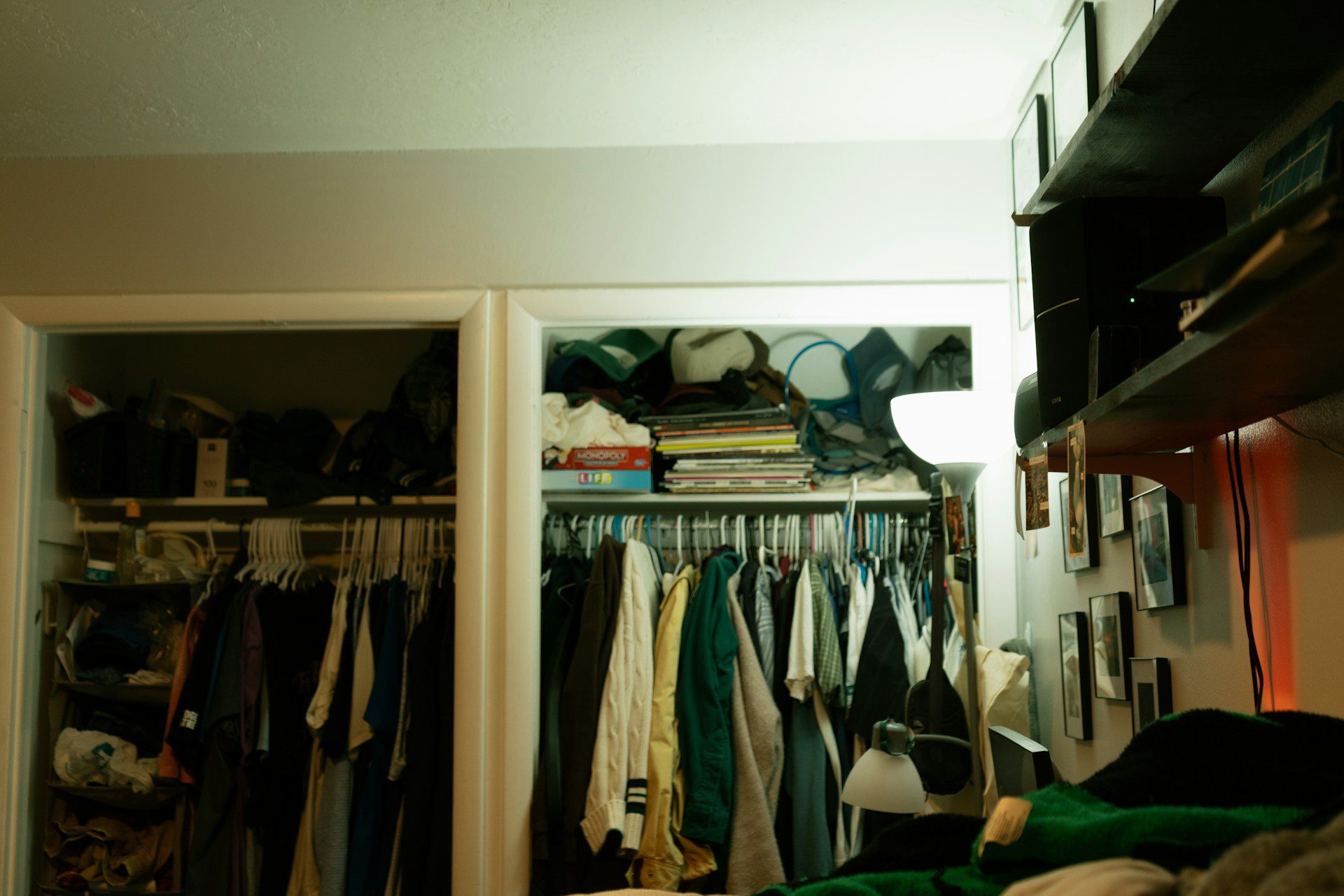
Simply shoving things in a closet or under the bed does not mean they are organized. Out of sight often means out of mind, leading to forgotten items and eventually more clutter.
Aim for organized storage where you can easily find and access what you need. Use clear bins or labels and avoid piling items too deep or too high.
18. Every Inch of Space Must Be Used

While it’s important to make good use of space, this doesn’t mean every inch must be filled. Leaving some empty space allows for easier access, reduces cluttered look and leaves room for new items.
Instead of filling every shelf or drawer to the brim, aim for around 80% full. This keeps your space organized and still leaves some breathing room.