

We’ve all been there: standing in front of a mountain of clutter, desperate to find a way to get organized without investing hours of precious time. In such moments, it’s tempting to resort to quick-fix organization shortcuts that promise to streamline the process.
But beware – not all shortcuts are as effective as they seem. In fact, some can leave you with even more mess and stress. In this post, we’ll explore 18 organization shortcuts that often fail, so you can avoid these common pitfalls and achieve a truly organized space.
1. Buying Organizing Products Before Sorting


It might feel productive to rush out and buy a bunch of fancy organizing tools before you’ve even started sorting through your stuff. But this shortcut often leads to wasted money and unnecessary clutter.
Before investing in any organizing products, first take the time to sort through your items and decide what you want to keep. Only then can you determine what kind of storage tools you’ll actually need. For example, you might find you have fewer books than you thought, and don’t need that extra bookshelf after all. Or, you might discover you’ve been hoarding scarves, and a scarf hanger would be a smart purchase.
2. Labeling Everything

While labels can be helpful, over-labeling is a common organization shortcut that can actually add to your clutter. Labels should be used sparingly and strategically to help you locate items quickly.
Instead of labeling everything, consider using a color-coding system or grouping similar items together. This can help you find things just as quickly without creating visual clutter. Remember to keep it simple, though. A complex labeling or color-coding system can be just as confusing as none at all.
3. Using Too Many Storage Bins

Storage bins can be great for keeping things neat and tidy, but using too many can actually make things messier. When you have too many bins, it’s easy to lose track of what’s in each one, and you end up with a bunch of cluttered bins instead of a cluttered room.
Instead of using lots of bins, try to reduce the amount of stuff you have first. Then, use a few large bins to store similar items together. This way, you can easily see what’s in each bin and find what you need quickly.
4. Attempting to Organize in One Day

While it might be tempting to try and get all your organization done in one day, this is often unrealistic and can lead to burnout. Organizing takes time and effort, and trying to rush the process can lead to sloppy work and missed opportunities for improvement.
Instead of attempting this marathon task, break your organization project into smaller, manageable tasks. You might decide to tackle one room or even just one drawer at a time. This way, you can give each task your full attention and do a thorough job.
5. Using a One-Size-Fits-All Approach

It’s easy to fall into the trap of thinking that what works for one person will work for everyone. But when it comes to organization, a one-size-fits-all approach rarely works.
The best organization systems are customized to fit your specific needs and habits. For example, if you’re a visual person, you might benefit from clear storage containers that let you see what’s inside. If you tend to forget about things that are out of sight, open shelving might be a better fit.
6. Expecting Perfection

Many people think that organization means having a perfectly neat and tidy space at all times. But this expectation can be unrealistic and set you up for failure.
Remember, organization is not about perfection, it’s about functionality. Your space doesn’t have to look like a magazine spread to be organized. It just needs to work for you. So don’t stress about achieving a picture-perfect space. Instead, focus on creating a system that makes your life easier.
7. Not Making a Plan
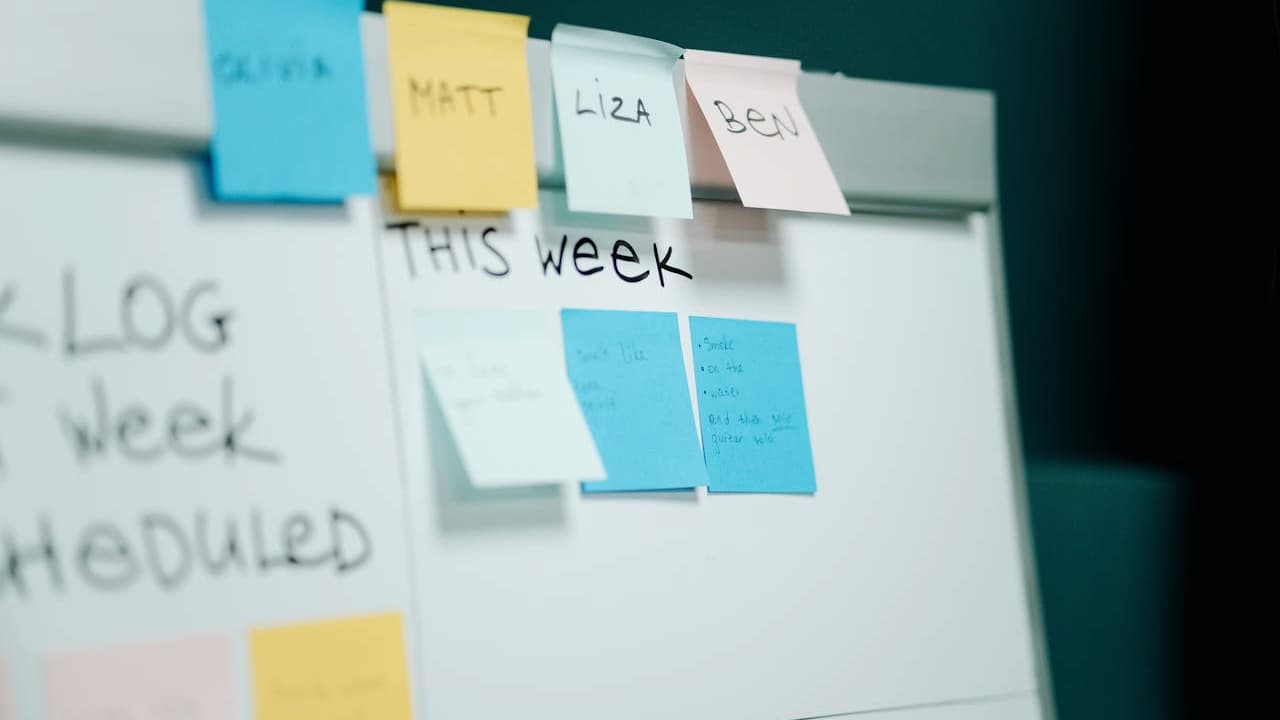
Jumping in without a plan is a common mistake that can lead to chaos and wasted effort. Without a clear plan, you might find yourself moving items around aimlessly, without really improving your organization.
Before you start, take some time to make a plan. Decide which areas you’ll tackle first, what kind of storage solutions you’ll use, and how you’ll maintain your organization system. Having a plan will give you a clear path to follow and make the process much smoother.
8. Not Leaving Room to Grow


When organizing, it’s important to leave some room for new items. If every shelf, drawer, and bin is packed to the brim, you’ll have no space for anything new, and your space will quickly become cluttered again.
To avoid this, aim to fill your storage spaces only about 80% full. This will leave you some wiggle room for new items, and also make it easier to find and retrieve things.
9. Not Setting Boundaries


Without clear boundaries, items can easily creep into spaces where they don’t belong, causing clutter and confusion. By setting boundaries and assigning a specific place for each item, you can keep your space organized and make it easier to find things.
For example, you might designate a specific shelf for books, a drawer for office supplies, and a bin for toys. This way, everyone knows where things go, and items are less likely to end up in the wrong place.
10. Organizing Items You Don’t Use or Need


Sometimes, in the process of organizing, we spend time and energy sorting and storing items that we don’t actually use or need. This can lead to wasted space and unnecessary clutter.
Before you start organizing, take some time to declutter and get rid of items that you no longer use or need. This will free up space for the things that you actually use and love, making your space more functional and enjoyable.
11. Not Keeping Maintenance in Mind

An organization system is only as good as its upkeep. If maintaining your system is too complicated or time-consuming, it’s unlikely to stick.
When setting up your organization system, keep maintenance in mind. Choose solutions that are easy to maintain and fit into your daily routine. For example, if you hate folding clothes, a system that requires everything to be neatly folded might not be the best fit.
12. Not Adapting as Needed

Sometimes, even after careful planning and organizing, things don’t go as expected. Maybe a system that seemed perfect in theory doesn’t work as well in practice, or maybe your needs change over time.
When this happens, it’s important to adapt and adjust your organization system as needed. Don’t be afraid to make changes or try something new if something isn’t working. After all, the goal of organization is to make your life easier, not harder.
13. Ignoring Small Spaces

It’s easy to overlook small spaces like drawers and cabinets when organizing. But these spaces can quickly become cluttered and chaotic if not managed properly.
Don’t ignore small spaces in your organization efforts. Use drawer organizers, shelf dividers, and other tools to keep these spaces neat and functional. Remember, every square inch of your space counts.
14. Not Asking for Help


Organizing can be a big job, and it can be overwhelming to tackle it alone. But many people hesitate to ask for help, either because they’re embarrassed about their clutter or because they think they should be able to handle it on their own.
Don’t be afraid to ask for help with your organization project.
Whether it’s a friend, family member, or professional organizer, having someone else’s perspective can be invaluable. Plus, it can make the process more fun and less stressful.
15. Not Considering the Future

When organizing, it’s easy to get caught up in the present and forget about the future. But if your organization system doesn’t account for future changes or growth, it’s likely to fail.
When setting up your system, consider your future needs as well as your current ones. For example, if you’re planning to start a new hobby, make sure you have space to store any necessary supplies. Or, if you’re expecting a new addition to your family, make sure your system can accommodate the extra stuff that comes with it.
16. Overcomplicating the Process


Sometimes, in an effort to get organized, we overcomplicate the process with complex systems and fancy tools. But this can often lead to more confusion and chaos.
Remember, the goal of organization is to simplify your life, not complicate it. So keep it simple. Use straightforward, easy-to-understand systems and tools. And remember, the best organization system is the one that you’ll actually use.
17. Not Valuing Your Time


Many people spend hours organizing, only to have their space become cluttered again a few weeks later. This can be a frustrating waste of time and effort.
To avoid this, remember to value your time. Make sure the time you spend organizing leads to lasting results. This might mean investing in better storage solutions, taking the time to declutter properly, or learning new organization habits.
18. Not Celebrating Progress

Finally, don’t forget to celebrate your progress. Organizing can be a big job, and it’s important to acknowledge your efforts and successes along the way.
Whether you’ve finished organizing one drawer or a whole room, take a moment to appreciate your hard work. Celebrating your progress can motivate you to keep going and make the whole process more enjoyable. Plus, it’s a great way to appreciate your newly organized space.