

1. Procrastination


Procrastination is one of the biggest contributors to a messy environment. We often find ourselves saying, “I’ll do it later,” only to find that ‘later’ never comes. The pile of laundry, the unsorted mail, or the loaded dishwasher become mountains that seem impossible to conquer.
This can be overcome by setting time-bound goals for yourself and sticking to them. For instance, decide to spend 15 minutes every day tidying up your space. You’ll be surprised at how much you can accomplish in such a short span of time. Remember, the key is to be consistent.
2. Lack of Storage Space


A lack of adequate storage space can quickly lead to clutter. Without a designated place for items, they end up being left out in the open, creating a mess. This is especially true in smaller living spaces, where optimizing storage is crucial.
Consider investing in multi-purpose furniture that also provides storage, like a bed with drawers underneath or a coffee table with shelves. Utilize vertical space with shelves and hooks. You could also use organizing tools like storage bins, baskets, and drawer dividers to keep your belongings contained and easy to find.
3. Not Putting Things Back

It’s easy to get something out, but often more challenging to put it back in its place. This habit leads to clutter accumulating over time. Whether it’s a book, a piece of clothing, or a kitchen utensil, everything should have a designated place and be returned there once it’s no longer in use.
Start by making a conscious effort to put things back as soon as you’re done using them. It may seem like extra work initially, but it’ll save you a lot of time and effort in the long run. Plus, you’ll always know where to find what you need.
4. Buying Too Much

Impulse buying or simply purchasing more than we need can lead to an unmanageable mess. Overflowing closets and packed storage areas are often the result of too many unnecessary purchases.
Before buying anything, ask yourself if you really need it and if you have a place to store it. Consider adopting a minimalist approach, where you only keep items that serve a purpose or bring you joy.
5. Holding onto Items ‘Just in Case’
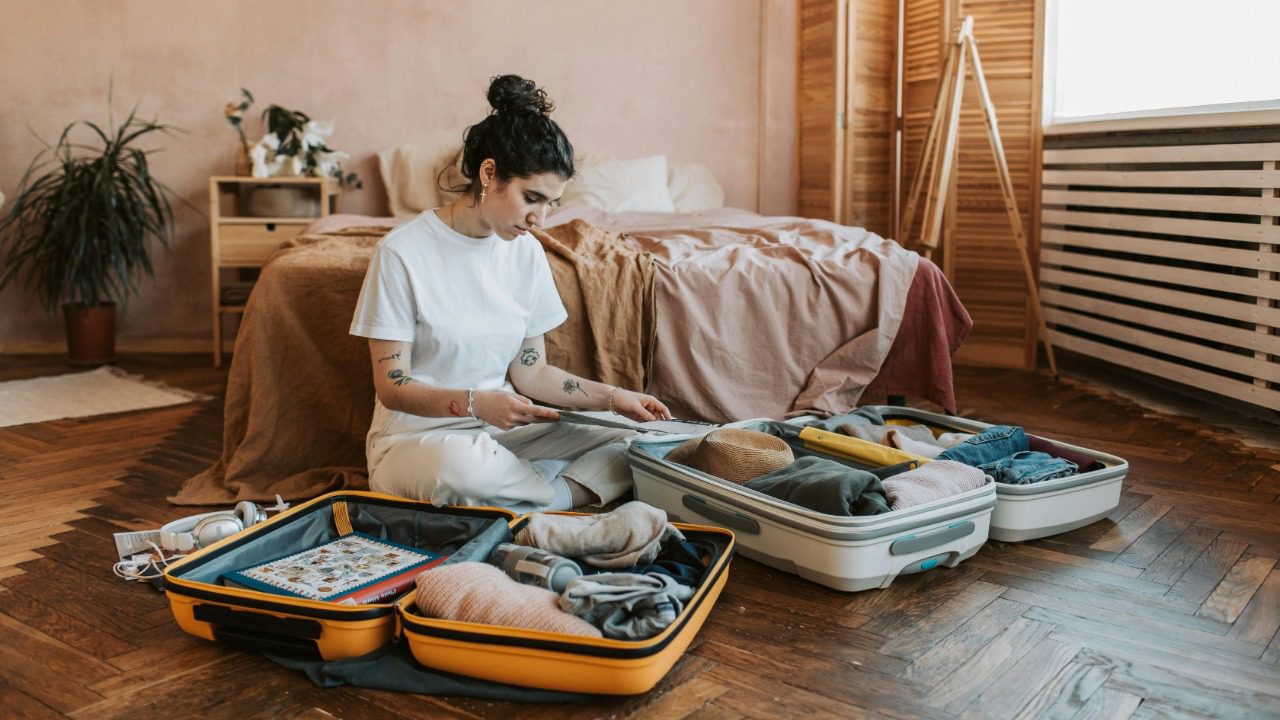
We all have items we hold onto ‘just in case’ we need them someday. These items take up space and contribute to clutter.
A good rule of thumb is if you haven’t used something in a year, you probably don’t need it. You can donate these items, sell them, or recycle them, freeing up space and reducing your mess.
6. Inefficient Layout


An inefficient layout can make a space seem more cluttered than it actually is. If furniture and items aren’t arranged in a user-friendly way, the space can quickly become messy and difficult to navigate.
Take some time to assess your space and think about how you use it. Arrange furniture and items in a way that flows naturally and makes sense for your daily routines.
7. Not Regularly Cleaning


Regular cleaning can keep a space tidy and manageable. If cleaning tasks are put off, dirt and clutter can quickly build up, making the mess seem overwhelming.
Set a regular cleaning schedule and stick to it. This doesn’t mean you have to do a deep clean every time – even quick tidying up sessions can make a big difference.
8. Unorganized Digital Space


Just like physical spaces, our digital spaces can become cluttered and unmanageable too. Overflowing inboxes, disorganized files, and countless browser tabs can make your online life a mess.
Spend some time each week organizing your digital space. Delete unnecessary files, organize your emails, and close unused tabs. This will make your digital life more manageable and less stressful.
9. Too Many Decorative Items
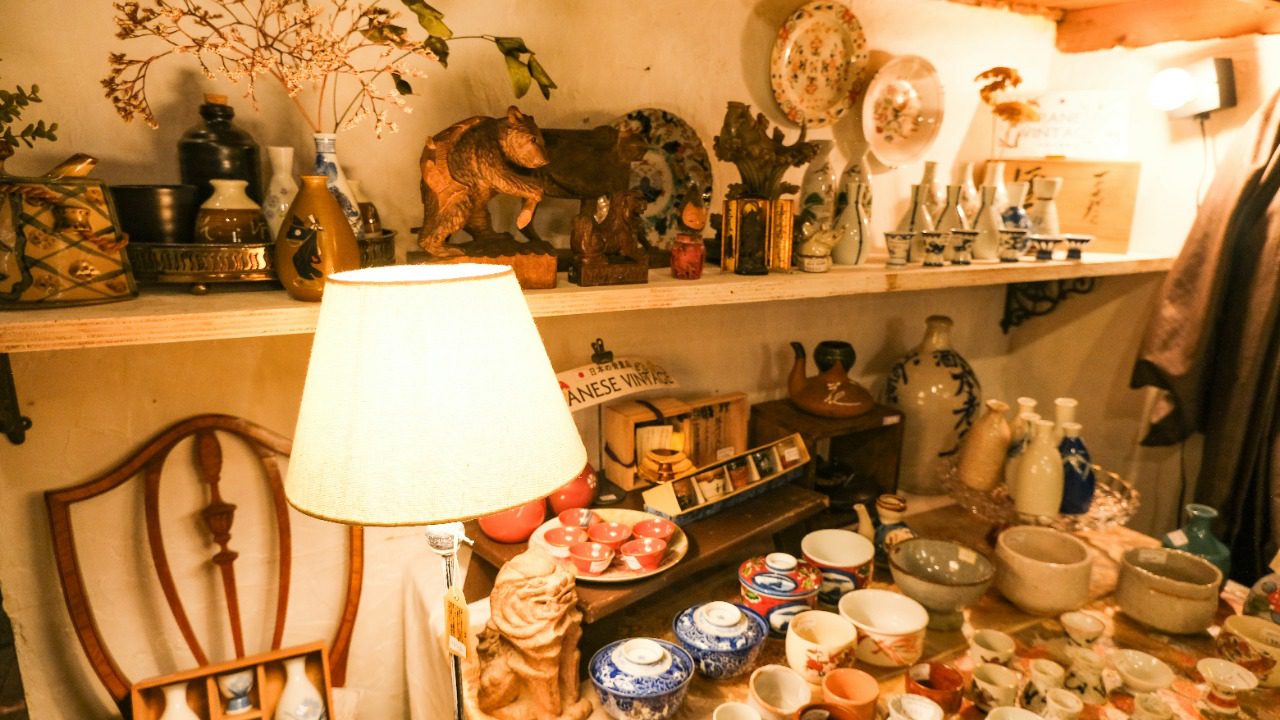
While decorating your home or office can make it feel cozy and personalized, too many decorative items can contribute to a cluttered, messy space.
Limit the number of decorative items you display at any one time. This can create a cleaner, more organized space. You can always switch out items seasonally or when you want a change.
10. Not Utilizing Wall Space
Wall space is often underutilized in homes and offices. Using the walls for storage can free up floor space and reduce clutter.
Install shelves, hooks, or pegboards to hold items. This can be especially helpful in smaller spaces where floor space is limited.
11. Not Having a Trash Bin Nearby


If there’s not a trash bin nearby, it’s easy for trash to pile up. This can contribute to a messy, cluttered space.
Make sure there’s a trash bin in every room. This can make it easier to quickly dispose of trash, reducing mess.
12. Neglecting Corners and Hidden Spaces


Corners and hidden spaces are often neglected when it comes to cleaning and organization. However, these spaces can quickly become cluttered and messy.
Regularly clean and organize these spaces. This can prevent clutter from building up and make your space feel more organized.
13. Not Having a System for Mail and Paperwork

Without a system for mail and paperwork, these items can quickly pile up and create a mess.
Create a system for handling these items. This could be a designated spot for incoming mail, a filing system for important documents, or a recycling bin for unwanted paper.
14. Keeping Broken or Damaged Items

Keeping broken or damaged items can contribute to clutter. If you’re not planning to fix these items, it’s best to dispose of them.
Consider donating or recycling these items. This can free up space and reduce mess.
15. Not Having a Place for Everything


If items don’t have a designated place, they can end up anywhere, contributing to a messy, cluttered space.
Make sure every item has a home. This can make it easier to keep your space organized and reduce mess.
16. Not Regularly Decluttering

Regular decluttering can keep your space tidy and manageable. If you don’t regularly declutter, items can pile up and create a mess.
Set a regular decluttering schedule. This can help you keep on top of clutter and maintain a tidy space.
17. Not Teaching Children to Clean Up

If you have children, it’s important to teach them to clean up after themselves. If they’re not in the habit of cleaning up, their toys and belongings can quickly create a mess.
Start teaching your children to clean up at a young age. This can instill good habits and reduce mess.
18. Not Asking for Help

Sometimes, the mess can be too overwhelming to handle on your own. If you’re struggling to keep your space tidy, don’t be afraid to ask for help.
Hire a professional organizer or ask a friend or family member to help you declutter. Having a fresh set of eyes can help you see your space in a new light and find solutions to your clutter problems.