

Tidying can be a daunting task, especially when our life is already bustling with a whirlwind of other activities. Even if we manage to carve out some time for cleaning, we often find ourselves unable to make real progress. Why does this happen? What makes tidying seem impossible at times?
Let’s dive into 18 common obstacles that get in the way of a clean and organized home. By understanding these roadblocks, we can devise effective strategies to overcome them.
1. Lack of Time


Time is a precious commodity and it often feels like there’s just not enough of it to get everything done. The reality is, tidying isn’t a task that can be completed in a single sitting. It’s a consistent effort that requires regular commitment.
To overcome this, try incorporating small cleaning tasks into your daily routine. For example, make your bed every morning, wash the dishes immediately after meals, or spend 10 minutes decluttering a specific area each day. This way, tidying becomes a manageable, habitual part of your life rather than a daunting, time-consuming task.
2. Procrastination


Procrastination is a common enemy of tidying. It’s easy to put off decluttering when there are more appealing things to do. More often than not, we tell ourselves we’ll do it later, only to find that ‘later’ never comes.
Try using the “two-minute rule” to combat procrastination. If a task takes less than two minutes to complete, do it immediately instead of putting it off. For tasks that require more time, break them down into smaller, manageable tasks and tackle one at a time.
3. Emotional Attachment

We all have items that hold sentimental value. These items can be a significant hurdle when it comes to decluttering, as parting with them can seem heart-wrenching.
Remember, decluttering doesn’t mean you have to dispose of everything. It means creating an organized, clutter-free environment. If an item sparks joy or holds deep sentimental value, keep it. However, find a proper place for it in your home where it won’t contribute to clutter.
4. Not Knowing Where to Start


Looking at a cluttered room can be overwhelming, and not knowing where to start can lead to inaction. The key is to break the process down into smaller, manageable tasks.
Start with one area or category of items at a time. For example, you could begin with clothes, then move onto books, and so on. This method, known as the KonMari method, can make the tidying process less daunting and more manageable.
5. Fear of Needing Items Later


This fear often stems from the thought of regretting getting rid of something. It can make decluttering more difficult, as we tend to hold onto things ‘just in case’.
To overcome this, ask yourself how often you use the item and when you last needed it. If it’s been a while, it’s probably safe to let go of it. Remember, the goal of decluttering is to reduce the items you don’t need or use regularly.
6. Lack of Storage Space

Lack of storage space can make tidying seem impossible. If there’s no place to put things, they end up cluttering your living space.
Consider investing in storage solutions like shelves, baskets, or boxes. However, don’t use these as an excuse to hoard. The goal is to have a place for everything you need, not to create more space for clutter.
7. Poor Organization Skills

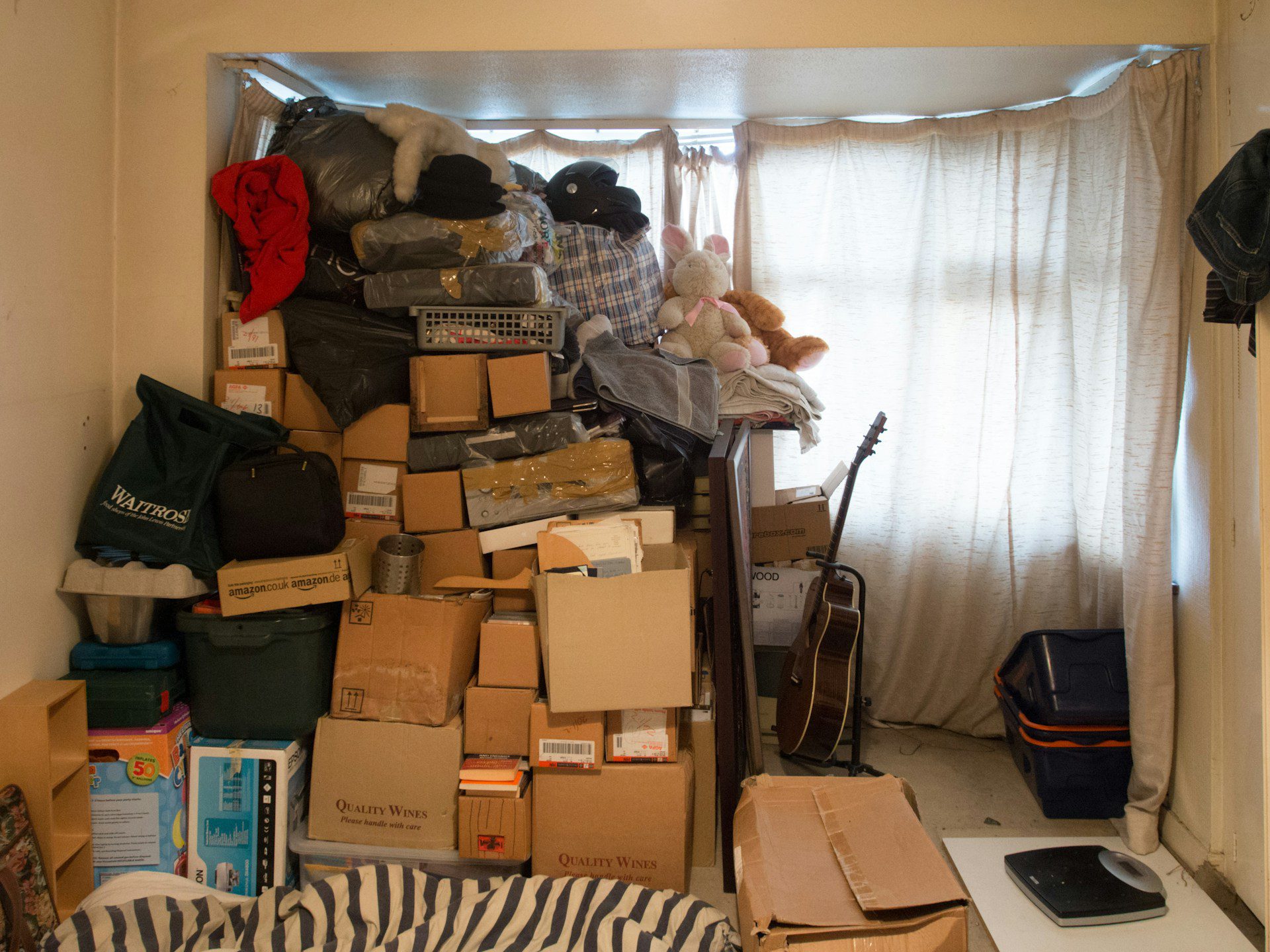
Organization is key to maintaining a tidy space. Without it, items can quickly pile up and create clutter.
Invest time to learn and implement organization techniques. For example, using labels, color-coding, or specific storage systems can make a significant difference in keeping your space tidy.
8. No Routine

Without a routine, tidying can become a sporadic, overwhelming task. Establishing a cleaning routine can make it a part of your daily life, making it less daunting and more manageable.
Start with a simple routine, like tidying for 15 minutes every day. Over time, you can adjust and expand it to fit your needs and lifestyle.
9. Multitasking


While multitasking might seem like a good idea, it often leads to half-done tasks and a bigger mess. Focus on one task at a time to ensure it’s completed thoroughly.
This doesn’t mean you can’t listen to music or an audiobook while cleaning. But avoid switching between different cleaning tasks without finishing the first one.
10. Not Asking for Help

Cleaning can be a big job, and it’s okay to ask for help. Whether it’s from family members or professional cleaners, getting help can make the task more manageable.
Assign specific tasks to each family member, or hire a cleaning service for larger tasks like deep-cleaning carpets or windows.
11. Not Discarding Unnecessary Items

Holding onto unnecessary items is a common roadblock to a tidy home. It’s essential to recognize and let go of items that are no longer needed or used.
Create a system for regularly discarding, donating, or selling items you no longer need. This will help keep your space clutter-free.
12. Buying Too Much


Constantly buying new items can quickly lead to clutter. It’s important to mindful of your purchases and only buy what you really need.
Before making a purchase, consider if you really need the item and if you have a place to store it. This can help prevent unnecessary clutter.
13. Lack of Motivation


Maintaining a tidy home requires consistent effort, and it’s easy to lose motivation. Find ways to keep yourself motivated to maintain a clean and organized space.
Rewarding yourself after completing tidying tasks or visualizing the benefits of a clean home can boost your motivation.
14. Distractions

In our digital age, distractions are everywhere. They can easily derail your tidying efforts.
Try setting specific time slots for tidying, during which you avoid checking your phone or watching TV. This can help you stay focused and make tidying more efficient.
15. Not Seeing Results

Tidying is a process, and results might not be visible immediately. This can be discouraging and make tidying feel like an impossible task.
Remember that every little bit counts. Even if you don’t see the results right away, your efforts are contributing to a cleaner, more organized space.
16. Perfectionism

Aiming for perfection can make tidying seem daunting. It’s important to realize that a tidy home doesn’t have to be perfect.
Set realistic expectations and focus on progress, not perfection. This can make tidying more manageable and less stressful.
17. Not Prioritizing Tidying

With so many other tasks and responsibilities, tidying often gets pushed to the bottom of the list. It’s essential to prioritize tidying to maintain a clean and organized space.
Make tidying a non-negotiable part of your routine. This can help ensure it doesn’t get overlooked.
18. Physical Limitations


Physical limitations, like health issues or age, can make tidying difficult. It’s important to recognize and accommodate these limitations.
Consider using tools that make cleaning easier, like long-handled dusters or lightweight vacuum cleaners. If necessary, ask for help or hire a cleaning service.
In conclusion, keeping a tidy home can seem impossible due to various obstacles. However, by recognizing these obstacles and implementing strategies to overcome them, you can make tidying a manageable and rewarding task.