

Your home is supposed to be your safe haven, your sanctuary to escape from the hustle and bustle of the outside world. But sometimes, it can also be the source of stress and discomfort. It’s crucial to identify and eliminate the things that steal your peace at home to maintain a serene and tranquil atmosphere.
This blog post will uncover 18 common culprits that may be sabotaging your tranquility at home and provide you with insights on how to tackle them.
1. Clutter


Clutter is one of the biggest peace thieves at home. It’s visually distracting, and studies have shown that it can negatively affect your mood and increase stress levels. When you have too many things scattered around, it can make your space feel chaotic and disorganized, making it hard to relax.
Consider implementing a regular decluttering routine. Dedicate a few minutes each day to clear out unnecessary items and maintain order in your home. Also, adopting a minimalist approach to possessions can go a long way in keeping your home clutter-free.
2. Poor Lighting


Poor or harsh lighting can cause eye strain, headaches, and stress, effectively stealing your peace at home. The lighting in your home should be comfortable and soothing, enhancing the overall mood of the space.
Evaluate your current lighting setup and make necessary changes. Use softer, warmer lights for living areas and bedrooms and brighter, cooler lights for workspaces. Natural light is also essential, so ensure your home gets plenty of it during the day.
3. Noise Pollution


Excessive noise, whether it’s from traffic outside, noisy neighbors, or even loud appliances, can drastically disrupt your peace at home. Noise pollution has been linked to increased stress levels, sleep disturbances, and a decline in overall wellbeing.
Invest in soundproofing solutions like noise-cancelling curtains, rugs, or wall panels. If the noise is from within your home, consider replacing noisy appliances with quieter ones or creating a designated quiet space where you can retreat when needed.
4. Uncomfortable Furniture

Uncomfortable furniture not only causes physical discomfort but also contributes to stress and dissatisfaction. Your home should be a place where you can unwind and relax comfortably.
Choose furniture that is both aesthetically pleasing and comfortable. Pay attention to the ergonomics of chairs and desks, particularly if you work from home. Prioritize comfort when selecting beds and sofas, as these are places where you’ll spend a significant amount of time.
5. Lack of Personal Space

Even in a shared home, everyone needs a space to call their own. Lack of personal space can lead to feelings of suffocation, frustration, and stress.
Ensure that everyone in the house has their own private space, no matter how small. This space should be a sanctuary where one can retreat to relax, recharge, or pursue personal hobbies.
6. Unfinished Projects


Unfinished projects around the house can be a constant reminder of tasks yet to be done, causing unnecessary stress and anxiety.
Make a list of all incomplete projects and prioritize them based on their urgency and importance. Create a realistic timeline to complete each project and stick to it. If a project is too big to handle, consider hiring a professional to do it.
7. Unpleasant Odors

Unpleasant odors can make your home feel unclean and uncomfortable. Whether it’s from pets, garbage, or mold, bad smells can be a significant peace thief at home.
Regular cleaning and proper ventilation can help prevent unpleasant odors. For a quick fix, use natural air fresheners or essential oils to keep your home smelling fresh and inviting.
8. Lack of Greenery

Lack of greenery can make your home feel sterile and uninviting. Studies have shown that being around plants can reduce stress and boost mood.
Incorporate houseplants into your home decor. Choose plants that are easy to care for and suitable for your home’s lighting conditions. If you don’t have a green thumb, consider using high-quality artificial plants.
9. Outdated Decor


Outdated or mismatched decor can make your home feel less welcoming and comfortable. Your home should reflect your personal style and taste.
Consider updating your home decor to better align with your current tastes. You don’t have to do a complete overhaul; even small changes like swapping out throw pillows or updating wall art can make a big difference.
10. Lack of Storage Space

Lack of storage space can lead to clutter and disorganization. Not having a designated place for everything can be frustrating and stressful.
Maximize your existing storage space and consider adding more if needed. Use organizing tools like shelves, baskets, and hooks to keep everything in its place.
11. Bad Wi-Fi Connection
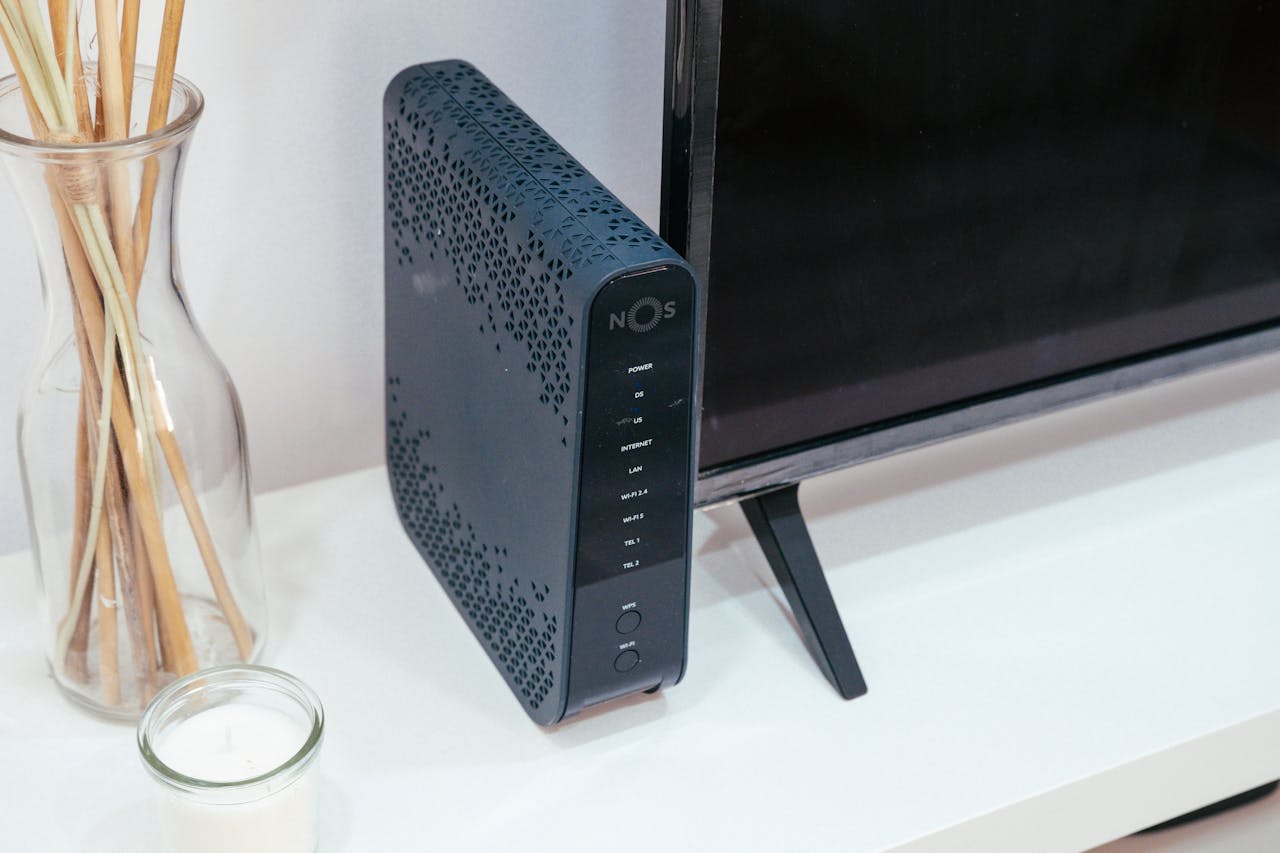
In today’s digital age, a bad Wi-Fi connection can be a significant source of stress. Whether you’re working from home or trying to relax with some online entertainment, a poor internet connection can quickly steal your peace.
Ensure your Wi-Fi router is in a central location and not obstructed by walls or furniture. If you’re still having issues, consider upgrading your internet plan or getting a Wi-Fi extender.
12. Unresolved Issues with Roommates or Family Members

Living with others can sometimes lead to disagreements or conflicts. Unresolved issues can create a tense and uncomfortable atmosphere at home.
Address issues as they arise and try to resolve them as quickly and calmly as possible. Open communication and compromise are key to maintaining peace at home.
13. Invasive Technology


While technology can be beneficial, it can also be disruptive. Constant notifications and the pressure to be always connected can take away from your peace at home.
Set boundaries for technology use at home. Designate tech-free zones or times and turn off unnecessary notifications to create a more peaceful atmosphere.
14. High Energy Bills


High energy bills can be a source of financial stress. Worrying about how to reduce your energy consumption can steal your peace at home.
Look for ways to make your home more energy-efficient. This could include using energy-saving appliances, sealing drafts, or adjusting your thermostat settings.
15. Poor Indoor Air Quality

Poor indoor air quality can affect your health and wellbeing, causing symptoms like headaches, fatigue, and allergies.
Ensure your home is well-ventilated and consider using air purifiers or plants to improve indoor air quality.
16. Pests


Dealing with pests can be frustrating and stressful. Whether it’s ants, cockroaches, or mice, pests can quickly steal your peace at home.
Keep your home clean and store food properly to discourage pests. If you have a persistent pest problem, it might be worth hiring a professional exterminator.
17. Lack of Routine


A lack of routine can lead to disorganization and chaos at home. Having a set schedule can help maintain order and peace.
Establish a daily routine that works for you and your household. This could include specific times for meals, chores, work, and relaxation.
18. Unfavorable Colors

Color can greatly influence our mood and energy levels. Unfavorable or harsh colors in your home can contribute to stress and discomfort.
Choose colors that promote peace and tranquility. Soft, neutral colors are generally a safe choice, but you can also experiment with colors that personally make you feel calm and relaxed.