

It’s easy to hold onto things that don’t really serve a purpose anymore. Over time, items pile up, and before you know it, your space feels cluttered without you even realizing it.
Knowing what you’ve kept but haven’t used in years can help you create a more organized and peaceful environment. This article will guide you through common items people tend to hold onto unnecessarily, making it easier for you to decide what to keep and what to let go.
Old hobby supplies like glue and glitter

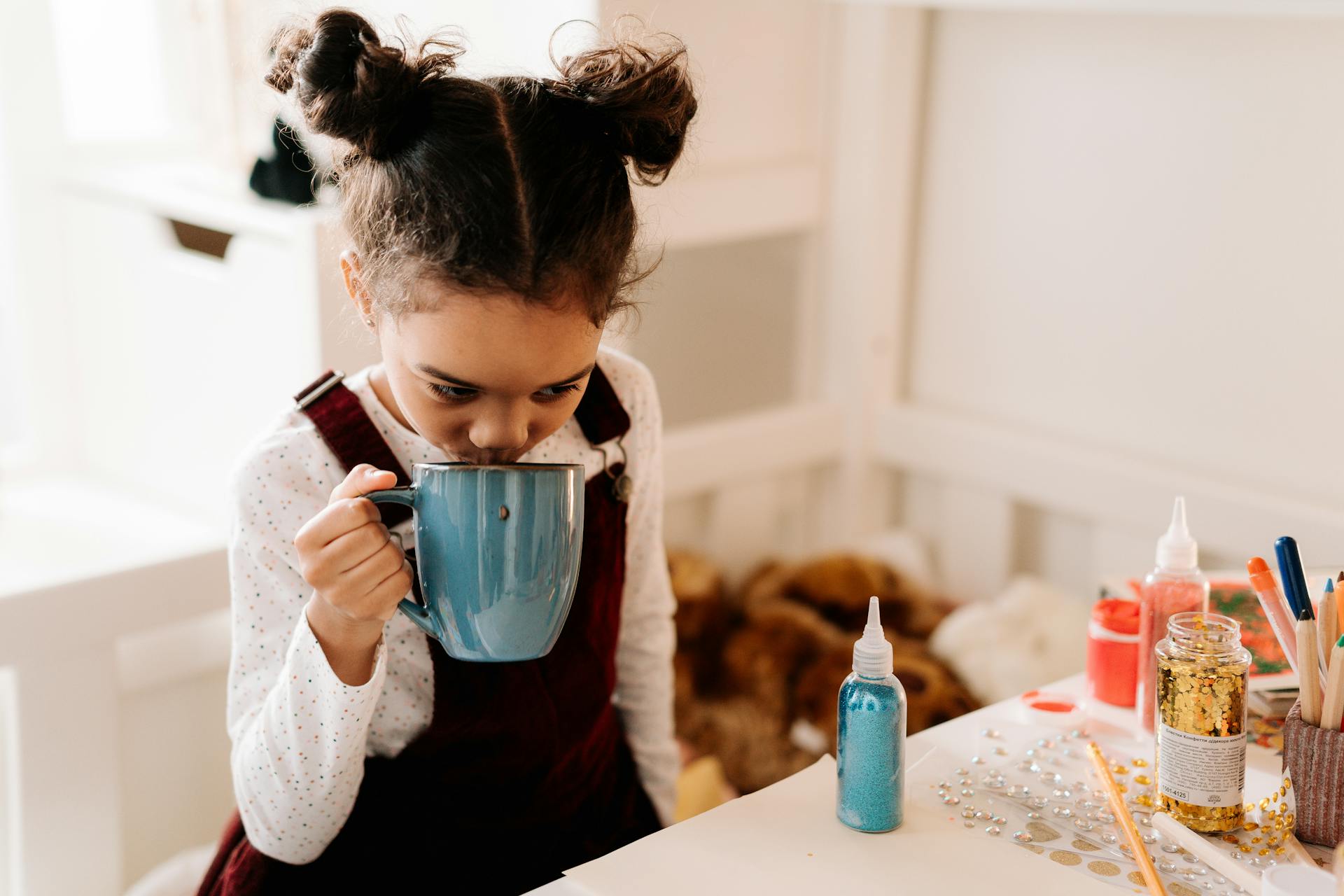
You probably have glue sticks, glitter, and other craft items stashed away from projects long forgotten. These supplies often dry out or lose their stickiness over time.
If you haven’t used them in years, they might be taking up space without real value. Keeping a small amount for special projects is fine, but old glue and expired glitter usually won’t work as well as fresh supplies. Consider checking their condition before saving them.
Unused fabric scraps


You might have bins of fabric scraps tucked away that haven’t been touched in years. Instead of letting them pile up, consider small projects like patchwork pillows or simple quilts.
Even tiny pieces can be turned into useful items, like coasters or keychain fobs. Using your scraps helps reduce waste and gives your creativity a little spark without much effort.
Paint tubes dried up or forgotten

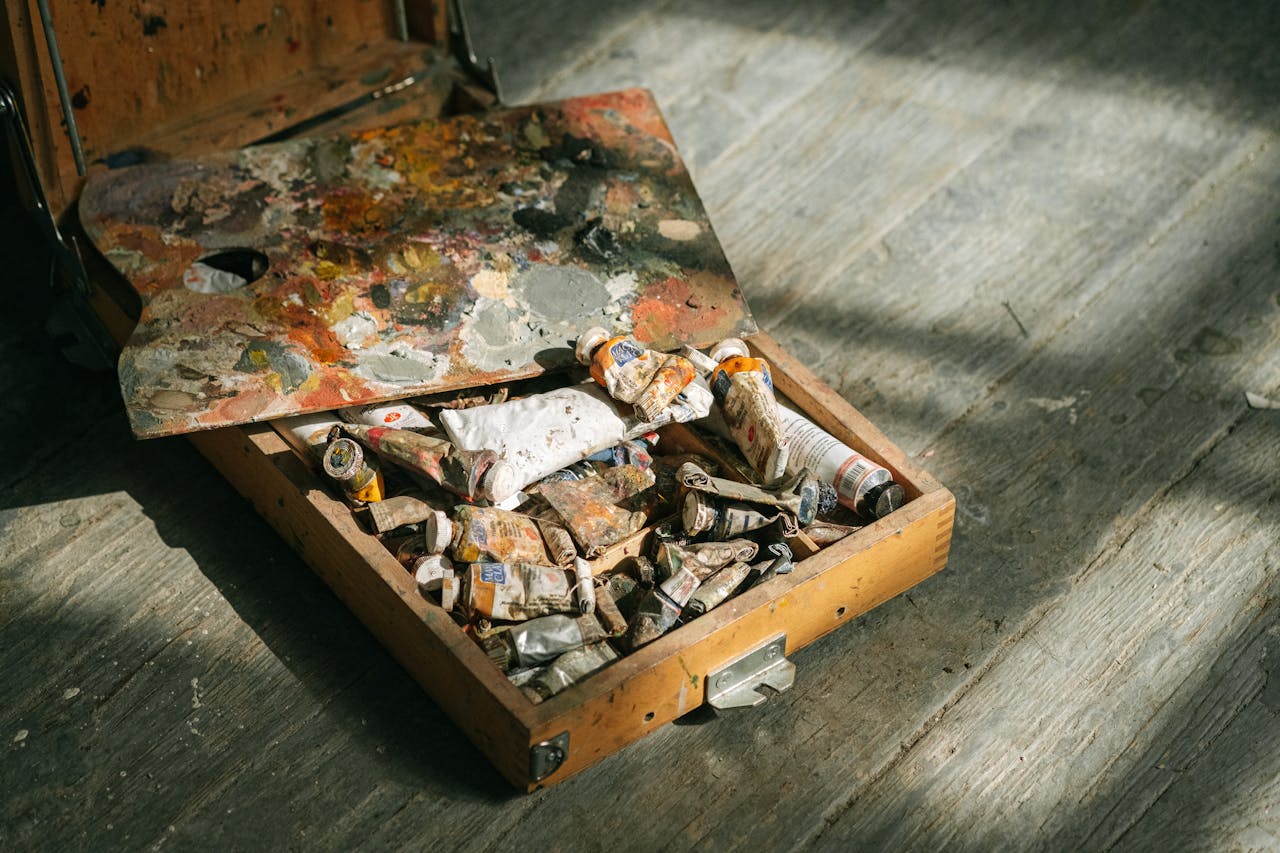
You might have paint tubes tucked away that haven’t seen use in years. Over time, the paint inside can dry out or separate, making it harder to work with.
But don’t toss them just yet. Adding a bit of water can sometimes revive dried watercolor or gouache, softening the paint enough to use again.
Even if the texture changes, you can still press dried paint into pans and reactivate it later with a wet brush. It’s worth giving your old tubes a second chance before letting them go.
Unused yarn balls


If you have yarn balls sitting untouched for years, you might wonder if you need to clean them. Usually, unused yarn doesn’t need washing since it hasn’t been in contact with skin or dirt.
Storing your yarn properly can help keep it fresh. Use sealed plastic bags or containers to protect it from dust and pests like moths.
You can also get creative and use leftover yarn scraps for small projects or decorations. This way, your yarn won’t go to waste.
Broken or unused tools
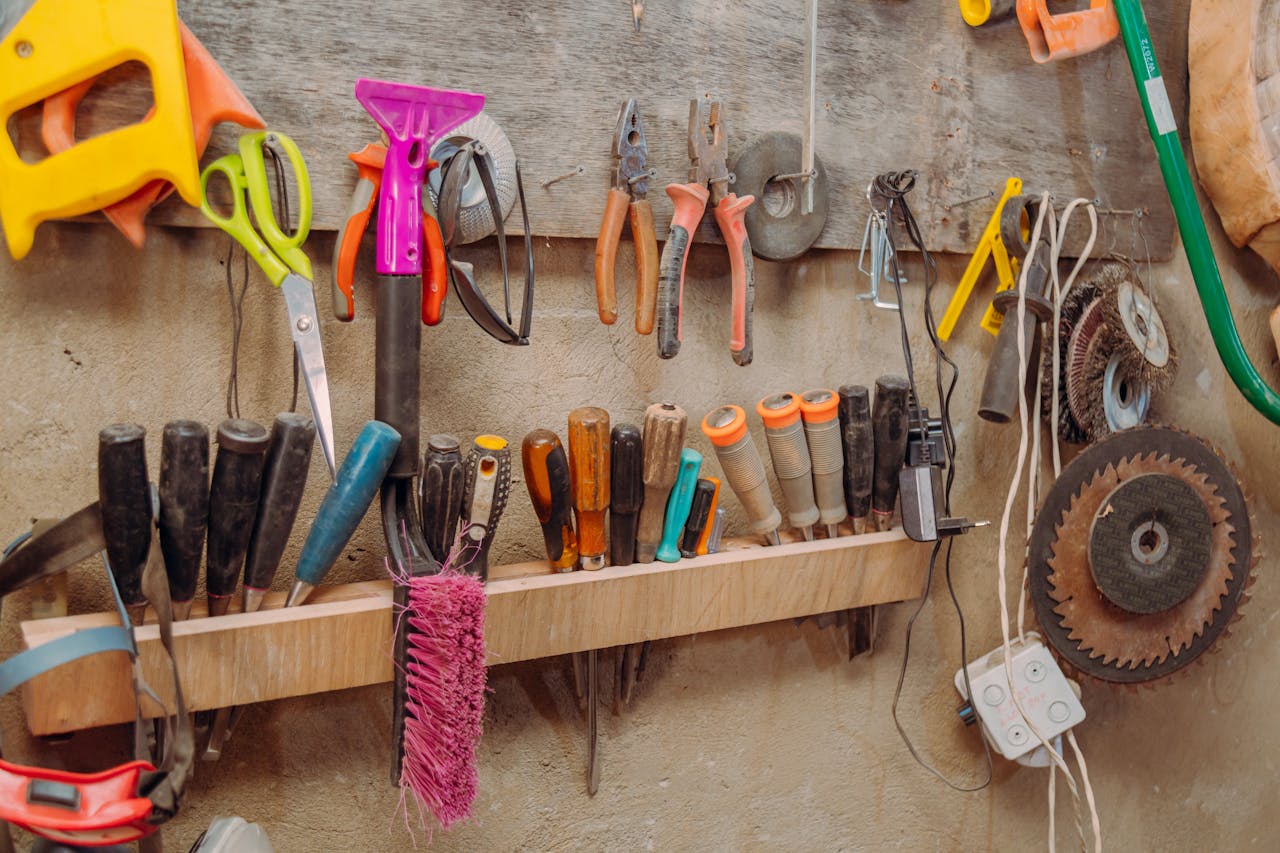
You probably have tools that haven’t worked right for years. Holding on to broken screwdrivers or worn-out pliers just takes up space.
If a tool hasn’t been used in a long time, it might be better to let it go. Keeping only the tools you actually use makes your toolbox more handy and less cluttered.
Books you never finished

You probably have a book or two sitting on your shelf that you never actually finished. Maybe the story felt slow, or life just got in the way.
Titles like “Anna Karenina” or “Moby Dick” often get started with good intentions but remain unopened for years.
Sometimes, books that once excited you no longer hold the same appeal. It’s okay to set them aside and move on to something new.
Old phone chargers

You probably have old phone chargers lying around that haven’t been used in years. They might seem useless, but sometimes you find out one is suddenly needed for an older device.
If you decide to keep them, consider organizing so they don’t pile up. Otherwise, recycling or donating them is a good way to reduce clutter and help the environment.
Outdated magazines

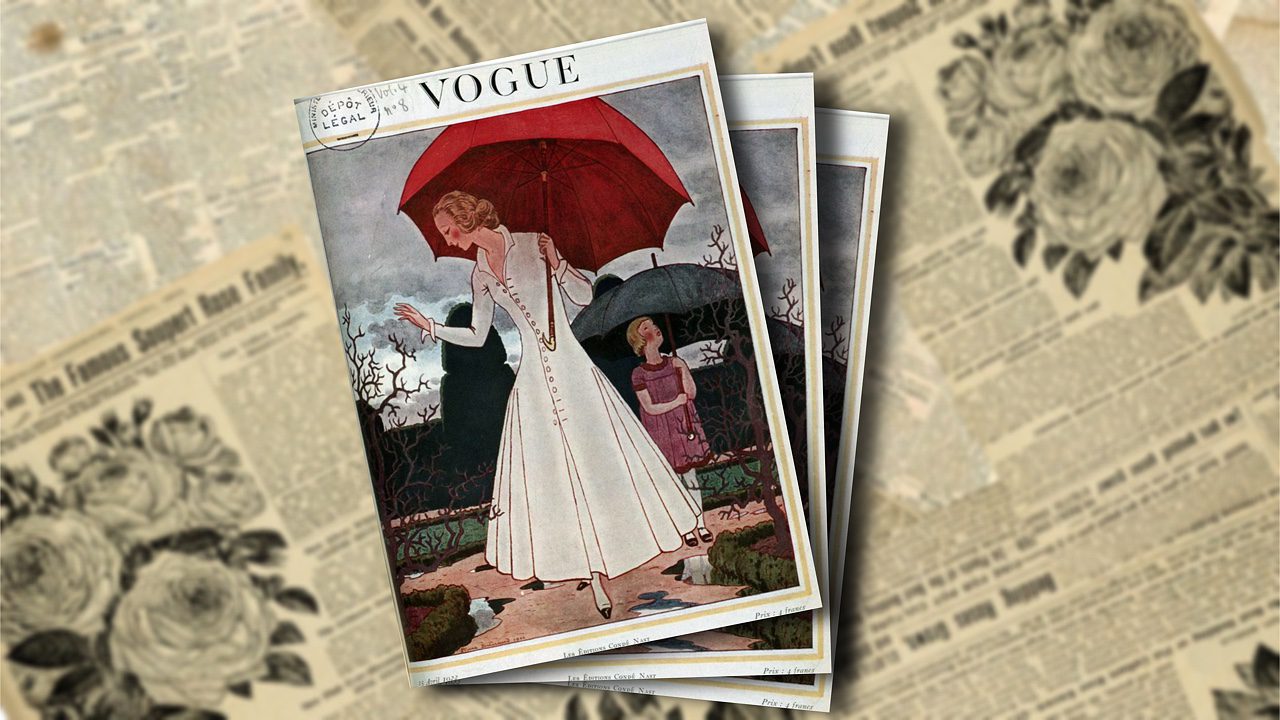
You might have stacks of magazines that you haven’t opened in years. These often take up space and gather dust without adding value to your home.
Instead of holding on to every issue, tear out pages with ideas or articles you find useful. Keep those in a binder and recycle or toss the rest.
If you want to get creative, old magazines can be repurposed for crafts like bookmarks or gift wrap, giving them a second life before decluttering.
Unused kitchen gadgets

You probably have gadgets sitting in a drawer that you haven’t used in years. Items like electric woks, rotisseries, or specialized appliances often end up neglected.
Sometimes, single-use tools seem useful at first but don’t make it into your daily routine. Before tossing them, ask if they really fit your cooking style.
Clearing out these gadgets can free up space and simplify your kitchen. Keep only what you use regularly or genuinely enjoy having.
Expired beauty products

You might be holding onto makeup or skincare that hasn’t been used in years. Over time, these products lose their effectiveness and can even grow bacteria. Using expired items can lead to irritation or breakouts.
Check for changes in smell, color, or texture. If your product looks dry, smells off, or feels different, it’s time to toss it. Powders last longer, but creams and liquids expire faster.
Toys your kids outgrew

You probably have toys your kids haven’t played with in years. These often take up space and create clutter.
Try rotating toys to keep things fresh, but once interest is gone, it’s okay to let some go.
If your child is attached, involve them in choosing which toys to keep or donate. This can make the process easier for both of you.
Clothes that no longer fit
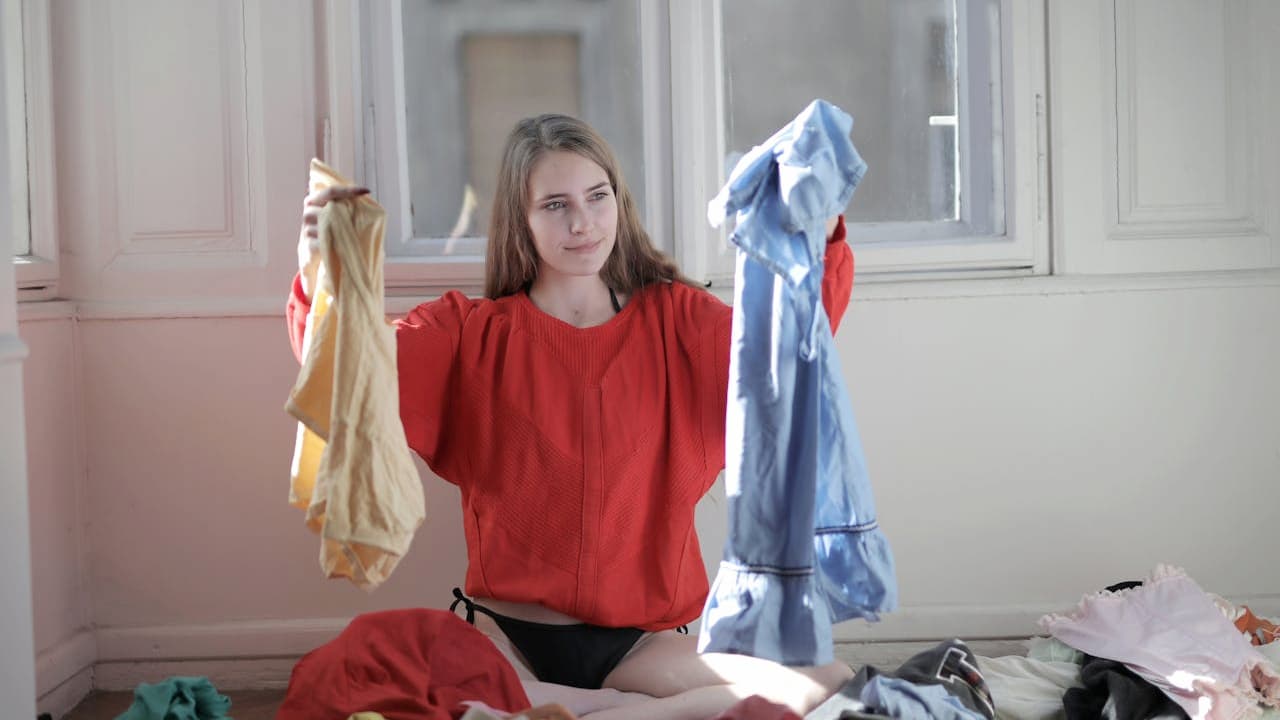
You probably have clothes tucked away that don’t fit anymore. These items just take up space, even if you hope to wear them again someday.
Holding onto old clothes because of memories or “what if” moments is normal. But if they’ve been untouched for years, it’s a sign to let them go.
Sorting through your wardrobe by category can help you see what really belongs. Donate or recycle the pieces you won’t use, freeing up room for what fits now.
Single shoes missing their pair
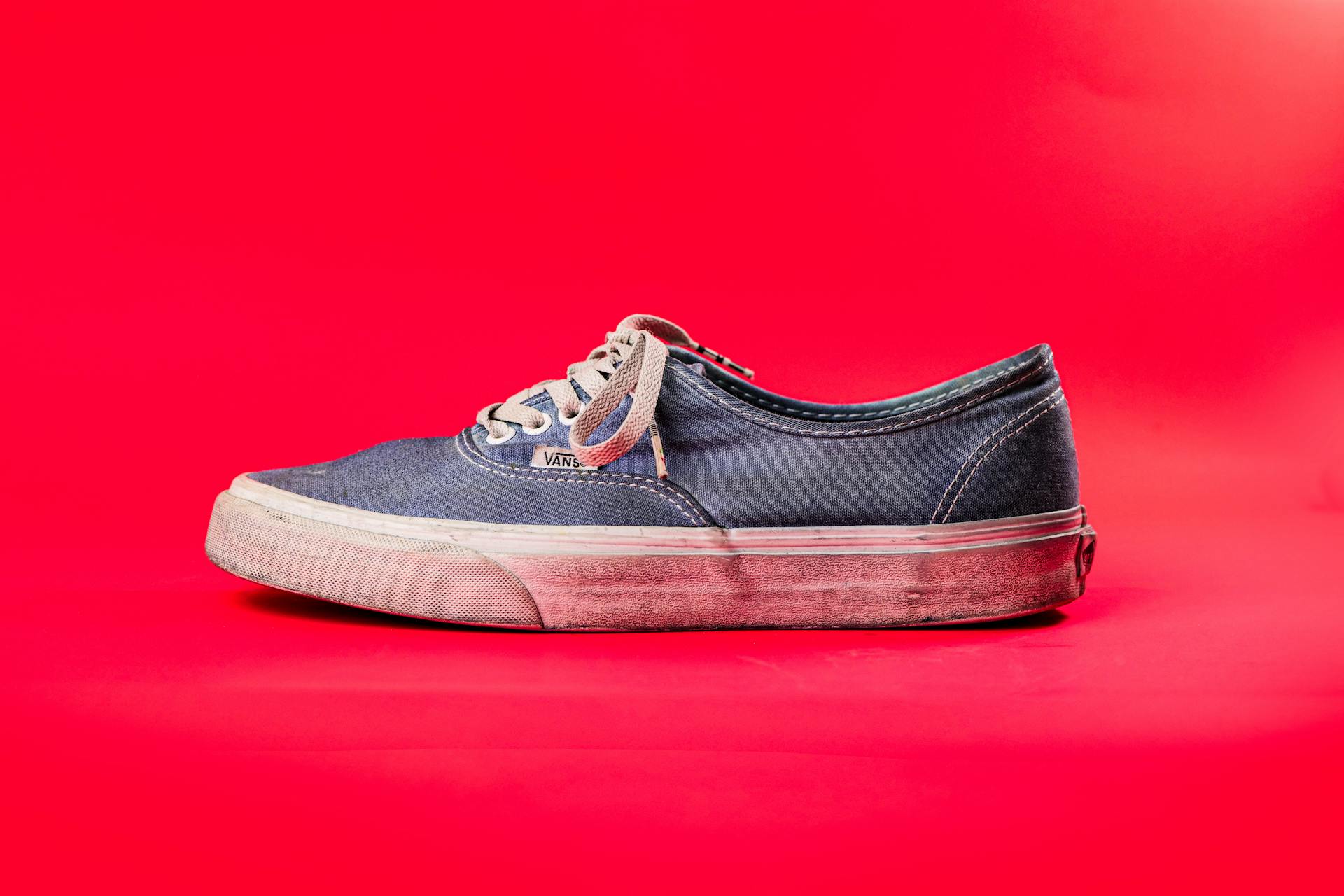
You might have a lone shoe lying around, the partner lost or thrown away long ago. It can be confusing why one shoe survived when the other didn’t.
Some places even offer ways to trade or reuse single shoes. If your shoe still looks good, you might find a new purpose for it or pass it on.
Keeping that single shoe might remind you of a story or moment, even if it’s been untouched for years.
Old DVDs or CDs

You might have old DVDs or CDs sitting around that you haven’t used in years. These discs can last a long time if stored well, but they often become obsolete.
If you no longer need them, consider donating to places like libraries or shelters. You could also digitize the content and sell or gift the discs in bulk.
Getting rid of them can free up space and reduce clutter in your home.
Unused workout equipment


You probably have workout gear tucked away that you haven’t used in years. Free weights, skipping ropes, or even a hula hoop might be gathering dust in your home.
It’s common to buy equipment with good intentions that don’t pan out. Holding onto these items takes up space and can add to clutter.
If you’re not using the gear, consider donating it or selling it. This clears room and gives others a chance to benefit from it.
Expired coupons or gift cards


You might find some old coupons or gift cards stashed away that have expired. Coupons usually can’t be used past their expiration date, so holding onto them does little good.
Gift cards generally don’t expire for at least five years after purchase or last use, but some promotional cards might have shorter expiry policies. It’s best to check dates and toss any that are no longer valid.
Old notebooks with unfinished thoughts

You probably have notebooks filled with ideas, lists, or notes that you never finished. These can feel like unfinished projects hanging around.
Instead of letting them collect dust, try using them to jot down current goals or daily reflections.
Sometimes, flipping through old pages can spark new creativity or remind you of past interests. If not, consider letting them go to make space for fresh ideas.
Dormant board games


You probably have board games sitting on your shelf that haven’t been opened in years. Maybe you kept Pandemic or Betrayal at Baldur’s Gate because you loved them once, but the chances to play just never came around.
Sometimes, these games hold fond memories, even if they gather dust. Keeping them means you’re ready for when the mood strikes again—or when new players join your group. Having a few favorites waiting can be a nice comfort.