


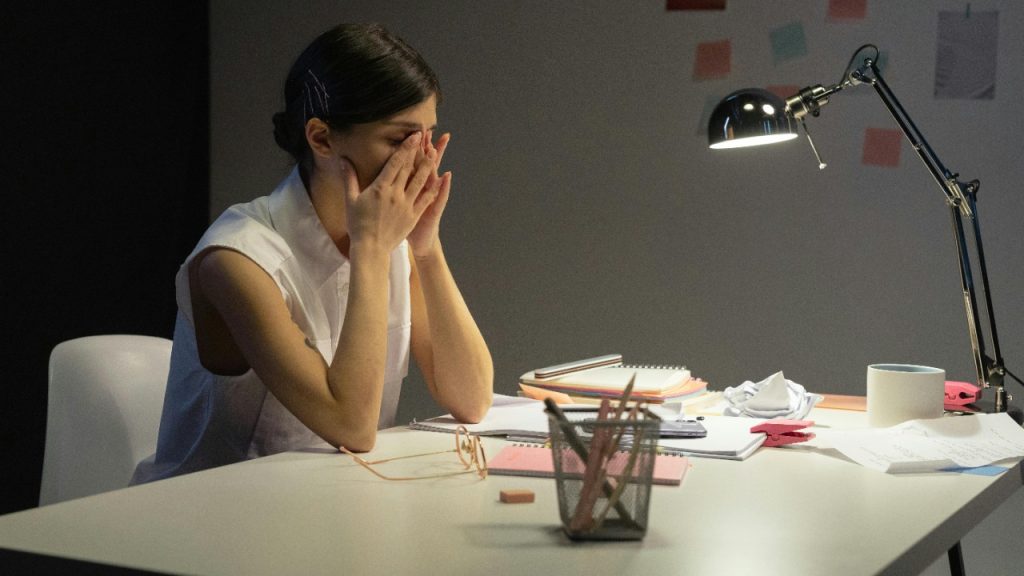
1. Clutter Causes Stress


Clutter in our homes and workplaces can significantly increase our stress levels. Studies show that clutter overloads our senses just like multitasking, causing our stress levels to rise and ability to think clearly to decline.
When our living or working spaces are full of unnecessary items, it becomes difficult to focus on what truly matters. This leads to feelings of being overwhelmed and out of control. To reduce stress, consider decluttering your space and adopting a minimalist lifestyle.
2. Too Much Choice Can Lead to Decision Fatigue

Having too many choices can lead to decision fatigue, a state where making further decisions becomes overwhelming. This is because every decision we make uses up some of our mental energy.
For example, if your closet is overflowing with clothes, it can be exhausting to decide what to wear each morning. To combat decision fatigue, consider adopting a capsule wardrobe or reducing the number of choices you need to make in a day.
3. Stuff Can Become a Time Sink


The more stuff we have, the more time we spend managing it. From cleaning and organizing to fixing and replacing, stuff demands attention and time that could be better spent elsewhere.
Think about how much time you spend cleaning your house or organizing your garage. Would that time not be better spent with family, friends, or on a fulfilling hobby? To reclaim your time, consider downsizing your possessions.
4. Materialism Can Lead to Financial Stress


Our desire for more stuff often leads to financial stress. The pressure to keep up with the latest trends or own the newest gadgets can strain our budgets and lead to debt.
Instead of spending money on more stuff, consider investing in experiences or saving for the future. Remember, the best things in life aren’t things.
5. Stuff Can Hinder Mobility

Having a lot of stuff can hinder your mobility. Whether you’re moving to a new city or simply trying to rearrange your furniture, having too many possessions can make these tasks more difficult and time-consuming.
If you value your freedom and flexibility, consider adopting a minimalist lifestyle. This will not only make moving easier but also free up your space and mind.
6. Stuff Can Be a Distraction

Our stuff can often distract us from what’s truly important. Instead of spending time with loved ones or pursuing our passions, we might find ourselves managing, organizing, or worrying about our possessions.
To refocus your attention on what truly matters, consider decluttering your space and adopting a minimalist mindset.
7. Stuff Can Lead to Comparison and Envy

The more stuff we have, the more we tend to compare ourselves with others. This can lead to feelings of envy, dissatisfaction, and unhappiness.
Instead of comparing your possessions with others, focus on gratitude and contentment. Remember that happiness is not found in material possessions but in our relationships and experiences.
8. Stuff Can Contribute to Environmental Problems

Our consumption habits contribute significantly to environmental problems. From the extraction of natural resources to waste disposal, the lifecycle of our stuff has a huge environmental footprint.
By reducing our consumption and choosing sustainable products, we can contribute to environmental conservation and protect our planet for future generations.
9. Stuff Can Encourage a Throwaway Culture
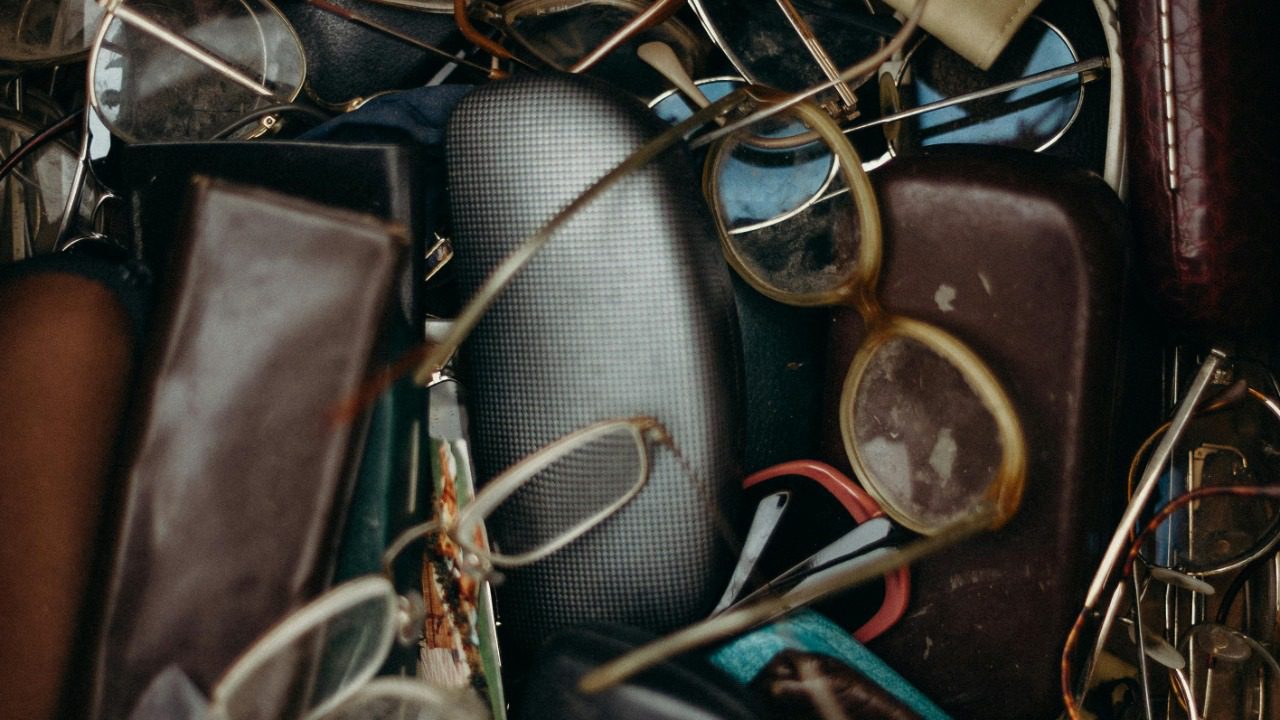
Our desire for more and better stuff encourages a throwaway culture. This is not only wasteful but also unsustainable in the long run.
Instead of buying new stuff, consider repairing, repurposing, or recycling your old stuff. This will not only save you money but also reduce waste and promote sustainability.
10. Stuff Can Create Unnecessary Complexity

Having a lot of stuff can make our lives unnecessarily complex. From managing multiple subscriptions to keeping track of various gadgets, stuff can complicate our lives.
To simplify your life, consider reducing your possessions and focusing on what truly matters.
11. Stuff Can Lead to Procrastination

Our stuff can often serve as a distraction and lead to procrastination. For example, instead of focusing on a project or task, we might find ourselves organizing our desk or browsing online for new gadgets.
To improve productivity, consider decluttering your workspace and adopting a minimalist mindset.
12. Stuff Can Interfere With Relationships

The desire for more stuff can interfere with our relationships. Instead of spending quality time with loved ones, we might find ourselves shopping or managing our possessions.
To strengthen your relationships, consider reducing your consumption and focusing on experiences and quality time.
13. Stuff Can Create a False Sense of Identity

Our stuff can often define our identity. We might base our self-worth on the brand of our clothes or the model of our car. However, this is a false sense of identity that can lead to dissatisfaction and unhappiness.
Instead of defining yourself by your possessions, focus on your values, passions, and relationships.
14. Stuff Can Lead to Unfulfilled Expectations

Our stuff often comes with expectations. We might expect a new gadget to make our lives easier or a new outfit to make us feel better. However, these expectations are often unfulfilled, leading to disappointment and dissatisfaction.
To avoid unfulfilled expectations, focus on experiences and relationships instead of material possessions.
15. Stuff Can Take Up Physical Space

Our stuff takes up physical space. An overflowing closet or a cluttered garage can make our homes feel cramped and uncomfortable.
To create a more spacious and comfortable living environment, consider decluttering and adopting a minimalist lifestyle.
16. Stuff Can Create a Sense of Obligation

Our stuff can create a sense of obligation. We might feel obligated to use a gadget because we paid a lot for it or to wear an outfit because it was a gift.
To free yourself from these obligations, consider decluttering and focusing on what you truly need and love.
17. Stuff Can Lead to Neglect of Important Areas

Our stuff can often distract us from important areas of our lives. We might neglect our health, relationships, or personal growth because we’re too busy managing our possessions.
To focus on what truly matters, consider reducing your possessions and adopting a minimalist mindset.
18. Stuff Can Encourage Impulse Buying

Our desire for more stuff can encourage impulse buying. This can lead to financial stress and a cluttered living environment.
To resist impulse buying, make a shopping list before you go shopping and stick to it. Also, consider adopting a minimalist lifestyle to reduce your desire for more stuff.
As we’ve seen, our stuff can make life harder in many ways. However, by adopting a minimalist mindset, we can break free from the chains of materialism and live a more meaningful and fulfilling life.