

If you find yourself constantly tripping over clutter or losing precious time searching for misplaced items, then it’s time to embark on a decluttering spree. Not only does a tidy environment reflect a tidy mind, it also has a profound effect on your mental health, productivity, and overall well-being. But don’t fret! Decluttering doesn’t have to be a daunting task that consumes hours of your day. In fact, here are 18 ways you can declutter your living space in under 10 minutes. Let’s dive right in!
1. Set a Timer

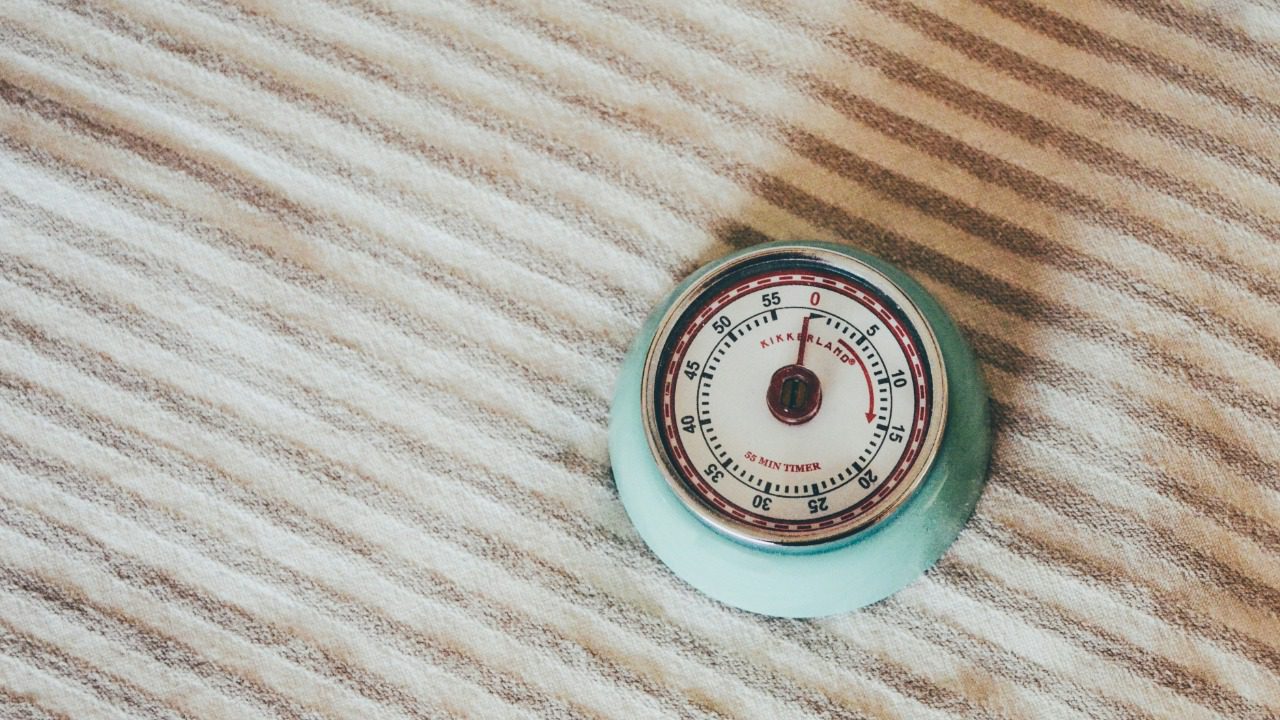
Setting a timer is a simple yet effective way to make decluttering manageable. Instead of feeling overwhelmed with the entire task, set a 10-minute timer and tackle one area at a time. Once the timer goes off, you can either stop or reset it for another round.
This approach not only keeps you focused, but it also creates a sense of urgency, making you more efficient. It’s amazing how much you can accomplish when you know the clock is ticking. For instance, you could focus on clearing out a single drawer or shelf, or sorting through a stack of papers in that time.
2. The One-Minute Rule
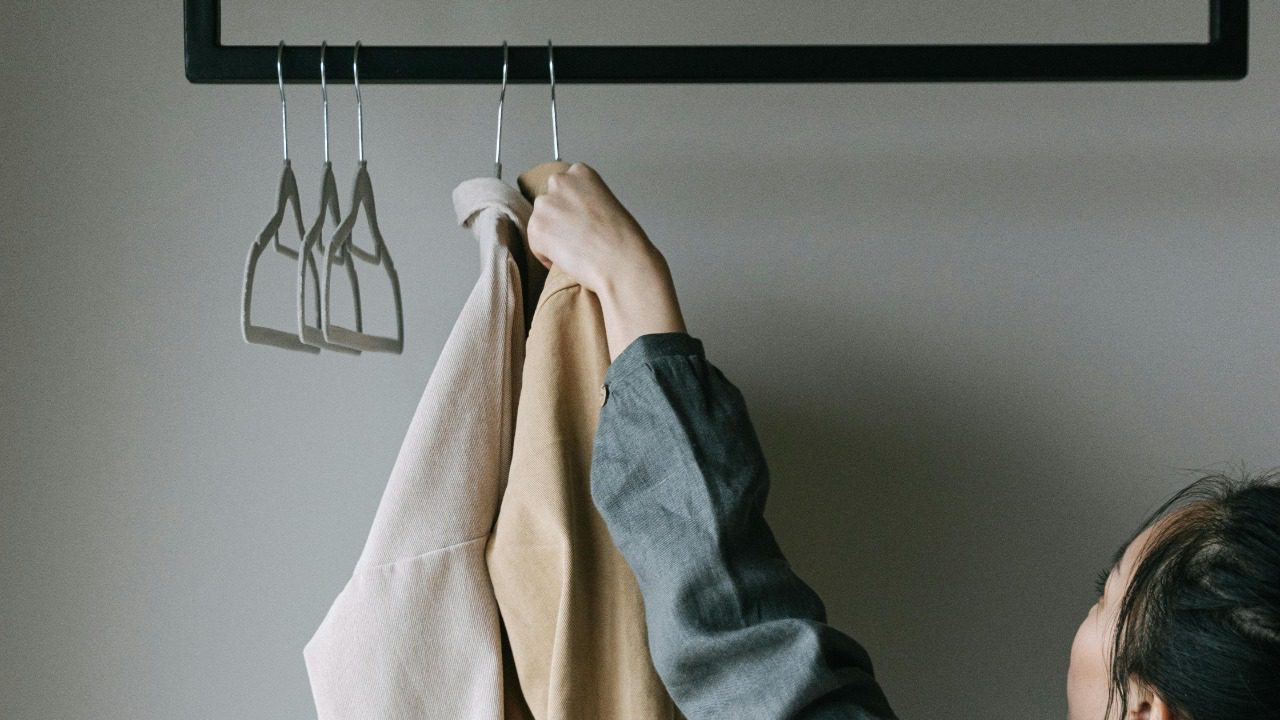
The One-Minute Rule is a simple yet effective strategy by Gretchen Rubin, the author of “The Happiness Project”. The rule is simple: if a task takes one minute or less to complete, do it right away. This could be anything from hanging up a coat, putting a dish in the dishwasher, or throwing away junk mail.
This rule is effective because it tackles clutter before it accumulates. By making a habit of completing these small tasks immediately, you avoid being overwhelmed by a mountain of small tasks later on. It’s a quick win and gives you a sense of accomplishment, which can often be the motivation you need to tackle bigger decluttering tasks.
3. Use a Donation Box
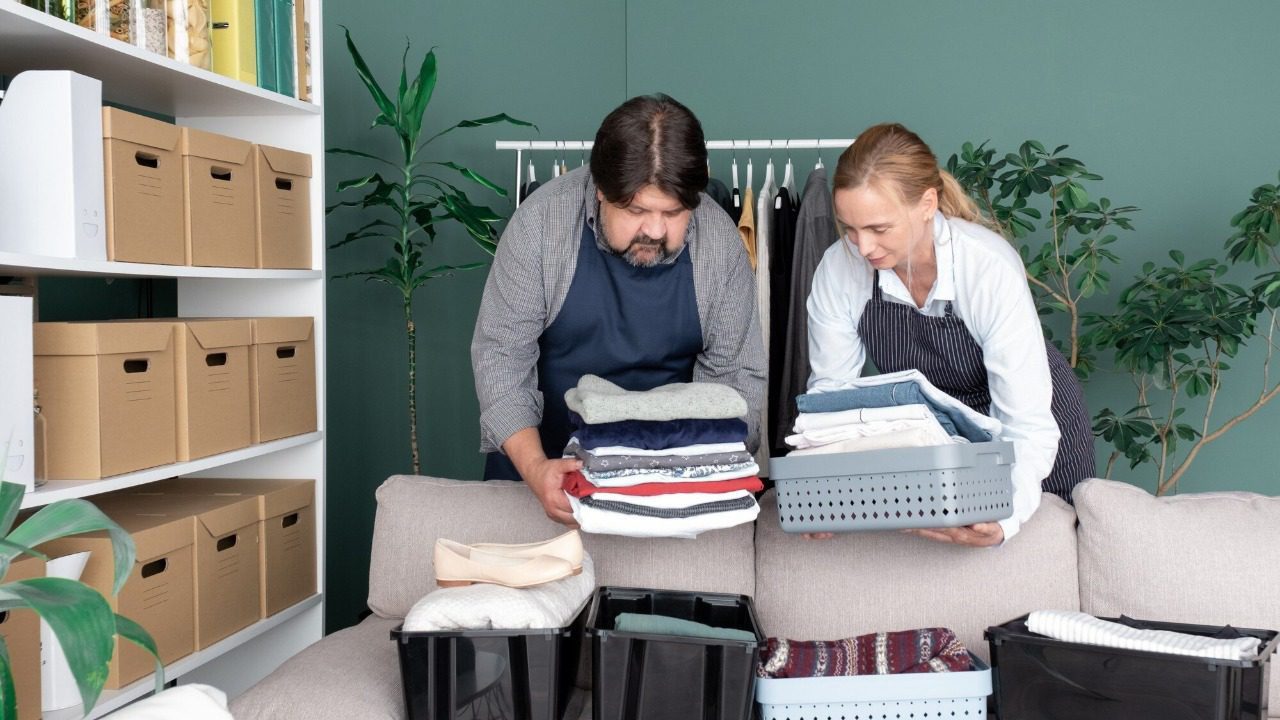
Having a donation box is a great way to declutter your living space. Whenever you come across items that you no longer need or want, put them in the box. Once the box is full, take it to a donation centre.
This approach is not only beneficial for decluttering but also for helping others. While the items may no longer serve a purpose for you, they could be exactly what someone else needs. Plus, knowing that your items are going to a good cause can make it easier to part with them.
4. Tackle the Junk Drawer
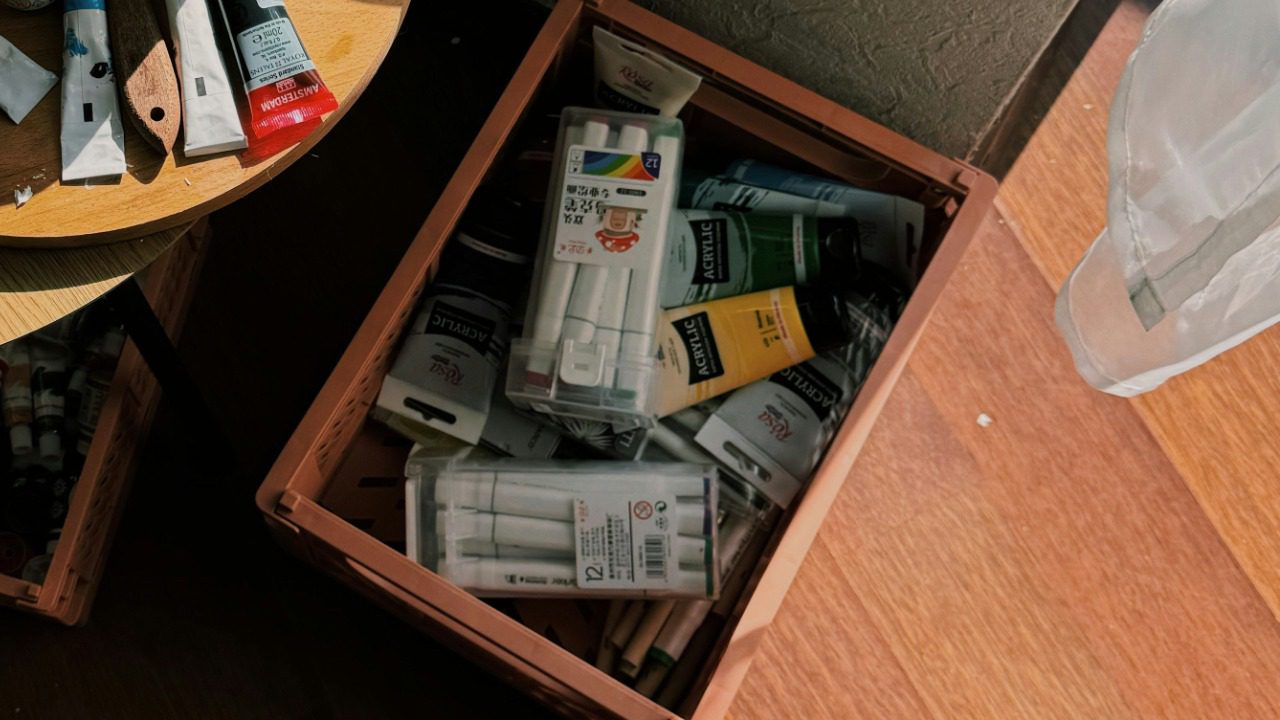
We all have that one drawer that becomes a home for random items. Although it might seem daunting, decluttering this drawer can be done in under 10 minutes. Start by emptying everything out, then sort through each item, deciding what to keep, what to throw away, and what can be stored elsewhere.
This might feel like a small win, but it can make a big difference. Not only will you reclaim valuable storage space, but you’ll also eliminate one of the main clutter magnets in your home. Plus, you might come across useful items you had forgotten about.
5. Use Storage Containers
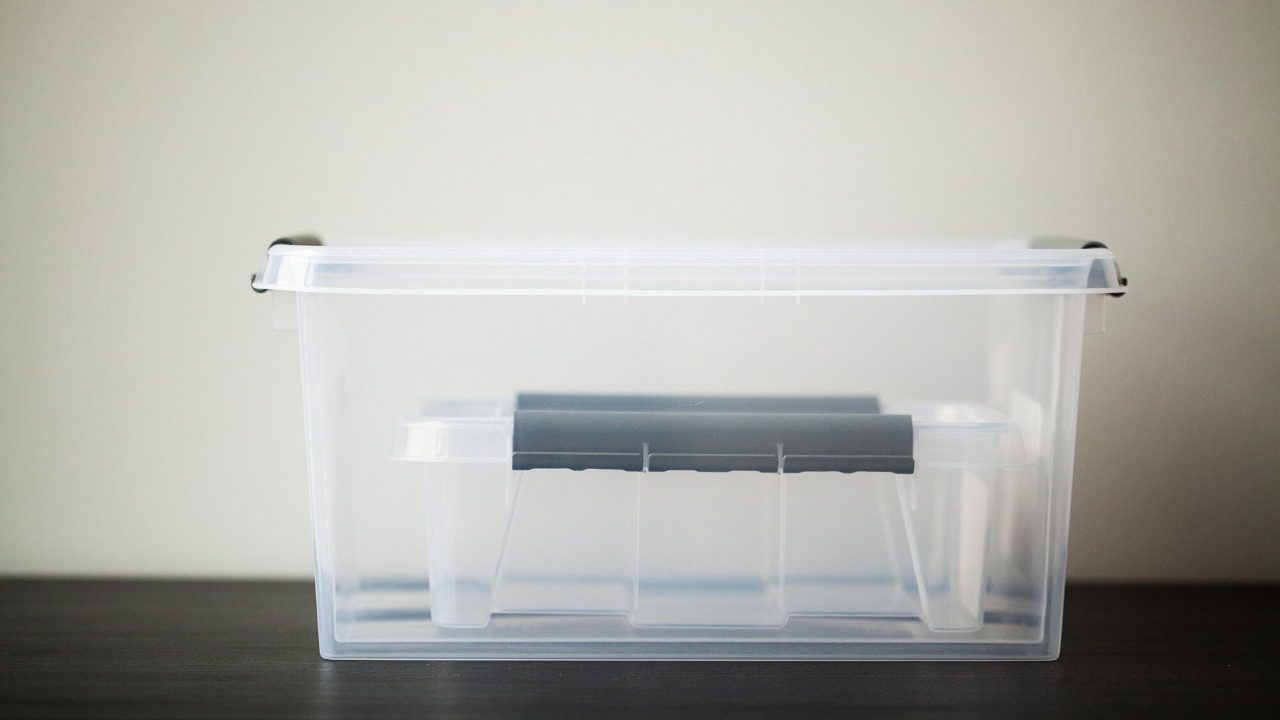
Storage containers are an effective way to organize and declutter. They can be used for anything from clothes and accessories to paperwork and craft supplies.
When everything has a designated place, it’s easier to keep your living space tidy. Plus, storage containers make it easier to access your belongings. For example, instead of rummaging through a drawer to find a pair of earrings, you could have a small container for all your jewelry.
6. Declutter Your Digital Space

Just as physical clutter can be overwhelming, so can digital clutter. From a crowded desktop to an overflowing email inbox, digital clutter can lead to stress and decreased productivity.
Take 10 minutes to delete unnecessary files, organize your desktop, or sort through your emails. Not only will this make your digital space more manageable, but it can also make your devices run faster.
7. Use the Four-Box Method
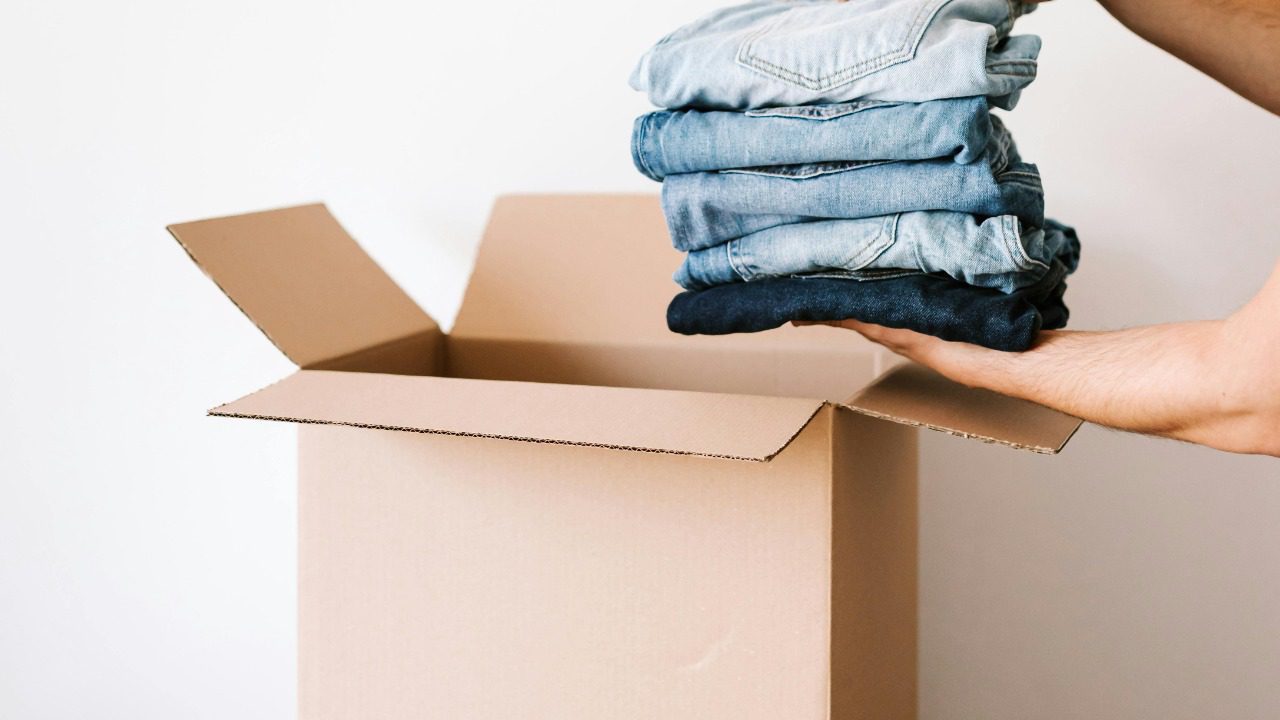
The Four-Box Method is a popular decluttering technique. Label four boxes: trash, give away, keep, or relocate. As you go through your items, place each one into the appropriate box.
This method is effective because it forces you to make a decision about each item. Plus, it breaks down the decluttering process into manageable chunks, making the task less overwhelming.
8. Implement the One In, One Out Rule

The One In, One Out Rule is a simple yet effective way to maintain a clutter-free space. The rule is simple: for every new item you bring into your home, one item has to go.
This rule works because it prevents the accumulation of clutter. It’s also a great way to be mindful of your consumption habits. If you’re considering buying a new item but can’t think of an item to part with, it might be a sign that you don’t really need the new item.
9. Try the 12-12-12 Challenge
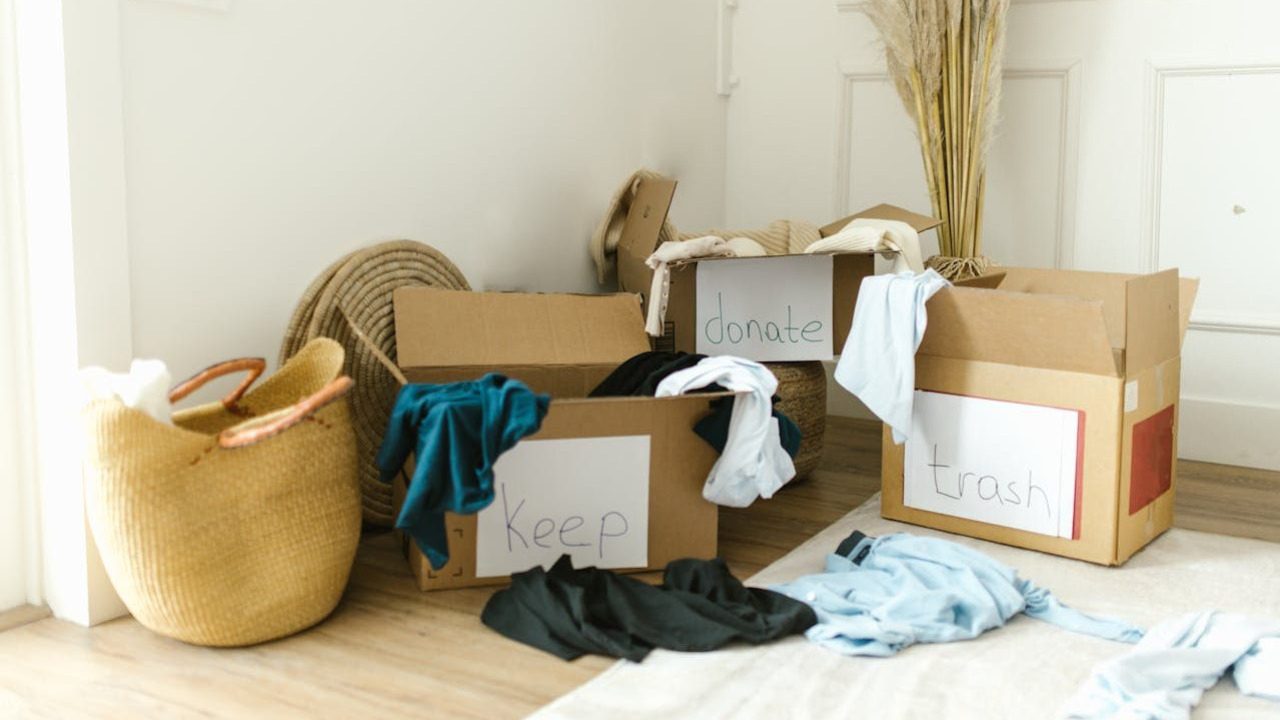
The 12-12-12 Challenge is a fun and effective way to quickly declutter. The challenge is simple: locate 12 items to throw away, 12 items to donate, and 12 items to be returned to their proper place.
This method is effective because it turns decluttering into a game, making the task feel less daunting. Plus, it’s a quick way to declutter 36 items from your home.
10. Use Vertical Space
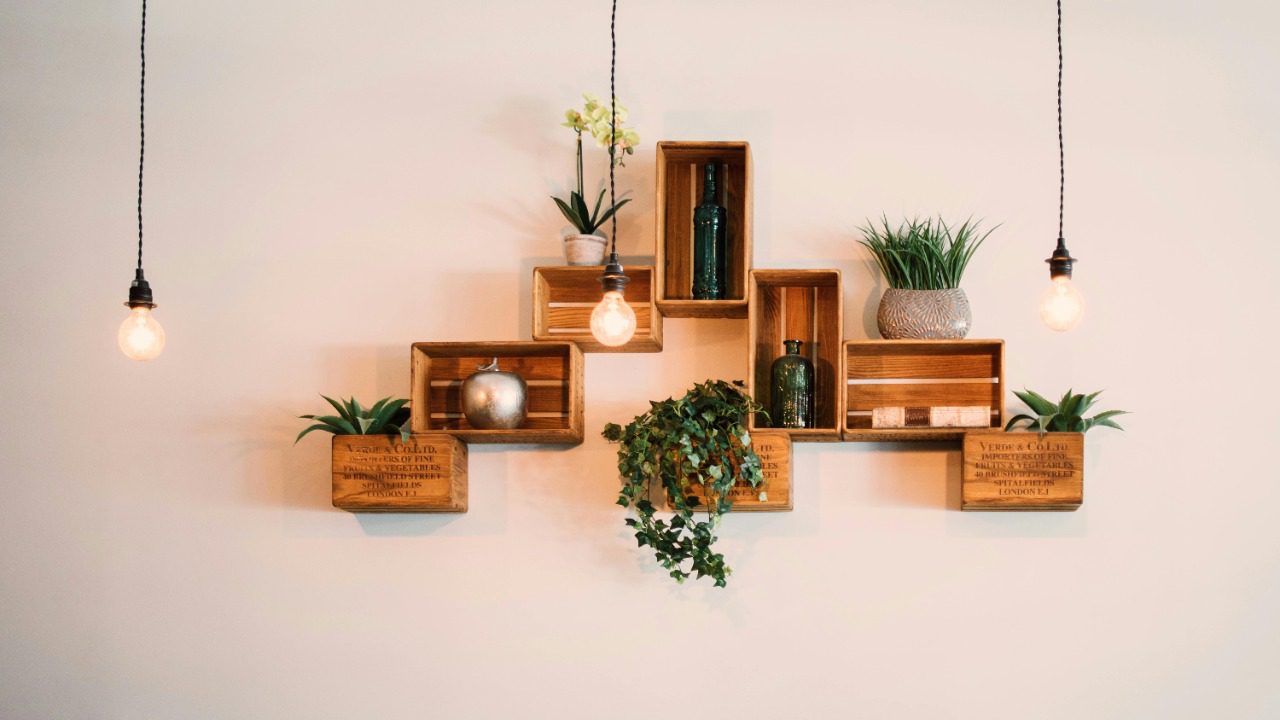
Using vertical space is a great way to declutter, especially in small living spaces. This could involve using tall bookcases, hanging shelves, or hooks on the wall or over the door.
By utilizing your vertical space, you can free up floor space and make your living area feel more spacious. Plus, it can make your belongings more accessible and easier to find.
11. Declutter Your Wardrobe

Decluttering your wardrobe can seem like a daunting task, but it can actually be done in under 10 minutes. Start by going through your clothes and separating them into categories: keep, donate, or throw away.
By decluttering your wardrobe, you can free up space and make your morning routine easier. Plus, it can help you identify items you no longer wear and make more mindful fashion choices in the future.
12. Use Multi-Purpose Furniture

Multi-purpose furniture is a great way to declutter and save space. This might involve a bed with built-in storage, a coffee table with shelves, or a bench that doubles as a shoe rack.
By utilizing multi-purpose furniture, you can reduce the amount of furniture you need and make your living space feel more spacious. Plus, it provides extra storage for your belongings.
13. Declutter Your Bathroom
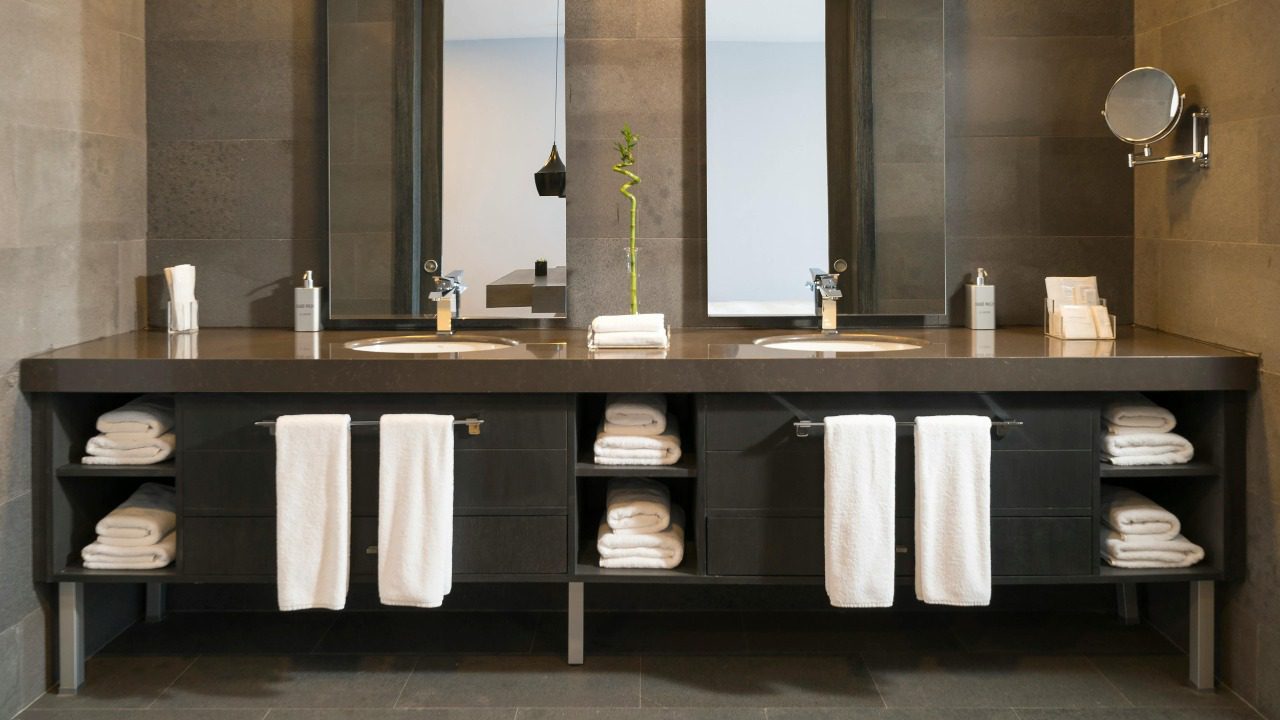
The bathroom is often a breeding ground for clutter. From expired products to unused items, it’s easy for things to accumulate. Take 10 minutes to go through your products and get rid of anything you don’t use or need.
By decluttering your bathroom, you can make your morning routine smoother and more efficient. Plus, it can free up valuable storage space.
14. Use the 20/20 Rule

The 20/20 Rule is a decluttering technique coined by The Minimalists. The rule is simple: if you can replace an item in 20 minutes for less than $20, get rid of it.
This rule can help you get rid of items you’re holding onto “just in case”. By eliminating these items, you can free up space and reduce clutter.
15. Implement the Hanger Trick

The Hanger Trick is a simple yet effective way to declutter your wardrobe. The trick is simple: turn all your hangers in one direction. When you wear an item, turn the hanger the other way.
After a few months, any hanger that hasn’t been turned is holding an item you haven’t worn. This can help you identify items to get rid of and make your wardrobe more manageable.
16. Use Drawer Dividers


Drawer dividers are a great way to declutter and organize drawers. They can be used in any drawer, from your kitchen to your bedroom.
By using drawer dividers, you can keep similar items together and make your belongings easier to find. Plus, it can prevent your drawers from becoming a jumbled mess.
17. Declutter Your Kitchen

The kitchen is another area of the home that tends to accumulate clutter. From unused gadgets to expired food, it’s easy for things to pile up. Take 10 minutes to go through your kitchen and get rid of anything you don’t use or need.
By decluttering your kitchen, you can make cooking and meal prep easier and more enjoyable. Plus, it can free up valuable counter and cabinet space.
18. Ask Yourself the Right Questions
When decluttering, it’s important to ask yourself the right questions. Instead of asking, “Will I use this in the future?”, ask, “Have I used this in the last six months?”.
By asking the right questions, you can make more realistic decisions about what to keep and what to get rid of. Plus, it can help you avoid holding onto items “just in case”.