

Clutter is more than just an eyesore. It can cause stress, eat up your valuable time, and even impact your mental health. But the problem often isn’t just that we have too much stuff—it’s that we’re making our clutter worse without even realizing it. You may be surprised to find out that some of your everyday habits are actually contributing to the mess.
By understanding these habits, you can start to make positive changes and work towards a more organized, clutter-free life. So, let’s dive into 18 ways you may be making your clutter worse and how you can fix it.
1. Buying Without a Plan


One of the easiest ways you can add to your clutter is by buying items without a plan. When you make impulse purchases, you’re more likely to bring home items you don’t need. This not only clutters up your space but also wastes your money.
Start making a list before you go shopping and stick to it. This can help you stay focused and avoid impulse buying. Also, consider implementing a waiting period for larger purchases. This gives you time to consider if you really need the item or if it’s just a spur-of-the-moment desire.
2. Not Regularly Decluttering


While it’s important to avoid bringing unnecessary items into your home, it’s equally important to regularly declutter. Clutter can accumulate without you even noticing, and before long, your home is full of items you no longer need.
Make decluttering a regular part of your routine. This doesn’t have to mean massive, exhausting cleanouts. Instead, try to do a little bit each day. This could be as simple as sorting through a drawer while you’re waiting for dinner to cook or cleaning out a closet on a lazy Sunday afternoon.
3. Treating Surfaces as Storage
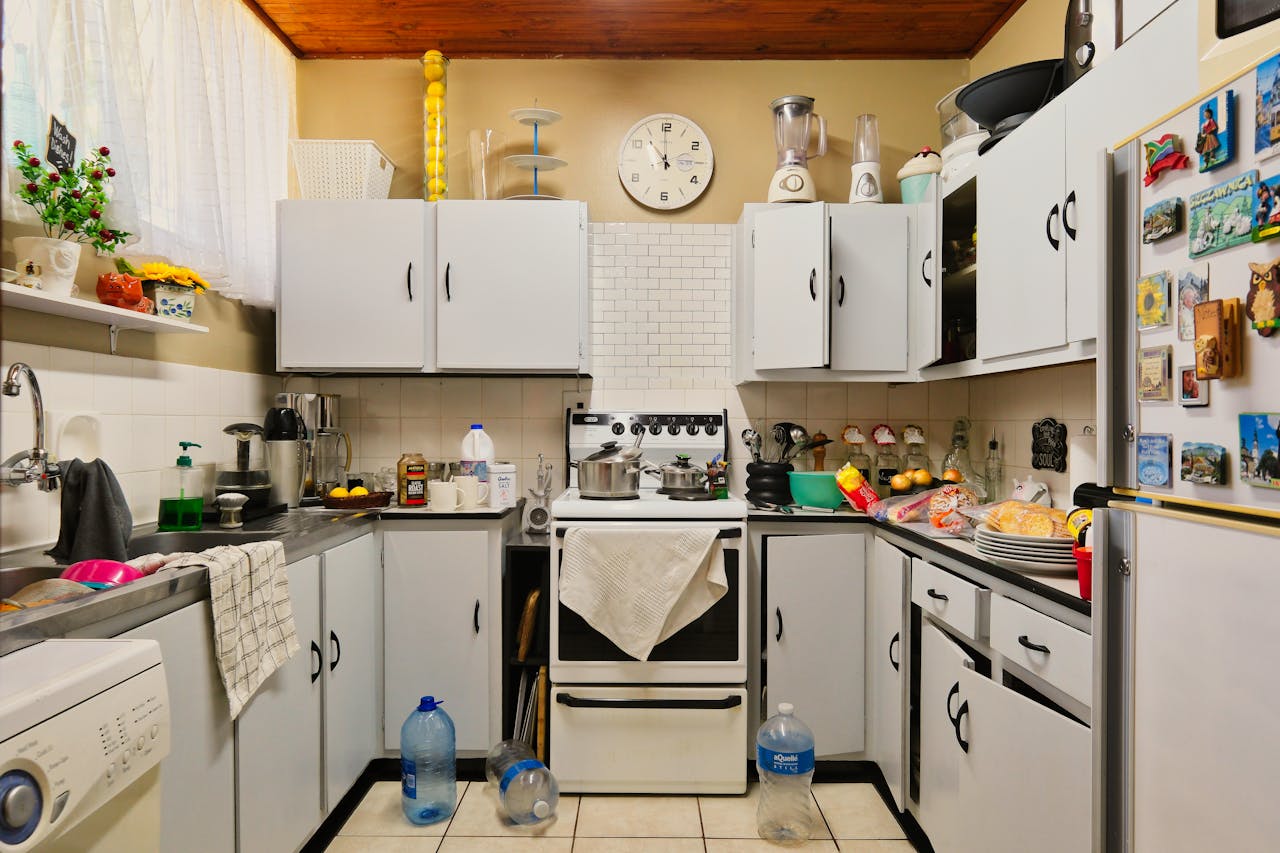
Flat surfaces—like tables, desks, and countertops—are clutter magnets. It’s easy to treat these spaces as storage, but this quickly leads to disorganized piles of stuff.
The key to breaking this habit is to give everything a home. Items should be stored in drawers, cabinets, or bins, not left out on surfaces. This not only reduces clutter but also makes it easier to find what you need when you need it.
4. Keeping Things “Just in Case”


Do you hang onto items just in case you might need them someday? This tendency can lead to a lot of clutter. While it’s good to be prepared, there’s a balance. It’s not worth keeping something if it’s just taking up space and gathering dust.
Remember, if an item isn’t serving a purpose in your life right now, it’s okay to let it go. If you do end up needing it in the future, you can always borrow, rent, or repurchase it.
5. Not Using Vertical Space


When it comes to organization and storage, vertical space is often overlooked. But by not utilizing this space, you’re missing out on a lot of potential storage.
Consider installing shelves or hooks to make the most of your vertical space. This can free up floor and surface space, reducing clutter. Plus, it can make your room look taller and more open.
6. Holding onto Sentimental Items


While it’s normal to hold onto items that have sentimental value, they can quickly take up a lot of space. It’s important to remember that you’re not obligated to keep everything.
Consider taking photos of sentimental items before you get rid of them. This way, you can keep the memories without the clutter. You could also repurpose items into something more practical, like turning old t-shirts into a quilt.
7. Not Having a System

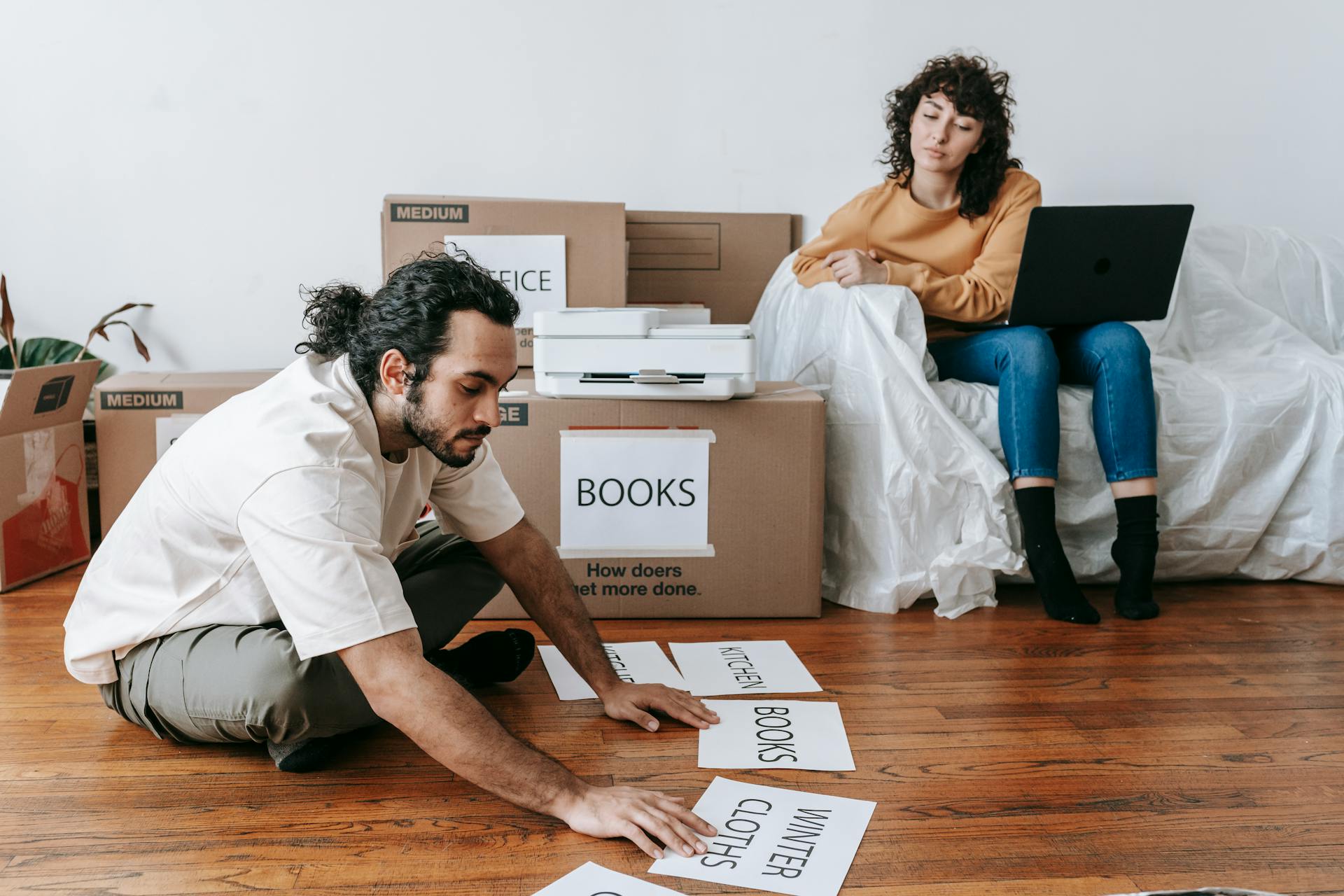
Without a system, it’s easy for clutter to take over. When you don’t have a designated place for everything, items can end up anywhere and everywhere.
Take some time to create a system that works for you. This could involve labelling bins, designating specific drawers for specific items, or creating zones for different activities. Once you have a system in place, it’s much easier to keep everything organized.
8. Buying in Bulk


While buying in bulk can save money, it can also lead to clutter. This is especially true if you’re buying more than you can realistically use before it expires or goes bad.
If you do buy in bulk, make sure you have a plan for using or storing the items. And remember, it’s not a good deal if it just ends up taking up space and creating stress.
9. Not Putting Things Away


It’s easy to leave items out after you use them, but this can quickly lead to clutter. Make it a habit to put things away as soon as you’re done using them.
This might take a little extra time in the moment, but it can save you a lot of time and stress in the long run. Plus, it’s much easier to find what you need when everything is in its proper place.
10. Keeping Unwanted Gifts

Gifts are meant to bring joy, but sometimes they just bring clutter. If you’ve received a gift that you don’t love or don’t have a use for, it’s okay to let it go.
Remember, the person who gave you the gift wanted to make you happy, not add to your clutter. Consider donating, regifting, or selling the item so it can bring joy to someone else.
11. Not Utilizing Storage Furniture

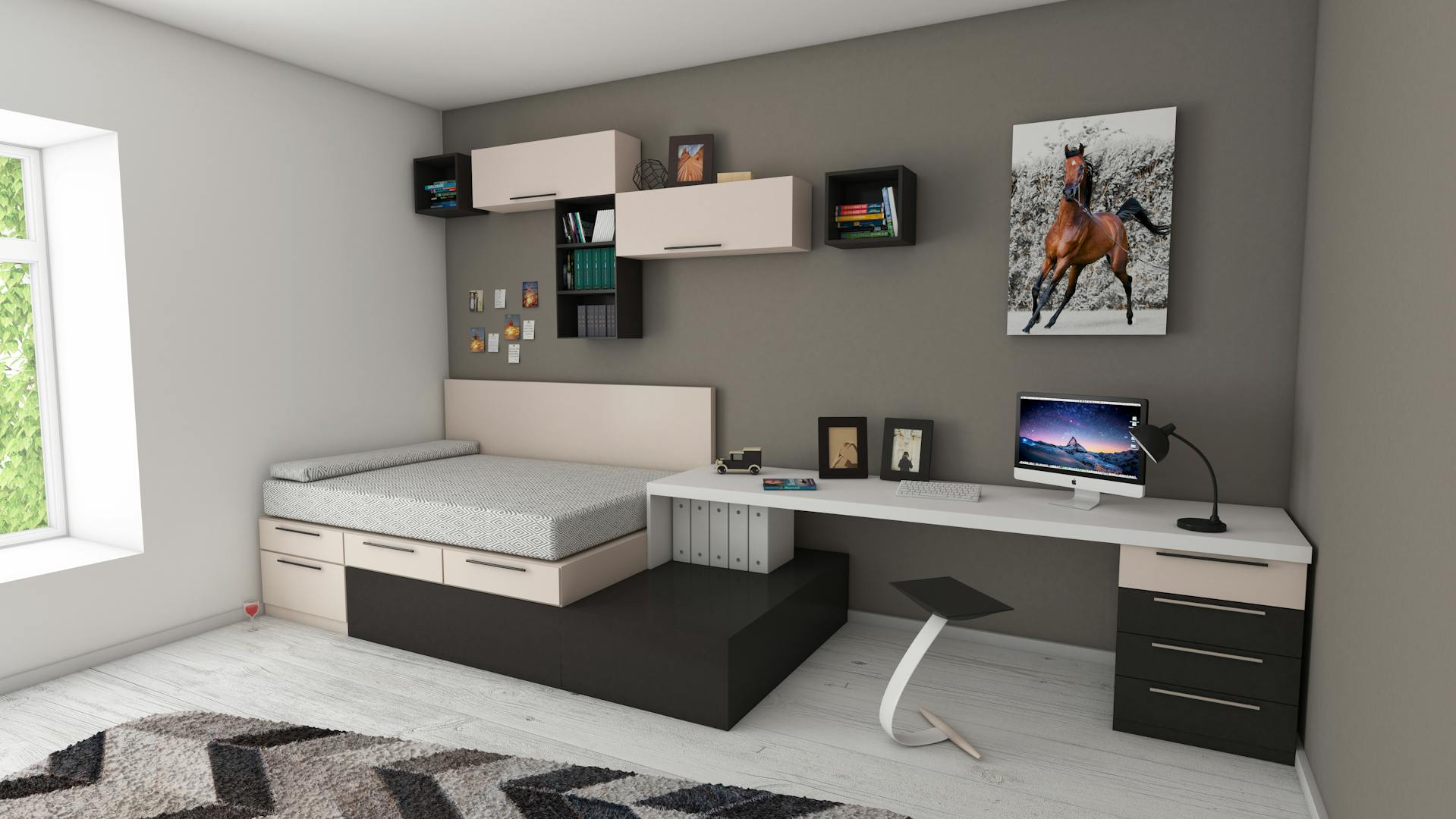
Furniture can do more than just provide a place to sit or sleep—it can also provide much-needed storage. By not utilizing storage furniture, you’re missing out on a lot of potential storage.
Consider investing in furniture that doubles as storage, like beds with built-in drawers or coffee tables with shelves. This can help you keep your space organized and clutter-free.
12. Holding onto Broken Items

Do you have a pile of items that you’re planning to fix someday? These items can quickly become clutter, especially if that day never comes.
If you’re not going to fix something within a reasonable amount of time, it’s time to let it go. This can free up space and reduce stress.
13. Keeping Paper Clutter

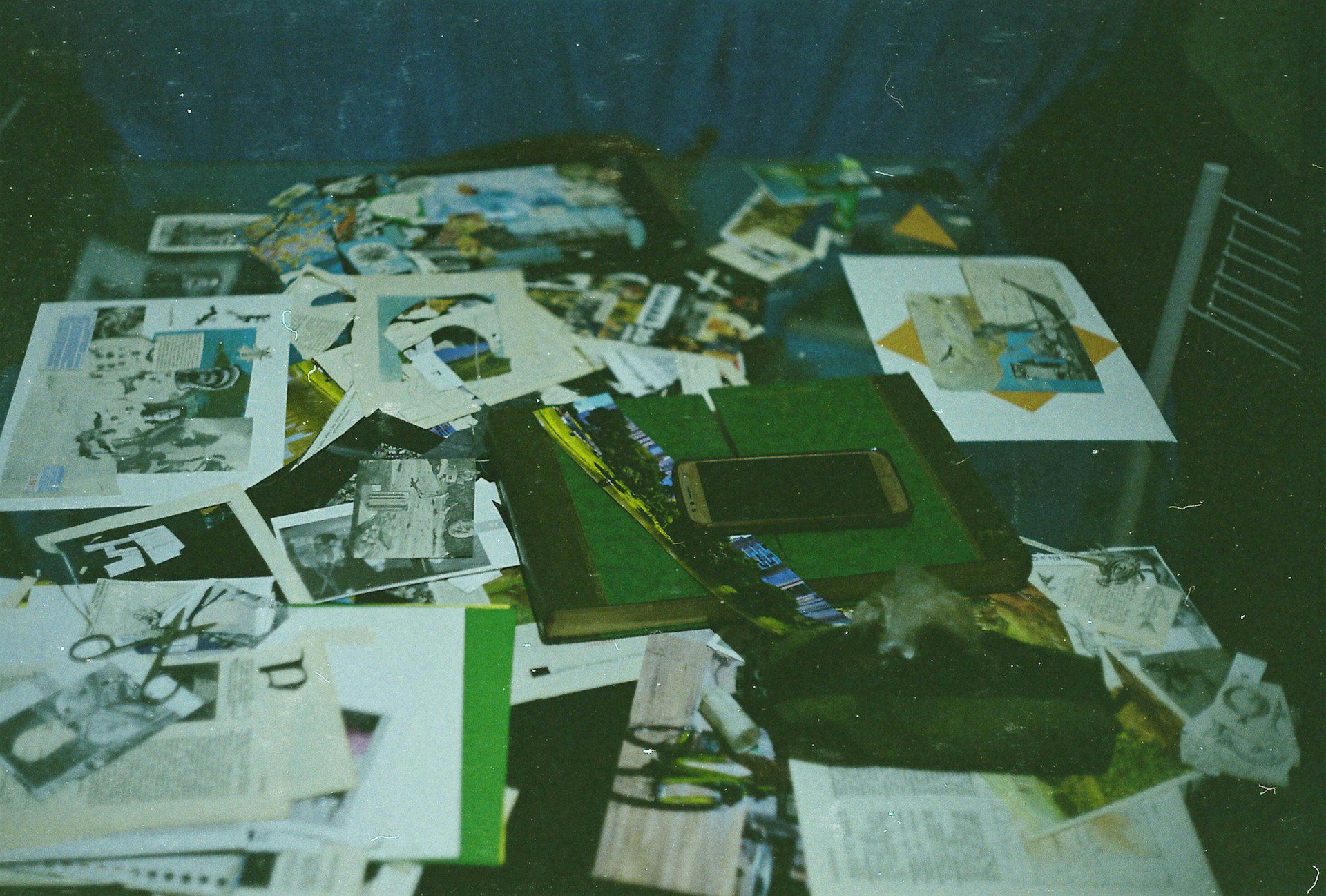
Paper clutter can quickly pile up, from mail to receipts to old schoolwork. But in today’s digital age, there’s no need to keep most of this paper.
Consider going paperless when possible, like opting for electronic bills or scanning important documents. This can drastically reduce the amount of paper clutter in your home.
14. Keeping Items Out of Guilt

Sometimes we hold onto items out of guilt, whether it’s because we spent a lot of money on it or because it was a gift. But if an item isn’t serving a purpose in your life, it’s just clutter.
Remember, it’s okay to let go of items, even if you feel guilty about it. What’s not okay is letting these items take up space and cause stress.
15. Not Organizing Digital Clutter

Digital clutter may not take up physical space, but it can still cause stress and waste time. From a messy desktop to an overflowing email inbox, digital clutter is a real problem.
Take some time to organize your digital space. This could involve deleting old files, organizing documents into folders, or unsubscribing from unnecessary emails. A clean digital space can make you more productive and less stressed.
16. Not Donating or Selling Unwanted Items

When you declutter, it’s important to actually get rid of the items. If you just move them to another area of your home, you’re not really solving the problem.
Consider donating, selling, or recycling unwanted items. This not only reduces clutter but also gives the items a new life.
17. Not Using Storage Solutions

Storage solutions can do wonders for reducing clutter. From bins to shelves to drawer organizers, there are so many options available.
Invest in storage solutions that work for your space and your needs. This can help you keep everything organized and easy to find.
18. Not Asking for Help

Decluttering can be overwhelming, especially if you have a lot of stuff. But remember, you don’t have to do it alone.
Consider asking a friend or family member for help. Or, hire a professional organizer. Sometimes, an outside perspective can make all the difference.