



When it comes to buying a home, millennial buyers have specific preferences that can quickly turn them off. Understanding what features or conditions push them away can help you avoid costly mistakes and make your property more attractive.
Knowing the home characteristics that millennials dislike can save you time and increase your chances of a successful sale. This article will guide you through the common deal-breakers so you can better cater to their needs.
Wood Cabinets in the Kitchen

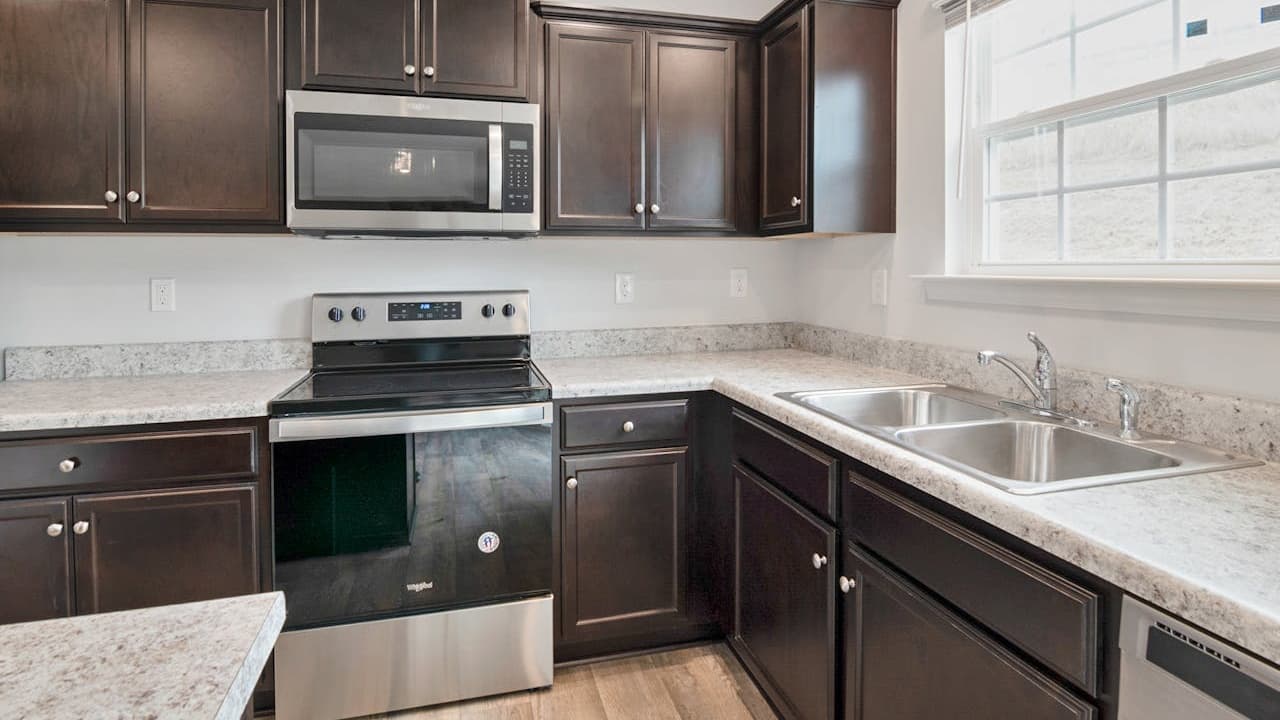
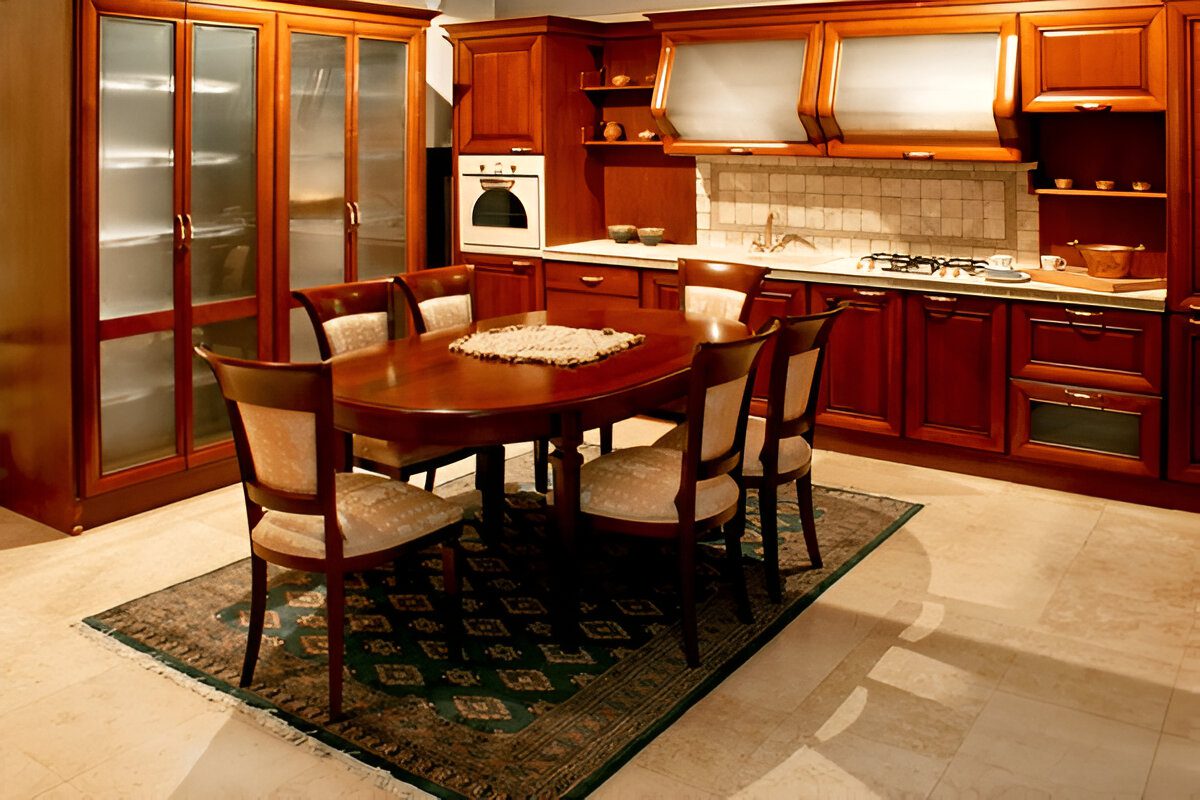
If your kitchen has dark or heavily grained wood cabinets, they might feel outdated to millennial buyers. Many prefer cabinets in warm white, greige, or sage green tones with clean lines.
You don’t need to replace everything; sometimes a fresh coat of paint or updated hardware can refresh the look. Keeping cabinets minimal and light helps your kitchen feel bright and modern.
Closed Floor Plans

If your home has a closed floor plan, it might feel cramped to millennial buyers. They often prefer open spaces where rooms flow into each other.
Closed layouts can make your home feel smaller and limit natural light.
Buyers want spaces where they can easily connect with family and friends, so blocked-off rooms may be a turnoff. Keep this in mind if you want to attract millennials.
Formal Dining Rooms
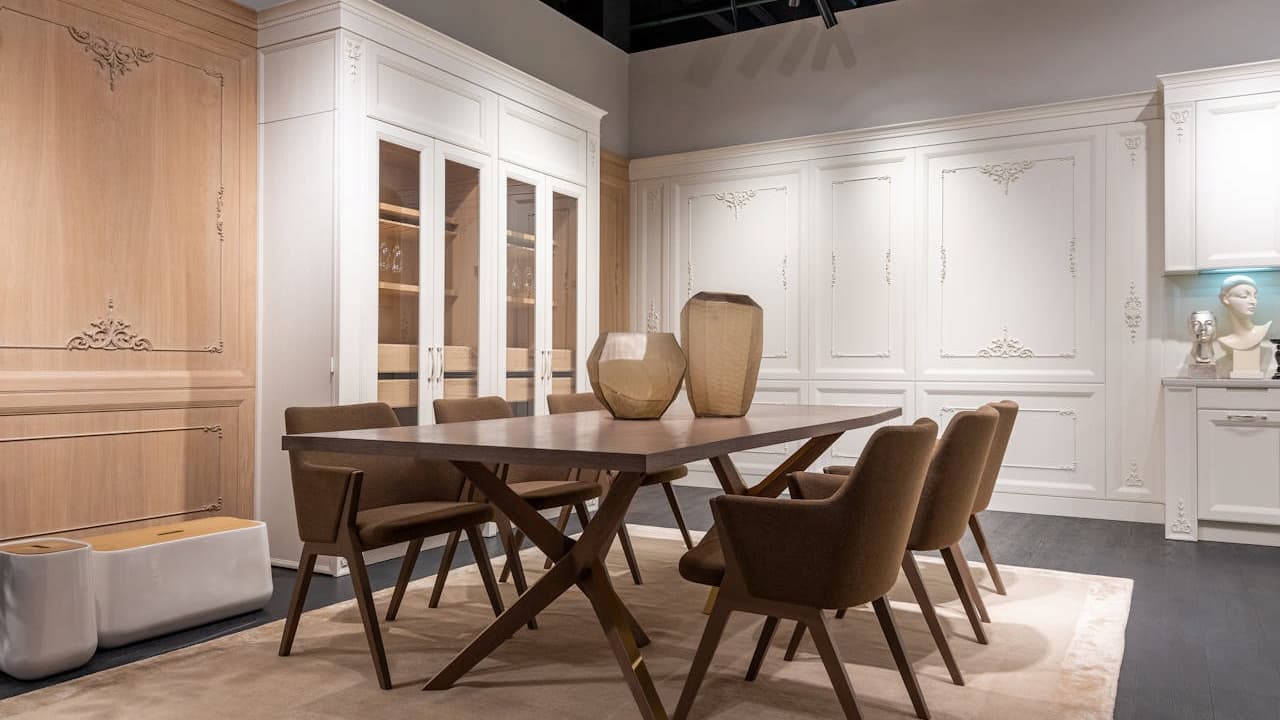
If you have a formal dining room, it might not appeal to many millennial buyers. They often prefer flexible spaces instead of rooms dedicated to a single purpose.
You can increase your home’s appeal by showing how the dining room can be used for other activities, like a home office or a play area. This helps buyers see more value in the space.
Keep in mind that formal dining rooms are more common in higher-end homes, so they aren’t a must-have for most millennials.
Small, Cramped Spaces

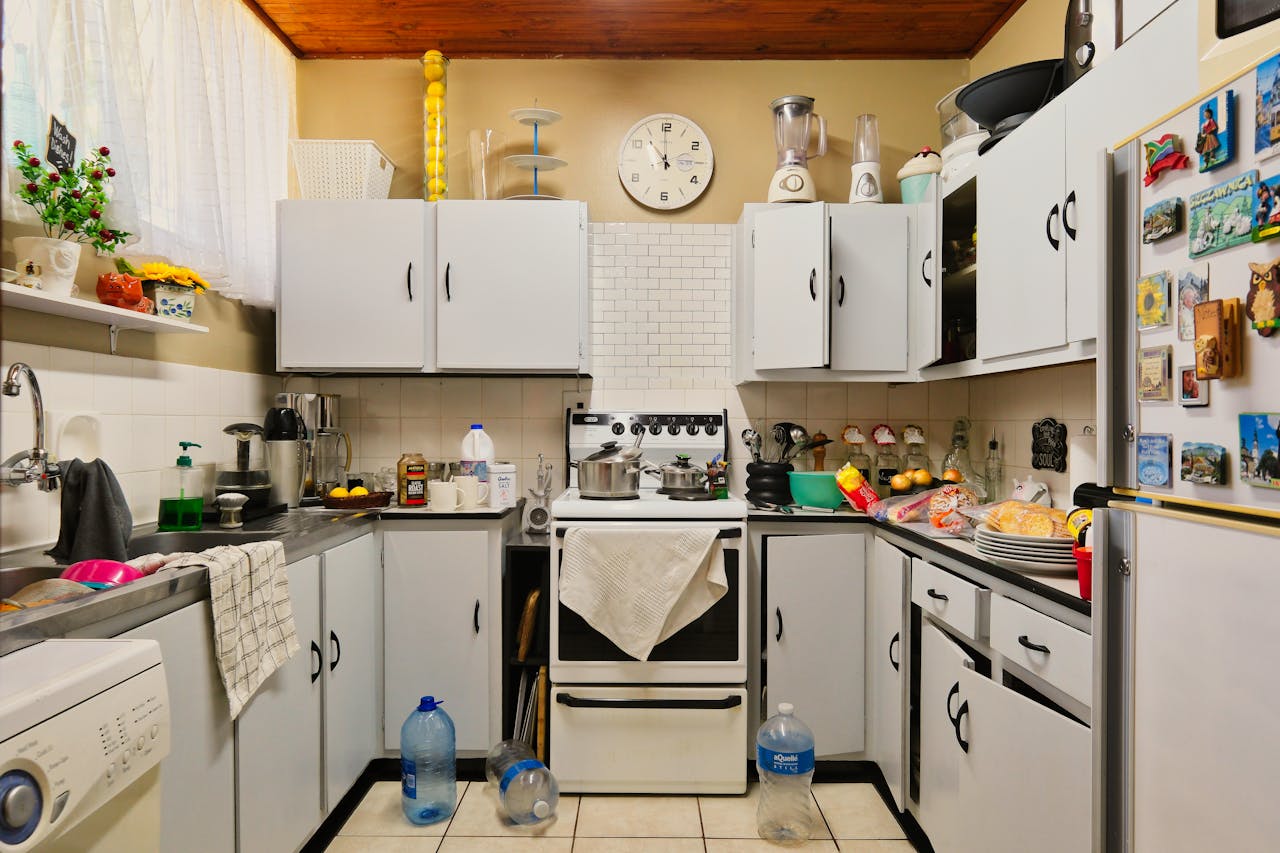
You want a home that feels open and comfortable, not crowded. Small, cramped rooms can quickly turn you off because they limit your ability to relax and entertain.
Millennials often look for at least 2,400 square feet of living space. If your home feels tight or packed, it might not match what you’re hoping for in a new place. Space matters, especially when you work from home or need room to grow.
Outdated Bathroom Fixtures


If your bathroom still has full glass showers or massive Jacuzzi tubs, it might feel a bit stuck in the past to millennial buyers. These features often look dated and can give the impression of a high-maintenance space.
Also, all-white bathrooms without any texture or contrast may seem plain and uninviting. Simple upgrades like modern fixtures and mixed materials can make a big difference to your bathroom’s appeal.
Lack of Natural Light
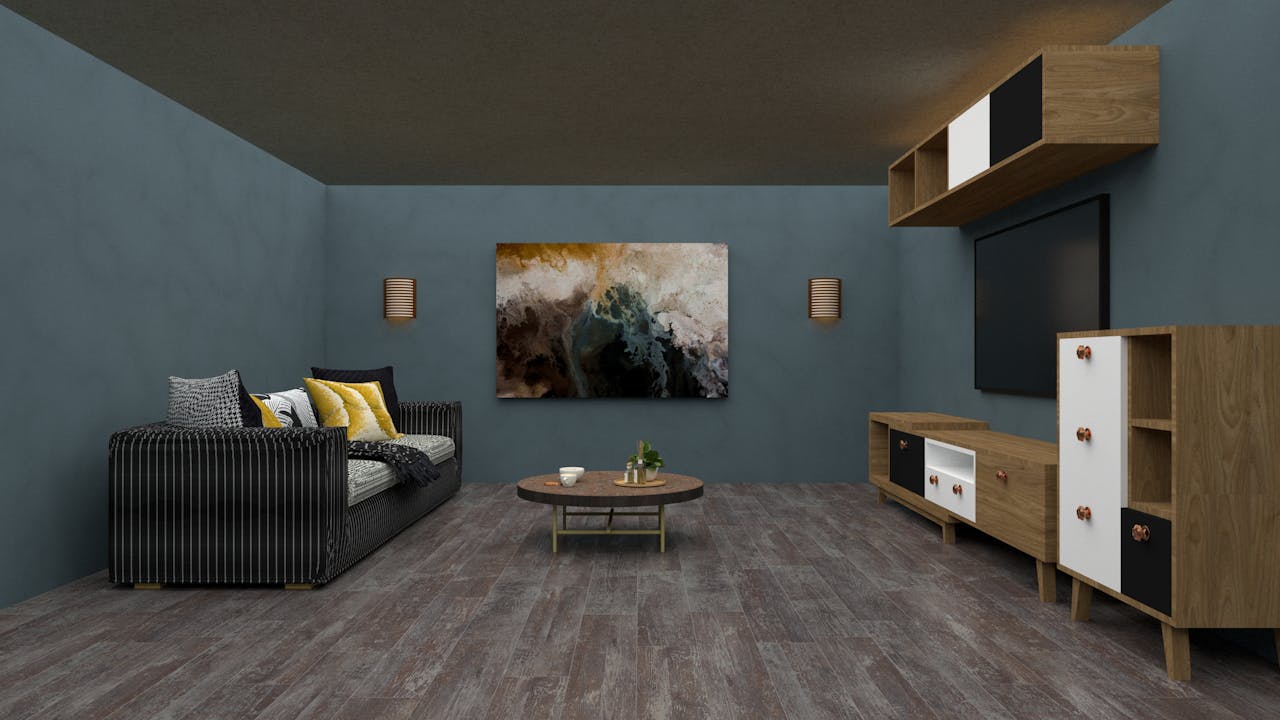
If your home feels dark or cramped, it can be a quick turnoff for millennial buyers. Natural light makes spaces feel bigger and more inviting.
Buyers often look for windows that let in plenty of daylight. This not only brightens the space but can also boost mood and energy.
Rooms without enough light may seem less appealing, even if the layout or size is good. Consider how natural light flows through your home.
Poor Energy Efficiency


If your home wastes energy, it’s likely to turn off millennial buyers. They look for houses that keep utility bills low and reduce environmental impact.
Old windows, poor insulation, and outdated heating can signal high energy costs. These features suggest extra expenses and more work.
You can make your home more appealing by upgrading to energy-efficient appliances and sealing drafts. Small improvements go a long way in catching a millennial’s eye.
Unfinished Basements

If your basement is unfinished, it might feel like wasted space to millennial buyers. They often look for areas that add livable square footage, not just storage.
Finishing the basement can create a bonus room, home office, or entertainment area. These upgrades show more functional value and can make your home more appealing.
Carpeted Kitchens

Carpeted kitchens are often a major turnoff for millennial buyers. You want a space that feels clean and easy to maintain, but carpet can trap spills, stains, and odors.
It also makes the kitchen look dated and less practical. Most buyers prefer hard surfaces like tile or wood that are simple to wipe down.
If your kitchen has carpet, consider replacing it with a more modern, durable flooring option to appeal to younger buyers.
Low Ceilings


Low ceilings can make your home feel cramped and less open. If the ceiling height is very low, it might even affect your comfort and how easily you can move around.
Many millennial buyers prefer bright, airy spaces with higher ceilings because they add to a home’s overall feel. Ceilings lower than 8 feet might be a turnoff, especially if they make rooms feel smaller or claustrophobic.
Non-Functional Layouts

If your home has a confusing or awkward floor plan, it can be a big turnoff for millennial buyers. They prefer open, flexible spaces that fit their lifestyle and allow easy movement.
Rooms that don’t flow well or have wasted space can feel impractical. Millennials often want layouts that support working from home or socializing with friends.
Avoid cramped rooms or poorly placed doors and hallways. A layout that doesn’t make sense can feel like a daily hassle rather than a comfortable home.
Older HVAC Systems


If your HVAC system is older, it might make millennial buyers hesitate. They often worry about higher energy bills and the chance of costly repairs.
A system that’s 15 to 20 years old could be seen as “on its last legs.” This might lower the appeal of your home.
Upgrading to a newer, more efficient system could help you attract buyers and even boost your home’s value a bit.
Dated Flooring Materials


If your home has old-fashioned or worn-out flooring, it can be a big turnoff. Materials like bamboo or cheap laminate might seem affordable but often feel less appealing to millennial buyers.
Hardwood floors are still popular, but avoid overly dark or cold tones. Instead, go for warm, natural finishes that make your space feel inviting. Your flooring should complement the home’s style without making it look stuck in the past.
Noisy Neighborhoods

You want a home where you can relax without constant loud distractions. Noisy streets, nearby bars, or busy highways can quickly wear down your patience.
If your neighborhood buzzes all day and night, it can affect your sleep and overall comfort. Many millennials prefer quieter areas to create a peaceful living space.
Consider noise levels when hunting for a home. It’s a small detail that makes a big difference in your daily life.
Limited Storage Space


You’ll find limited storage can be a big turnoff. Millennials look for homes where everyday items have a place, making clutter easier to manage.
Without enough closets or pantry space, the home might feel cramped quickly. You want storage that fits your lifestyle, whether it’s for work gear, fitness equipment, or seasonal items.
Good storage helps keep your space organized and functional, which is often more important than extra square footage.
Complicated Staircases


If your staircase has busy patterns or tricky designs, it might feel unsafe or confusing. You could easily miss a step or trip without realizing it.
Spiral staircases look cool but aren’t always practical for everyday use. They can limit furniture movement and may not suit everyone’s style.
Simple, solid colors and straightforward layouts work better for most millennials. They prefer ease and clarity over complicated shapes or patterns.
Old Electrical Wiring

If your home still has old wiring like knob-and-tube or two-prong outlets, it can be a red flag for millennial buyers. These systems may not handle modern electrical demands safely.
Outdated fuse boxes and the absence of GFCI outlets in wet areas also worry buyers. They often mean costly updates.
You want your electrical system to feel safe and up to date to avoid turning off potential buyers quickly.
No Smart Home Features

If your home lacks smart technology, it might be a turnoff for many millennial buyers. They often expect devices like smart thermostats, lighting, and security systems to be part of the package.
You don’t need the latest gadgets, but having some smart features shows the home is modern and energy-efficient. This can make your property feel more convenient and appealing.
Lack of Outdoor Living Space

If your home doesn’t have a usable outdoor living area, it might turn off many millennial buyers. They value outdoor spaces that can be enjoyed and adapted for different activities.
Younger buyers often look for areas where they can entertain or relax outside. Without this, your home could feel less appealing or limiting to them.