


Clutter can quietly take over your home without you realizing it, making spaces feel smaller and more chaotic. You might not notice how many unnecessary items stack up, creating stress and making it harder to find what you actually need.
Knowing which common things are often cluttering American households can help you clear out space and bring more order to your daily life. By identifying these items, you can start simplifying your environment and enjoy a tidier, more comfortable home.
Expired coupons and receipts


You might hold on to coupons hoping to use them later, but expired coupons just take up space. Sorting through them regularly helps keep your home clutter-free.
Receipts often pile up without much purpose once the return window closes. Consider recycling receipts that no longer serve a practical need.
Keeping only recent and relevant coupons and receipts makes your organization simpler and your space cleaner.
Old magazines and newspapers


Old magazines and newspapers can quickly pile up in your home. They often take up space without adding much value.
If you haven’t looked at them in months, it’s likely time to let them go. Keeping only a few current or important issues makes your space neater.
Consider recycling them to reduce clutter and create more room for items you actually use or enjoy.
Unused kitchen gadgets


You probably have a few gadgets that look fun but rarely see action. Items like spiralizers, egg cookers, or strawberry hullers often end up collecting dust.
These tools can take up valuable space without adding much convenience. Keeping only what you use regularly makes your kitchen easier to organize.
Consider donating or recycling gadgets that haven’t been touched in months. This clears clutter and helps you focus on essentials when cooking.
Outdated tech devices


You probably have old phones, laptops, or game consoles tucked away somewhere. Many people keep these devices because they’re unsure what to do with them.
Holding on to outdated tech can clutter your space and make it harder to find what you actually use. If you don’t plan to fix or sell them, consider recycling or donating to clear out some room.
Duplicate tools

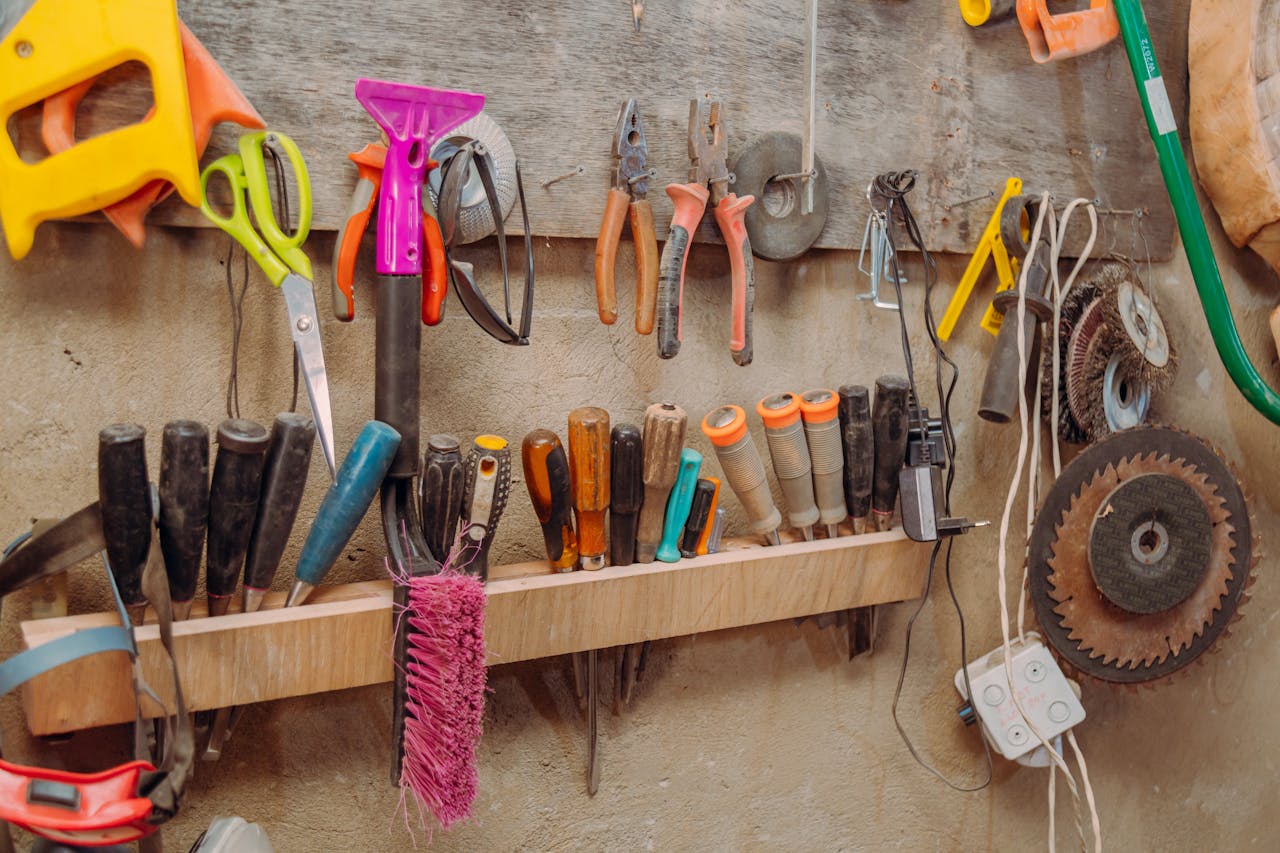
You might have more than one of the same tool hiding in your toolbox or garage. These duplicates take up space and make it harder to find the one you actually need.
Getting rid of extra screwdrivers, hammers, or wrenches can free up room and reduce clutter. Keep only the tools you use regularly, and recycle or donate the rest. This makes your workspace neater and your tasks easier.
Clothes never worn in years
You probably have clothes tucked away that haven’t seen the light of day in years. These items often take up space but don’t add value to your wardrobe.
Sometimes you keep clothes for sentimental reasons or the hope of fitting into them again. But holding onto them can create unnecessary clutter.
Letting go of these unworn clothes can free up room and make it easier to find what you actually wear. You might be surprised how much lighter your space feels.
Broken or missing-piece board games


You probably have board games tucked away with missing pieces or damaged parts. These incomplete games often sit unused, taking up valuable space.
Keeping broken games can cause frustration when you want to play but don’t have everything. You might find it easier to donate or recycle these games instead.
If you want to keep a game, check if replacement pieces are available before holding onto it. Otherwise, consider letting it go to reduce clutter in your home.
Excessive plastic containers

You probably have more plastic containers than you actually need. They tend to multiply quickly, especially when you keep buying new sets to organize things.
Having too many can create clutter instead of solving it. Try sorting through your collection and keeping only those with matching lids and that you use often.
This simple step can reduce mess and make your storage much easier to manage. It’s better to focus on quality and functionality rather than quantity.
Unused sports equipment


You might have sports gear tucked away that you rarely use. Balls, racquets, or bats often pile up, especially in garages or closets.
If your exercise habits have changed, some equipment may no longer fit your routine. Clearing out what you don’t use can free up valuable space.
Think about donating items in good condition. They could be useful to someone else instead of just sitting around.
Unmatched socks


You probably have a pile of socks missing their partners. Instead of tossing them immediately, consider repurposing them as cleaning rags. They work well for dusting fans, light fixtures, or even wiping down surfaces.
If you don’t want to keep them, check if your area has textile recycling. Donating to places that accept textiles is another option. This way, you avoid extra clutter and reduce waste.
Old phone chargers

You probably have more phone chargers than you actually need. Many chargers end up stored away, unused, because devices change or cables get replaced.
Instead of tossing them in the trash, consider donating or recycling them. Local e-waste drop-off points are a great way to responsibly get rid of old cables.
Keeping just one or two chargers for each device can help cut down clutter and make your space feel more organized.
Empty or dried-up cosmetics


You likely have makeup or skincare products that are nearly empty or dried out. These items take up space but no longer serve a purpose.
Holding onto old mascara, lip balm, or foundation can be tempting, but they can affect your skin or cause irritation. Tossing them frees up room in your bathroom or vanity.
Regularly checking expiration dates helps you keep only what’s fresh and useful. This small habit reduces clutter and keeps your routine safer.
Excess takeout menus

You probably have more takeout menus than you realize, stuffed in drawers or stuck to your fridge. They pile up quickly and lose their usefulness as restaurant options change.
Keeping just a few favorites on hand is enough. The rest can be recycled or tossed to free up space and reduce clutter.
This small step helps clear your kitchen and makes it easier to find what you actually need when hunger strikes.
Expired medications


You probably have expired medications hidden in your bathroom or medicine cabinet. These old pills and creams take up space and can be unsafe to use.
It’s a good idea to check your medicines every six months. Safely dispose of anything expired or no longer needed to avoid accidental poisoning or environmental harm.
Most medicines can be thrown in the trash, but check if they are on the FDA’s flush list first. This simple step helps keep your home clutter-free and safer.
Torn or stained linens

You might hold on to torn or stained linens thinking they’re still useful. However, these fabrics often take up valuable space without serving their purpose.
Instead of keeping them, consider repurposing old linens as cleaning rags. This way, you reduce clutter and give them a second life.
If they’re beyond reuse, it’s okay to let them go. Clearing out these items helps keep your home fresh and organized.
Dusty decorative items

You might find many decorative items around your home that rarely get touched. Over time, these items collect dust and add to the visual clutter.
If you haven’t enjoyed or noticed them in months, consider removing some. This can make your space feel fresher and easier to clean.
Keeping only a few meaningful pieces helps you appreciate your decor without feeling overwhelmed by dust.
Old hobby supplies
You might have old hobby supplies taking up space without you realizing it. These items often accumulate when hobbies are left behind or lose interest.
Keeping all your craft or hobby materials “just in case” can make your home feel cluttered.
Sorting through and letting go of unused supplies can free up room and help you focus on the hobbies you truly enjoy.
Excessive paperbacks
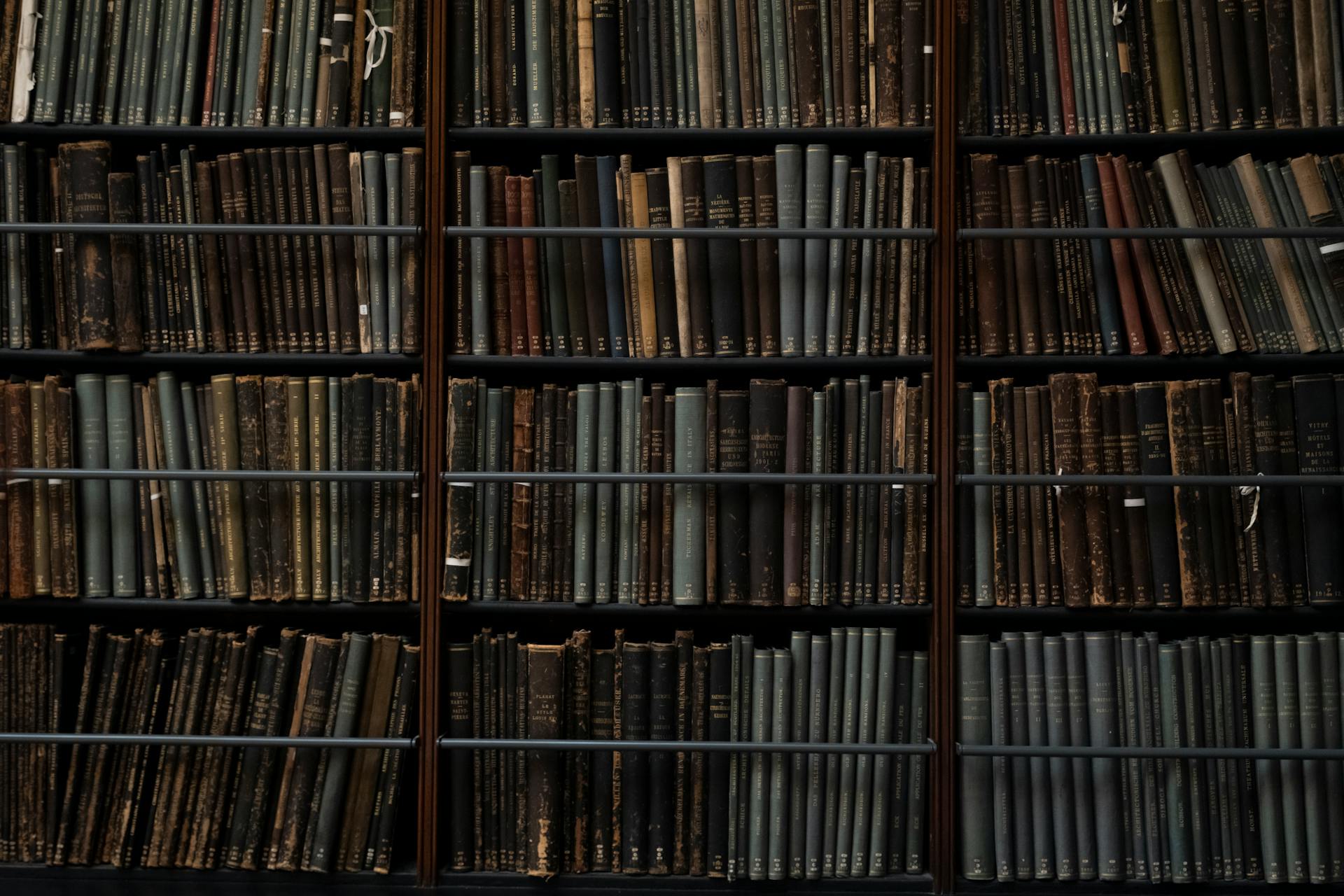
You might have more paperbacks than you realize collecting dust on shelves. These books can pile up when you buy more than you have time to read.
Holding on to every novel or guide can limit space for items you actually use. Consider donating or swapping books you no longer need.
This small change can free up room and make your collection feel less overwhelming. You don’t need to keep every paperback to enjoy reading.
Single-use plastic bags

You probably have a stack of single-use plastic bags cluttering your home. These bags are designed for convenience but often end up as waste after just one use.
While they can be handy, you can replace them with reusable bags to cut down on clutter and help the environment. Banning or cutting back on these bags makes them less convenient, encouraging better habits.
By choosing alternatives, you reduce unnecessary plastic piling up in your space and reduce the impact on your local environment.