

1. Start Small


Don’t overwhelm yourself by trying to declutter your entire home in one day. Instead, start with one area or room, and slowly work your way through the house. This could be a drawer, a closet, or a room. By breaking down the task into smaller, more
manageable chunks, you’re more likely to maintain your motivation and less likely to feel overwhelmed. For example, dedicate one day to decluttering your kitchen cabinets. Get rid of expired food items, unused dishes, and duplicate items.
2. Keep, Toss, Donate

One effective strategy for decluttering is to sort items into three categories: keep, toss, and donate. Items you use regularly and love should stay. Items that are broken, damaged, or no longer useful should be tossed. Items that are still in good condition but no longer needed can be donated to those in need. This method not only helps you reduce clutter but also promotes a sense of generosity and goodwill.
3. Use Storage Solutions

Maximize your home’s storage potential by using shelves, boxes, and bins. These can be used to store items neatly and efficiently, making it easier to find what you need when you need it.
For example, use clear plastic bins to store children’s toys, making them easy to see and access. Use shelves in your garage to store tools, outdoor equipment, and other items that aren’t used daily. By using these storage solutions, you can create a more organized and functional home.
4. Involve the Whole Family

Decluttering should be a family affair. Encourage all family members to participate in the decluttering process. This not only makes the process quicker but also teaches children the importance of responsibility and organization. Make it fun for kids by turning it into a game.
For example, see who can fill up a donation box the fastest. By involving the whole family, you’re creating a team effort towards a more organized home.
5. Regularly Schedule Decluttering Sessions

Don’t wait until your home is overflowing with clutter to start decluttering. Instead, schedule regular decluttering sessions. This could be once a week, once a month, or once a season. By doing this, you’re maintaining a clutter-free home and preventing the buildup of unnecessary items. Mark these sessions in your calendar and treat them as non-negotiable appointments.
6. Digitize Documents

In today’s digital age, there’s no need to keep piles of paper documents. Scan important documents and store them digitally to reduce paper clutter. This includes bills, receipts, and important documents like birth certificates and passports. By doing this, you’re not only decluttering but also creating a safe and secure digital backup of important documents.
7. Use the One-In, One-Out Rule

To prevent your home from becoming cluttered again, implement the one-in, one-out rule. This means that for every new item you bring into your home, one item must go. This keeps the number of items in your home constant and prevents the accumulation of unnecessary items. For example, if you buy a new pair of shoes, donate or toss an old pair.
8. Declutter Your Digital Life

Don’t forget to declutter your digital life too. This includes your email inbox, computer files, and social media accounts. Delete unnecessary emails, organize your computer files into folders, and unfollow social media accounts that no longer serve you. By doing this, you’re creating a more organized and efficient digital environment.
9. Use Vertical Space
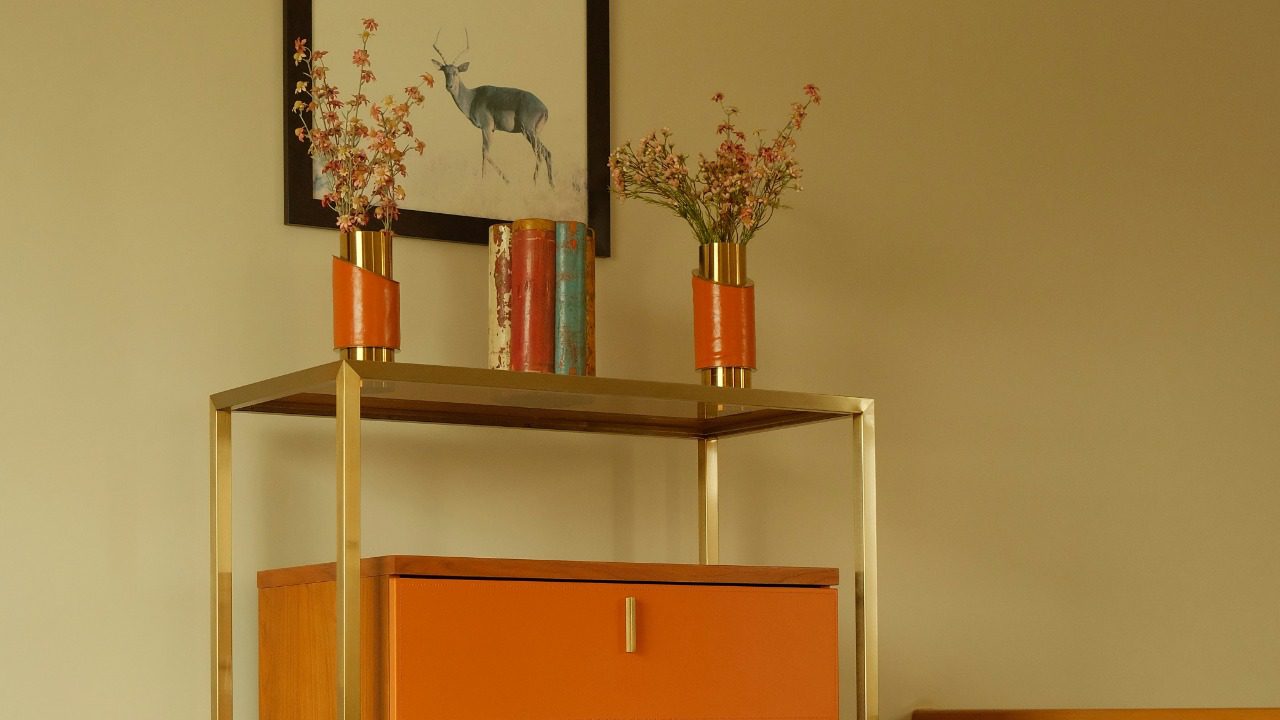
If you’re short on storage space, utilize your home’s vertical space. Install shelves or hooks on walls to store items. This not only creates additional storage space but also keeps items off the floor, creating a more open and spacious environment. For example, use hooks in the bathroom to hang towels and bathrobes.
10. Create a Home for Every Item
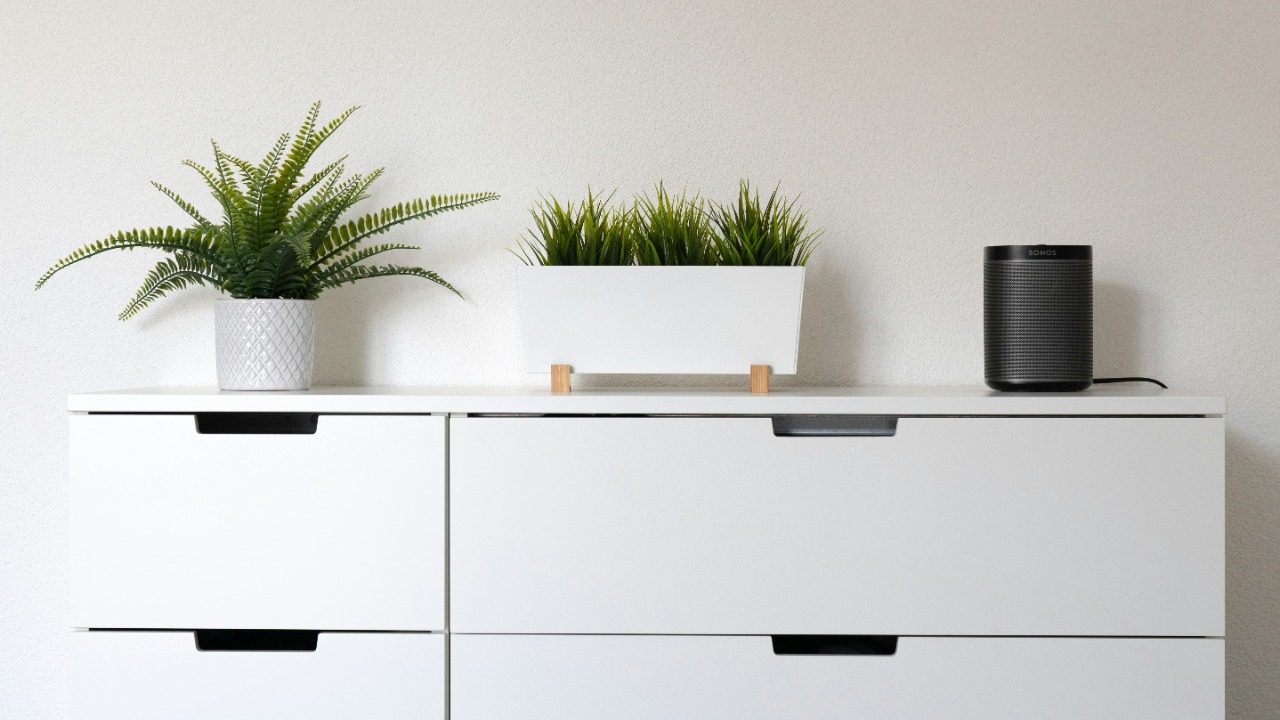
Every item in your home should have a designated place. This makes it easier to find items when you need them and prevents items from being left out and creating clutter. For example, keys should always be kept in a specific spot, like a key holder by the front door. By creating a home for every item, you’re creating a more organized and efficient home.