


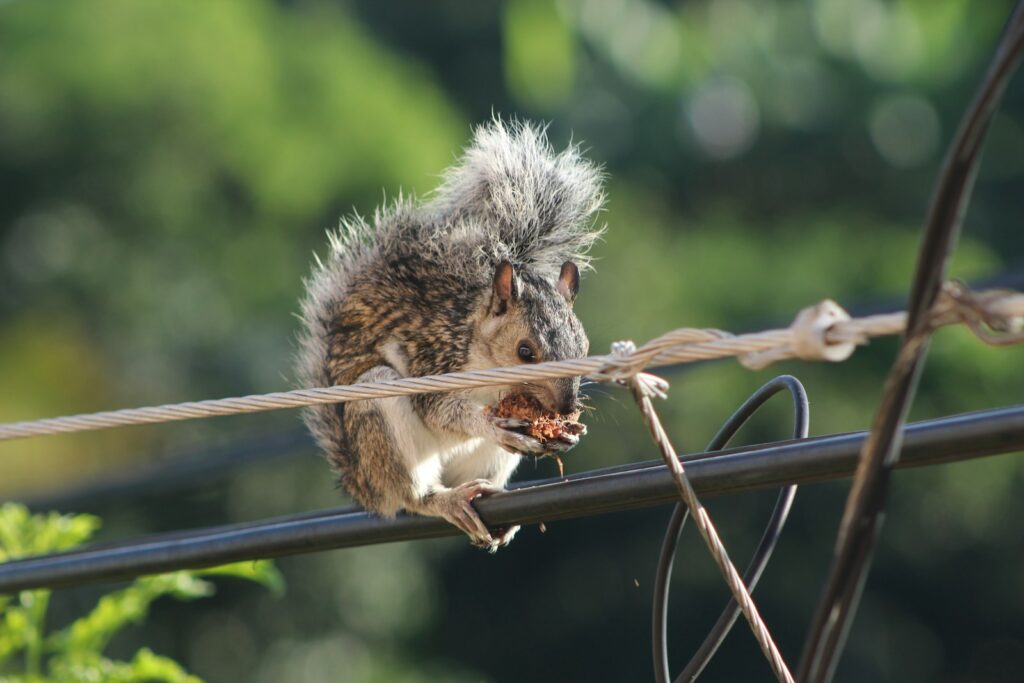
Squirrels can turn quiet wiring into a serious hazard, and one affordable item from Lowe’s claims to block those chewing attacks before they start. You can reduce the risk of rodent-damaged wires—and the fires they can cause—by installing a simple protective sleeve available at many hardware stores.
They’ll walk through how that $20 solution works, where to buy it, and practical tips to make the fix stick. The article also outlines extra steps to safeguard wiring and your home so you don’t rely on one product alone.
$20 Lowe’s Solution to Squirrel Wire Chewing

The product provides a low-cost physical barrier homeowners can buy at a big-box store and use around exposed wiring in attics, eaves, and around outdoor fixtures. It’s a metal mesh intended to stop rodents from getting direct access to insulation and conductor jackets.
What Is the $20 Lowe’s Item?
The item is a roll of galvanized steel stucco or hardware mesh sold in lengths suitable for home projects. It measures roughly 27 inches by 8 feet in the cited listing and costs about $19.50, which fits many small repair budgets. The mesh has small, diamond-shaped openings and a stiff but bendable structure that holds shape when wrapped.
Homeowners can cut it with tin snips to size, fold edges to remove sharp points, and overlap sections to create continuous coverage. It resists rust better than plain steel because of galvanization, making it suitable for damp attics and outdoor use.
How It Prevents Squirrels From Damaging Wires
Galvanized mesh protects wiring by creating a physical barrier squirrels cannot easily bite through. When wrapped around cables or installed around junction boxes, the mesh prevents rodents from reaching insulation and conductor jackets with their incisors. The small openings and metal thickness stop gnawing and force squirrels to seek softer targets elsewhere.
Properly installed, the mesh also denies entry points into attics and soffits where squirrels often access wiring runs. Combining mesh installation with sealing gaps and trimming tree branches reduces the chance rodents will encounter protected wiring in the first place.
Installation and Effectiveness
Installation requires basic tools: tin snips, work gloves, and staples or metal fasteners. Cut the mesh to wrap the cable run or enclosure, bend edges inward to avoid sharp ends, and fasten every 12–18 inches so the shield won’t sag. Overlap seams by at least one mesh diamond to prevent gaps where chewing can begin.
Effectiveness depends on covering all exposed sections and addressing alternate entry routes. Mesh works well for spot protection and short runs; for whole-house wiring or HVAC ducts, professional-grade conduit or armored cable (BX/MC) provides a more permanent solution. Homeowners should inspect yearly for loosened fasteners or new gaps.
Why Squirrel-Damaged Wires Can Cause House Fires
Squirrels chew through insulation and bare conductors, which can create short circuits when live wires contact grounded metal or building framing. Short circuits can overheat junctions, trip breakers, or, if undetected, ignite nearby combustible materials in attics or wall cavities. Electrical arcing from damaged wiring produces high temperatures that can start smoldering fires behind walls.
Beyond fire risk, chewed wires cause outages, appliance damage, and expensive electrician calls. Addressing rodent access and shielding vulnerable wiring reduces both immediate fire hazards and the long-term costs of repeated repairs.
(For product details and the specific Lowe’s listing, see the galvanized steel stucco netting described at The Irish Sun’s coverage: galvanized steel stucco netting, 27″ x 8′ for $19.50.)
Extra Steps to Protect Your Home From Rodents
They should inspect wiring routes, seal entry points, and use simple barriers and traps to reduce chewing and nesting risks. Practical, low-cost measures and timely professional help make the biggest difference.
Signs of Squirrel Infestations Around Wires
Look for fresh chew marks on exterior conduit, cable jackets, or junction boxes. Squirrels leave ragged edges and exposed copper; insulation fibers or small piles of shredded plastic near wiring indicate recent activity.
Listen for high-pitched scratching or scurrying in attics and above soffits, especially at dawn and dusk when squirrels are most active. Intermittent electrical flicker, tripped breakers, or burned-smell near outlets can signal compromised wiring.
Check rooflines and eaves for entry routes: torn soffit vents, gaps at ridge caps, or missing shingles let squirrels access wiring paths. Note droppings (plump, rounded) and greasy fur smears along runways as additional confirmation.
Document locations with photos and date stamps so homeowners know whether damage is recurring. That record helps prioritize repairs and communicate clearly with technicians.
Low-Cost Maintenance and Safety Measures
Start by trimming tree limbs at least 8–10 feet away from the roof to remove launch points. Replace exposed single-conductor cable with conduit or use steel cable armor to prevent gnawing at vulnerable runs.
Seal exterior gaps with 1/4″ hardware cloth, copper mesh, or silicone-based caulk—focus on vents, eaves, foundation seams, and gaps around utility penetrations. Use stainless-steel wool in larger voids before caulking.
Install motion-activated lights near common access points to deter nocturnal visits. Set snap traps along attic runways and behind appliances; bait with peanut butter and check traps daily for humane disposal.
Label and mark repaired wiring and protected runs so future inspectors know what was done. For recommended retail options and local availability, homeowners can compare products at stores such as Lowe’s and The Home Depot.
When to Call a Professional
Call an electrician immediately if there’s visible wiring damage, persistent tripping breakers, or a burning odor. Professionals can de-energize circuits, perform safe repairs, and replace compromised cable with rodent-resistant options like steel-braided conduit.
Contact a licensed pest control or wildlife removal service when evidence shows active nesting, repeated re-entry, or if traps fail to control the population. They use exclusion techniques and humane relocation where permitted.
Hire a contractor for structural repairs—soffit reconstruction, roof flashing, and attic insulation replacement—if damage is extensive. Request written estimates, proof of licensing, and insurance before authorizing work.
Keep contact details for both an electrician and a pest pro in an accessible place; prompt coordinated action reduces fire risk and repair costs.
More from Decluttering Mom: