

Picture the credit card alert that pops up on your phone. Some store you have never heard of just charged you, and the only person who touched that card or that tablet was your child.

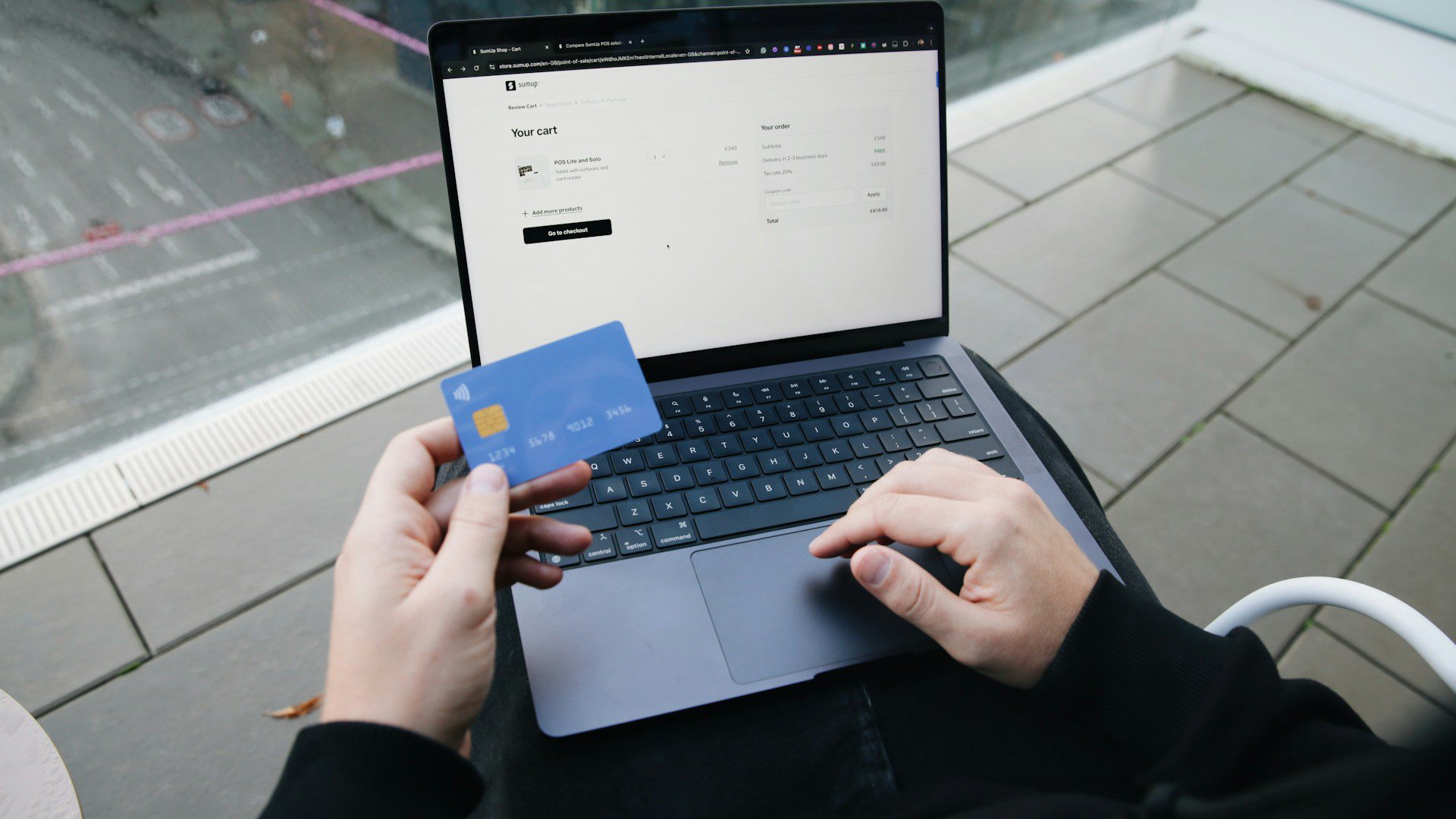
It happens more than you might think. A report from Scripps News, published September 15, 2025, covers a survey showing that nearly 1 in 3 parents say their kids made online purchases without permission.
31% Of Parents Say Their Kids Bought Without Asking
The survey was conducted by Talker Research for Achieve, and it asked 2,000 US parents between April 14 and April 23, 2025. Of those parents, 31% said their kids bought online without permission.
That is close to a third of households. If you have been through this, you are in good company, and there is no reason to be embarrassed.
Kids today grow up with screens in their hands. One tap on a game, an app or a saved card can turn a quiet afternoon into an expensive one.
The Costliest Spree Averaged About $170
According to the Scripps News report, the costliest spree averaged about $170. For many families, that is a utility bill or a week of groceries gone in a few clicks.
The survey also put 19% at over $300. That is a car repair deposit or a good chunk of a month’s rent for some folks.
Small taps add up quickly. A few dollars here for a game upgrade, a few more for a bundle, and suddenly the total is bigger than anyone expected.
23% Of Parents Rarely Or Never Check Their Kids’ Card Activity
Here is the number that stands out. The survey found that 23% of parents rarely or never check their kids’ card activity.
That does not make them bad parents. Life is busy, and when a child has a card or uses yours, it is easy to assume everything is fine until a surprise shows up.
But a quick look at the statement once a week can catch problems early. The sooner you spot a charge, the better your chance to sort it out.
Set Up Guardrails Before The Next Surprise
You do not have to take away every device. A few simple settings can protect your wallet and still let your child have fun.
- Turn on purchase approval in the settings of the app store on your child’s phone or tablet.
- Require a password or fingerprint for every purchase, and keep that password to yourself.
- Remove saved cards from game accounts, shopping sites and streaming apps.
- Set up text or email alerts for every charge on your card.
Parents often skip these settings because they seem technical, but most are only a couple of taps deep. If you get stuck, ask a grandchild or a patient friend to walk you through it.
Each of these steps takes only a few minutes. Do them tonight, and you can sleep easier tomorrow.
Check your own devices too. If your phone lets the kids borrow it for games, a saved card or a stored password is all it takes.
Think about gift cards as an option for older children. A set amount of money loaded once gives them freedom to buy something, with a built-in limit you control.
Talk With Your Kids Before Something Goes Wrong
Sit down and explain that tapping a button costs real money. Many younger children think of a game purchase as pretend, because nothing physical arrives in the mailbox.
Give older kids a clear rule: ask first, every time. Let them know what happens if a charge shows up that you did not approve, and keep the tone calm rather than angry.
A child who is afraid of punishment may hide a purchase. A child who feels safe is more likely to tell you right away.
Take heart if your kids are older. Teens can learn budgeting by managing a small allowance, and mistakes made with a few dollars teach better than mistakes made with a few hundred.
What To Do If A Surprise Charge Appears
Start by looking at the charge closely and finding out where it came from. Then talk to your child without yelling, because you need the full story.
Contact the company that charged you and explain what happened. Some will help, and it costs nothing to ask. If you cannot sort it out, call your card company and ask what options you have.
After that, use it as a lesson. Change the passwords, tighten the settings and add the charge to your family talk.
Remind grandparents and other relatives who share devices with the kids, too. A tablet passed around at holiday gatherings can lead to a surprise on the next statement.
Walk through the settings together once, and write down the steps so everyone in the family knows how to lock things down.
Keep An Eye On Your Statements
With about 31% of parents reporting unauthorized spending, it makes sense to treat your statement like a weekly chore, the same as taking out the trash. Five minutes of reading can save you a headache later.
The costliest sprees in the Achieve survey averaged about $170, and the survey put 19% at over $300. A little prevention is cheaper than either number.
Make the check a family habit. Your kids will learn that money is real, and you will stay one step ahead.
More Stories You May Like
- Nagging Your Teen About Chores Is Not Working, So Try Clear Agreed Expectations With Defined Deadlines And Consistent Follow Through Instead
- Common Sense Media Finds 40% Of Kids Have Their Own Tablet By Age Two And Nearly One In Four Have Their Own Phone By Age Eight, So Check What Your Kids Really Need
- Homeschool Mom Calls Her Method The Worst Planning Advice You Will Ever Hear Then Explains Why Planning Her Whole Week Every Saturday Morning Works