


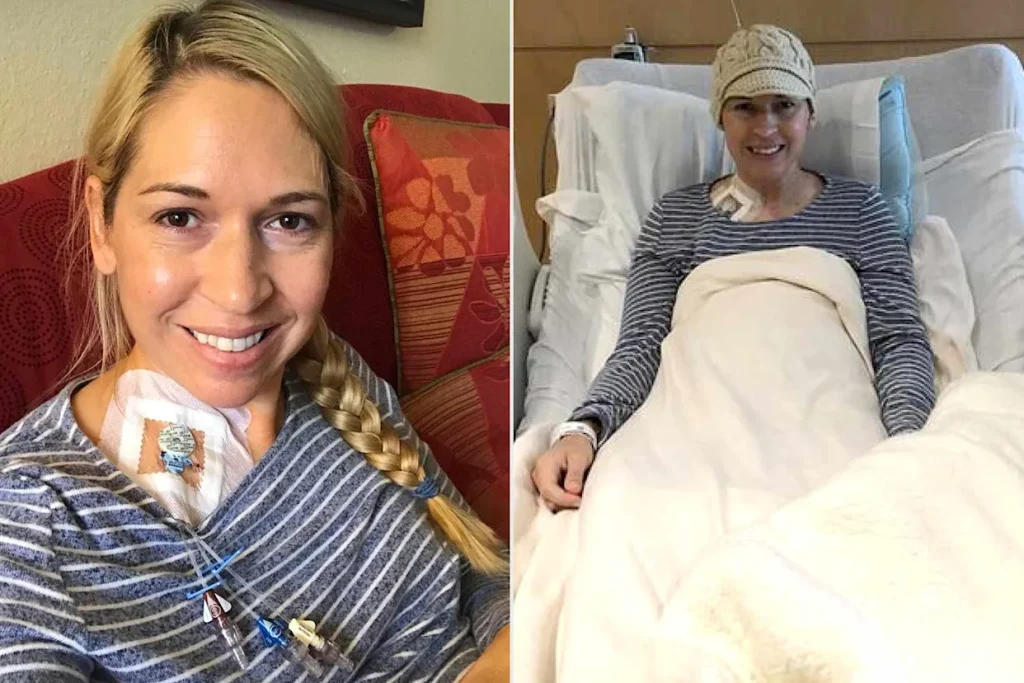
By the time a 34-year-old Florida mother finally learned why her back felt like it was breaking, the diagnosis was not lingering postpartum strain but aggressive multiple myeloma, an incurable blood cancer. Her story, and those of other young women whose pain was waved away as part of new motherhood, exposes how easily serious disease can hide behind the exhaustion and aches of life with a baby. It also shows why younger patients, especially women, are increasingly pushing for answers when a “normal” explanation does not fit.
The Florida mom who would not accept that crippling pain was “just postpartum”

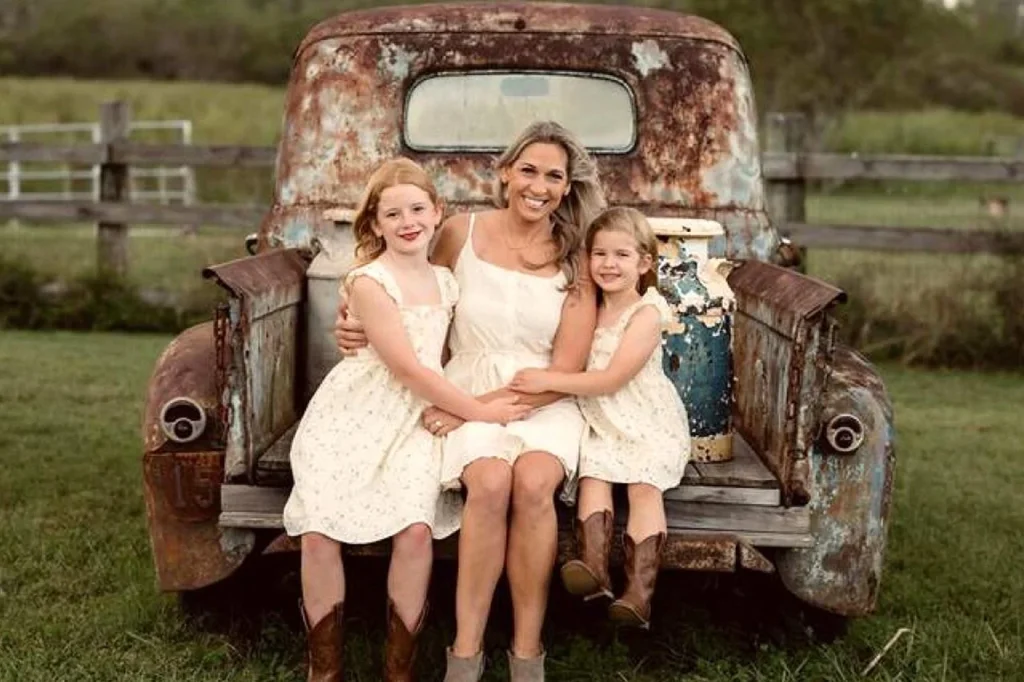
Shortly after giving birth to her second daughter, 34-year-old Corinne Torney began living with relentless back pain and crushing fatigue that were repeatedly chalked up to the physical toll of pregnancy and caring for a newborn. Instead of easing, her symptoms escalated until everyday tasks became punishing, a pattern that ultimately led doctors to discover that the Florida mom of two had multiple myeloma, a rare cancer that attacks plasma cells in the bone marrow and weakens the bones and immune system. Corinne Torney’s age made the diagnosis even more jarring, since most people diagnosed with this disease are ages 65 and older, yet her case shows that younger adults are not immune.
As specialists dug deeper, they concluded that Torney’s cancer was not only rare for her age but also unusually aggressive, forcing her to leave her job as an educator and travel from Florida to Arkansas for advanced treatment. The aggressive nature of the disease meant she had to uproot her life, step away from her classroom and focus on complex therapies that might keep the cancer at bay, a wrenching shift that underscored how far her reality had moved from the early reassurances that she was simply dealing with postpartum issues. Torney has described learning to live with a condition that may be controlled but not cured, a reality that aligns with expert guidance that multiple myeloma can often be brought under control over long periods with evolving treatments, as highlighted in detailed discussions on recognizing the signs of the disease.
When “postpartum” becomes a catchall that hides cancer
Corinne Torney’s ordeal is not an isolated fluke but part of a troubling pattern in which young mothers are told to push through pain that later turns out to be cancer. Another Florida mom of two, identified in coverage of Torney’s case, was also described as having an incurable cancer after her symptoms were initially dismissed as routine postpartum problems, a reminder that geography and age offer little protection when vague complaints are too quickly attributed to motherhood in Florida and beyond. In Torney’s situation, the label of “postpartum issues” delayed a workup that might have spotted her multiple myeloma earlier, a delay that became painfully clear once she was finally diagnosed as a Florida mom facing a cancer usually seen in much older patients.
The emotional fallout of that kind of whiplash diagnosis is immense. Torney has spoken about the shock of learning that her disease is considered incurable and about the mental strain of navigating treatment while raising two young children, themes echoed in broader reporting on how serious illness reshapes family life. One woman in a related case described holding “two emotions” at once, gratitude for being alive and grief for the life she thought she would have, after realizing that earlier reassurances about postpartum recovery had missed a more ominous reality, a tension captured in coverage of a Florida mother confronting cancer treatment. For Torney, the path forward has meant accepting that she cannot control the disease’s existence, only how she responds to it, a sentiment that mirrors another patient named Jan, who said, “I have no control over it,” while describing her own incurable cancer and the hope that new therapies might be her family’s “only hope for survival,” as detailed in an interview with Jan.
The warning signs doctors missed and what other moms can do
Clinicians who specialize in blood cancers say the red flags in cases like Torney’s are often hiding in plain sight: persistent back pain that does not respond to rest or physical therapy, profound fatigue that feels different from ordinary sleep deprivation, and recurrent infections or unexplained weight changes. In Torney’s case, those symptoms were initially brushed off as the inevitable result of caring for a newborn and a toddler, even as her pain intensified and her energy plummeted, a pattern that was later documented in detailed accounts of how her aggressive disease forced her to leave work and seek care in Arkansas. Experts note that multiple myeloma can cause bone damage, anemia and kidney problems, and that while it is more common in older adults, younger patients like Torney and other women in their thirties are increasingly being recognized, especially when persistent pain does not match typical postpartum recovery.
Stories from other patients reinforce how crucial it is for new mothers to trust their instincts when something feels off. Michelle, who was diagnosed with multiple myeloma in 2016 at the age of 35 when she had a one-year-old child, has described how her own back pain and fatigue were repeatedly minimized before doctors finally took a closer look. In a separate account shared on social media, Michelle recalled that Her symptoms started with on and off back pain that clinicians initially dismissed, only later recognizing them as signs of cancer, a progression captured in an Instagram reel about her journey. Patients like Jan have urged others to seek a second opinion if a diagnosis does not sit right, with Jan explicitly advising that “if you get an answer from a doctor that you do not like, get a second, third, fourth opinion,” a message she shared while recounting how her own incurable cancer was initially overlooked, as reported in coverage of Diagnosed with Incurable Cancer.
For clinicians, these cases are prompting renewed calls to separate the very real physical demands of postpartum life from a reflexive tendency to attribute every symptom to it. Cancer specialists who focus on Understanding Multiple Myeloma stress that while the disease is incurable, it is increasingly treatable, with combinations of chemotherapy, targeted drugs and stem cell transplants helping many patients live longer and better, a point underscored in expert commentary on multiple myeloma care over long periods. For patients like Corinne Torney, Michelle and Jan, the hope is that their stories will shorten the path from first symptom to accurate diagnosis for the next young mother who is told her pain is simply part of the job.
More from Decluttering Mom: