


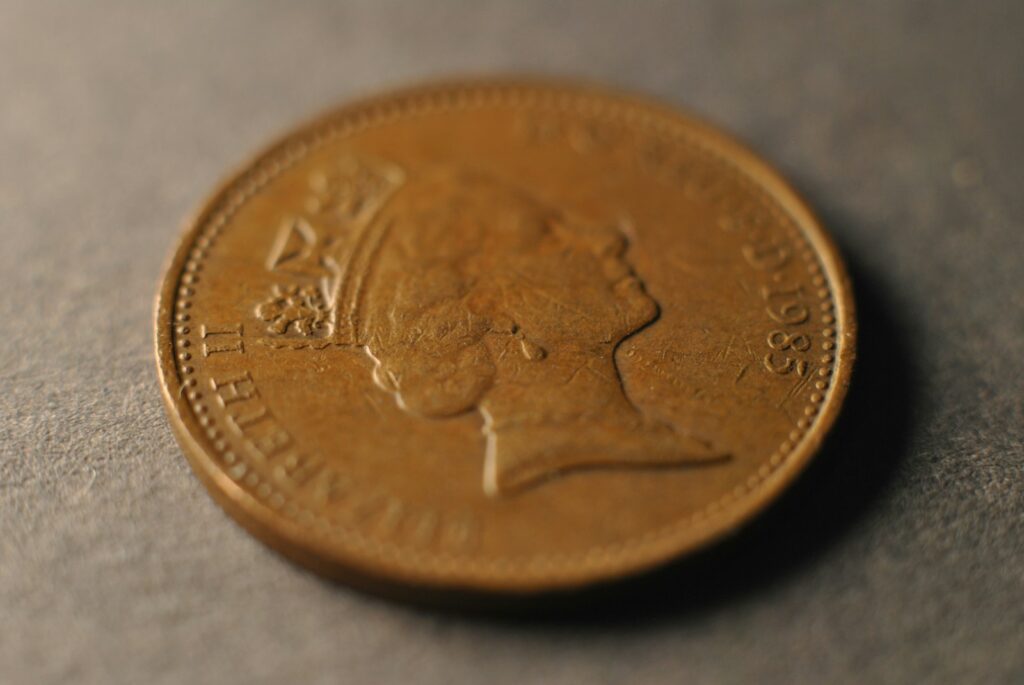
You never expected to find something that might be worth money tucked away in a drawer, and that sudden excitement can push you to act fast. Avoiding a few common mistakes now can preserve — and sometimes dramatically increase — what that coin or bill is actually worth.
This article walks you through the practical pitfalls people make when they try to clean, handle, sell, or store old currency. Keep reading to learn simple steps that protect value and help you make smart choices when it matters most.
Cleaning or polishing the coin yourself, which can damage its value.

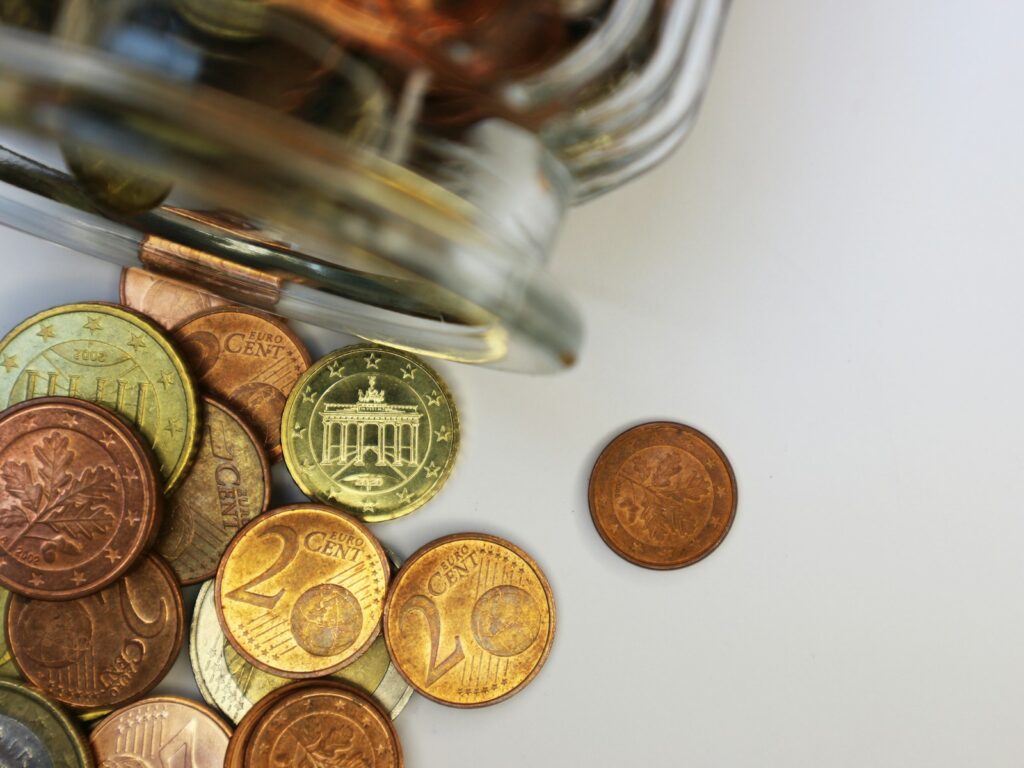
You should resist the urge to scrub a found coin to “see the design better.” Abrasives and chemicals remove original surfaces and reduce collector value.
If the coin has toning or a patina, touching it can cause irreversible damage. Ask a numismatist before attempting any cleaning.
For basic dirt, gently rinse with distilled water and pat dry; do not use metal polish. Professional cleaning or conservation preserves value and records.
Handling coins with bare hands instead of gloves, leading to oils or dirt damaging the surface.
If you pick up a coin with bare fingers, natural oils and sweat transfer instantly. Over time those residues can darken or spot the metal and reduce value.
Wear clean cotton or nitrile gloves when inspecting finds. Hold coins by the edge only if gloves aren’t available, and avoid rubbing the faces.
For more on proper handling and why oils matter, see guidance from the Royal Canadian Mint on coin care.
Selling immediately without getting the coin or bill professionally appraised
You might feel tempted to cash in fast, but selling without an appraisal can cost you hundreds or more.
A professional appraisal establishes condition, rarity, and market value—information buyers often use to negotiate.
Get at least one independent appraisal before you accept an offer.
If you need a quick estimate, compare recent auction results or consult a reputable dealer first; avoid buyers who pressure you to decide right away.
Storing coins or bills in improper materials that cause corrosion or fading
You might toss coins into cheap plastic flips or PVC holders because they’re cheap and handy. Those plastics can release chemicals that darken or pit metal over months.
Paper bills stay safe in acid-free sleeves; ordinary envelopes and tape will yellow and weaken fibers. Use inert holders instead of anything advertised as “archival” without checking the materials.
Keep humidity low and avoid direct sunlight; heat plus poor plastic speeds fading and corrosion. If unsure, switch to proven coin flips or Mylar sleeves and inspect items regularly.
More from Decluttering Mom: