


Clutter can quietly build up in your space without you even noticing. Sometimes, it’s not just big messes but small habits that slowly fill your home with things you don’t really need.
Understanding which everyday behaviors add clutter without your awareness can help you create a calmer, more organized environment. By becoming aware of these habits, you can take simple steps to keep your space feeling fresh and manageable.
Saving old receipts without sorting
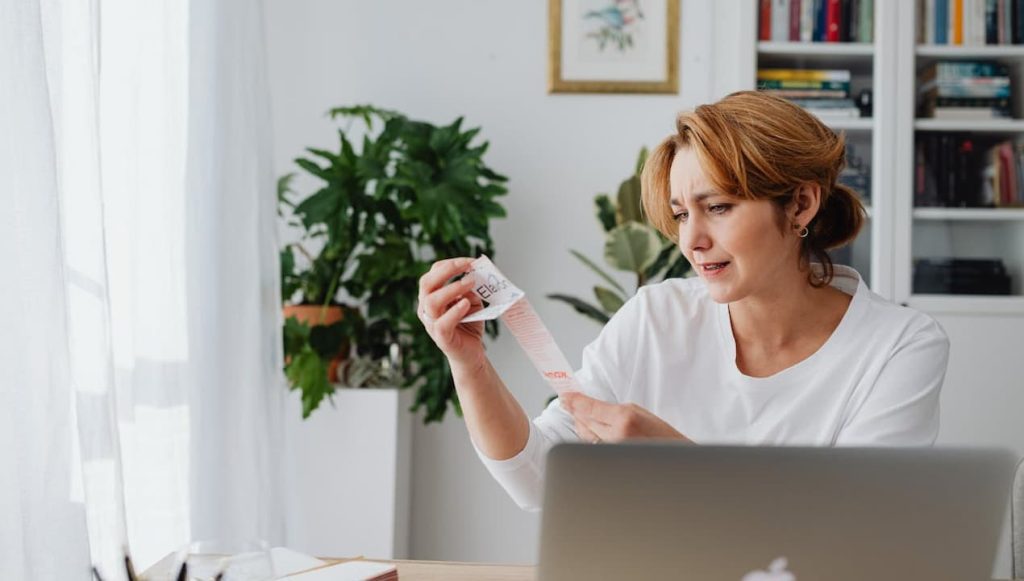
When you save old receipts without sorting, they quickly pile up and create clutter. It’s easy to forget why you kept some receipts in the first place.
Without organizing them by date or purpose, finding a specific receipt becomes frustrating. This lack of order can make your space feel chaotic.
Taking a few minutes to sort receipts regularly helps keep clutter under control. It also saves time when you need to check expenses or return items.
Keeping every birthday card
You might feel that keeping every birthday card is a way to hold onto special memories. However, this habit can quietly create clutter over time.
It’s easy to forget how many cards pile up, especially if you hold on to ones from years ago.
Consider keeping only the most meaningful cards or the most recent ones from people still in your life. This way, you save space without losing the sentiment behind them.
Reviewing your collection regularly helps you stay organized and makes it easier to appreciate the cards you truly value.
Letting mail pile up unopened
When you leave mail unopened, it quickly creates clutter. The stack grows without you realizing it, taking up space on your counters or desk.
Each piece of mail needs a small decision: keep, toss, or act on it. Putting this off leads to overwhelm and makes sorting harder later.
Setting a simple habit to open your mail daily or every few days helps prevent buildup. It keeps your space clearer and lets you deal with important papers sooner.
Using overflowing drawers for random storage
You might use drawers as a catch-all for items without a clear spot. It feels convenient, but over time, these drawers fill with random things that don’t belong together.
When drawers overflow, it’s harder to find what you need. This makes you less likely to put items away properly, which adds to the clutter.
Try to sort and limit what goes in each drawer. Using dividers or containers can help keep things organized and reduce the urge to toss random items inside.
Leaving gadgets and cords out
When you leave gadgets and cords scattered around, they quickly create visual clutter. It might not seem like much at first, but those cables and devices add up fast.
Keeping your cords and chargers out in the open can make your space feel messy and disorganized. Try to find a dedicated spot to store them when not in use.
Regularly putting away your tech helps you avoid tangled cords and makes your area easier to clean. A small charging station or drawer can keep things neat and ready to use.
Buying items on impulse without use
You might buy things because they seem fun or useful in the moment. But often, these impulse purchases don’t match your real needs or lifestyle.
These items can quickly end up unused, adding clutter without you realizing it.
Pausing before you buy can help. Try waiting a day or two to see if you still want the item. This simple step can save you money and keep your space clearer.
Being mindful about what you bring home helps your environment reflect what you truly need.
Not discarding broken things promptly
When you hold onto broken items, they slowly pile up without you noticing. Keeping them “just in case” creates clutter that takes up space and adds mental weight.
You don’t need to fix everything immediately, but setting a time limit helps. If repairs aren’t done by then, it’s better to let the item go.
This habit frees your space and makes it easier to keep things organized. It also stops broken belongings from becoming invisible mess.
Hanging on to clothes that don’t fit
You might keep clothes that no longer fit, hoping to wear them again someday. This habit quietly adds clutter and takes up valuable space in your closet.
Holding on to these items can also weigh on your confidence. Letting go is a kind way to make room for clothes that truly fit and feel good.
Try to be honest about what you actually wear versus what you keep for the future. This small change can help simplify your wardrobe and reduce stress.
Storing souvenirs unnecessarily
You might keep every souvenir from trips or events without thinking twice. These items often pile up quickly, taking up space and creating clutter in your home.
It’s easy to feel attached, but not all souvenirs need a permanent spot. Consider which ones truly hold meaning or memories for you.
If you’re unsure, try taking photos of the items instead. This keeps the memory alive without adding physical clutter to your space.
Ignoring junk drawer cleanup
You probably don’t think much about your junk drawer until it’s overflowing. Ignoring it means small items pile up, creating unnecessary clutter.
Over time, this drawer can become a catch-all for things you don’t need. Coins, old receipts, and random bits take over without you noticing.
Regularly tidying your junk drawer helps keep clutter in check. It takes only a few minutes but makes a noticeable difference in your space. You’ll find what you actually need more quickly, and your home will feel more organized overall.