


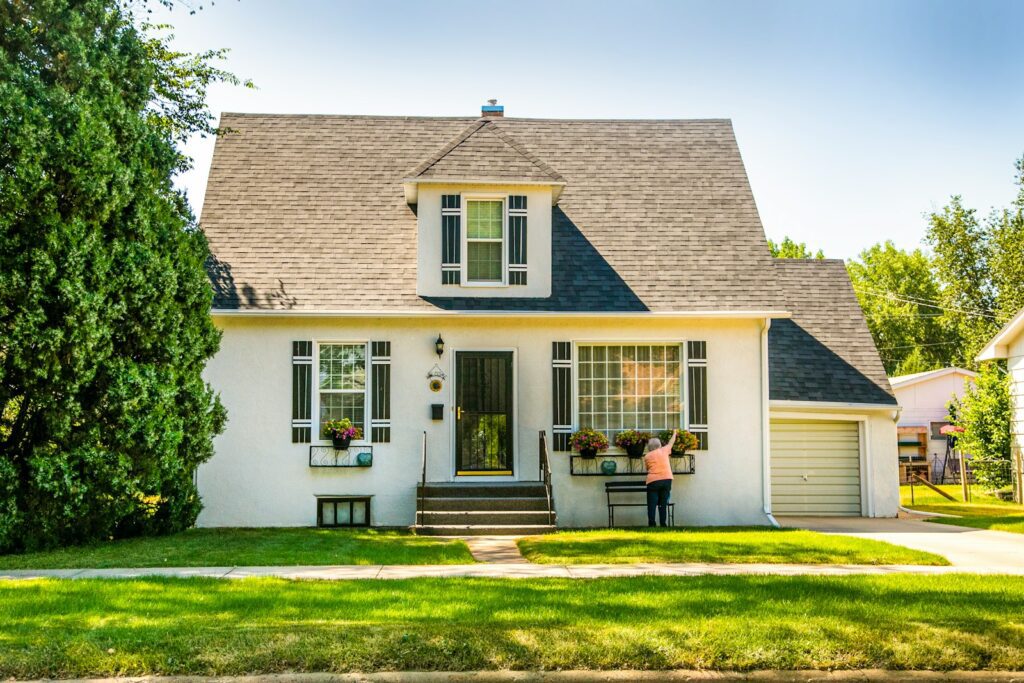
Fifty-three percent of American homeowners now write a check to a homeowners association, which works out to roughly 40 million households paying HOA dues on top of everything else housing already costs them, according to research compiled by iPropertyManagement’s national HOA statistics report. And the total flowing into association budgets nationwide isn’t holding steady. It jumped from $371.2 billion in member contributions in 2023 to $417.1 billion in 2024, a single-year increase that happened without one additional homebuyer ever signing up for it. If you’ve bought a house in the last few years, there’s a real chance you didn’t choose an HOA so much as inherit one: 82.4% of new homes sold in 2023 came pre-packaged with association membership. None of that gets disclosed the way a mortgage rate does. It just shows up later, on an auto-draft or a coupon book, quietly recurring for as long as you own the place.
A Housing Cost Hiding in Plain Sight
Here’s the part that deserves a closer look: HOAs aren’t a niche corner of the housing market anymore, and they haven’t been for a while. The Foundation for Community Association Research, the research arm of the Community Associations Institute and the closest thing this industry has to an official record-keeper, counts roughly 373,000 community associations across the country, home to about 78.1 million residents. That’s more than a third of all U.S. housing, up from just 10,000 associations and 2.1 million residents back in 1970. This is what makes the “shadow mortgage” framing feel less like a headline and more like an accurate description. A mortgage payment gets scrutinized down to the basis point during underwriting. An HOA payment, often just as large a monthly obligation for the household writing it, tends to get a glance at closing and then very little attention after that, even as the number on the statement keeps moving.
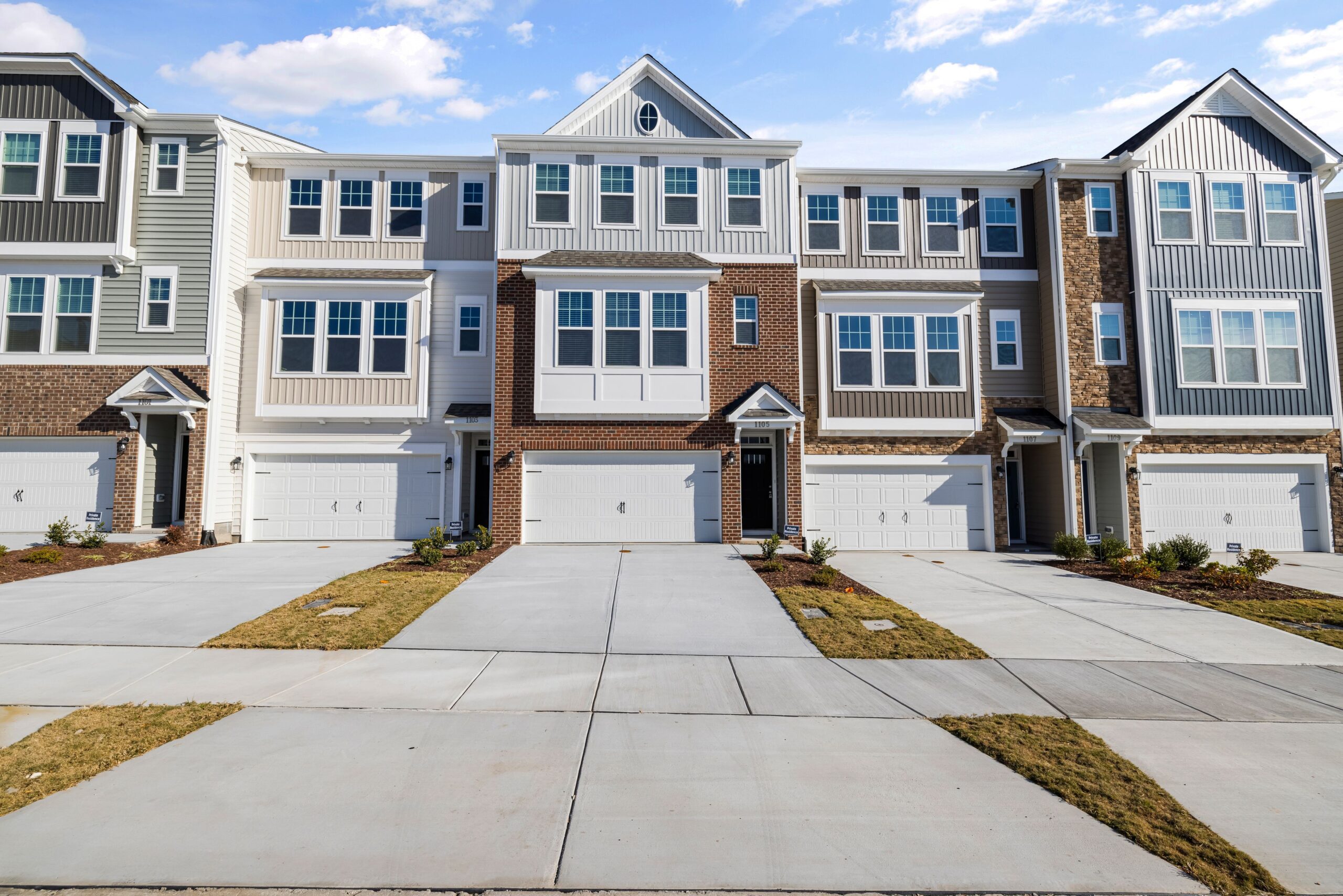

And it does keep moving. The national median condo and HOA fee climbed to $135 a month in 2025, up from $125 in 2024 and $108 back in 2019, and the Realtor.com research behind those figures found that 43.6% of U.S. listings now carry HOA dues, up from 41.9% just a year earlier. Those are national medians, too, which means plenty of households are paying well above that middle line, especially anyone in a single-family HOA community, where the average fee runs closer to $300 a month, or $3,600 a year.
What’s Actually Driving the Increases
None of this is happening because boards suddenly decided to charge more for the fun of it. A few very specific pressures are converging at once, and it helps to know what they are, because they’re not going away.
Insurance is the biggest one. Associations, especially in coastal and disaster-exposed states, have watched their master policy premiums climb at a pace that’s hard to overstate. Per an Urban Land Institute analysis of the post-Surfside insurance market, some association premiums rose 102% over three years. That cost doesn’t stay with the insurance company. It gets built directly into your dues.
Reserve funding requirements are the second driver, and they trace back to a specific, painful moment: the 2021 Champlain Towers South collapse in Surfside, Florida. In its wake, states began passing laws requiring associations to conduct structural integrity reserve studies and, in Florida’s case, to have those reserves fully funded by the end of 2024, per the same ULI reporting. The Community Associations Institute now tracks reserve study and funding mandates in a dozen states apiece through its reserve requirements advocacy page, and that list is only getting longer as more states respond to the same wake-up call. Associations that spent decades underfunding their reserves are now legally required to catch up, and catching up costs money that has to come from somewhere.
Aging infrastructure compounds both of those pressures. Roofs, roads, pools, elevators, and pipes installed when an association was built in the 1980s or 1990s are reaching the end of their useful life at roughly the same time insurance and reserve law are tightening, which means associations are funding replacement projects and higher premiums in the same budget cycle. And then there’s simple math on new construction: developers increasingly default to the HOA model because it lets them hand off ongoing maintenance of private roads, stormwater systems, and shared amenities to the homeowners themselves rather than to a municipality. That’s a real part of why new construction runs so much higher on HOA penetration than the resale market. As Realtor.com senior economist Joel Berner put it in the same report, “rising insurance costs, stricter building safety standards, and higher labor and material prices are pushing associations to raise dues,” and none of those three pressures shows signs of easing soon.
How to Read an HOA’s Financial Health Before You Sign Anything
The good news is that HOA finances aren’t a mystery you have to guess at. They’re documented, and in most states you’re entitled to see them before you close. Ask for the association’s most recent reserve study and find out what percentage of the recommended reserve is actually funded. A reserve sitting below roughly 70% funded is generally considered a caution sign, since it means a special assessment is more likely than not somewhere down the road. Pull the last year or two of board meeting minutes, not just the budget summary, because minutes are where you’ll spot early conversations about insurance renewal trouble or a looming capital project before it becomes a bill with your name on it.
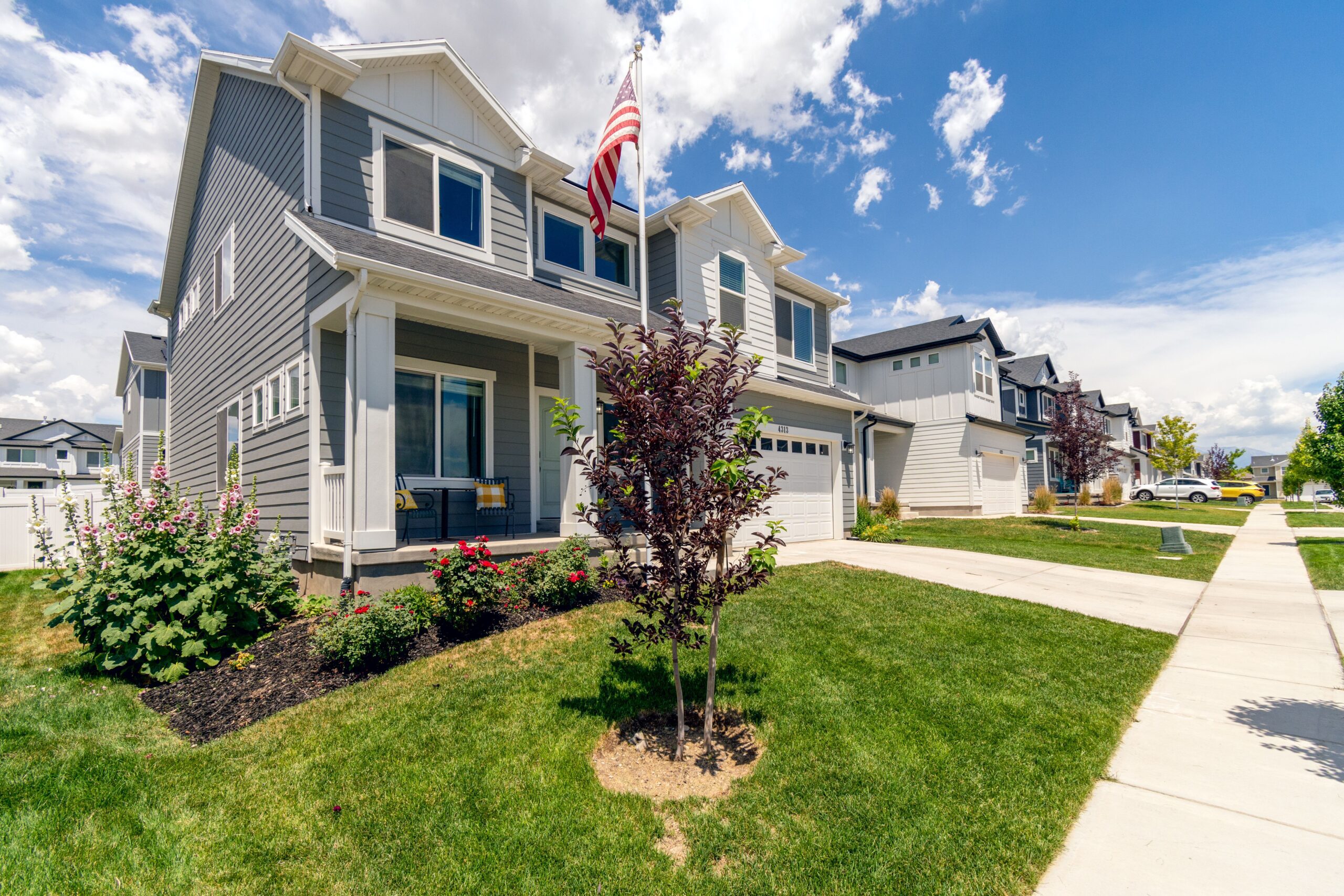

Ask about the delinquency rate, meaning what share of owners are currently behind on their dues. A high delinquency rate strains the whole association’s budget and often gets passed along to everyone else in the form of an increase. Look at the fee trend over the past five years rather than just the current monthly number, since a community that’s raised dues every year tells a very different story than one that’s held steady. And check whether your state is among those requiring reserve studies or reserve funding, since that context tells you whether the association is operating under a legal floor or largely on its own discretion.
Budgeting for a Cost That Isn’t Going Away
If you already own in an HOA community, the same instinct applies going forward. Treat your dues the way you’d treat a mortgage payment that can reset: build in room for it to climb, read your annual budget notice instead of setting it aside, and show up to the meeting where the board votes on it. Owners who stay engaged tend to catch funding gaps years before they turn into a five-figure special assessment letter.
None of this means an HOA is a bad deal. Shared insurance, maintained roads, and a managed pool are real value, and plenty of associations run their finances responsibly. But dues have quietly grown into a housing cost that deserves the same scrutiny you’d give a mortgage rate, not a line item you skim at closing and forget about until the number changes on you.