


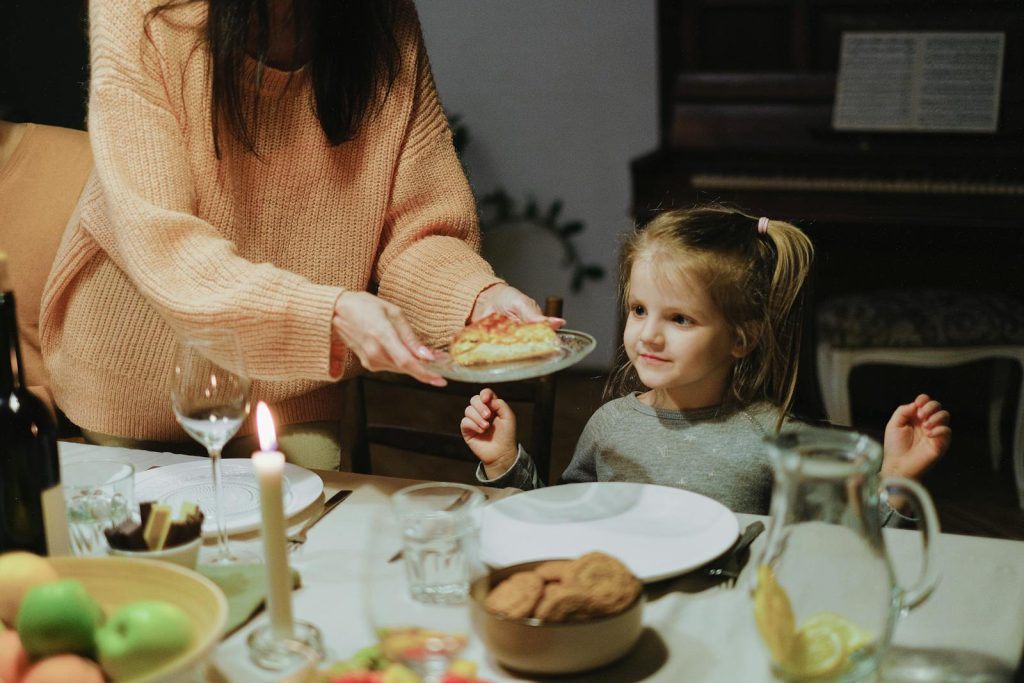
In a world where family dinners often get overshadowed by busy schedules and technology, it’s worth revisiting some dinnertime rules from the past that prioritize connection, manners, and health. These timeless traditions not only foster a sense of togetherness but also encourage healthy eating habits and respectful interactions. Here’s a closer look at five dinnertime rules that still resonate today.

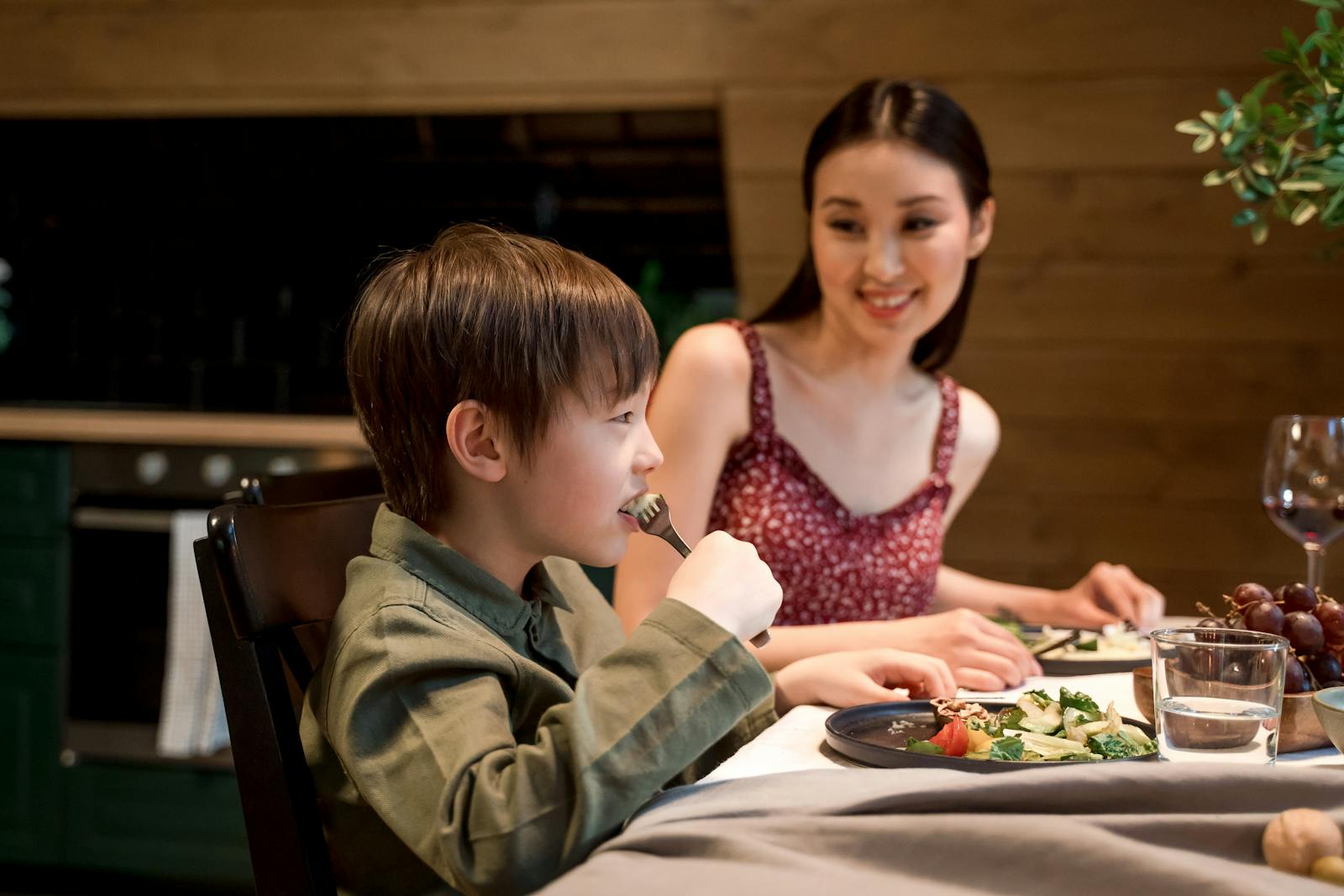
1. No Television During Dinner
One of the most cherished dinnertime rules from yesteryear was the ban on television during meals. This guideline was designed to promote conversation and connection among family members. Without the distraction of a TV show, families could engage in meaningful discussions, share their day’s experiences, and strengthen their bonds.
Research suggests that family meals without screens lead to better communication skills in children and a deeper understanding of each other’s lives. By eliminating distractions, families can focus on building relationships, making this rule not just a relic of the past, but a valuable strategy for modern life.
2. Always Use Proper Table Manners
Table manners have long been a staple of dinnertime etiquette, and for good reason. Practicing proper manners—such as chewing with your mouth closed, using utensils correctly, and saying “please” and “thank you”—can significantly enhance the dining experience. These rules help foster a respectful atmosphere and teach children the importance of consideration for others.
Beyond mere politeness, good table manners can contribute to a more enjoyable meal for everyone involved. They can make the dining experience feel special and teach valuable social skills that extend beyond the dinner table, helping children navigate social situations throughout their lives.
3. Eat Together as a Family
Gathering around the dinner table as a family has been a time-honored tradition that holds immense value. Families who eat together regularly tend to have stronger relationships and better communication. Sharing a meal allows family members to reconnect after a long day, providing a space to share stories, laughter, and support.
Studies have shown that children who regularly participate in family meals are more likely to have healthier eating habits and perform better academically. By prioritizing family dinners, parents can create a nurturing environment that promotes well-being and strengthens familial ties.
4. Have a Set Dinner Time
Establishing a regular dinner time helped families maintain a sense of routine and stability, which is especially important for children. This practice not only ensures that everyone knows when to gather but also aids in developing healthy eating patterns. Regular meal times can help regulate hunger cues, making it easier for individuals to maintain a balanced diet.
In our fast-paced world, having a set dinner time can be a grounding ritual that brings families together and serves as an anchor amidst the chaos of daily life. It encourages everyone to pause and reconnect, fostering a sense of belonging that is often missing in today’s hurried lifestyles.
5. Embrace Home-Cooked Meals
The preference for home-cooked meals over fast food or takeout is a dinnertime rule that has stood the test of time. Preparing meals at home allows families to control the ingredients, portion sizes, and overall nutritional quality of their food. This practice promotes healthier eating habits and can lead to a greater appreciation for food.
Cooking together can also serve as a bonding experience, allowing family members to collaborate and share responsibilities. Beyond nutrition, home-cooked meals often come with the added bonus of tradition, as families pass down recipes and cooking techniques through generations. This connection to food can create a lasting legacy of culinary heritage.
Revisiting the Past
As we navigate the complexities of modern life, it’s important to recognize the wisdom embedded in these dinnertime rules from the past. While times have changed, the fundamental values of connection, respect, and health remain relevant. By embracing these time-tested traditions, families can foster stronger relationships, create lasting memories, and improve their overall well-being.
As we move forward, let’s not forget the lessons learned from our dining history. By integrating these rules into our routines, we can cultivate a more enriched and fulfilling dining experience for ourselves and our loved ones. After all, the dinner table is more than just a place to eat; it’s a space where connections are made, stories are shared, and memories are created.