


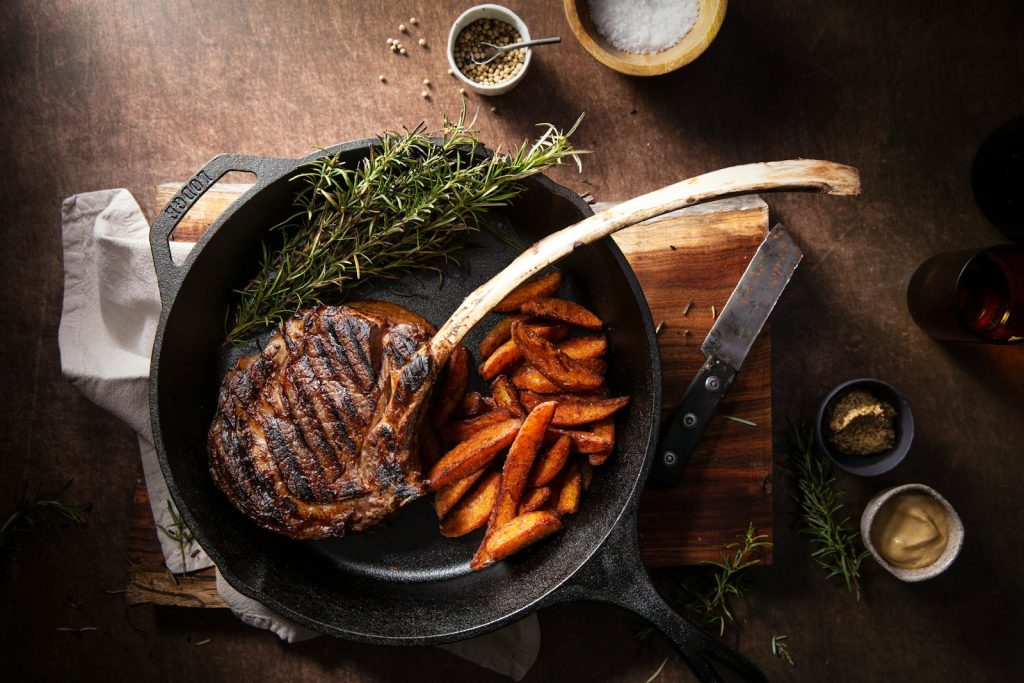
When we dine out, we often pick dishes based on cravings or curiosity. But some orders can actually frustrate chefs due to concerns about flavor, texture, or preparation. Understanding which foods commonly make chefs cringe can help us make better choices and enjoy a more satisfying meal.
By knowing which five foods chefs tend to avoid when customers order them, we can improve our dining experience and show respect for the craft behind the meal. This insight gives us a chance to appreciate the kitchen’s perspective and select dishes that truly highlight the chef’s skills.

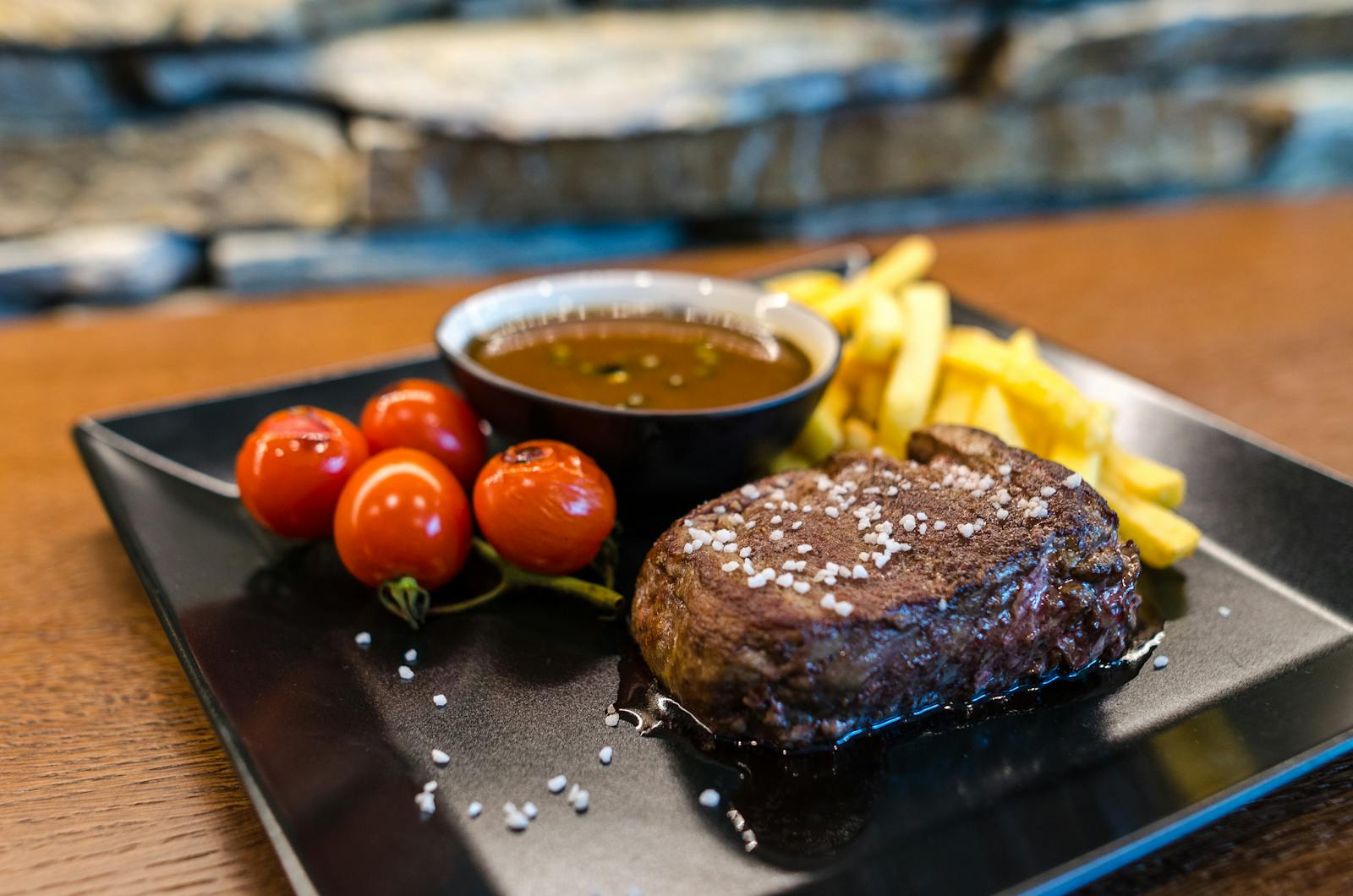
Well-done steak orders
We know everyone has their own taste, but ordering a well-done steak often raises eyebrows in the kitchen. When steak is cooked well done, it loses much of its natural moisture and flavor.
Chefs sometimes feel like they have to use less desirable cuts for well-done steaks, which can affect the eating experience. It’s not about judging, just about how cooking changes the texture.
Still, our goal is to make sure you enjoy your meal, no matter how you like it. We’re happy to prepare your steak exactly to your preference.
Overcrowded sauté pans
When we overcrowd a sauté pan, the food ends up steaming instead of getting that nice, crispy sear. This happens because the pan’s temperature drops, and the moisture from the crowded ingredients creates steam.
We’ve all been in a rush and thrown everything in at once, but cooking in batches helps maintain heat and flavor. Drying ingredients before adding them also keeps the pan hotter and prevents sogginess.
Taking the time to cook in smaller amounts lets our food brown evenly and taste better. It’s a small step that makes a big difference in the final dish.
Microwaving fresh fish
When it comes to microwaving fresh fish, we often run into trouble. The microwave heats unevenly, which can leave some parts overcooked and others undercooked.
This uneven cooking affects the texture, making the fish rubbery or dry. It also causes a strong odor that can linger in the kitchen for a while.
We find that using the microwave for fish sacrifices the delicate flavors and moisture that make it enjoyable. Instead, cooking fish on the stove or in the oven usually gives better results.
Ordering rare chicken dishes
We often see chicken as a safe choice at restaurants, but ordering it rare can be risky. Chicken must be fully cooked to ensure it’s safe to eat, so rare chicken dishes are a no-go for most chefs.
Restaurants tend to overcook chicken to avoid any food safety issues. This means rare chicken dishes are rarely served, and if they are, they often raise concerns for both chefs and diners.
Because of this, we recommend sticking to well-cooked chicken options. It keeps everyone safe and allows the kitchen to focus on flavor and texture without the worry of undercooking.
Requesting extra sauce on premium cuts
When we order prime steaks, we usually want to enjoy the natural flavors and textures. Adding extra sauce can sometimes overpower the delicate taste the chef worked hard to highlight.
That said, if we prefer sauce, it’s best to ask for it on the side. This way, we control how much we use without masking the meat’s quality.
Chefs often appreciate when we show respect for their cooking by letting the steak shine first. Then, the sauce becomes a thoughtful addition rather than a cover-up.