


We all want our food to stay fresh and tasty for as long as possible, but sometimes the way we store it actually does more harm than good. Many common ingredients are kept in the wrong spot, which can lead to quicker spoilage, loss of flavor, or wasted food.
Understanding how to properly store just a few key foods can make a noticeable difference in their freshness and taste. By adjusting where and how we keep certain items, we can save money and enjoy better meals. Let’s explore five foods that chefs say we’re often storing wrong.

Storing tomatoes in the fridge instead of at room temperature
We often think the fridge keeps everything fresher, but tomatoes are a different story. When chilled, their texture can become mealy and less enjoyable.
Keeping tomatoes at room temperature helps preserve their flavor and juiciness. It’s best to store them stem-side up in a single layer, allowing air to circulate.
If we do refrigerate cut tomatoes, letting them sit out for a bit before using them improves the taste. For whole tomatoes, staying on the counter is usually the way to go.
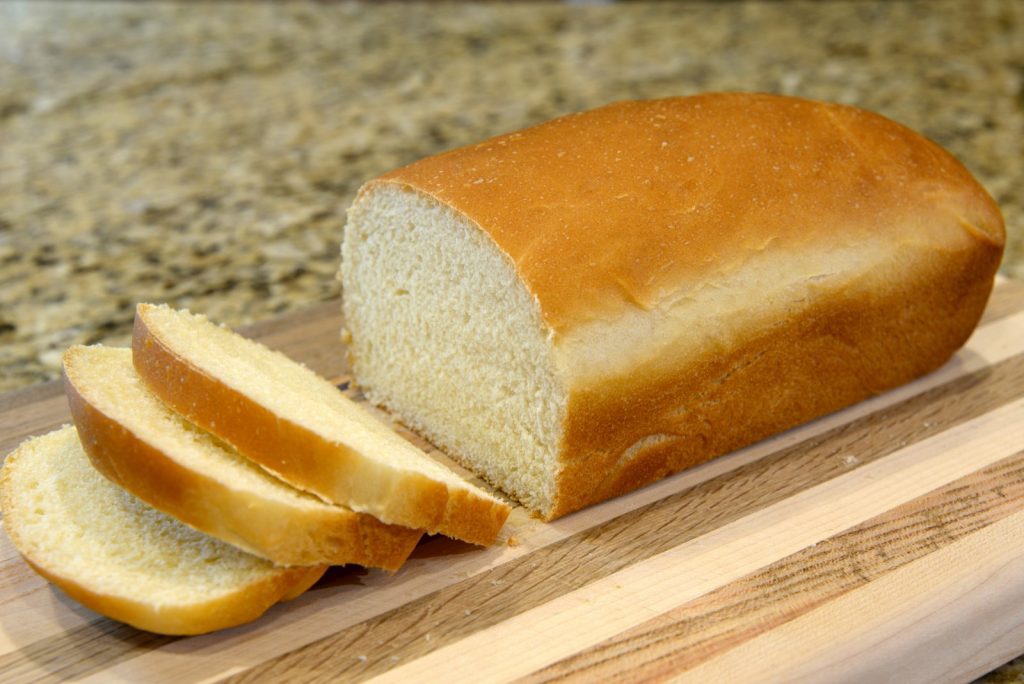
Keeping bread in the fridge rather than in a cool, dry place
We might think the fridge is a safe bet to keep bread fresh longer. But actually, cold air speeds up the staling process, making bread dry and tough faster than if we leave it in a cool, dry spot.
For most of us, storing bread in a bread box or pantry works best. The key is to avoid moisture, which encourages mold. If we want to keep bread longer, freezing is a better option than refrigeration.
In humid environments, the fridge can help reduce mold growth, but it’s a trade-off with texture. So, letting bread rest outside the fridge in the right conditions usually keeps it tastier.
Refrigerating fresh herbs wrapped tightly in plastic bags
When we refrigerate fresh herbs, wrapping them tightly in plastic bags can help keep them fresh longer. The plastic limits air exposure, which slows down wilting and drying.
It’s important to use food-grade plastic bags and make sure the herbs are dry before storing. Moisture inside the bag can cause the herbs to spoil faster.
We can also wrap the herbs in a damp paper towel before placing them in the bag. This helps maintain the right humidity without making them soggy.
However, not all herbs like cold storage this way—basil, for example, prefers room temperature.
Leaving potatoes exposed to light instead of in a dark, cool spot
We often leave potatoes out where they catch light, but this can actually harm them. Light causes potatoes to turn green and produce a natural toxin called solanine, which isn’t good for us to eat.
Instead, we should store potatoes in a dark, cool place like a pantry or basement. This helps keep them fresh longer and stops sprouting.
It’s also important to allow air circulation by using paper or mesh bags rather than plastic. Keeping potatoes away from heat and moisture helps us avoid spoilage and make the most out of our potatoes.
Storing peanut butter in the fridge causing hard texture
When we put peanut butter in the fridge, the natural oils harden and separate from the rest of the spread. This change makes it dense and difficult to spread smoothly.
The cold also dulls the flavor, so it doesn’t taste as fresh or creamy. While refrigeration may extend shelf life, it often ruins the texture we love.
Instead, keeping peanut butter in a cool, dark pantry helps it stay soft and flavorful. This way, we enjoy that perfect, easy-to-spread consistency every time.