

Cleaning out the basement and dropping a carload at the thrift store feels like a good deed, and usually it is. Some items, though, should not be handed to another family without a closer look.

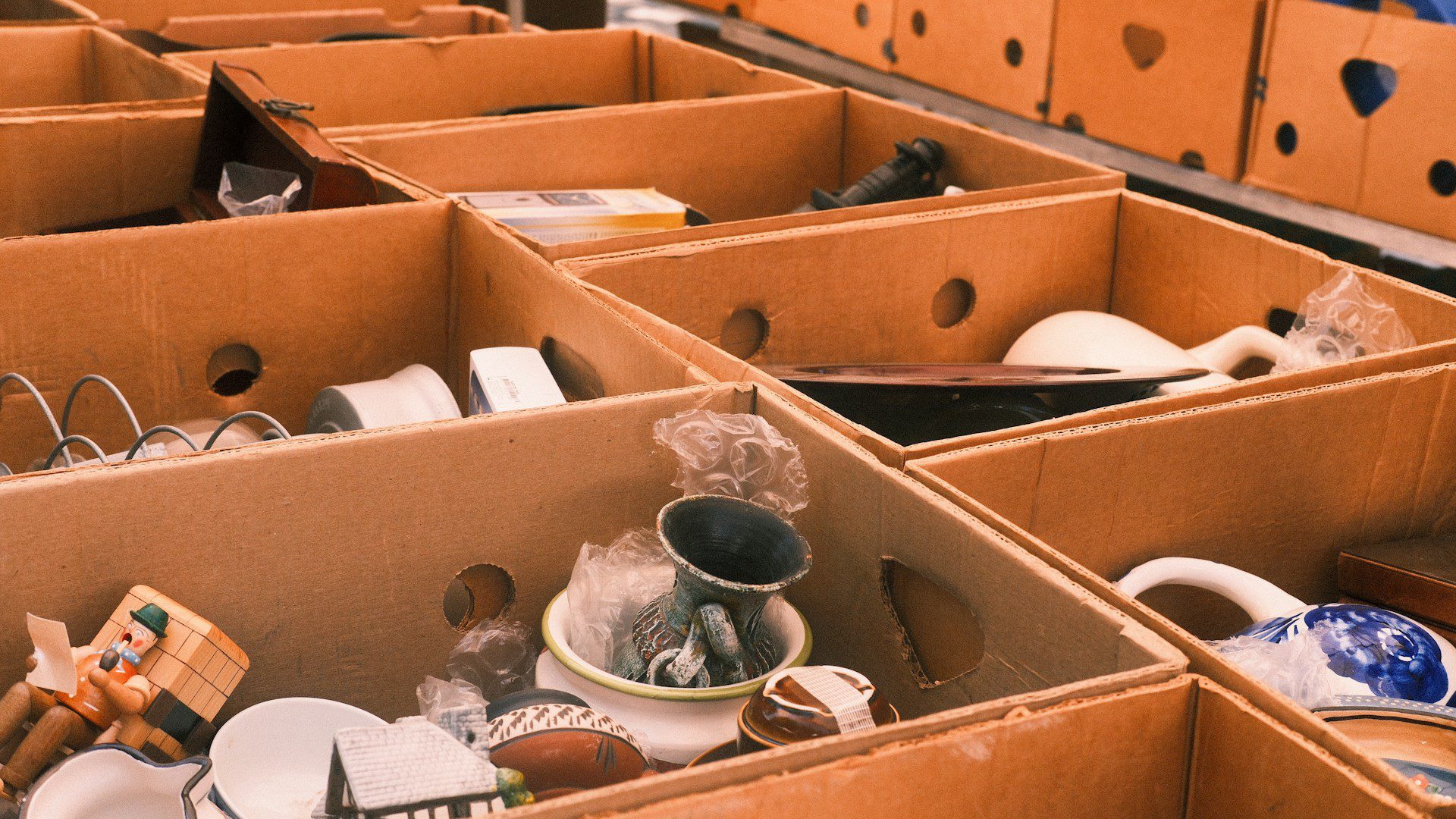
The U.S. Consumer Product Safety Commission puts it bluntly in its guide for resellers. Resale stores, resellers and people who give away used products “cannot sell or donate products that do not meet the requirements of the law,” and ignorance of the law is “not an excuse.” Here are 5 hand-me-down items worth checking first.
The reasons are practical, not picky. Safety rules for baby gear change, and a hand-me-down can carry a hidden problem that its giver never knew about.
Let us walk through the items the agencies single out, one by one, and what each source says about them.
An Old Drop-Side Crib Cannot Be Passed Along
The CPSC’s resellers guide says “absolutely no drop-side cribs in the used marketplace” can meet the standard, so they must be destroyed, even if immobilized with new hardware. It also says any full-size or non-full-size crib made before June 28, 2011 must be destroyed unless you have written proof that it meets the applicable ASTM standard.
A Consumer Reports investigation, covered by NewsChannel 5, found drop-side cribs listed on secondhand marketplaces including Facebook Marketplace, eBay, Craigslist and Mercari.
If your own grandchildren once slept in a crib like that, it may still be in the attic. Before it goes to anyone else, check the date on the frame.
Padded Crib Bumpers Are Banned Products
According to the CPSC’s Safe Sleep for Babies Act business guidance, crib bumpers are banned hazardous products as of November 12, 2022. The law makes it unlawful to sell, offer for sale, manufacture for sale, distribute in commerce or import them.
The agency defines a crib bumper as material meant to cover the sides of a crib. That includes padded bumpers, vinyl bumper guards and vertical slat covers, but it excludes non-padded mesh crib liners.
A soft, padded bumper can look harmless sitting folded in a closet. The rule above applies to it all the same.
Inclined Sleepers Are On The Same Banned List
The same CPSC guidance covers inclined sleepers for infants, defined as a product with a sleep surface tilted more than 10 degrees, intended, marketed or designed for infants up to 1 year old. They too became banned hazardous products on November 12, 2022.
The CPSC’s cribs and sleep safety page lists recalls of rocking sleepers, including the Fisher-Price Rock ‘n Play and a Kids2 product.
These are products that look cozy and well made, which is why checking the rules matters before one goes to a new family.
In-Bed Sleepers Showed Up Everywhere In One Investigation
Consumer Reports, in the same investigation, said in-bed sleepers were most common on Facebook Marketplace. Its evaluators stopped counting after finding 50 of them in 65 search results.
The report says these products are linked to suffocation and asphyxiation risk and should not be used for infant sleep. It also says Meta told the magazine recalled products are prohibited on its platform and enforced through automated detection and human review.
This is the item that most often goes from one family to the next without a second thought. It is also the one with the most to check.
Car Seats Have Dates, Histories And Recalls
Consumer Reports says most car seats are good for six years or more from the date they are manufactured, and to check the manual and labels for the exact date. It says expiration dates help ensure the seat meets current safety rules, and that webbing, plastic, foam and buckles wear down over time.
The magazine adds that crash forces can weaken key parts in ways you cannot see, and that it is important to dispose of a car seat that has been in a moderate to severe crash. For recalls, it says to check the seat against NHTSA’s recall database.
The CPSC resellers guide says that for hand-held infant carriers, including car seat and carrier combinations, you should check with NHTSA to see whether the expiration date has passed. If the carrier is under a CPSC or NHTSA recall, contact the manufacturer about a possible repair, and otherwise destroy it.
The NHTSA car seat page says to register your car seat with the manufacturer, so that the company can contact you directly about recalls and safety notices. The agency also offers email recall alerts and a free SaferCar App.
One rule applies to everything on the donation pile. The CPSC resellers guide states, “It is illegal to sell any recalled product,” and recalled items should be destroyed unless they have been repaired in accordance with the recall.
The CPSC tells people to check cpsc.gov/recalls before accepting or selling items. Consumer Reports advises searching the exact product name or model number on recalls.gov before buying, and checking before selling too.
Donating is still a wonderful thing to do for your neighbors. Just take a minute with the tag, the date and the recall list first, so your generosity helps a baby sleep and ride safely.
More Stories You May Like
- Secondhand Baby Gear You Should Never Buy, Sell Or Hand Down Includes Old Cribs With Drop Side Rails And Expired Car Seats, So Check The CPSC Recall List First
- Mom Of Two Boys Four And Under Is Getting Rid Of Over Half Of Their Belongings And Her Everything Closet Has Rods Falling Down
- Paying Kids For Chores They Should Do Anyway Can Backfire, So Here Is How To Separate Family Duties From Extras Worth Earning Some Cash